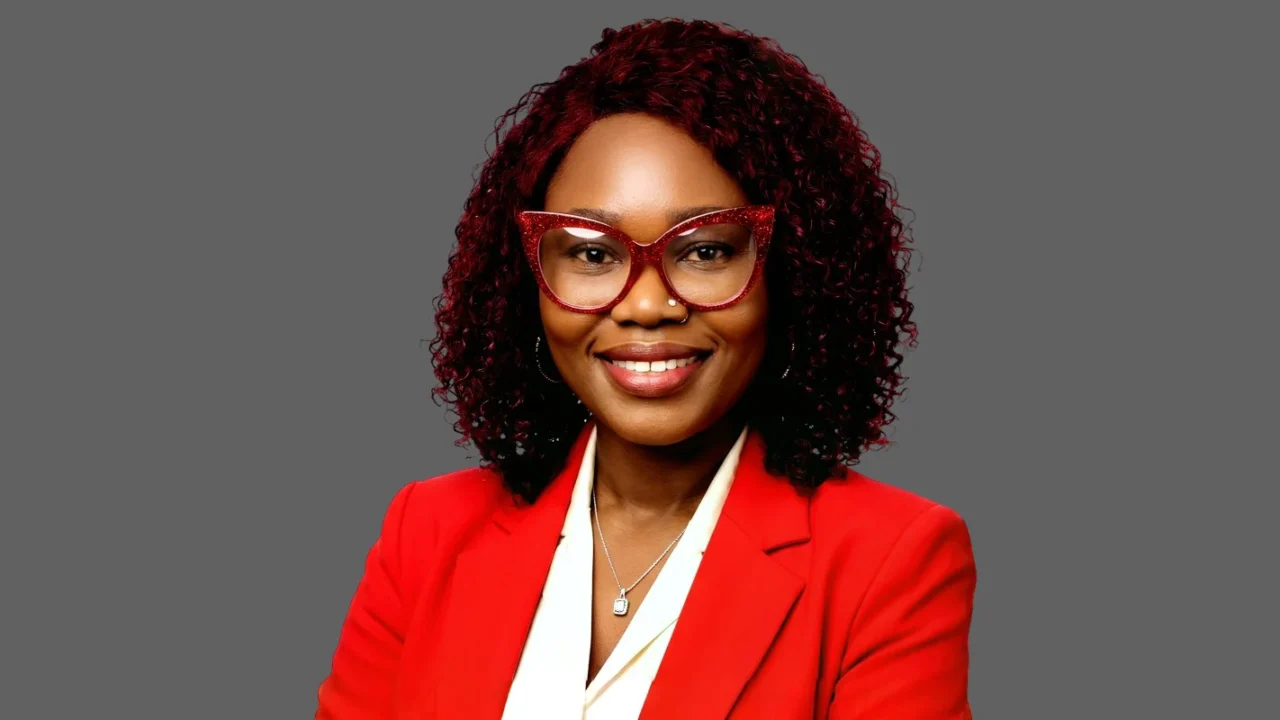
Olubukola Ayodele, Co-Convenor (Co-Chair) at London Global Cancer Week, shared on LinkedIn:
“I’ve been thinking about why so few people in the UK seem to be involved in global oncology.
I think part of the problem is that we still misunderstand what global oncology actually is.
Too often, it is seen as something people in high-income countries do for people in low- and middle-income countries. A visit. A project. A teaching trip. Sometimes even an act of charity.
But that misses the point.
Global oncology is about improving cancer outcomes across borders, health systems, cultures and economies through genuine partnership and shared learning. Expertise does not flow in one direction.
Resource constraints can force health systems to ask questions that wealthier systems sometimes avoid:
What is actually necessary?
What can we simplify?
How can we deliver this differently?
Some of the best lessons in affordability, task-sharing, pragmatic pathways and innovation come from settings where doing more simply isn’t an option.
But there is another reason global oncology cannot be regarded as somebody else’s field: the world is already in our clinics.
Our patients come from different countries, cultures and health systems.
Understanding how people think about cancer, family, treatment, research and healthcare is part of providing culturally competent cancer care here in the UK.
Global majority populations can experience poorer cancer outcomes even in high-income countries. The questions we ask globally about access, trust, late diagnosis, representation and health-system barriers are questions we need to ask at home too.
There is an economic argument. Late diagnosis often means more complex treatment, greater healthcare use and higher costs.
Premature cancer deaths affect families, communities and the workforce. Equity and health-system sustainability are not separate conversations.
We cannot change global cancer outcomes while concentrating expertise, research and resources in the countries fortunate enough to have the most.
Global oncology should not belong to a small group of people with an international interest.
It should matter to clinicians, nurses, researchers, public health professionals, commissioners, policymakers, academics, charities, community organisations and everyone involved in cancer and population health.
You don’t have to travel anywhere to be involved in global oncology.
You have to be willing to learn from others, share what you know, question inequity and recognise that geography should never determine someone’s chance of surviving cancer.
Global oncology is everyone’s business.
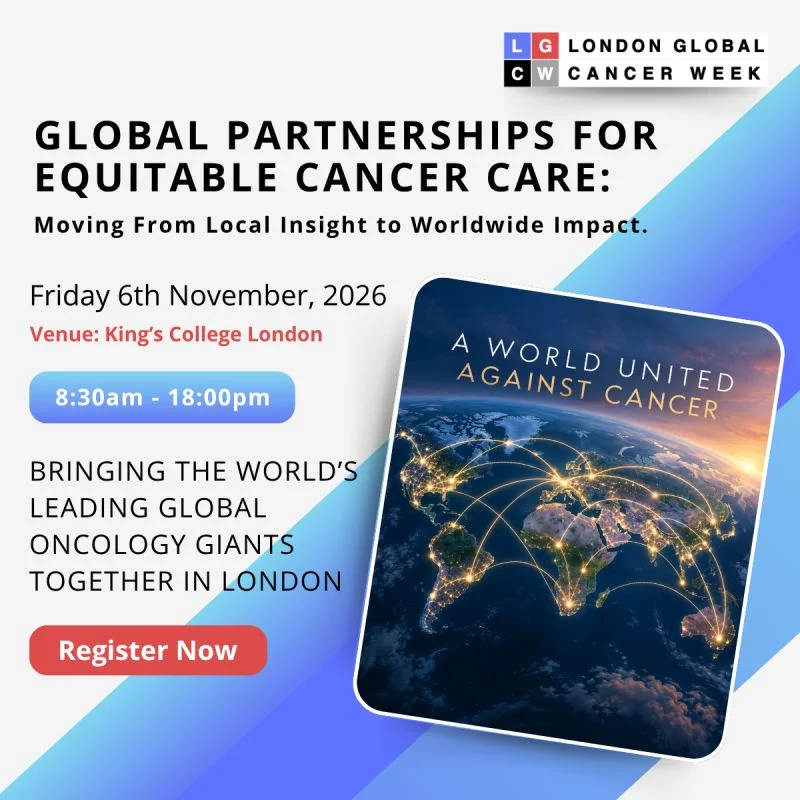
This is exactly why we run London Global Cancer Week.
Join us on 6 November 2026 as we turn these conversations into partnerships and action.
Registration is open: Global Partnerships for Equitable Cancer Care: Moving From Local Insight to Worldwide Impact.”
Other articles about London Global Cancer Week on OncoDaily.