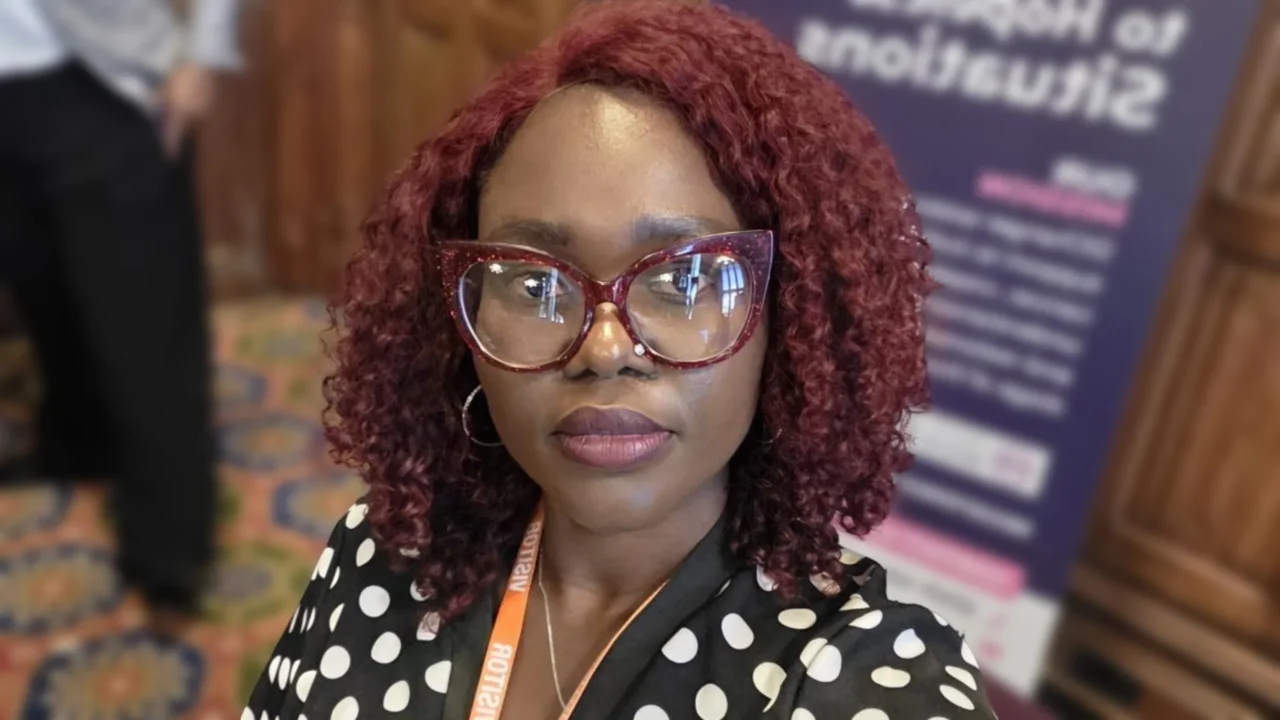
Olubukola Ayodele, Breast Cancer Lead at University Hospitals of Leicester NHS Trust, shared a post on LinkedIn:
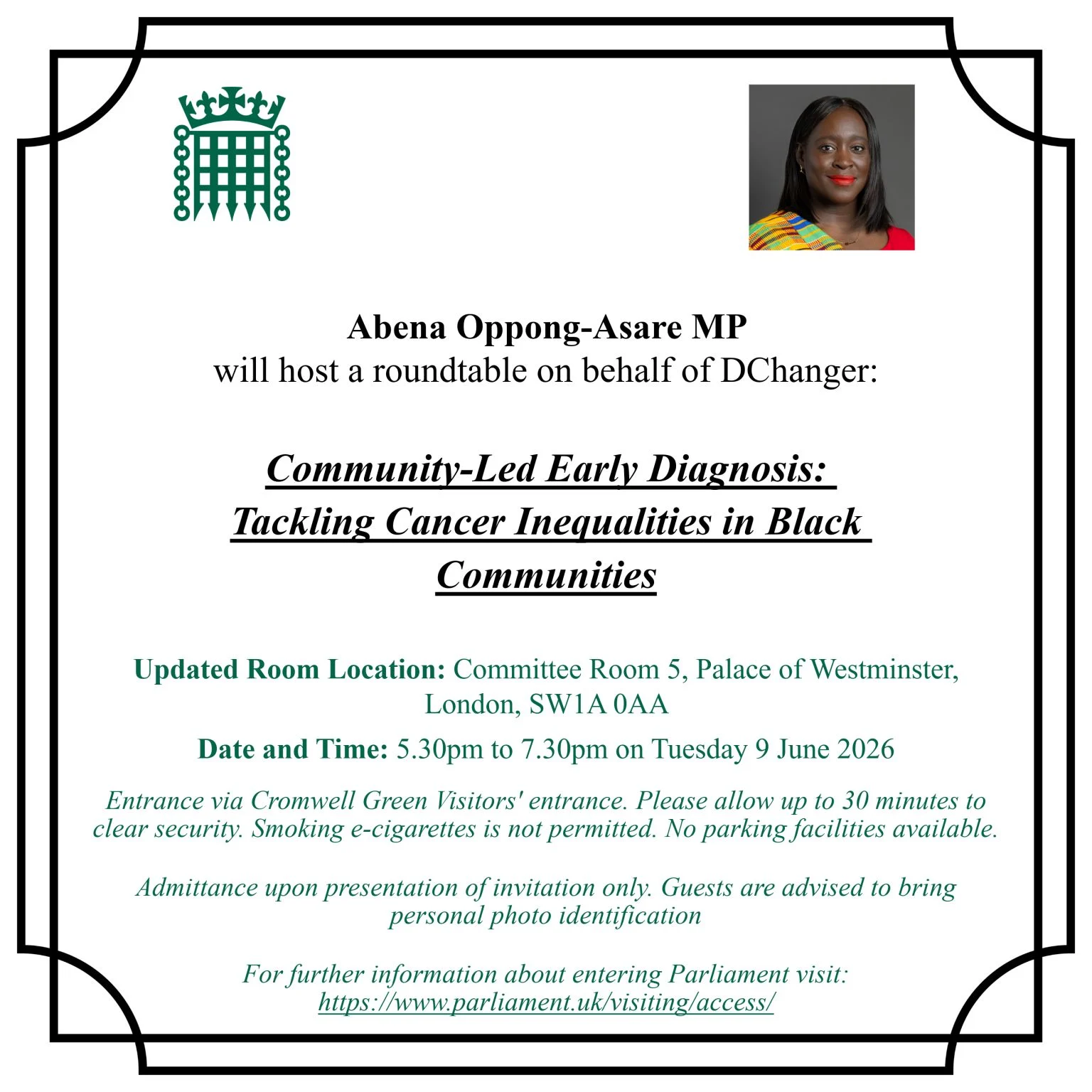
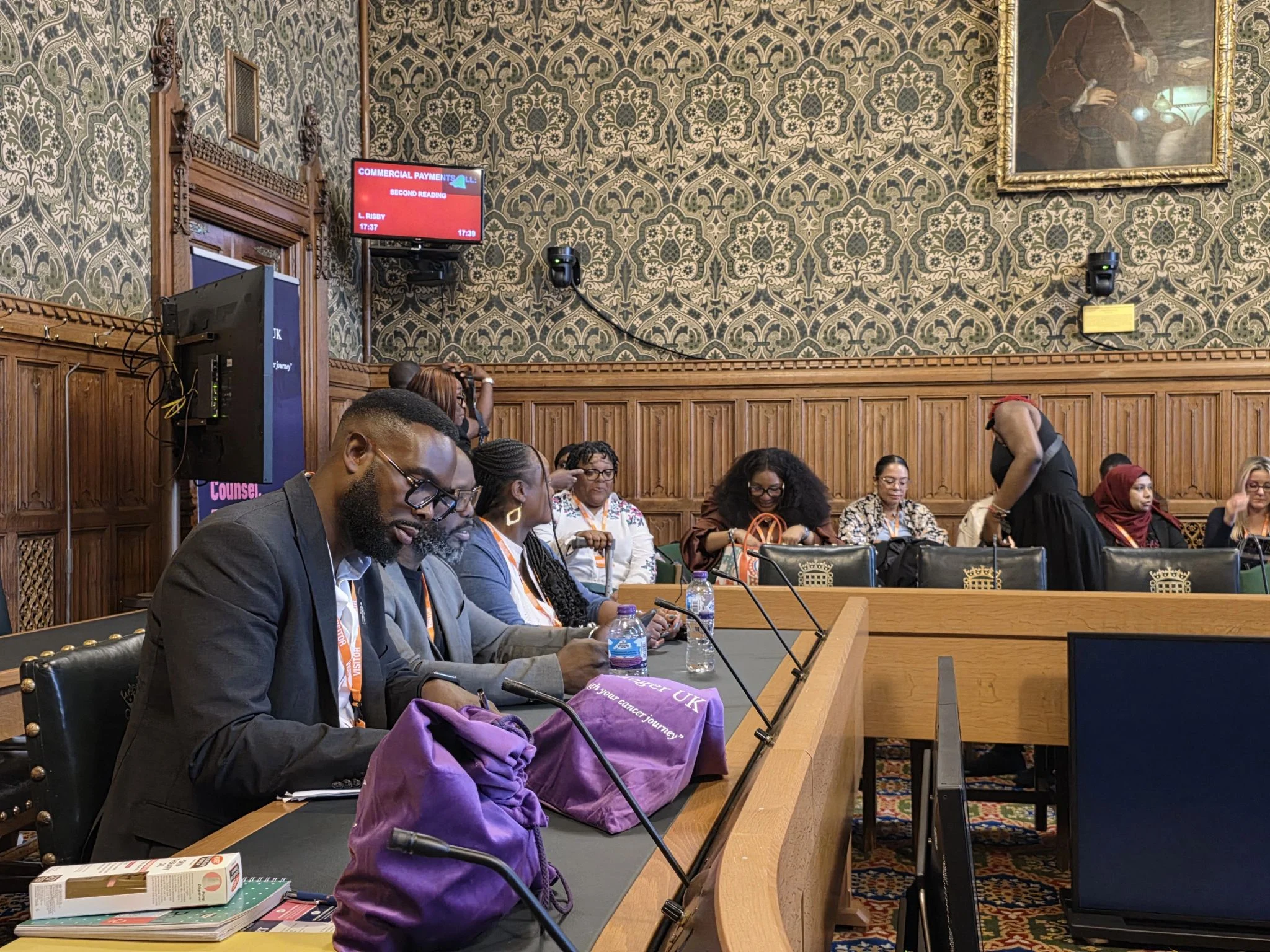
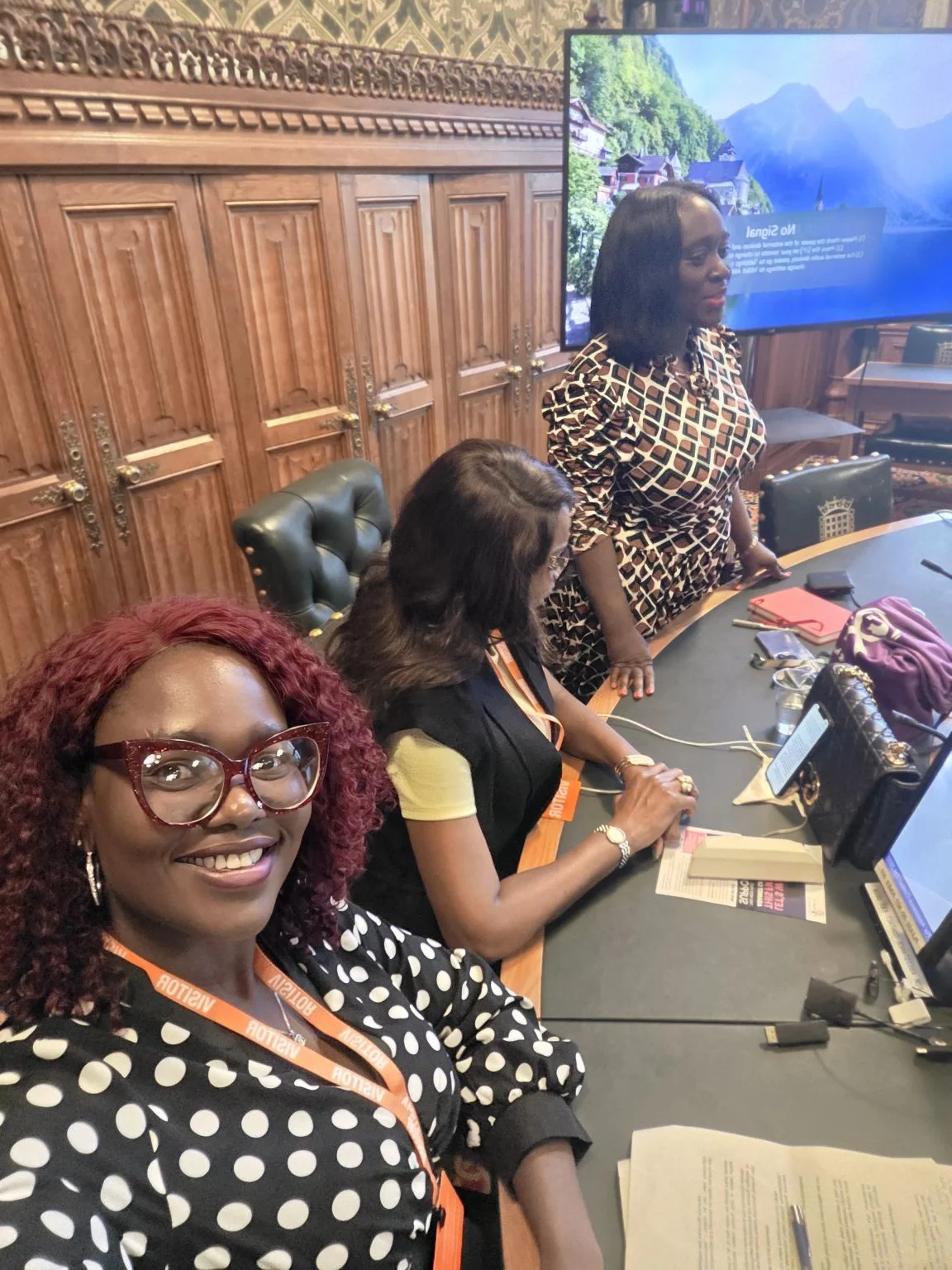
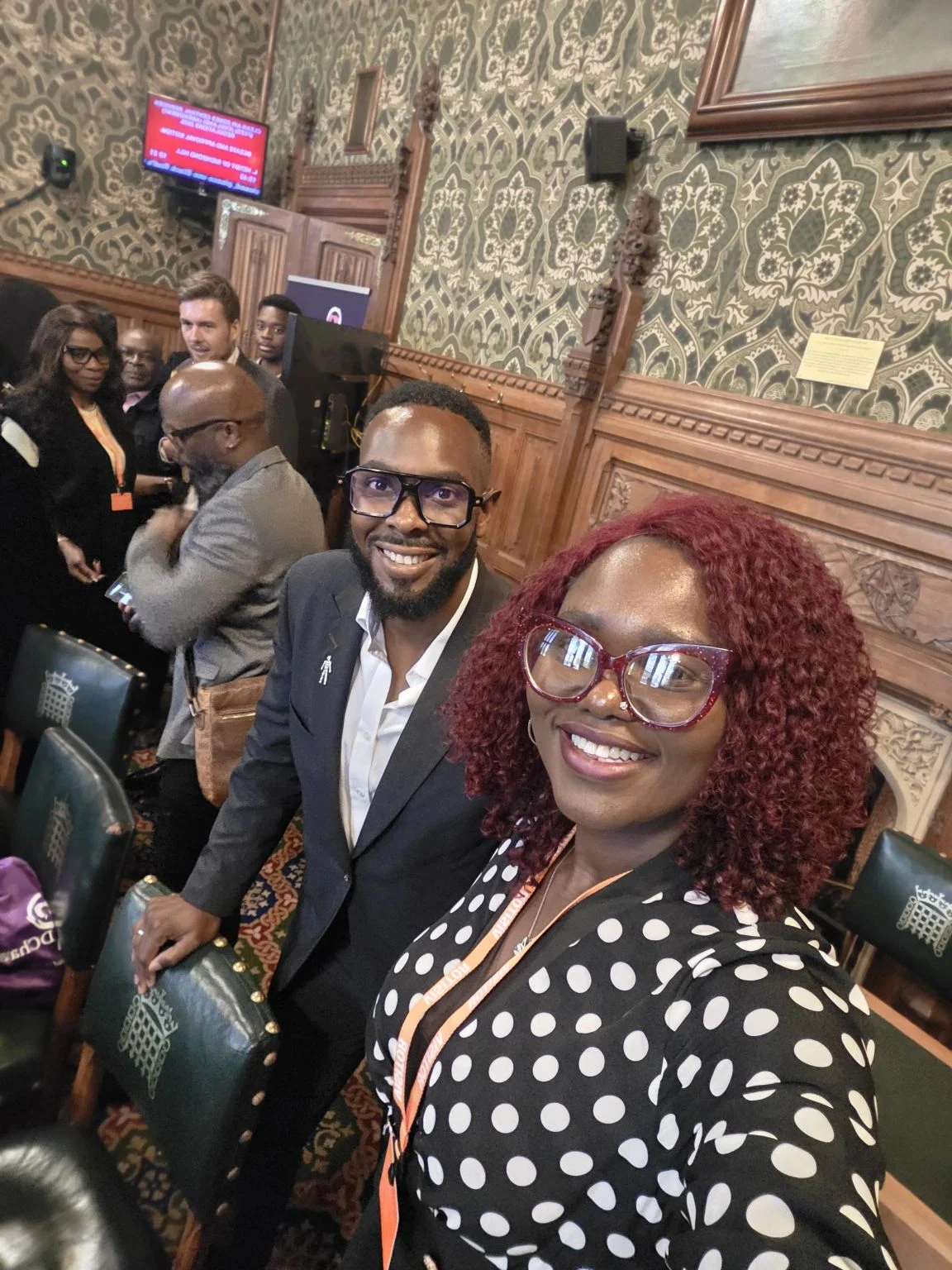
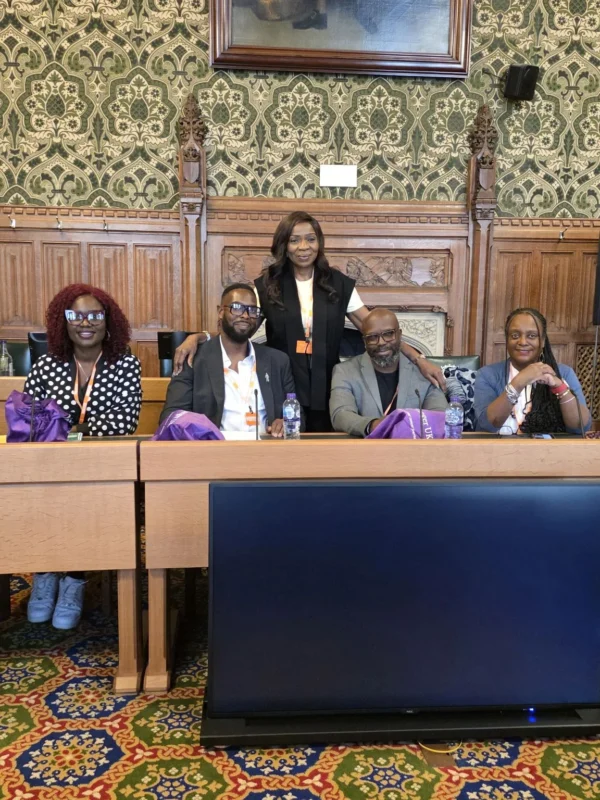
“On Tuesday, I was invited as an expert on a roundtable at the House of Commons on cancer inequalities in Black Communities hosted by Abena Oppong-Asare MP and organised by Olayinka Sowemimo-Coker of DChanger Charity.
We spoke about trust, awareness, access and early diagnosis.
However, it wasn’t the statistics that has kept me awake. It was one woman’s story.
She moved house shortly before turning 50.
She registered with a new GP and was told she was eligible for breast screening. So she did exactly what we encourage people to do.
She contacted the breast screening service. She was told the screening round for her area had already passed. There was nothing they could do.
She explained she was willing to travel.
No.
She tried again.
No.
Today, she is approaching 53 years old.
She has still not had her first screening appointment. The more I reflected on her story, the more I realised this is not a story about a woman who failed to engage with healthcare.
This is a story about a woman who did everything right.
She registered with a GP. She understood she was eligible. She sought screening. She followed up. Twice.
Yet she is still waiting.
As an oncologist, this has left me quite uncomfortable because I often hear discussions about why people present late.
- Why don’t people attend screening?
- Why don’t they come forward sooner?
- Why don’t they engage?
But perhaps we should also ask another question.
What happens when people do engage?
Because cancer inequalities are not always created by a lack of awareness. Sometimes they are created by what happens after awareness.
Stories like this shape trust.
Not just for one person, but for families, friends and entire communities. We need services that respond when people reach out. We need pathways that are flexible enough to accommodate real lives. We need sustained funding for grassroots organisations that spend years building trust in communities, only to be funded in short cycles that rarely match the scale of the challenge.
This woman should have been rewarded for being proactive. Instead, she is still waiting.
Our breast screening program in the UK is really in need for a reform. We need to do better. There is so much advocacy one can do when the system is unyielding.
If we truly want to reduce cancer inequalities, we need to stop asking only why people do not engage with healthcare. We must also ask whether healthcare is ready when they do.
So grateful to be joined by fellow advocates Paul Campbell, Keith Morgan and Janet Clarke.”
Other articles featuring Olubukola Ayodele on OncoDaily.