






Olena Postupalenko, Oncogynecologist at Kyiv City Clinical Oncology Centre and ESO ambassador in Ukraine, shared a post on LinkedIn:
“Real-world evidence (RWE) is a valuable tool in oncology research, which perfectly complements classical RCTs. For example, the results of treatment outside the ideal protocols in older patients, with comorbidities, after multiple lines of therapy, in centers with different levels of access to technology and different levels of specialist qualifications. Thus, RWE is a more honest cross-section of clinical practice.
For example, how was ovarian cancer treated in 2018-2019?
- PDS 50.7% vs IDS 49.3%.
- Every third center has >20 advanced ovarian cancer surgeries (69.5% of all cases).
- R0 – 74% (more than in trust!) – of which 53% without complications.
- HIPEC – despite long discussions, there is no significant demand – used in 6.5%.
- Postoperative complications 28.0% – reduce survival by 20 months.
- In the first line bevacizumab 25.8%, PARPi 11.6%.
- PFS after 1 year – 53.8%, after 3 years – 24.9%.
Overall survival (without propensity score matching) – 71 months for PDS vs. 55 months for IDS.
This corresponds to a 32% increase in the risk of death among patients receiving neoadjuvant (they were more often older, with poorer performance status and more extensive disease). After propensity score matching, the best PFS/OS after:
- IDS for Asians
- PDS for other ethnic groups
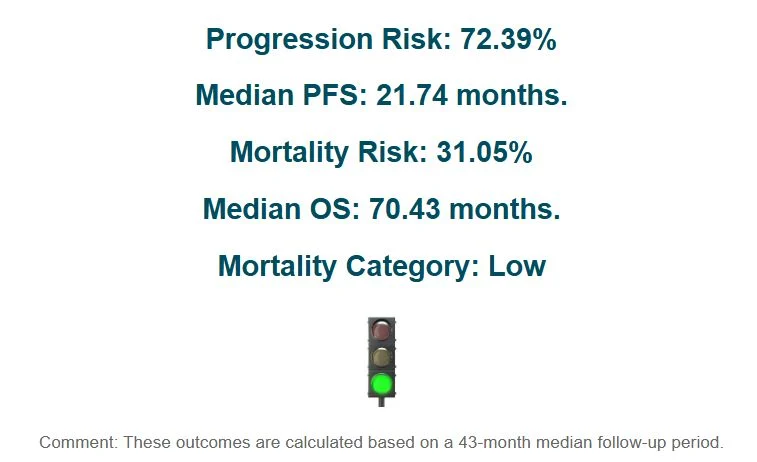
These are data from the SUROVA study, where it takes an average of 47.5 minutes to enter one case, and the diligent scientists entered as many as 3286 of them (174 centers, 55 countries). An online calculator developed based on these data is available at the link: SUROVA Risk Calculator for ovarian cancer v. 1.0. (Beta).”
Other articles featuring Olena Postupalenko on OncoDaily.