Neil Ranasinghe, Oncology Patient Advocate, Volunteer for the International Society of Paediatric Oncology (SIOP), and Chair of the Patient Advisory Board for Cancer Research, Clinical Trials Unit (CRCTU), Birmingham, England.
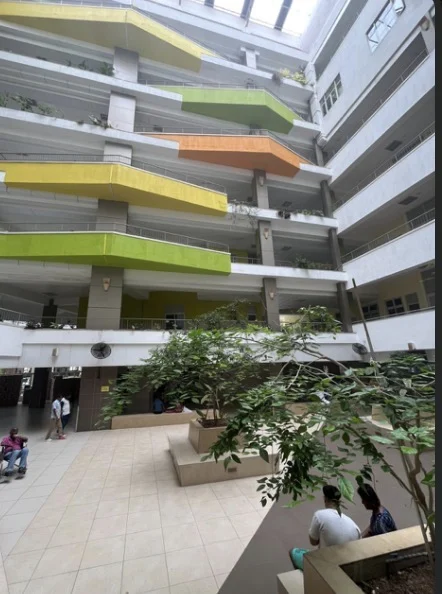
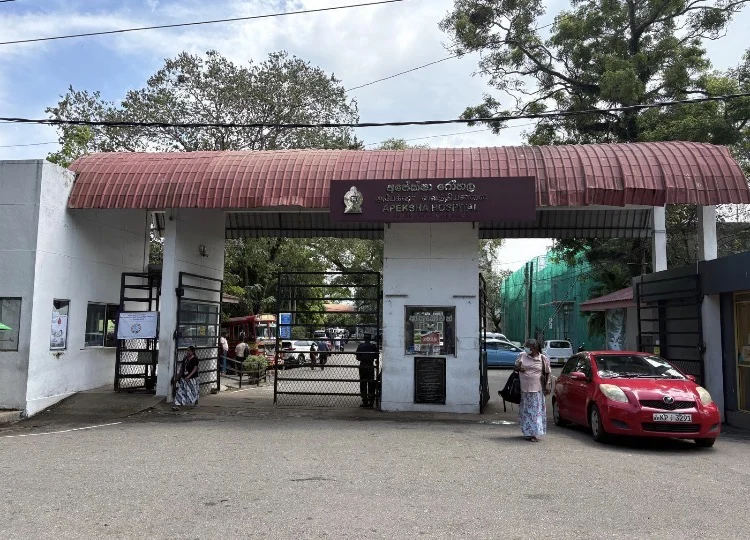
I recently heard about a newly established partnership between Apeksha Hospital in Colombo (National Cancer Institute Sri Lanka), The Sri Lanka College of Oncologists, Addenbrooke’s Hospital, Cambridge, and Cambridge Global Health Partnerships (CGHP). I have been volunteering in global health and also patient advocacy in the UK for nearly twenty years. I have been looking for opportunities to get involved in Sri Lanka for a long time, and now I have found one, and I am looking forward to getting stuck in and helping children with cancer and their parents.
I have heard from many people that creating a meaningful partnership between institutions in high income and low- and middle-income countries is very hard, and then to maintain it requires a lot of time and effort from both sides. I had a meeting with the Cambridge Global Health Partnerships team and there was so much I heard that was exciting, inspiring and reassuring. One big takeaway was that the partnership is focussing on what the parents of patients in Colombo have said they need, the partnership isn’t based on what clinicians (and me) are telling the team in Colombo what they need. When I first heard about this type of international partnership a few years ago I was surprised to hear that not only does it benefit patients and their families, but the workforce in both locations.
Working very closely with the National Cancer Institute and local clinicians, a few focus areas have been identified to start working on:
- Improving parents’ and carers’ understanding of childhood cancer and its treatment (particularly side effects and what to expect)
- Strengthening and supporting the healthcare workforce at the National Cancer Institute of Sri Lanka
- Strengthening and standardising diagnostic and treatment pathways
Despite a memorandum of understanding only being signed in October 2025, a lot of work has been done already with regard to parent/carer information. They have completed a pilot project (survey) in Sri Lanka, and the data is currently being analysed by an MPhil student in Cambridge. Based on the findings, they hope to develop educational resources (such as leaflets and videos as well as parent support groups) in Sinhala, Tamil, and English. A needs assessment has also been carried out. Two senior medical students from the University of Cambridge will make a visit to Colombo on their elective this summer, with plans to start drafting educational resources with the local team while they are there. They are also hoping to help the Sri Lankan team with streamlining the data abstraction processes and analysis of their demographic, treatment and outcomes data, to better determine the patient profile of the hospital (they estimate >800 new patients per year). This will be a starting point to see which cancers would have the most impact to start working on standardising treatment pathways.
At this early stage of this partnership, I thought it would be good to introduce some of the key people and hear what they have to say:
Upeka Senanayake
Paediatric oncology subspeciality (GRID) senior postgraduate trainee at Cambridge, and CGHP East of England Global Health Fellow.
1. How are you involved with the partnership?
I initiated a partnership between the paediatric oncology team in Cambridge and the National Cancer Institute of Sri Lanka. I am actively involved in coordinating ongoing work and engaging with key stakeholders.
2. What are you most inspired about this partnership?
The inspiration for this project came from the impactful work of the Uganda Cancer Institute and the partnership with Cambridge based clinicians, supported by Cambridge Global Health Partnerships. Observing their success motivated me to establish a similar collaborative initiative between paediatric oncology teams in Sri Lanka and Cambridge, with the aim of improving care and support for children with cancer and their families.
3. How do you plan to overcome the usual challenges organisations face when involved in an international partnership?
Mutual understanding, respect for each other’s ideas and trust are key to overcoming challenges in international partnerships. While language and cultural differences can be barriers, I can support the Cambridge team by promoting cultural understanding and translating between Sinhala and English to ensure clear communication among all partners.
Sanjeeva Gunasekera
Paediatric Oncologist, National Cancer Institute Sri Lanka.
1. How are you involved with the partnership?
The partnership will directly benefit the patients under our care and therefore we will be the conduit between the Cambridge team and the patients and their families. This would entail contextualising findings, vetting interventions and collaborating on adapting available resources to suit local needs.
2. What are you most inspired about this partnership?
The Paediatric Department has established collaborations with several international partners. Nevertheless, the proposed project targets an unmet need that is not currently addressed by existing partnerships. It is designed to integrate seamlessly with ongoing interventions, strengthening their impact and generating additional value through complementary activities.
3. How do you plan to overcome the usual challenges organisations face when involved in
an international partnership?
I think the key for any partnership to work is patience from all parties involved. Often these partnerships can get stalled by administrative, regulatory, financial obstacles and further made worse by the heavy working load of the local teams. We are fortunate that we are partnering with an organization and individuals who have worked in similar settings before and very well versed with ground realities. Therefore, we are confident that all such barriers can be overcome with time and succeed in our shared goal of improving survival and minimizing suffering of children with cancers and their families.
Gemma Barnard
Consultant Paediatric Oncologist and Lead for Bone Marrow Transplantation at Cambridge University Hospitals NHS Foundation Trust.
1. How are you involved with the partnership?
I am the UK lead for the Colombo Cambridge health partnership. I have been involved with global health work in the childhood cancer space for the last 5 years, with longstanding partnerships between UK and both Kampala, Uganda as well as Yangon, Myanmar supported by Cambridge Global Health Partnerships and World Child Cancer respectively.
2. What are you most inspired about this partnership?
Upeka approached me as a senior paediatric oncology trainee to ask the question about how she could give back to her own community, after seeing the work I was involved with in Uganda. When we visited the Colombo team last year, it really struck me how kind, generous and thoughtful the people of Sri Lanka are. While the majority of the population are low-income in comparison with the UK, many of the ongoing projects in Sri Lanka are funded by generous financial donations from the wider community (including diaspora). The team at Apeksha Hospital are understaffed and over-worked, often working incredibly long shifts with very little break or rest time. Yet, the staff are always upbeat, positive and enthusiastic about caring for these very sick children. I loved working with the team there, and believe that they are genuinely motivated to try and improve both their survival outcomes but also the experience of the patients and families they care for.
3. How do you plan to overcome the usual challenges organisations face when involved in an international partnership?
Many of the challenges faced by international partnerships are to do with communication, organisation and lack of time. Based on my previous experience with other partnerships, we have strategies in place which include regularly scheduled meetings and good minute- taking in order to overcome these challenges. It’s important to note however that some challenges cannot be overcome without spending time with each other in person to understand the various challenges that different environments and healthcare systems can face. It also becomes incredibly important to include a multidisciplinary team, as people often feel most comfortable speaking with someone in the same role and same place in the team as them. We plan to continue to bring registrars, students, nurses and any other MDT members with us that the team in Colombo feel would be helpful in order to progress the project, and keep our aims in line with the WHO global focus on childhood cancer targets.
Evelyn Brealey
Director, Cambridge Global Health Partnerships.
1. How are you involved with the partnership?
CGHP is a charitable organisation dedicated to improving healthcare outcomes for all. We act as a convener and catalyst for equitable, collaborative health partnerships between health institutions in Cambridge and the East of England and those in low- and middle- income countries – bringing together specialist expertise, supporting shared learning and enabling sustainable change. Building on the strong relationships already established by partnership team members and drawing on our experience facilitating a paediatric cancer partnership between Cambridge and Uganda, we are thrilled to be bringing together a multidisciplinary team of experts from Cambridge University Hospitals and the National Cancer Institute (NCI) in Sri Lanka to strengthen care for children with cancer. Our focus is to shape a partnership that is safe, effective and ethical, underpinned by collaboration, reciprocal learning and long-term impact.
2. What are you most inspired about this partnership?
The unmet need and the opportunity to have a genuine reciprocal partnership has been truly inspiring. Through this partnership, our aim is to improve care for the over 800 children that are treated at NCI each year through consistent protocol-based care, improved multidisciplinary decision-making and better coordinated treatment pathways. Another inspiring aspect of the partnership is the impact it will have on parents and caregivers, enabling them to support their child more confidently throughout the treatment journey. This is an area that UK will also learn so much from and we are looking forward to bringing some of the best practices and learnings from the partnership into the NHS.
3. How do you plan to overcome the usual challenges organisations face when involved in an international partnership?
Our approach is guided by the Principles of Partnership, with a strong emphasis on co- creating solutions with our partners and enabling genuine, reciprocal learning. We believe that overcoming challenges—such as ensuring the long-term sustainability of improvements in healthcare practice and patient outcomes—begins with jointly defining clear, achievable goals that are aligned with local health system priorities. In an increasingly challenging funding landscape, the health partnership approach is more important than ever, as it offers excellent value and excellent returns on small investments that build co-developed solutions which deliver long-term impact.
Cambridge Global Health Partnerships
Cambridge Global Health Partnerships (CGHP) is a hub and leader for global health in the East of England. CGHP aims to improve healthcare for all, by connecting individuals and teams across the world to share knowledge, skills, resources and experiences to address some of the biggest health challenges of our time.
Read more about the great work Cambridge Global Health Partnerships is doing here (downloads 2025 In Focus PDF) and here.
National Cancer Institute
National Cancer Institute (NCI) is the leading hospital under the Ministry of Health dedicated to the diagnosis and follow-up treatment of cancer patients. The NCI offers both the diagnostic facilities necessary for the identification of all types of cancer, and specialised care in surgery, chemotherapy and radiotherapy. Approximately 800 children are diagnosed with cancer each year in Sri Lankan and all these children are under the care of National Care Institute – Apeksha Hospital.
Read more about the great work the National Cancer Institute is doing here.
Look out for more articles on this exciting partnership.
Other articles featuring Neil Ranasinghe on OncoDaily.