Muna Al-Khaifi, GP Oncologist at Mount Sinai Hospital (Toronto), Sinai Health, shared on LinkedIn:
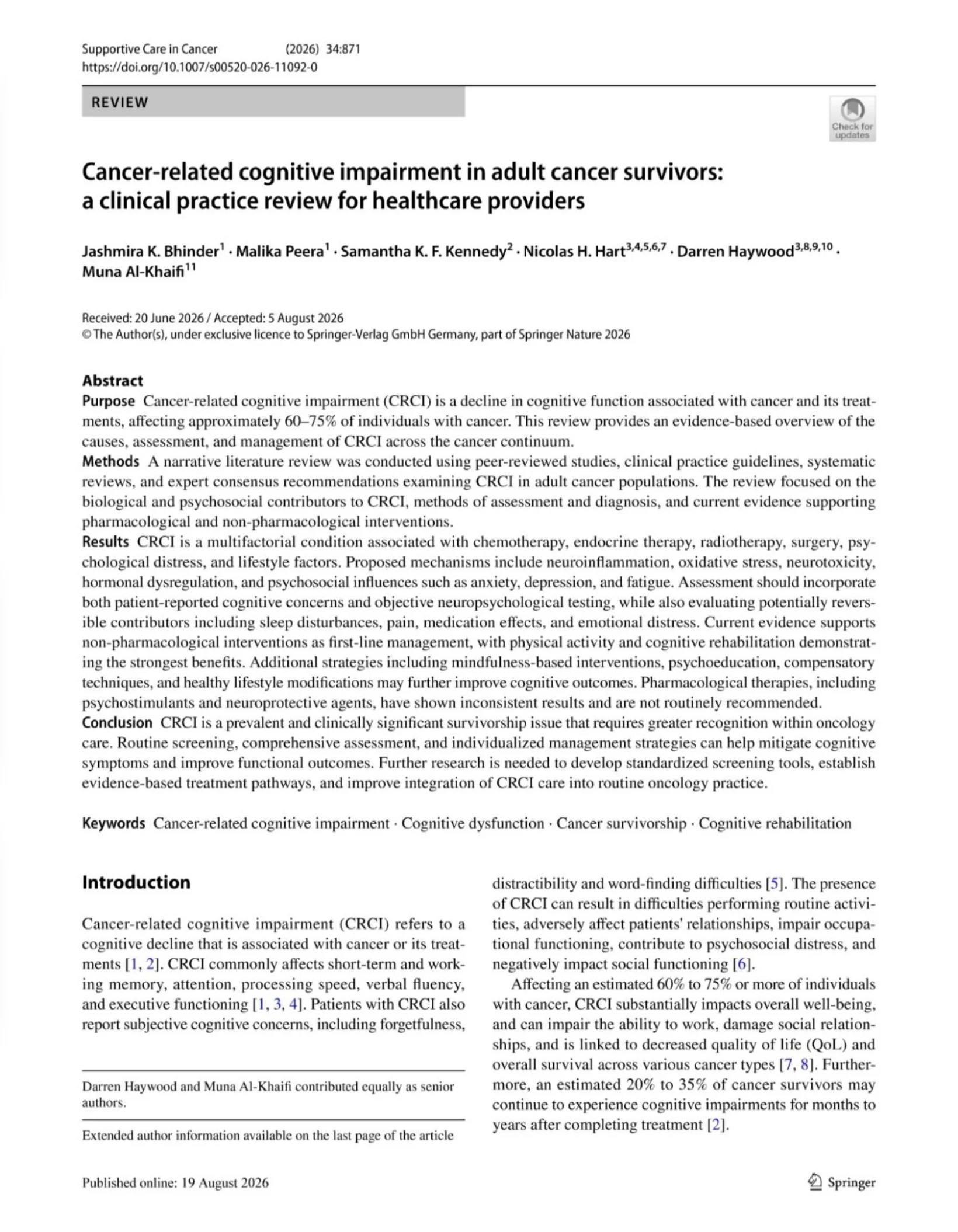
”I’m very pleased to lead this paper on cancer-related cognitive impairment (CRCI) recently published in The Multinational Association of Supportive Care in Cancer (MASCC) Journal.
‘Cancer-related cognitive impairment in adult cancer survivors: a clinical practice review for healthcare providers.’
This topic is particularly meaningful to me because cognitive changes are among the most common concerns I hear from patients in my survivorship clinic. Survivors often describe difficulty finding words, forgetfulness, reduced concentration, slower thinking, or simply feeling that their brain is ‘not the same’ after cancer treatment.
And the evidence confirms how common this experience is.
Cancer-related cognitive impairment affects approximately 60–75% of individuals with cancer, and an estimated 20–35% may continue to experience cognitive difficulties months to years after completing treatment.
Importantly, CRCI is not simply ‘chemo brain.’ It is multifactorial and may be associated with chemotherapy, endocrine therapy, radiotherapy and surgery, as well as fatigue, sleep disturbance, psychological distress, pain, medications and lifestyle factors.
Our review highlights several practical messages for clinicians:
- Listen to the patient. Subjective cognitive concerns are important and may be present even when formal testing is within normal limits.
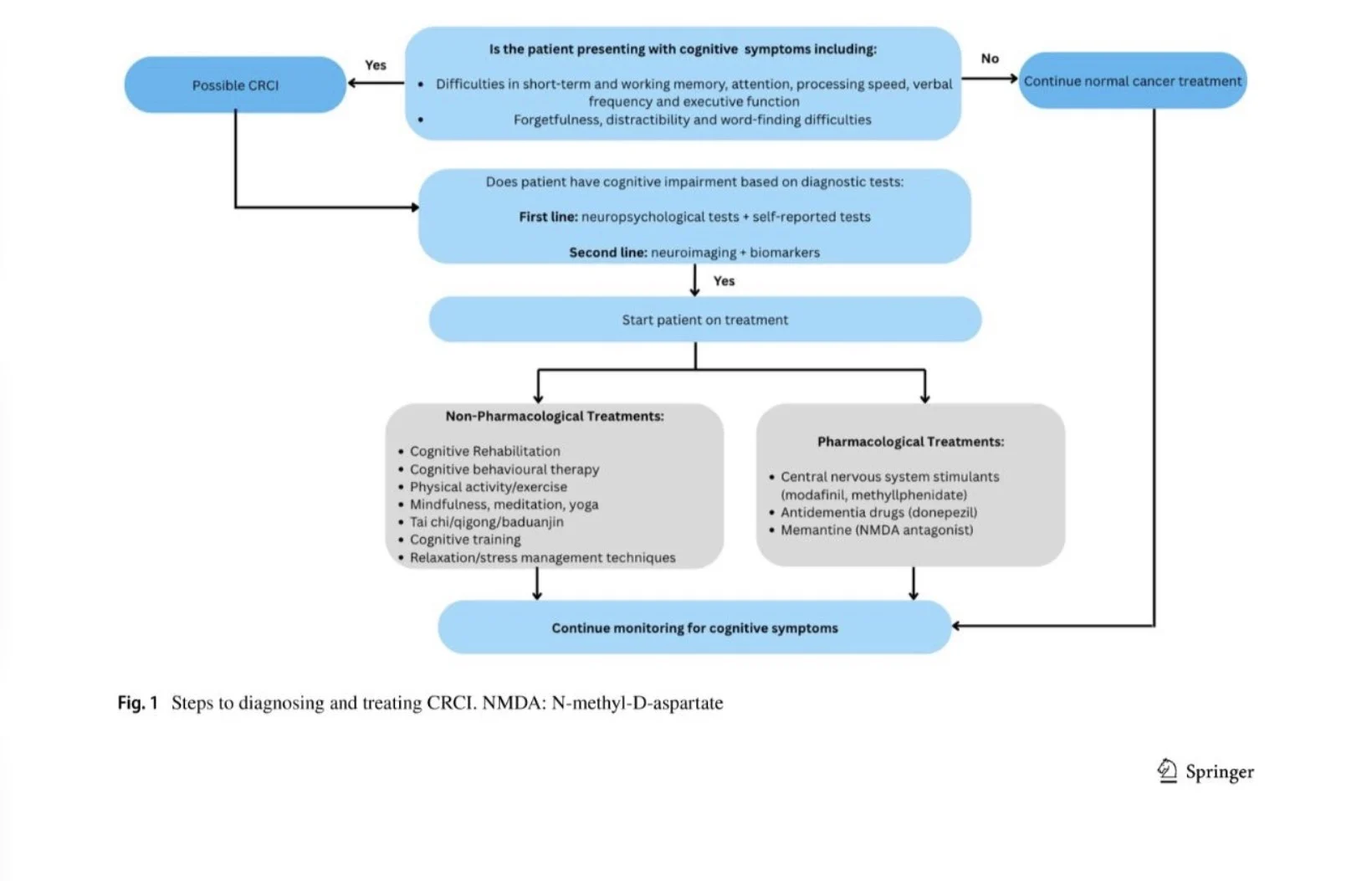
- Look for potentially reversible contributors, including sleep disturbance, fatigue, pain, anxiety/depression and medication effects.
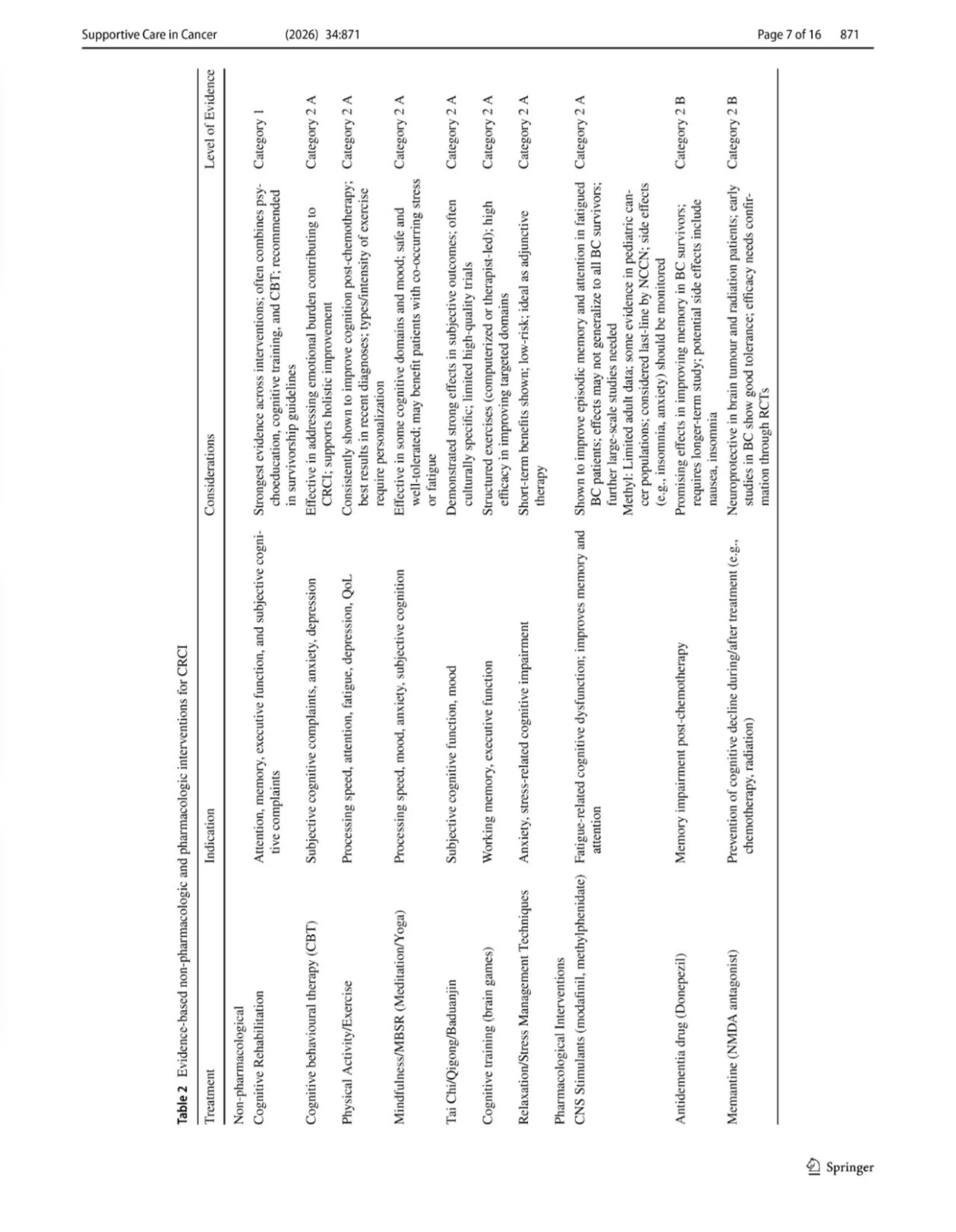
- Non-pharmacological interventions remain first-line. Physical activity/exercise and cognitive rehabilitation currently have the strongest evidence, with additional roles for cognitive behavioural approaches, mindfulness, stress management and practical compensatory strategies.
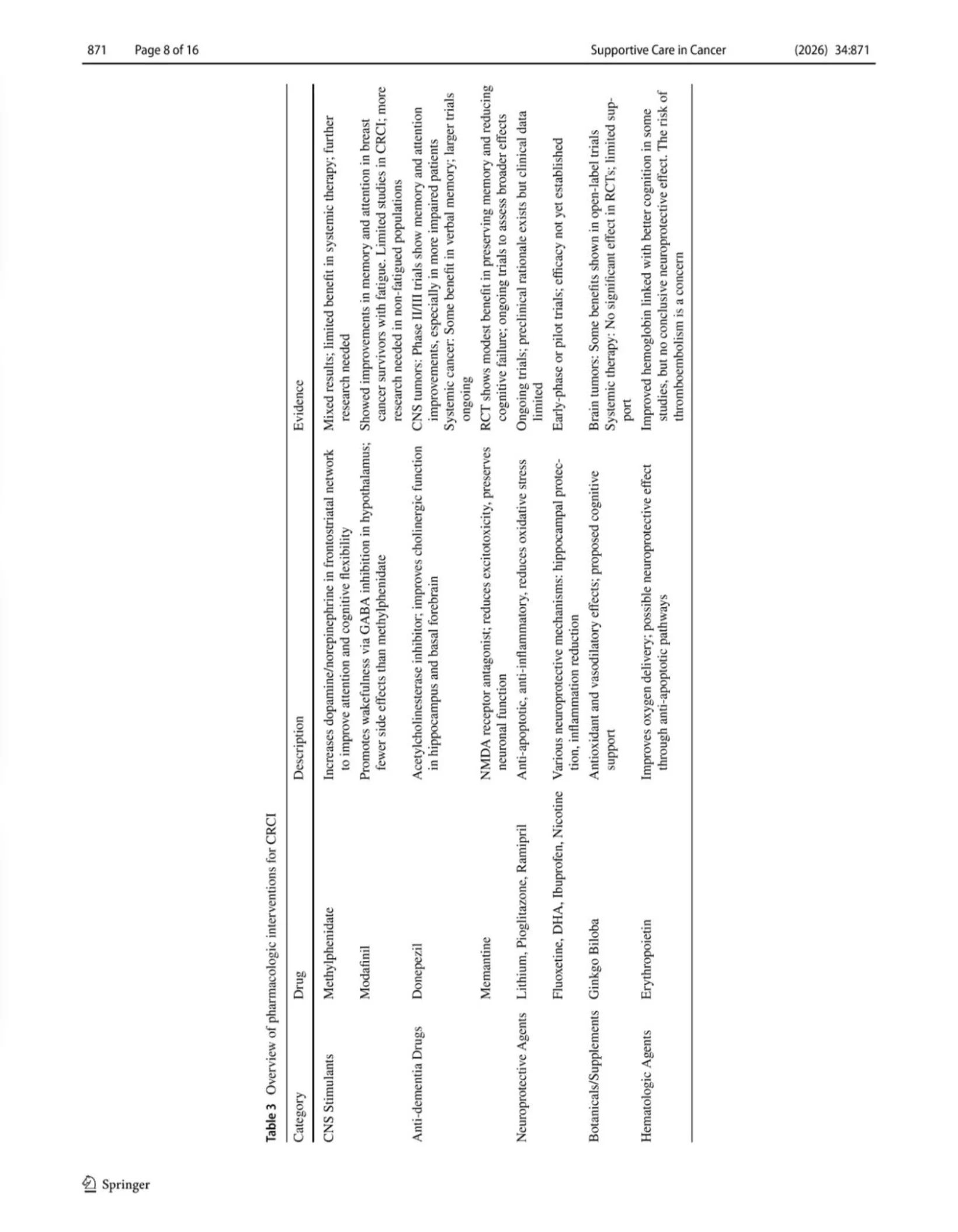
- Pharmacological approaches have been studied, but evidence remains inconsistent and they are not routinely recommended.
For me, the clinical message is simple: when a cancer survivor tells us that their memory, concentration or thinking has changed, we should not dismiss it as an inevitable consequence of treatment.
We need to ask about cognitive health, recognize its impact, assess contributing factors, and provide evidence-based support as part of routine survivorship care.
Grateful to my co-authors Jashmira K. Bhinder, Malika Peera, Samantha K. F. Kennedy, Nicolas H. Hart and Darren Haywood for their contributions to this work.”
Title: Cancer-related cognitive impairment in adult cancer survivors: a clinical practice review for healthcare providers
Authors: Jashmira K. Bhinder, Malika Peera, Samantha K. F. Kennedy, Nicolas H. Hart, Darren Haywood, Muna Al-Khaifi
Other articles featuring Muna Al-Khaifi on OncoDaily.