





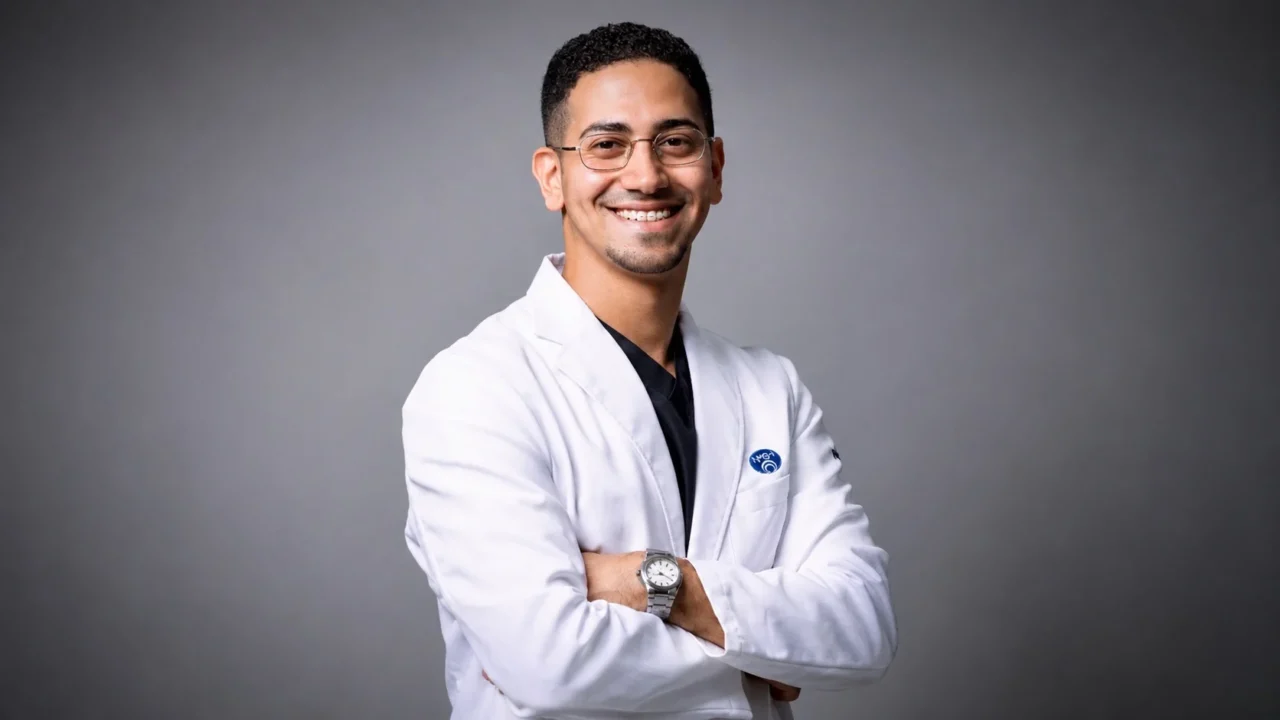
Mohamed Abdelhakim, Visiting Professor – Molecular Medicine and Therapy at Tohoku University, shared on LinkedIn:
“Cancer. Aging. Longevity.
For decades,oncology, aging biology, and longevity medicine were often discussed separately. Today, science is revealing that they may be deeply connected through shared biological mechanisms — including inflammation, cellular senescence, fibrosis, and tissue repair.
One emerging molecular target at this intersection is **PAI-1**.
In this feature, Dr. Abdelhakim, affiliated with the Department of Molecular Medicine and Therapy at Tohoku University, Japan, shares insights into his recent work on **PAI-1–targeted small-molecule research** and its relevance to cancer biology, aging, and healthspan science.
The work is connected to the Tohoku University-led **TM5614** program, a PAI-1 inhibitor approach selected among the **XPRIZE Healthspan Top 40** teams — highlighting Japan’s growing role in shaping the future of translational longevity and regenerative medicine.
As cancer care continues to evolve beyond survival alone, the next frontier may include not only treating disease, but preserving function, resilience, and quality of life across aging.
Could oncology become one of the gateways to the future of healthy longevity?”
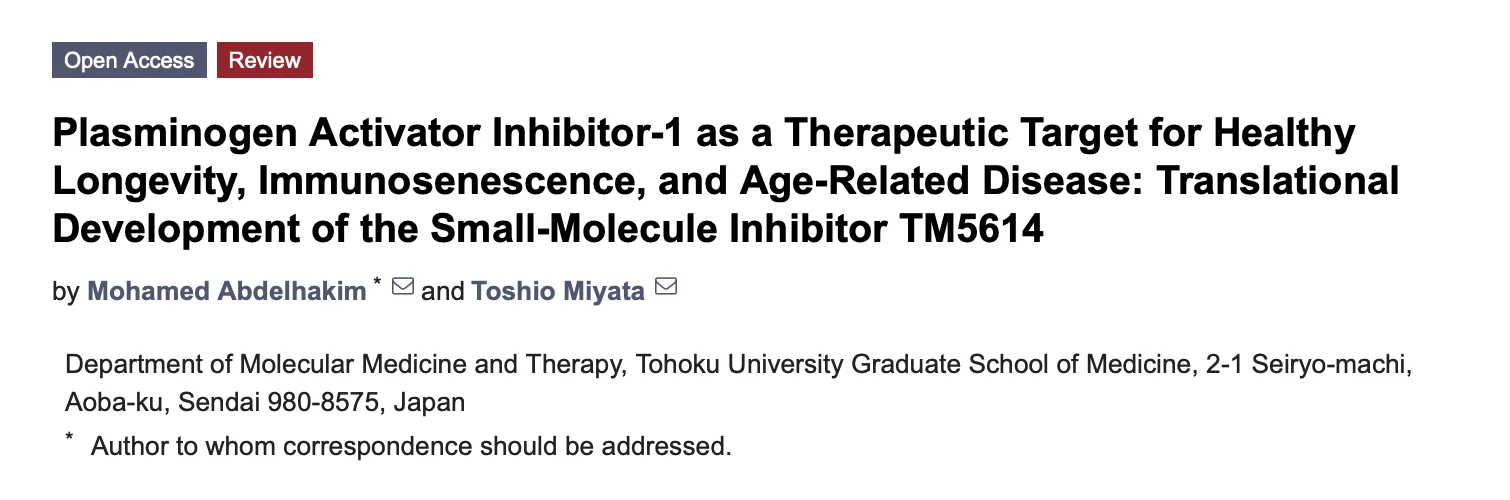
Title: Plasminogen Activator Inhibitor-1 as a Therapeutic Target for Healthy Longevity, Immunosenescence, and Age-Related Disease: Translational Development of the Small-Molecule Inhibitor TM5614
Authors: Mohamed Abdelhakim, Toshio Miyata
Read the Full Article on Cells
More posts about Cancer Research.