Miriam Mutebi, Breast Surgical Oncologist, shared on LinkedIn:
“For many women in our settings, mastectomy remains the primary surgical treatment for breast cancer. But how often do we think about what comes after?
Breast surgery carries profound psychological and emotional consequences for body image, femininity, sexuality and self-perception.
Women have different preferences. Some choose to go flat; others would prefer reconstruction but cannot afford it. Still others opt for external prostheses. The important thing is not which option a woman chooses, but whether she has the information, support and resources to make that choice meaningfully.
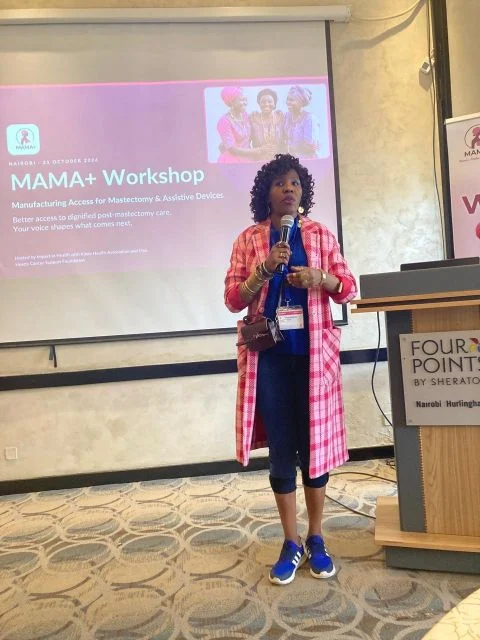
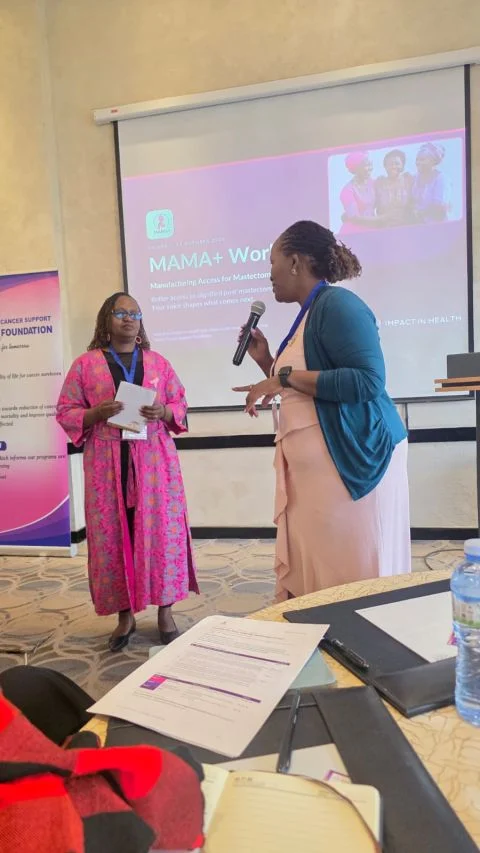
On Saturday, I joined the MAMA+ workshop, an initiative conceived by Dr. Mary Wambui Moehlmann of Impact in Health, which I’ve been glad to support.
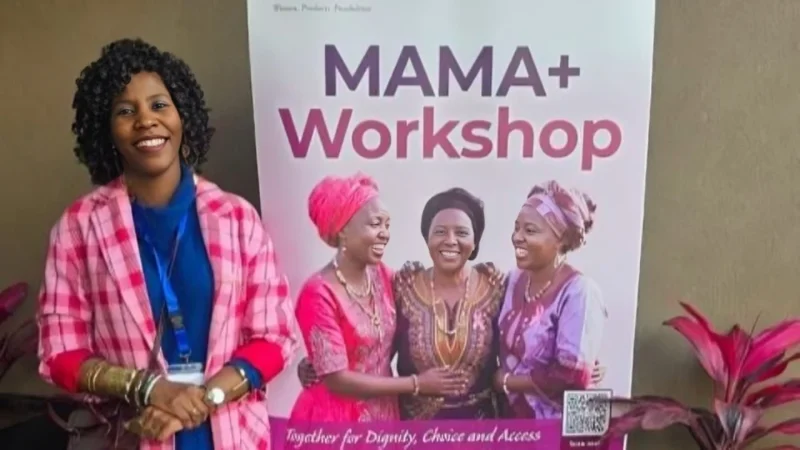
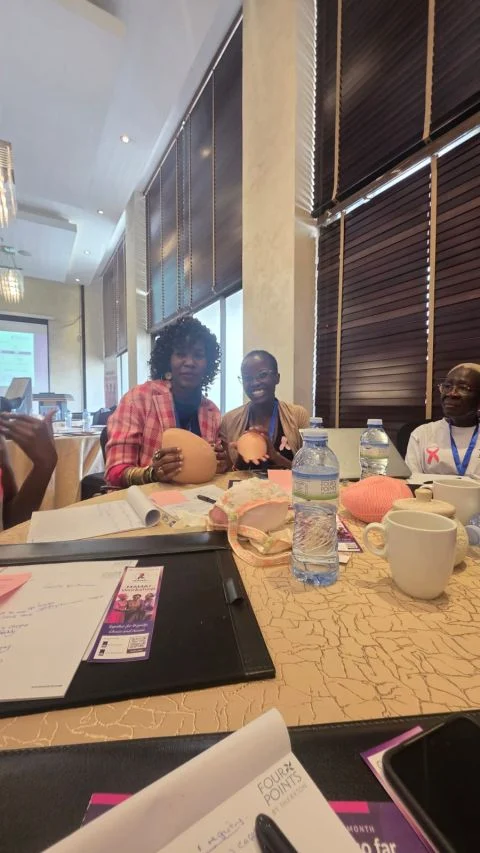
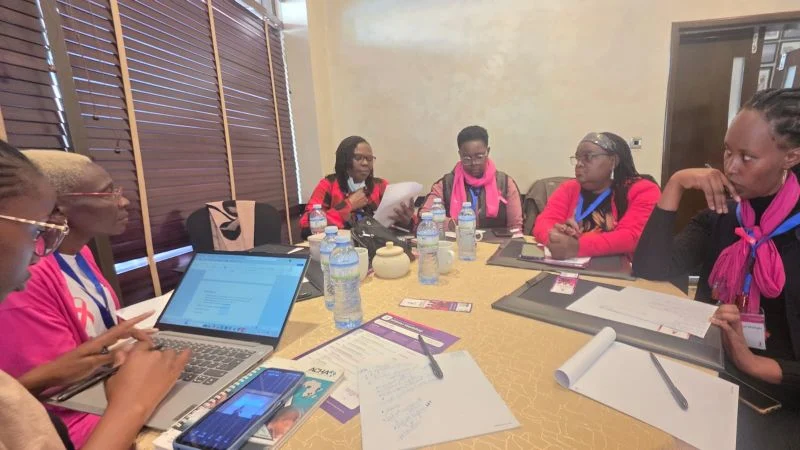
We brought together women with lived experience, clinicians, policymakers, regulators and local innovators to ask a practical question: what would it take to improve access to affordable, locally appropriate post-mastectomy products for women in Africa?
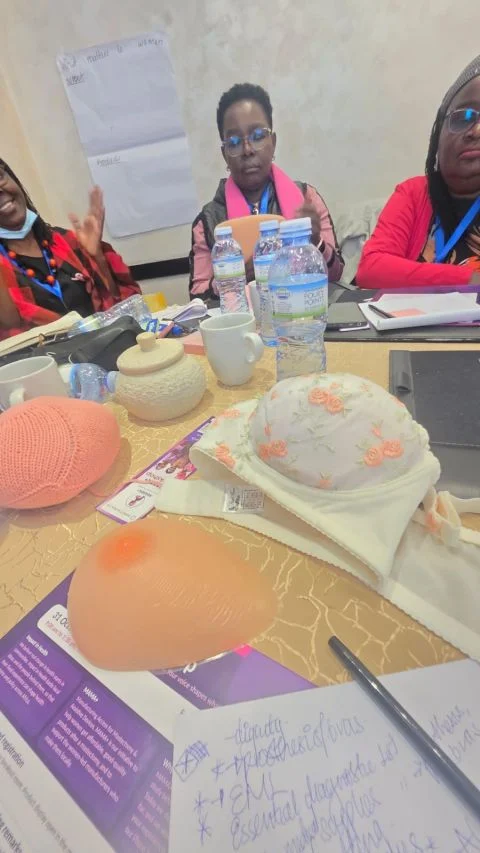
The conversations were frank and grounding. Women described life after treatment in concrete terms: navigating body image and intimacy, improvising with padding in their bras, the discomfort of airport security checks.
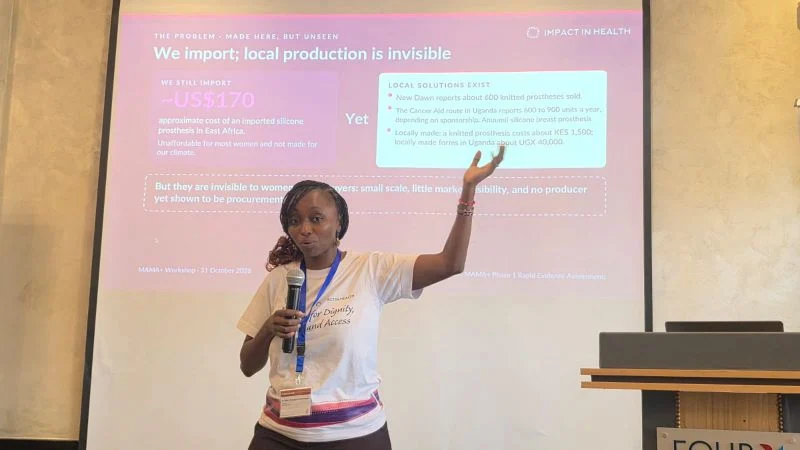
Imported breast prostheses can cost USD 150–300, beyond reach for most. Even when available, conventional silicone products can be heavy, poorly suited to our climate, and ill-fitted to African women’s bodies. Yet local innovations exist: knitted breast forms and locally developed silicone alternatives.
Through MAMA+, we are exploring how to support these makers while building the clinical, community, financing and procurement pathways needed to make their products accessible and sustainable.
Because access to a product and a genuine choice are not the same thing.
Grateful to Mary, Impact in Health, KILELE Health, Pink Hearts Cancer Support Foundation and every partner who contributed.
Most importantly, to the women who shared their experiences and challenged us to think beyond the operation itself, thank you.
Our responsibility to women does not end at the operating theatre door.”
You can also read:
What Patients Should Know About Mastectomy – The Breast Cancer Research Foundation