Miriam Mutebi, Consultant Breast Surgical Oncologist, Immediate Past President of AORTIC- Africa, shared on LinkedIn:
“A journal once declined our research on breast cancer outcomes in young African women.
The reason given was ‘limited global applicability’, due to its singular African focus.
I read that phrase several times. It raised a question I often come back to:
When is regional context seen as strength, and when is it seen as constraint? And does the answer depend on which region we are talking about?
We chose not to dilute the research and instead submitted to African journals. Clinicians immediately recognised their patient populations in our data. What followed were policy conversations with the research finding its way into rooms where it could actually influence practice.
That experience shaped how I think about legacy.
A prestigious platform means little if the work never reaches the people it was designed to serve.
Around the same time, a conference asked me to soften a discussion on medication pricing to preserve a relationship with a pharmaceutical sponsor. I declined. Each compromise quietly recalibrates your tolerance for the next one. Then there was a patient in her seventies, facing advanced disease with a limited prognosis.
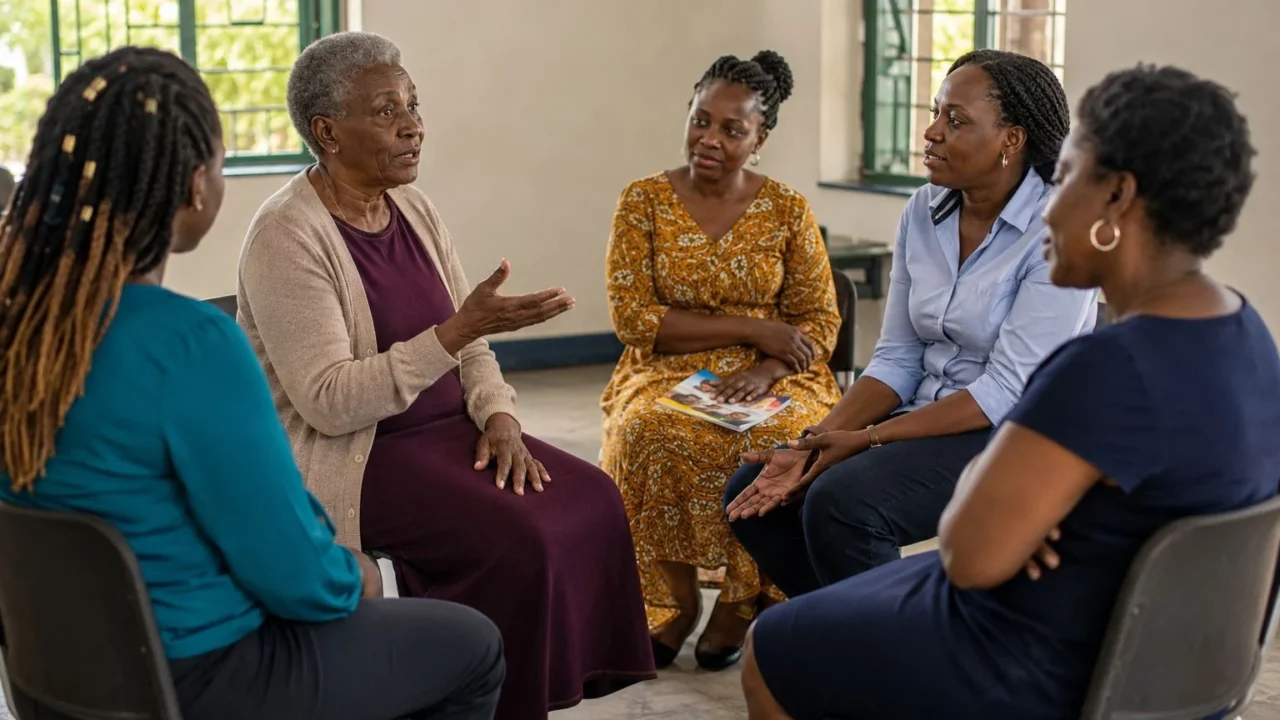
Rather than turn inward, she redirected her final months toward educating her community. She wanted her granddaughters’ generation to encounter cancer differently from how she had. While her physical strength diminished, her influence grew.
She never lived to see the full ripple of what she’d started, but the programme she helped shape identified early-stage cancers in dozens of women who might otherwise never have known.
Her contribution moved beyond survival statistics and into structural change.
This is the legacy work I pursue. It is unglamorous, incremental, and frequently unnoticed. But over time it reshapes systems in ways that outlast us all.”
You can also read:
100 Influential Women in Oncology in 2026: Key Opinion Leaders in Social Media and Beyond