Miriam Mutebi, Breast Surgical Oncologist, shared on LinkedIn:
“Early in my career, I made myself smaller in ways that had nothing to do with physical space.
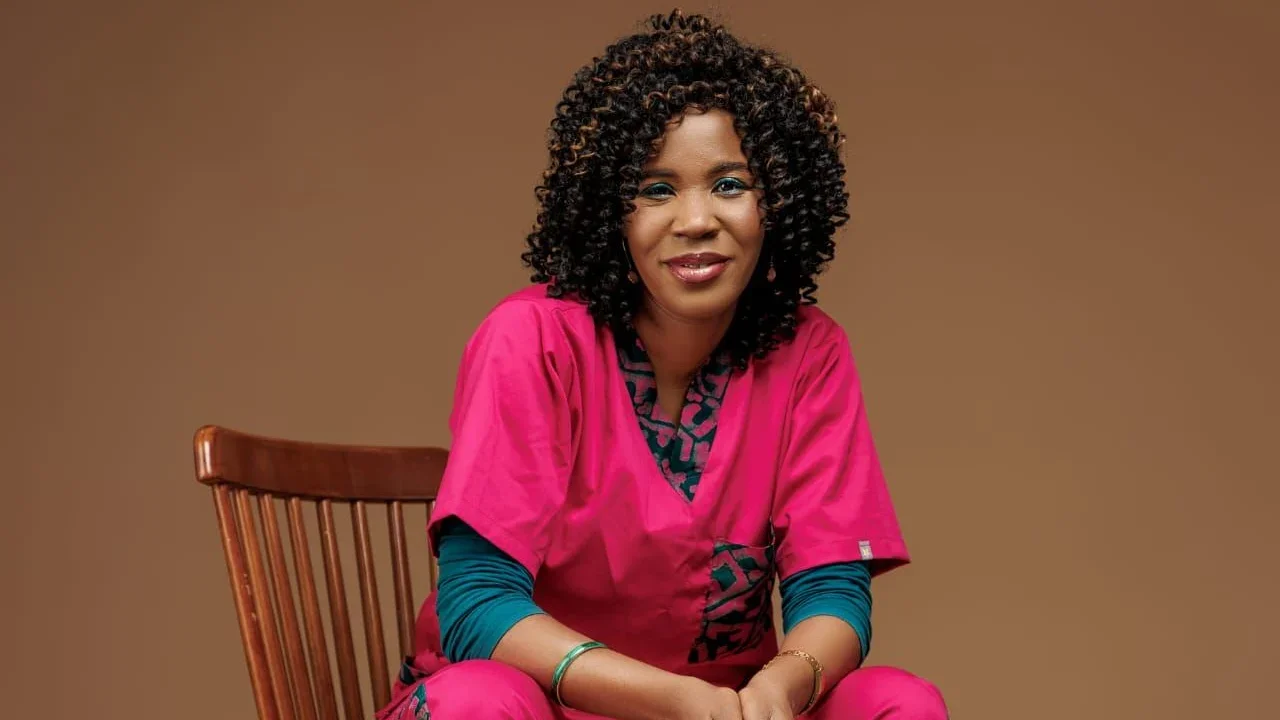
I sometimes think back to those days, where the unspoken rule was oversized scrubs, minimal jewellery, hairstyles chosen for invisibility and every decision filtered through one question:
Will this make it easier for people to accept that I belong here?
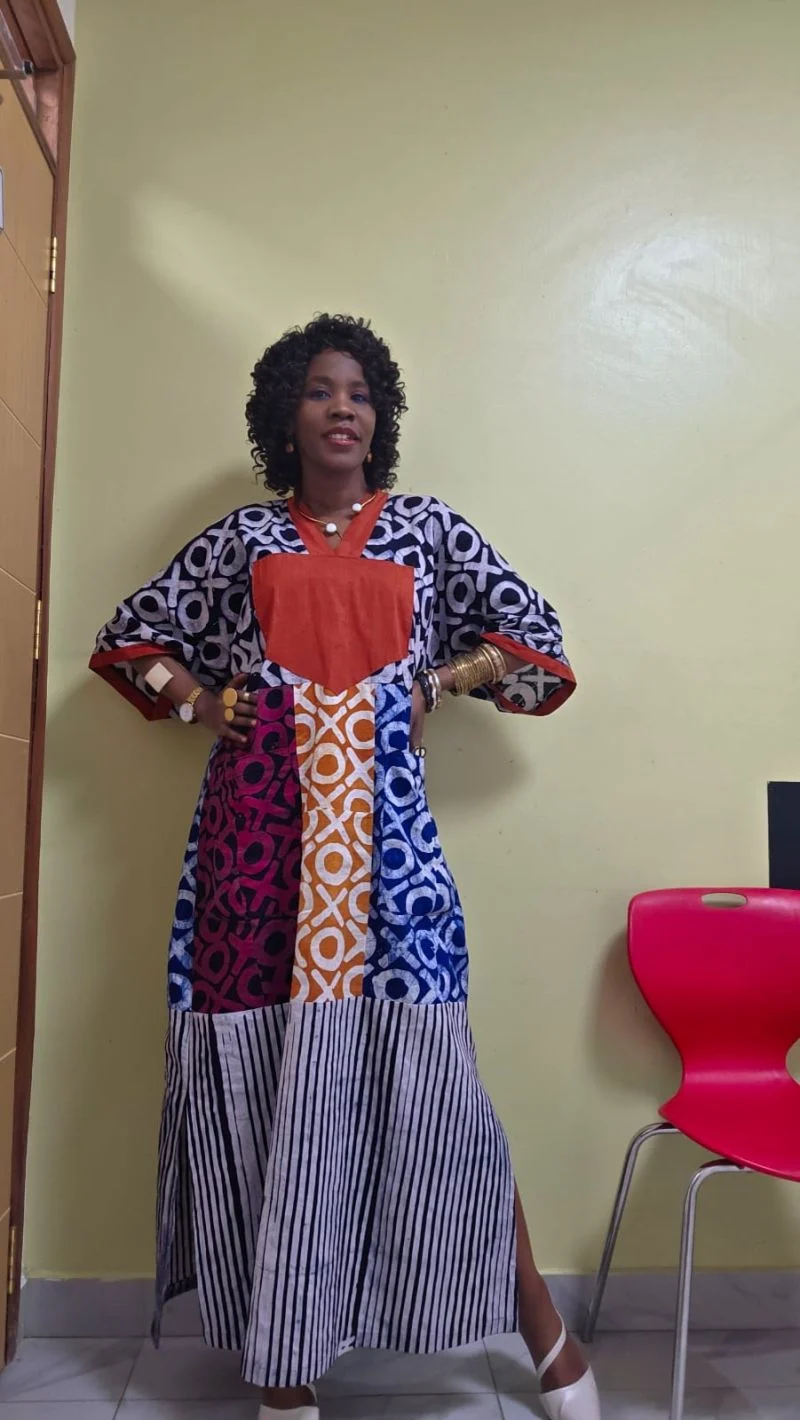
Years later, as a more established surgeon, I was at a conference in North America, where I gave a presentation on breast cancer outcomes in young African women. I wore what I considered a restrained selection of brass jewellery and a vibrant African-print dress.
After my presentation, a gentleman approached me.
‘It must take a lot of commitment’
he said, gesturing at my jewellery, ‘to wear that much.’
I smiled.
‘If this counts as commitment,’
I replied, ‘then I am extremely committed. Because these are my toned-down pieces.’
He looked genuinely confused. I guess it’s because, somewhere along the way, someone decided seriousness had a uniform. That deviation from it signalled diminished competence.
But what I have learned is that inside the consultation room, behind the curtain, patients relax when I walk in wearing my bold African prints and brass jewellery. Women ask about the fabric, and begin to share stories about clothing passed down through generations.
Those conversations may seem mundane, but they surprisingly build the trust that makes the rest of the hard conversations easier. People open up about their health and tell me things they haven’t told anyone else.
The irony being: the more fully I choose to inhabit my own life, the more present I become inside someone else’s crisis.
Compliance has a shelf life. At the end of the day, hands capable of healing do not need to be stripped of identity to remain steady.
I talk about this in Stuff I’d Tell My Sister. I hope you’ve grabbed a copy.”