





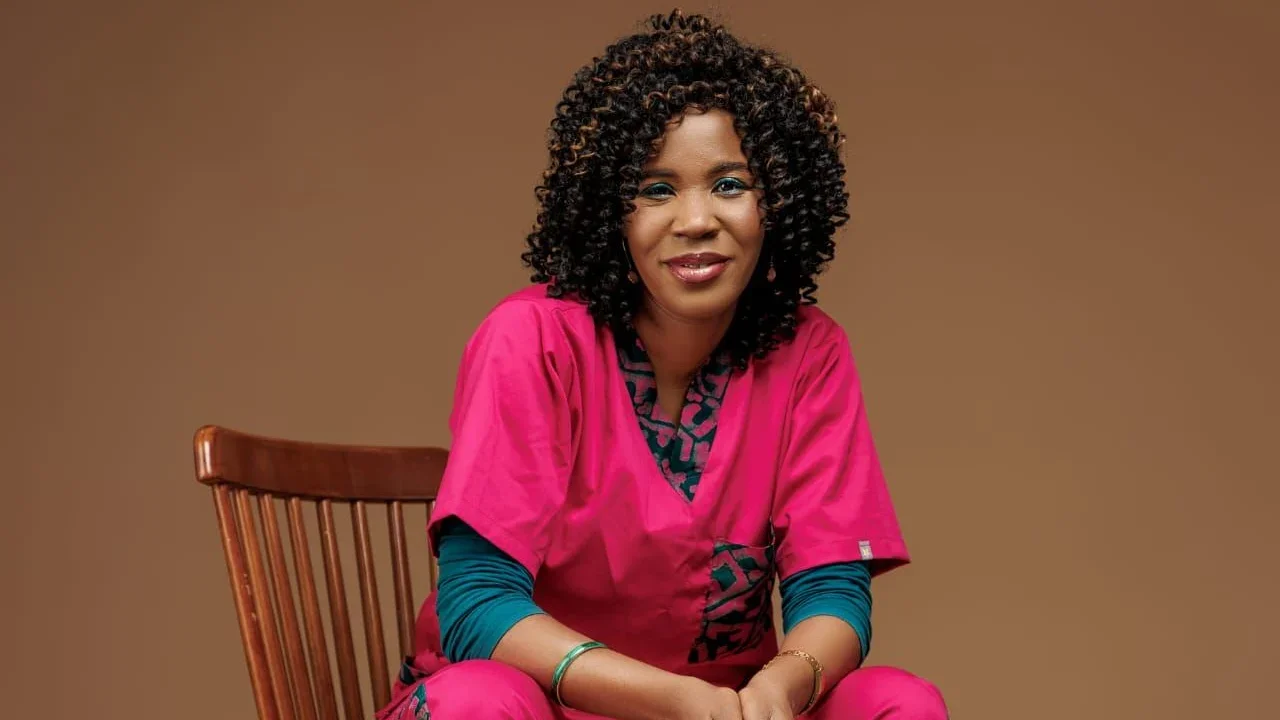
Miriam Mutebi, Consultant Breast Surgical Oncologist at Aga Khan, UICC Board Member, and Chair of the Commonwealth International Taskforce for the Elimination of Cervical Cancer, shared a post on LinkedIn:
“Most of us only begin to think about legacy towards the end of our careers or work tenures.
I think that’s too late.
A question I ask myself daily is: What changed in the world because I refused to accept the limitations others placed on me?
I don’t ask: What did I accomplish?
Instead, I ask: What became possible for others because I showed up authentically?
That’s legacy thinking.
My book, Stuff I’d Tell My Sister, exists because I finally understood that individual excellence means nothing if systems remain broken after I’m gone.
I could be the best surgeon in the world, but if:
- Healthcare systems still bankrupt families
- Young women’s symptoms are still dismissed
- Medication shortages continue to interrupt treatment
- Cultural shame still prevents self-examination
Then my surgical skills may have helped individuals, but the systems would continue to fail entire populations.
Real legacy is about systemic transformation. It challenges every leader to ask:
- What problems will persist if I only focus on individual success?
- What systemic changes require me to use my influence, even when it’s uncomfortable?
- What becomes possible for others if I refuse to accept limitations?
Your legacy isn’t your title, your salary, or your awards. It’s the world you leave behind.
So my question for you today:
What’s one limitation you refuse to accept in your field? What will change in your community or sphere of influence because you refused to accept how things have always been done?
Don’t think, What will I accomplish?
Think, What will I make possible for others?”
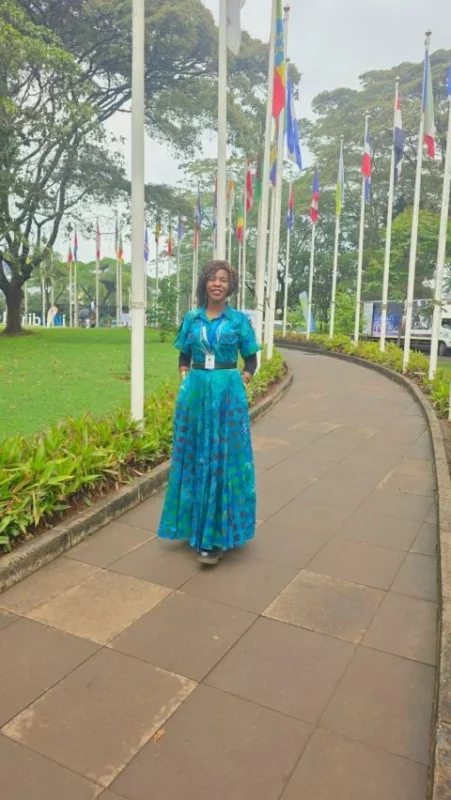
Other articles featuring Miriam Mutebi on OncoDaily.