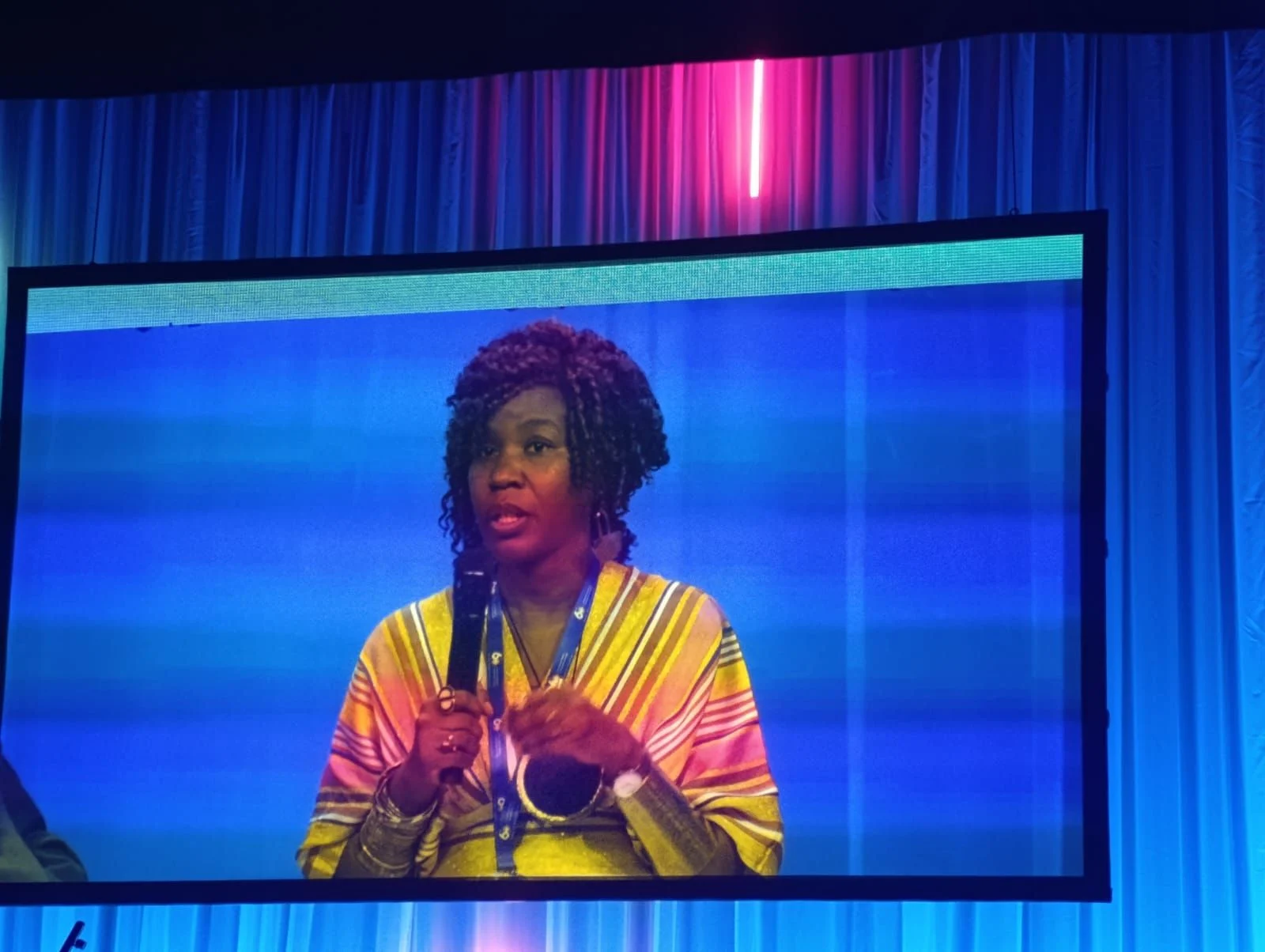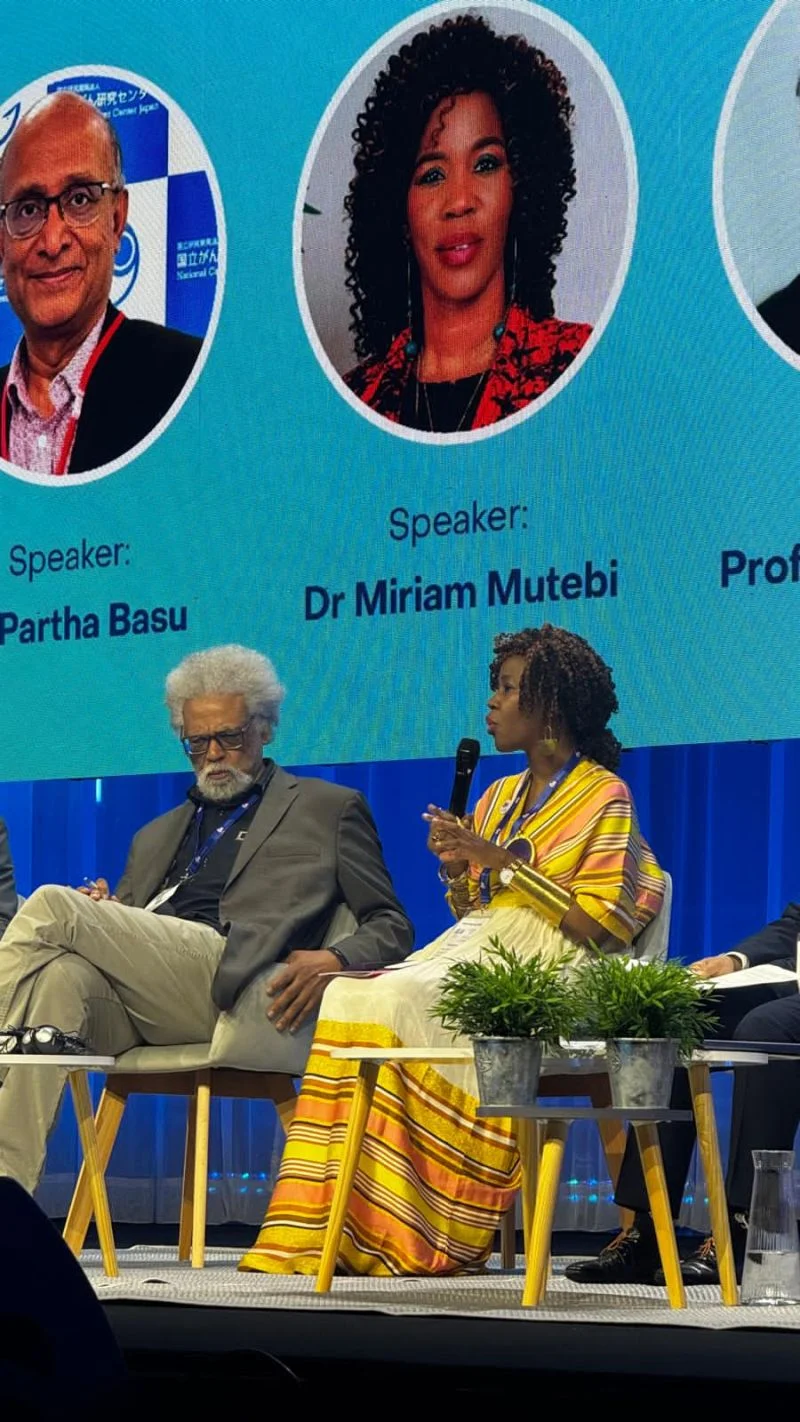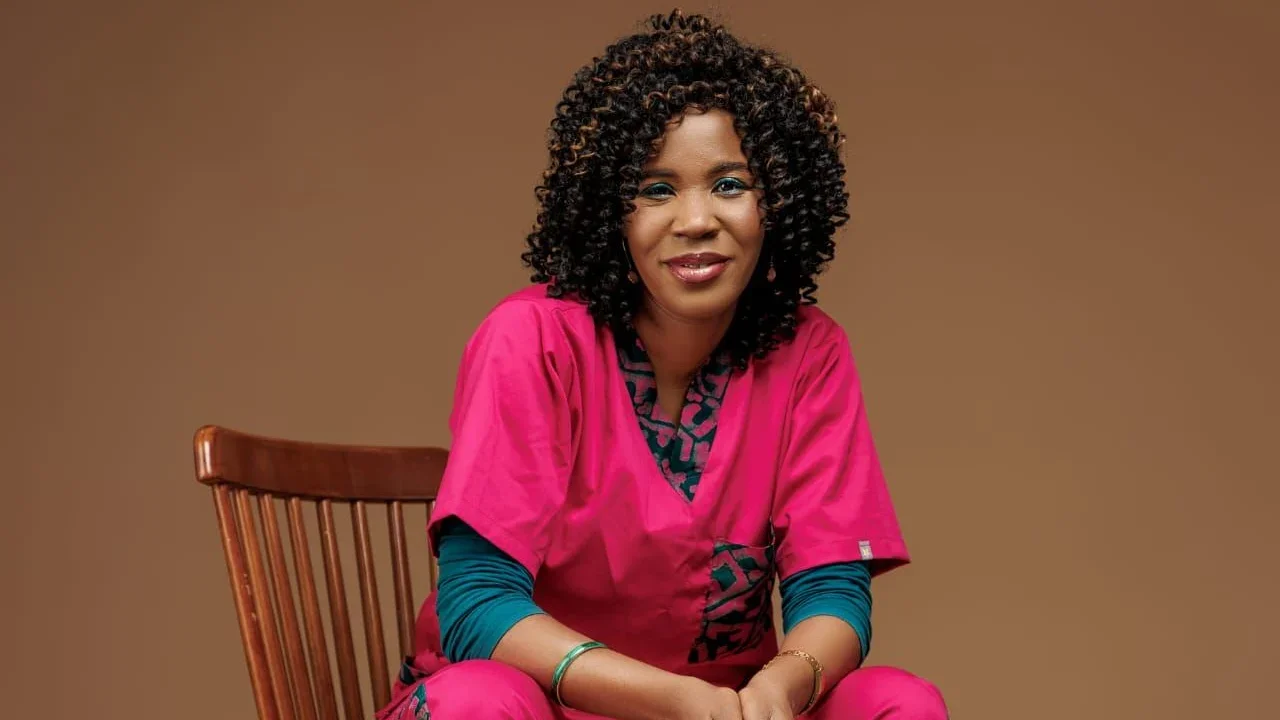
Miriam Mutebi, Consultant Breast Surgical Oncologist at Aga Khan, UICC Board Member, and Chair of the Commonwealth International Taskforce for the Elimination of Cervical Cancer, shared a post on LinkedIn:
“The person carrying water understands the weight of the bucket differently.
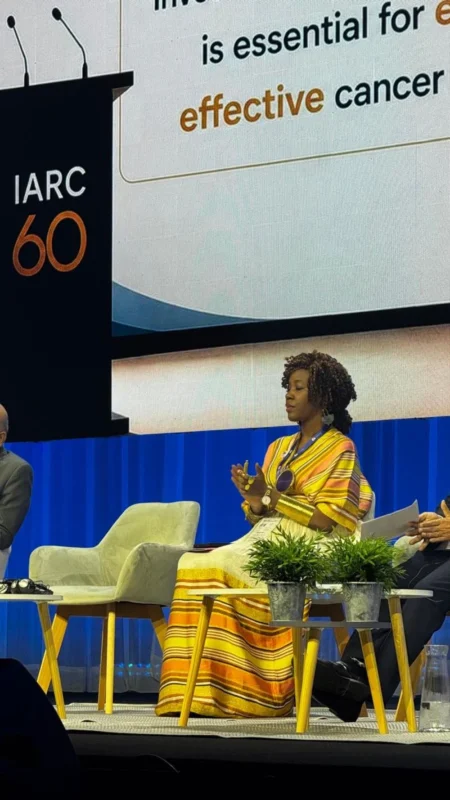
I said that at the IARC 60 conference and I meant every word.
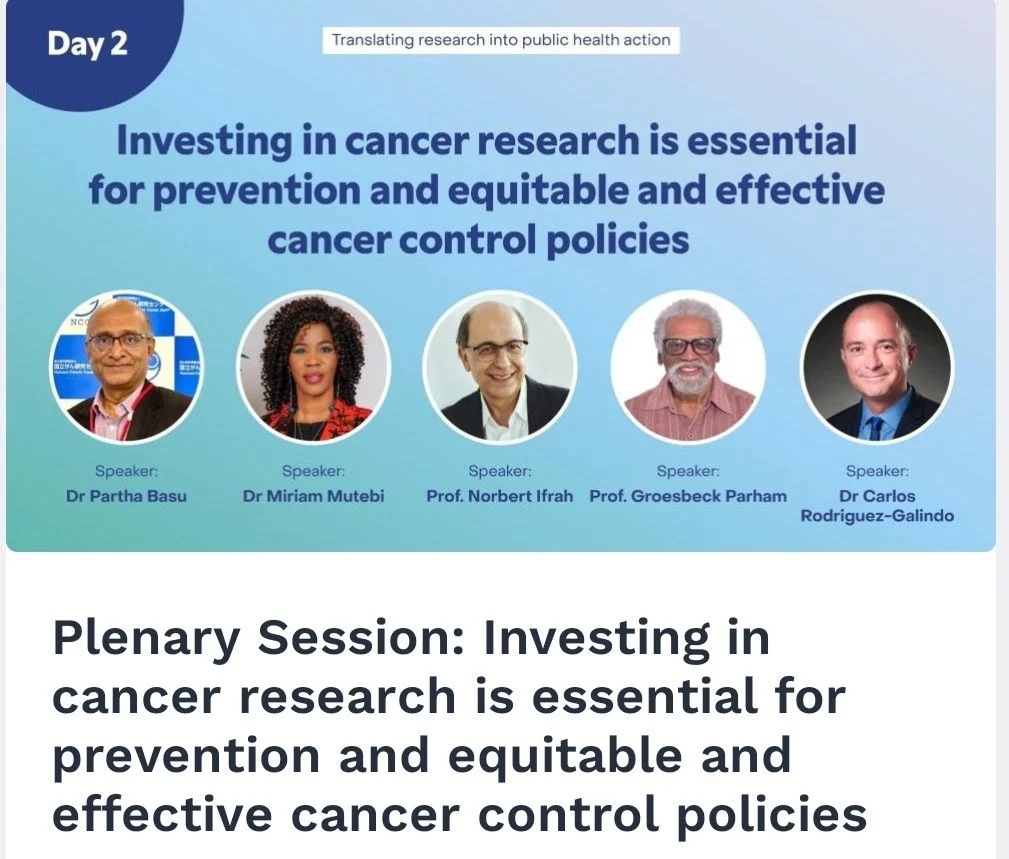
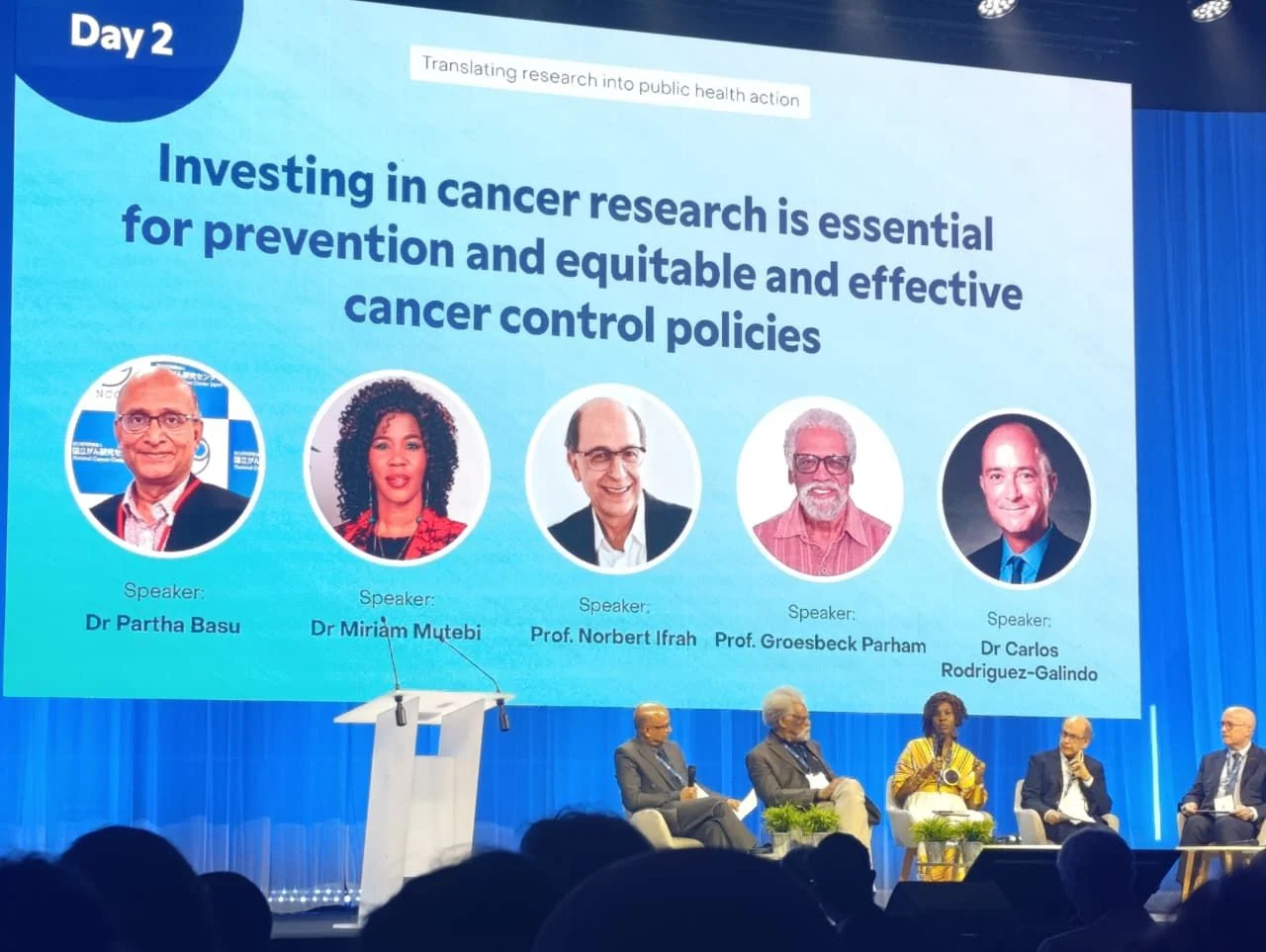
I was speaking in a plenary session alongside some of the most respected voices in global oncology, moderated by Dr. Partha Basu of IARC, with Prof. Groesbeck Parham, Prof. Norbert Ifrah, and Dr. Carlos Rodriguez-Galindo.
My question: what is the role of research in addressing disparities in cancer risk exposure and access to preventive interventions, within and between countries?
I started with optimism. Despite the challenges we discuss, I remain profoundly optimistic.
Africa is home to some of the fastest-growing populations and economies in the world, and one of the youngest emerging scientific and healthcare workforces globally. In Geneva, I met extraordinary young African researchers and clinicians deeply committed to advancing cancer care.
The appetite is there, so is the talent and commitment. But many of those closest to the burden of cancer are still furthest from shaping the research agenda around it.
Inequity is about unequal participation in the generation of evidence itself, not just lack of access to care.
Through AORTIC- Africa over the last two years, I’ve seen what becomes possible when African research ecosystems are intentionally supported through investigator grants, collaborative partnerships, and platforms that strengthen capacity and visibility for emerging African investigators. When local researchers are supported, the questions become more contextually relevant, the evidence becomes more actionable, and the partnerships become more equitable.
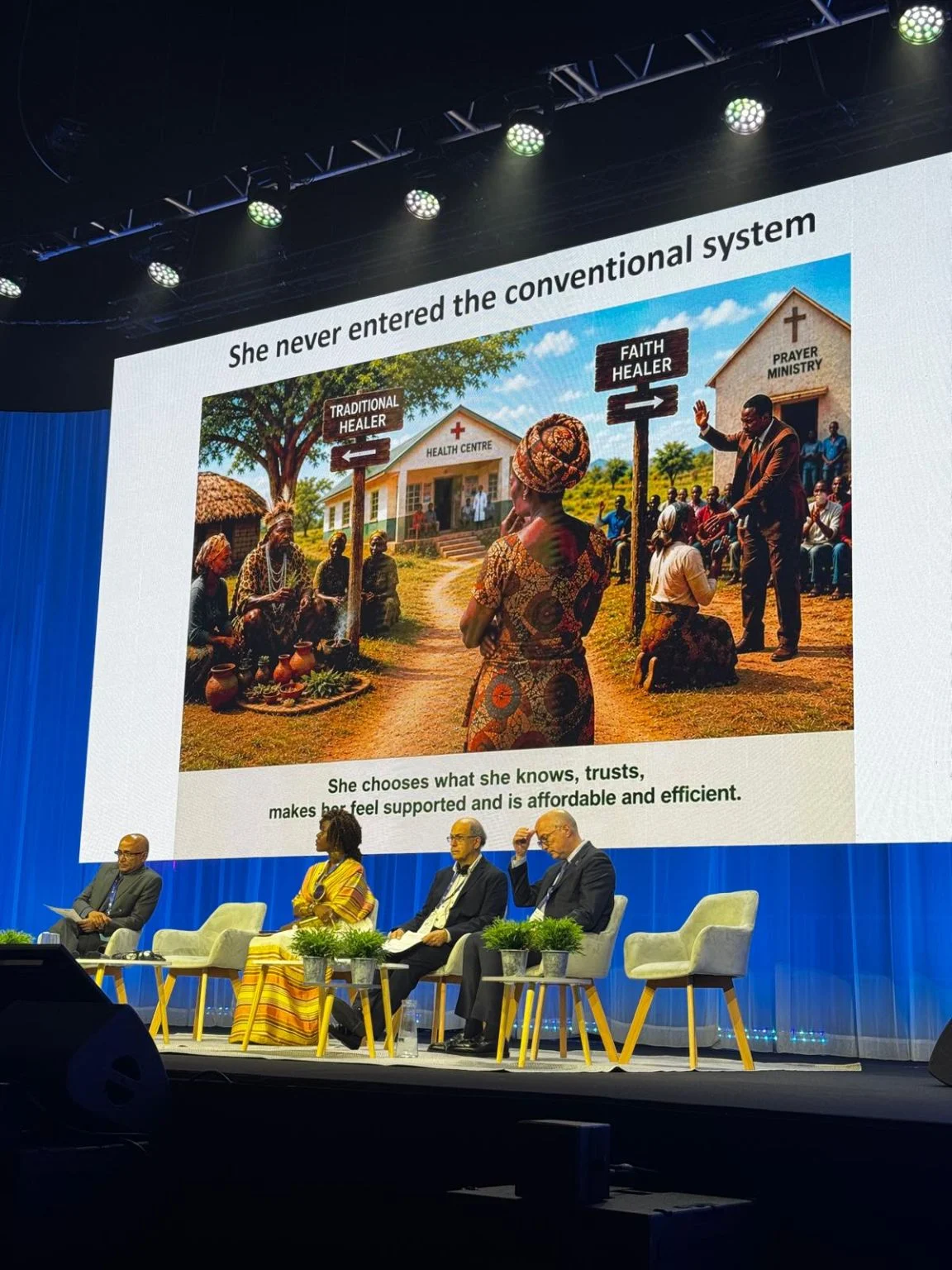
I also shared something that has stayed with me from collaborative work between AORTIC and IARC, exploring how communities across Africa describe and understand cancer.
One description emerged repeatedly: cancer as ‘the wound that never heals.’
That matters deeply. Because unless we understand how communities conceptualise illness, fear, and survivorship, we will continue to misunderstand why people do or do not engage with prevention.
Awareness alone is not enough. Prevention research cannot simply ask:
Did we mobilise women for screening? It must also ask: Why are women hesitant? What histories shape distrust? How do financial realities affect decision-making? How do we communicate risk and hope in culturally meaningful ways?
Inequity is not only produced by lack of knowledge but by instability in the systems responsible for delivering that knowledge.
As a breast surgeon, I see this every day. A delayed diagnosis. Fragmented referral systems. Financial toxicity. Geography. Workforce shortages.
Somewhere between intention and access, women disappear.
These are not side stories around cancer care, but mechanisms through which inequity becomes biologically expressed. It’s why research matters so profoundly.”
Other articles about IARC on OncoDaily.