


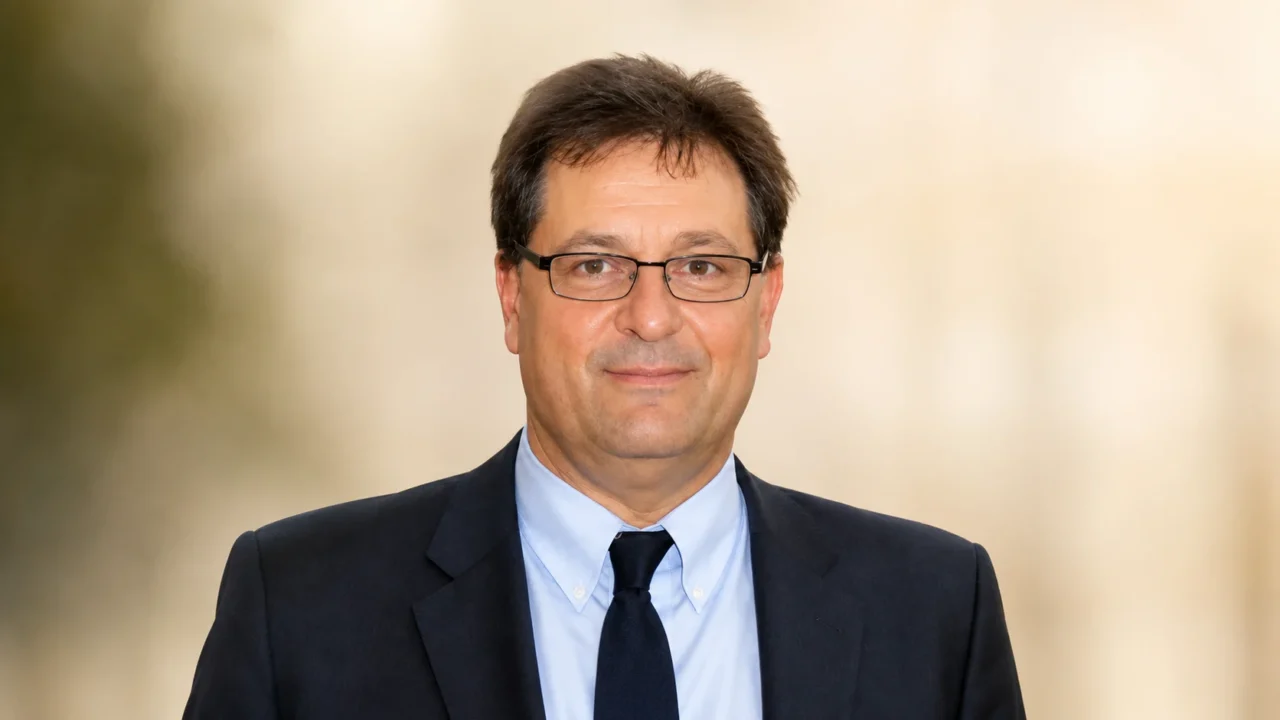
Miguel Bronchud, Veteran Cancer Clinician and Researcher and Co-Founder of Regenerative Medicine Solutions, shared on LinkedIn:
“Messenger RNA vaccine from Merck and Moderna slashes risk of melanoma’s return, but why remains unclear?
As details emerged last week of the first tailormade cancer vaccine to prove itself in a major treatment trial, researchers began to ask hard questions about what the success truly means. It was clear the vaccine, which uses the messenger RNA (mRNA) strategy made famous by COVID-19 shots to deliver proteins unique to each patient’s tumor, had worked. In melanoma patients who had their deadly skin cancers surgically removed and who were receiving a cutting-edge immunotherapy drug, the vaccine nearly halved the likelihood that the cancer would grow back.
There were also concerns – according to SCIENCE – the vaccine might not be as widely used as hoped because it will be costly and may not improve much on new ways to use approved immunotherapy drugs.
The notion of using a vaccine to spur the immune system to fight cancer dates back more than a century. Most efforts have aimed to broadly boost antitumor responses. Then researchers realized mutations in cancer cells create novel proteins—so-called neoantigens—that could be used to make a more precisely targeted vaccine. About 10 years ago, Wu’s group et al reported positive results
Bolstered by the success of the widely deployed COVID-19 vaccines, Moderna and Merck pushed ahead with a customized melanoma vaccine using mRNA. The shot would encode dozens of neoantigen fragments from each patient’s cancer on a single strand, which would prompt cells in the body to make the foreign-looking proteins and generate an immune response to them.
After a placebo-controlled trial in about 150 patients suggested the vaccine had promise, the companies launched a larger phase 3 trial intended to win regulatory approval. It enrolled 1137 melanoma patients whose tumors had been removed but who were likely to relapse if not further treated. Two-thirds of them got several doses of mRNA encoding up to 34 fragments of neoantigens identified in their cancers. All the patients also got a now-standard treatment for melanoma, a so-called checkpoint inhibitor that encourages an antitumor immune response by blocking a protein on T cells.
In an August press release, Moderna and Merck jolted the cancer field by declaring the vaccine had significantly delayed tumor regrowth – and later said further details would come at the European Society for Medical Oncology (ESMO) Congress in Madrid. There, on 24 October, Georgina Long, a medical oncologist at Melanoma Institute Australia and the University of Sydney who led the phase 3 trial, reported that among those who got the vaccine, 82.2% were alive and had not relapsed after 2 years compared with 70% in the control group; that translates into a 42% reduction in relapses. And in the vaccinated group, fewer patients’ melanoma grew back and spread to distant parts.
Other articles about Miguel Bronchud on OncoDaily.