





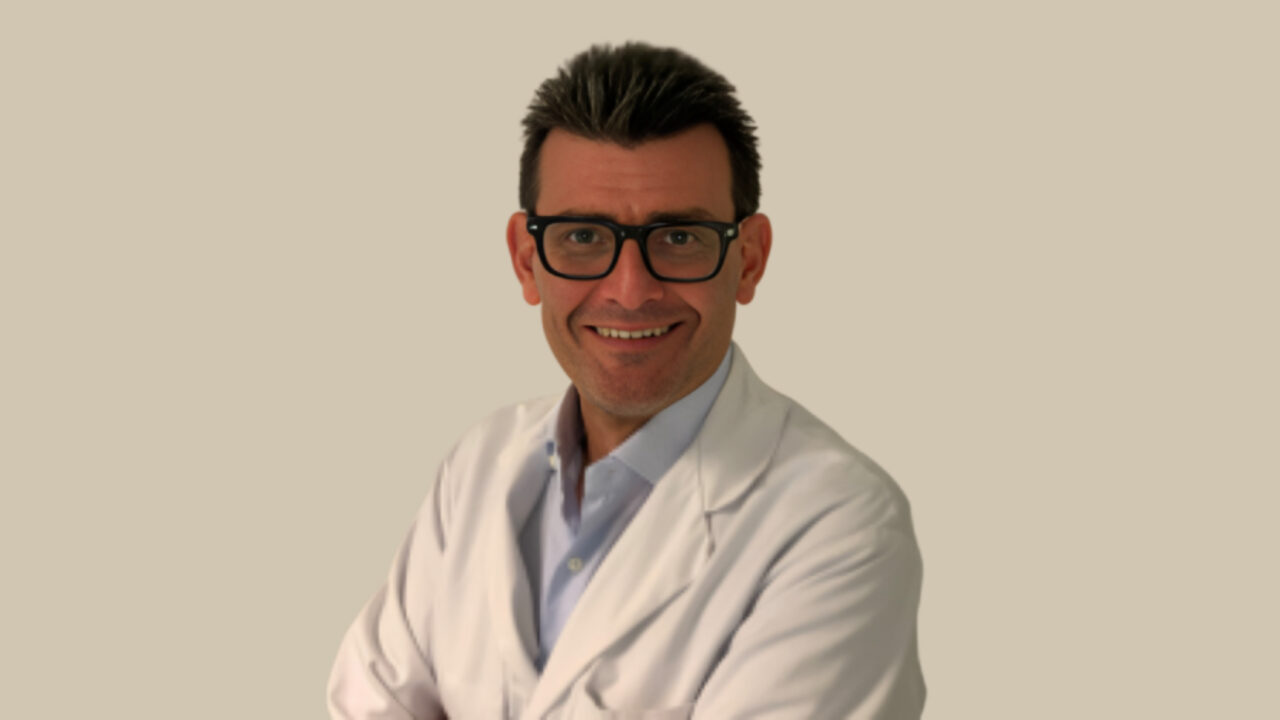
Michail Ignatiadis, Director, Breast Medical Oncology Clinic and Program at Institut Jules Bordet, shared on LinkedIn:
“Are we entering the era of disease interception?
A recent interview with Eli Lilly CEO David Ricks in The Economist raises a potentially transformative idea for pharmaceutical research: the future may increasingly lie not only in treating established disease, but in preventing it – or intercepting it at its earliest biological stages.
This shift is already visible across several fields.
In oncology, increasingly sensitive imaging, germline risk assessment, circulating biomarkers and molecular residual disease detection may allow us to identify cancer – or its recurrence – before it becomes clinically apparent.
In Alzheimer’s disease, biomarkers can reveal pathological changes years before major cognitive impairment.
In cardiometabolic medicine, genetic, biochemical and digital risk markers are enabling progressively earlier intervention.
But detection alone is not disease interception.
For interception to improve health, at least four elements need to come together:
- Identification of a population at sufficiently high risk
- A biomarker that reliably detects a biologically meaningful disease state
- An intervention with a favourable benefit–risk profile in individuals who may still feel healthy
- Clinical trials demonstrating that acting earlier improves outcomes that matter to patients
This creates important new questions for drug development.
- How early should we intervene?
- What degree of risk justifies treatment?
- Which endpoints can make prevention trials feasible?
- How do we avoid overdiagnosis and overtreatment?
- And how should regulators, health systems and industry evaluate the value of preventing an event that might otherwise occur years later?
The transition from disease treatment to disease interception will require much more than better diagnostics. It will require the co-development of biomarkers, preventive therapeutics, new trial designs and new regulatory frameworks.
This may become one of the defining frontiers of medicine – and pharmaceutical RandD – over the coming decade.”
Other articles about breast oncology on OncoDaily.