





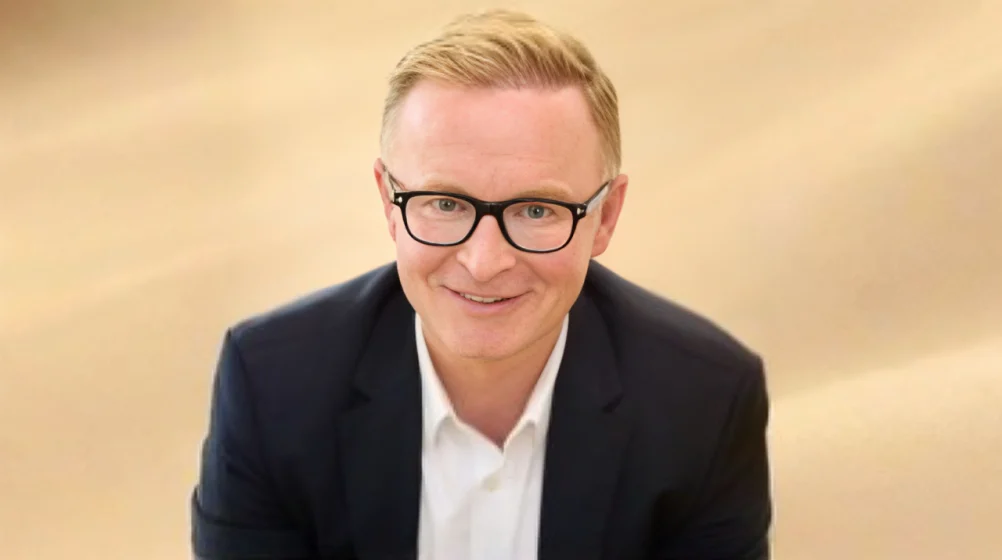
Michael Oberreiter, Head of Global Access at Roche, shared on LinkedIn:
“Healthcare reform rarely succeeds without local ownership.
That’s why Roche partners with the City Cancer Challenge (C/Can): not to bring ready made solutions, but to help cities build the capabilities to transform cancer care themselves.
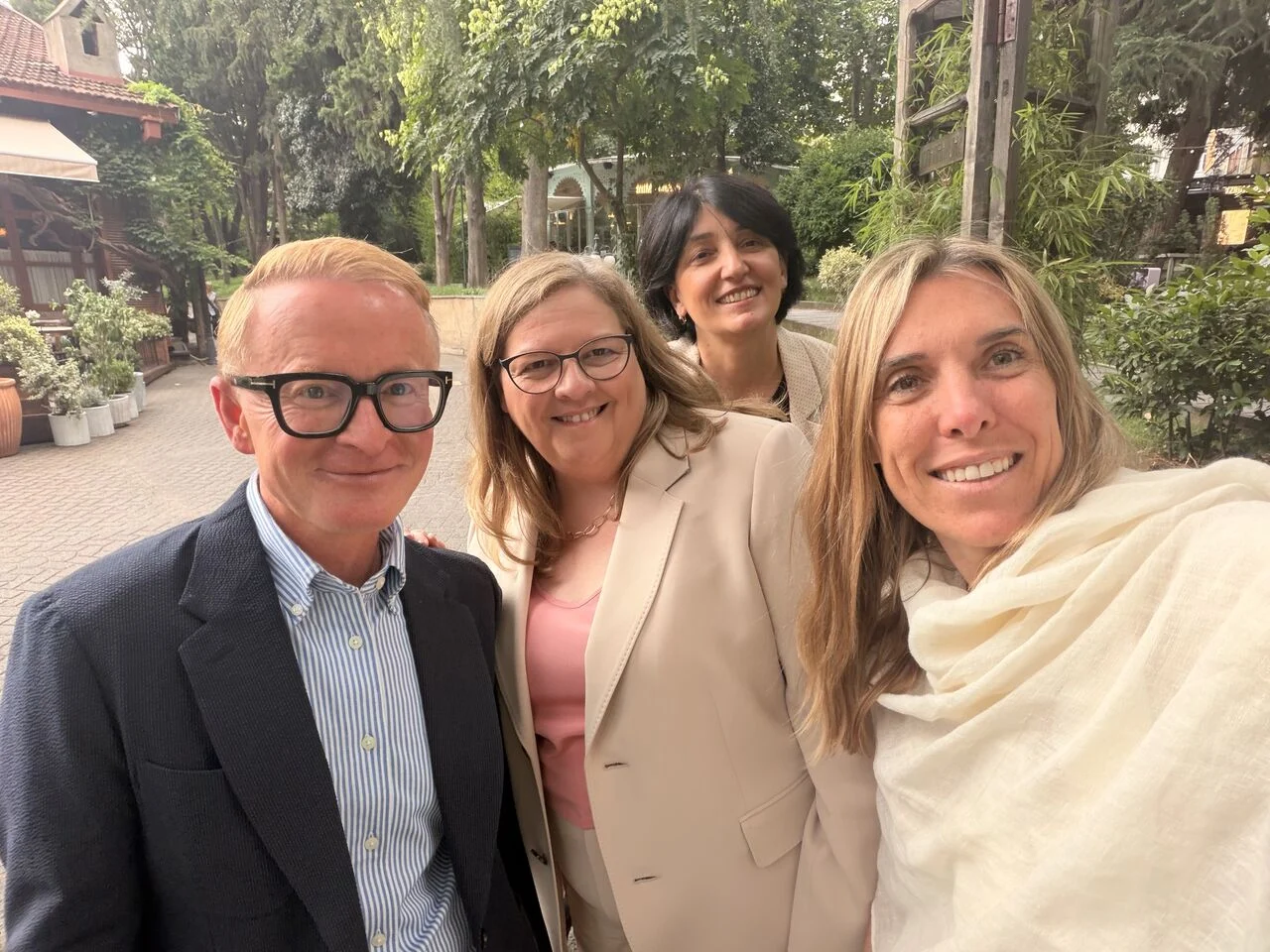
I’m in Tbilisi this week with our CEO Teresa Harris Graham, C/Can CEO Isabel Mestres, and Roche Georgia Country Manager Maka Asatiani to see firsthand how this works in practice.
Tbilisi chose to join C/Can, demonstrating both the ambition and institutional commitment to strengthen cancer care. That decision brought together clinicians, health authorities, civil society, and private sector partners to identify the biggest barriers to care and develop solutions designed for Georgia’s health system.
What makes this model effective is that everyone has a clearly defined role:
- C/Can provides the framework, methodology, and neutral platform to align partners behind a locally owned roadmap.
- Local clinicians and health authorities lead the strategy, define priorities, and implement the reforms.
- Civil society keeps patients at the center of every decision.
- Partners like Roche contribute technical expertise, help strengthen diagnostics and treatment infrastructure, and support long-term planning without driving the agenda.
That division of responsibilities matters. Sustainable system transformation is built with countries, not for them.
In Georgia, this collaborative approach has helped double the number of people accessing quality cancer care nationwide.
It also changes the economics of health. Investment in oncology is not simply healthcare spending. It strengthens families, protects the workforce, and builds long-term economic resilience.
The lesson from Tbilisi reaches far beyond cancer care. We often treat health system transformation as a technical problem. It isn’t. It’s a leadership problem. When local leaders own the agenda, every partner knows its role, and everyone takes accountability for their part of the outcomes, change follows.”
Other articles featuring Michael Oberreiter on OncoDaily.