





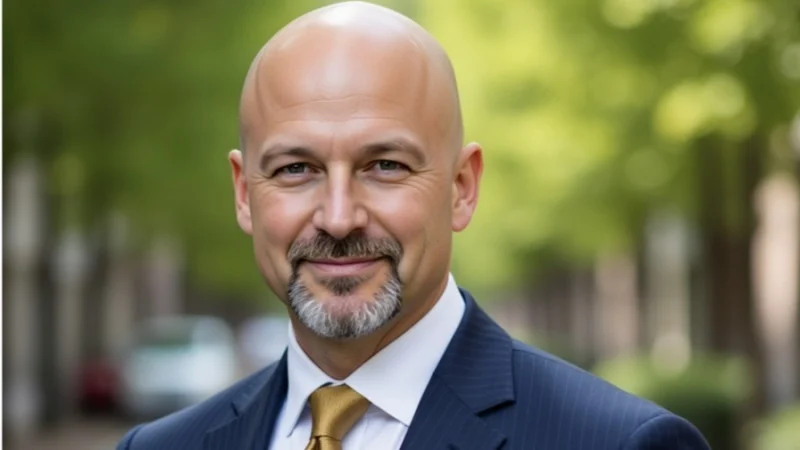
Matt Sherer, Director of Oncology Service Line at UMC Health System, shared on LinkedIn:
“Rural oncology access is not solved by good intentions alone. It is solved through deliberate network design.
For health systems and regional cancer programs, the strategic question is no longer whether care should be centralized or localized. The real question is how to design a model that does both well.
Which services should remain close to home? Which capabilities require centralized expertise? Where can navigation, technology, clinical trials, virtual support, and subspecialty access connect the two?
The strongest regional oncology models are built around intentional integration:
- Local access points
- Centralized specialty expertise
- Shared clinical standards
- Navigation across sites of care
- Academic-community partnerships
- Data-informed referral pathways
- Clear escalation processes for higher-acuity needs
Patients should not have to choose between proximity and quality. Leaders should be designing systems where both are possible.
The future of rural oncology is not hub-versus-spoke. It is a connected ecosystem that delivers the right care to the right place, backed by the right expertise.
What are you seeing? I’d welcome your thoughts in the comments.”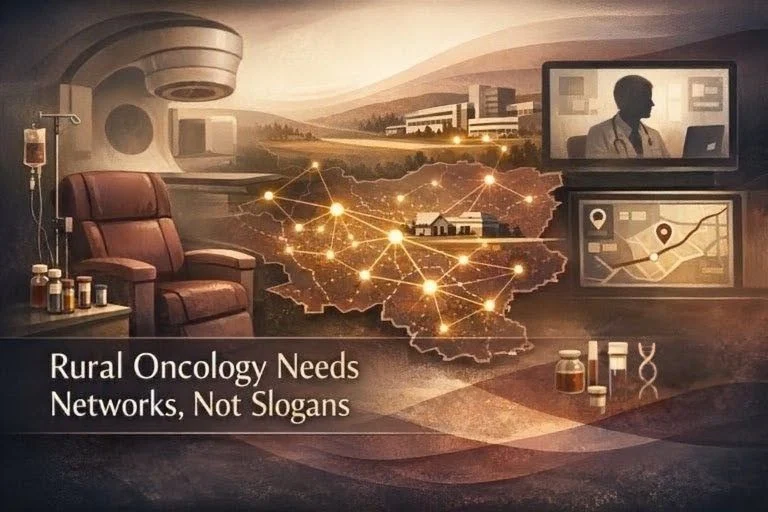
Other articles featuring Matt Sherer on OncoDaily.