





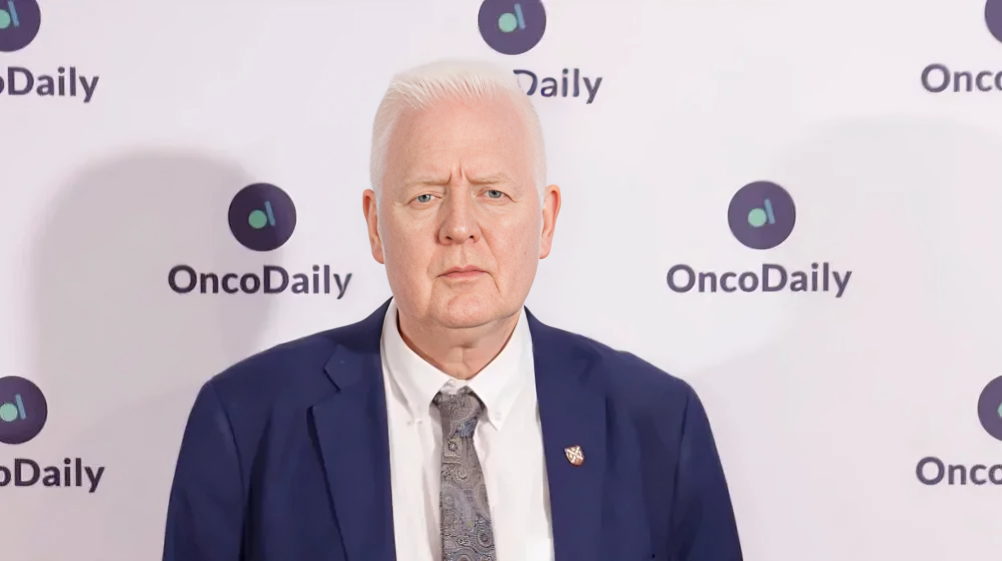
Mark Lawler, Associate Director of Postgraduate Studies, Chair in Translational Cancer Genomics, and Professor of Digital Health at Queen’s University Belfast, shared a post on LinkedIn:
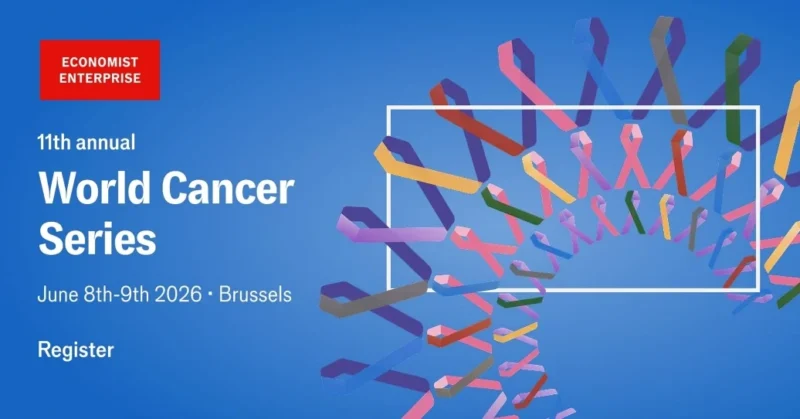
“Speaking in the Opening Keynote Session of The Economist World Cancer Series Europe in Brussels, I highlighted our just released Lancet Oncology Commission on Cancer Workforce: A Global Crisis.
It predicts a 75% increase in cancer incidence by 2050, (35 million people within the next 25 years will be diagnosed with cancer, with ~ 19 million deaths).
In sharp contrast to these growing cancer numbers, our report projects a global shortfall of 100 million cancer care workers by 2050.
Largest gaps will be in nursing and community health workers (~68M) and cancer diagnostic staff (~16M), threatening to overwhelm health systems as global cancer burden continues to rise.
This is the definitive study on cancer workforce, 200 countries, 17 different cancers and 18 different personnel types
We deliver a stark message: cancer care world-wide is in crisis due to a predicted shortage of 100 million people in the workforce, unless issues are urgently addressed.
Investing in the global cancer workforce now could avert 170 million cancer deaths between 2030-2050 and deliver $120 trillion in economic benefits, yielding a $4 return for every $1 invested.
We have created an urgent call to action via a “7-Point Global Cancer Workforce Plan” which includes using the evolving potential of digital health and AI in cancer diagnosis and treatment.
“Make no mistake; this is a wake-up call, no matter where you are in the world.
What we’ve uncovered is shocking – how can we reconcile a 35M increase in cancer cases diagnosed, with a 100M decrease in cancer staffing? The data unfortunately do not lie. We can’t wait until 2050 to see if our projections are correct – we must act now.”
We need to find solutions – rapidly. While we must invest in more staffing, our work with the London Care Record, highlighted in this Commission, clearly shows, that as well as saving money, digital tools can also be part of the solution, freeing-up staff administrative burden “red tape” to do what they do best, support patients.”
Call to Action: 7-Point Global Cancer Workforce Plan:
- Establish workforce registries together with health-care labor force analysis and plans for each country/region of the world
- Expand population-based and hospital-based cancer registries to better capture incidence, stage, survival
- Ensure each country has a National Cancer Control Plan (NCCP) that includes a dedicated cancer workforce plan
- Augment cancer workforce by adopting DH solutions, AI, and task-shifting to improve the quality and efficiency of care
- Foster global multinational/ country governmental, non-governmental organisations, academic, and public–private partnerships
- Develop sustainable financing strategy drawing on domestic resource mobilization/external funding to support long-term HCD
- Embed equity/shared global responsibility into cancer workforce policies and practices.”
Other articles about Lancet Oncology Commission on OncoDaily.