





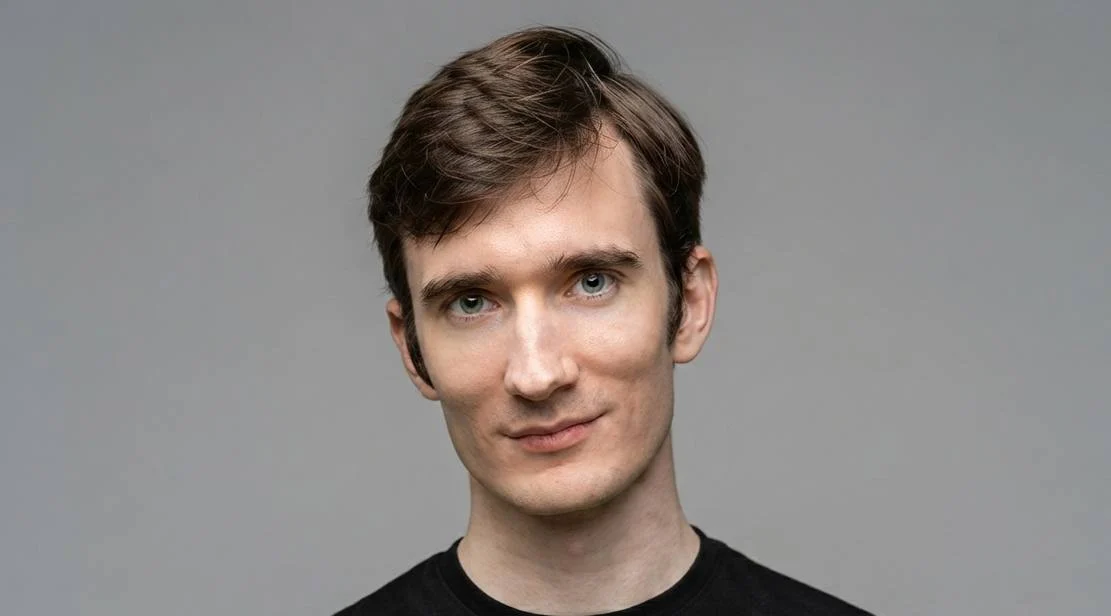
Mark Hensley, Founder and Managing Director at Hensley Biostats, shared a post on LinkedIn:
“Last month the New England Journal of Medicine retracted the pivotal trial paper behind Tavneos, a drug Amgen inherited when it bought ChemoCentryx for $3.7 billion in 2022.
Now, the reason behind that retraction is something I spend a major part of my job stopping my clients from doing.
The FDA investigation found that in the pivotal trial for Amgen’s Tavneos, the primary endpoint in nine patients was readjudicated after the database was locked and after the trial was unblinded. The change was never disclosed in the paper.
Nine patients, out of 331.
That sounds small until you look at the margins. The week 26 remission result separated the treatment arm from the control by only a few points. In a 331-patient trial, nine reclassified endpoints can be enough to move a result that thin. And the endpoint was clinical remission, scored on a judgment-based scale. Judgment-based endpoints are exactly the ones where a second look can quietly change the answer.
Here’s what I want founders to understand. Re-examining a borderline endpoint case is not fraud. It’s just ordinary trial work. Adjudication committees reconsider hard cases all the time. But the thing that separates that from an NEJM retraction is one variable: did you do it before you knew which arm the patient was in, or after?
- Same nine patients.
- Same clinical judgment.
- Same scale.
Move the timestamp to the wrong side of unblinding, and the same work stops being science.
I’ve been with founders when the numbers came in close, and I know the pull in those moments. The result is a hair under the line. Someone remembers two or three patients whose scoring felt harsh. The suggestion is never ‘let’s commit fraud.’ It’s let’s just take another careful look at the ambiguous cases.’ It sounds like diligence.
As a biostatistician, my job in that moment is to be the person who says no. Not because the second look is wrong, but because once the blind is broken, there’s no such thing as a neutral second look. Every reason to reopen a case is now contaminated by knowing the answer you want.
The founders who hear me out are annoyed in the meeting. The alternative is being annoyed five years later, when a journal retracts your paper and a regulator reassesses your drug.
That is a much more expensive kind of annoyed.”
Other articles about FDA Approvals on OncoDaily.