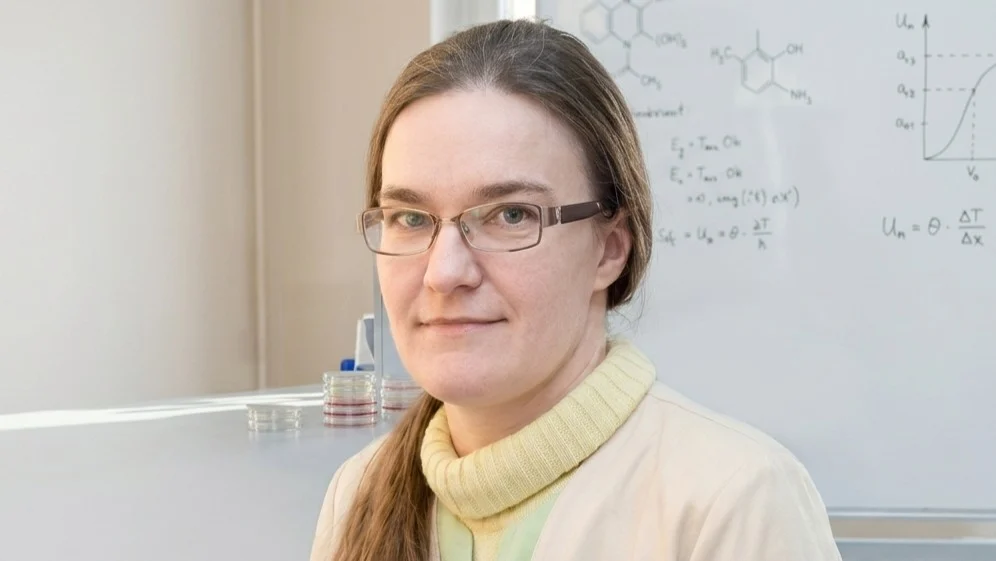
Marina Puchinskaya, Oncologist at “Kravira” Medical Centre, shared her perspective on the most notable findings from ESMO 2026 on LinkedIn:
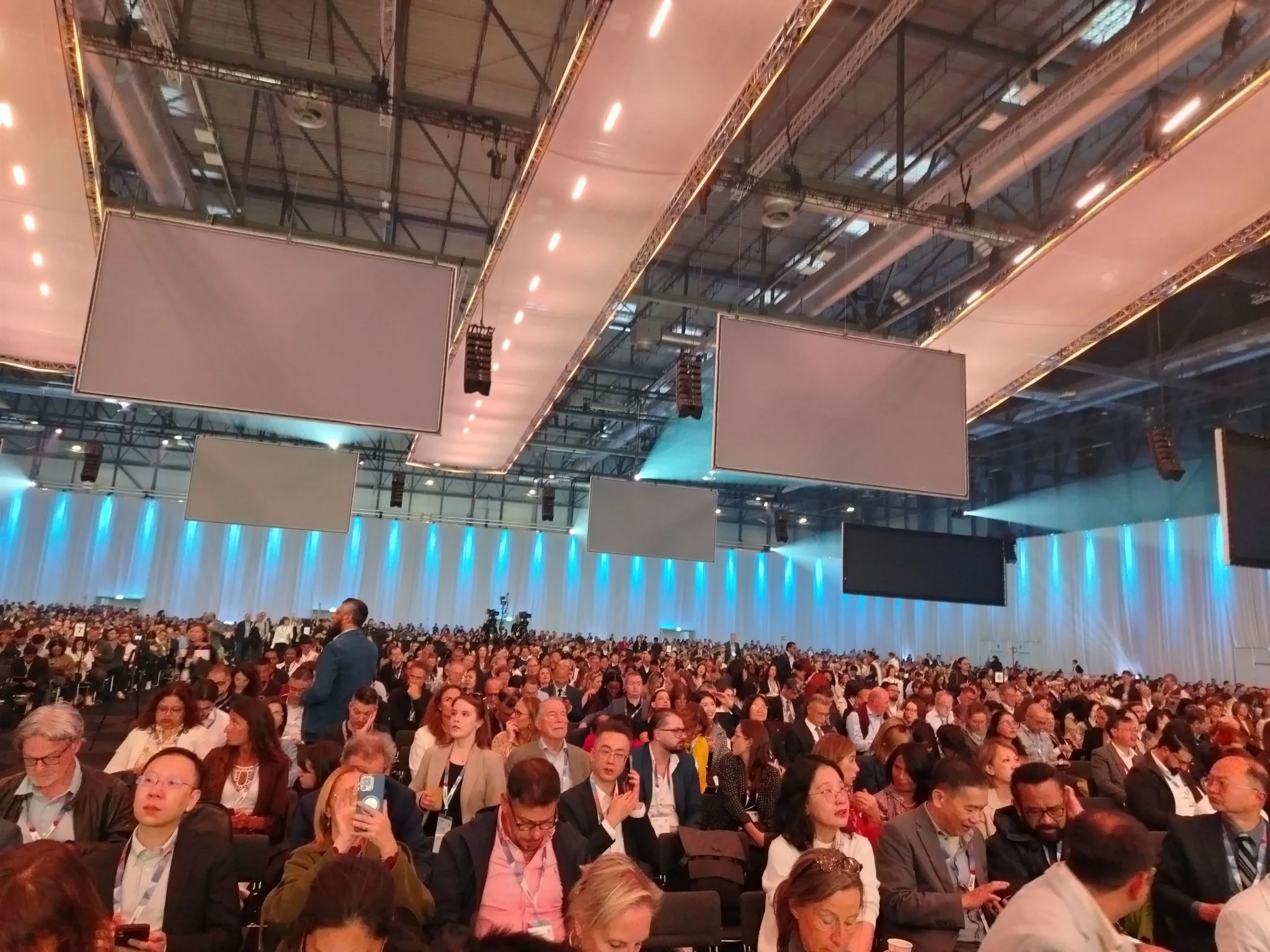
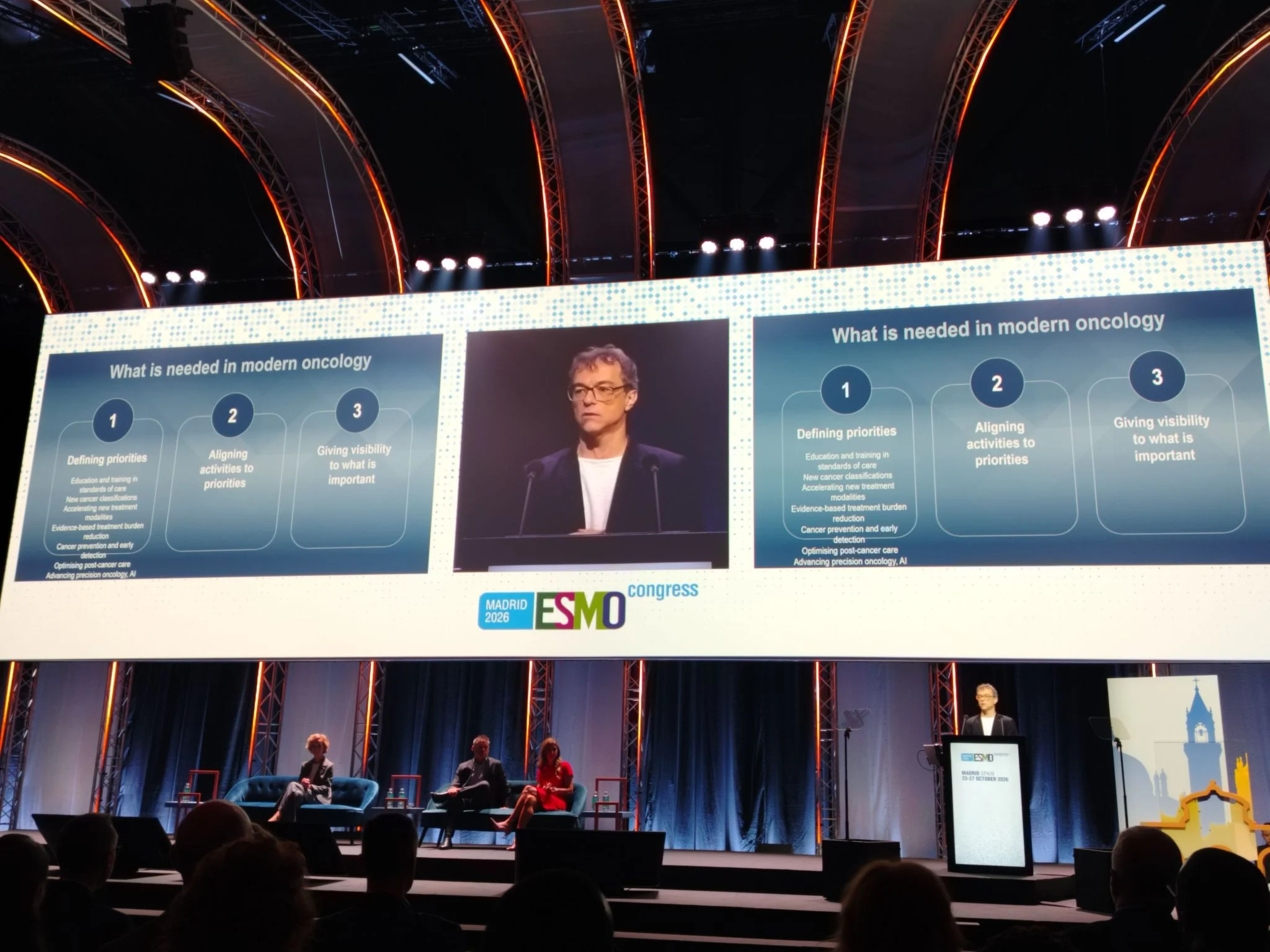
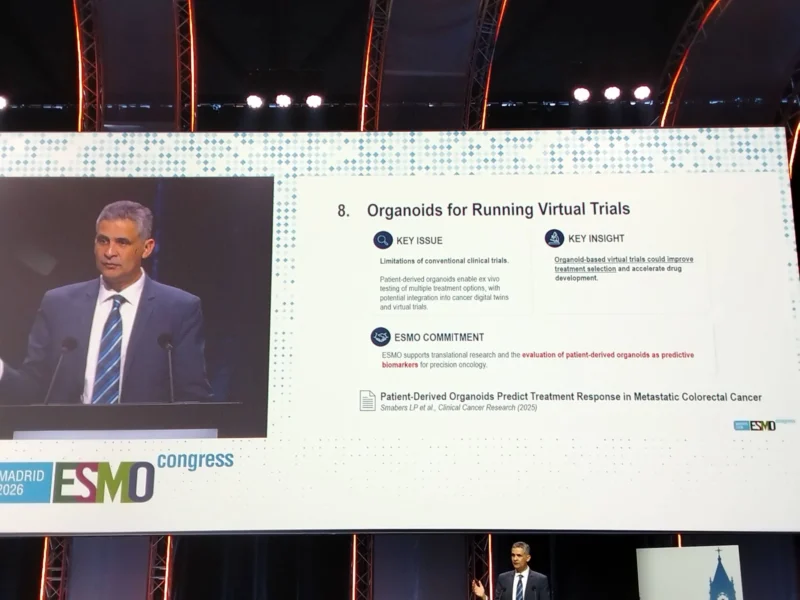
“I was leaving today’s ESMO26 Opening Ceremony with several important takeaways:
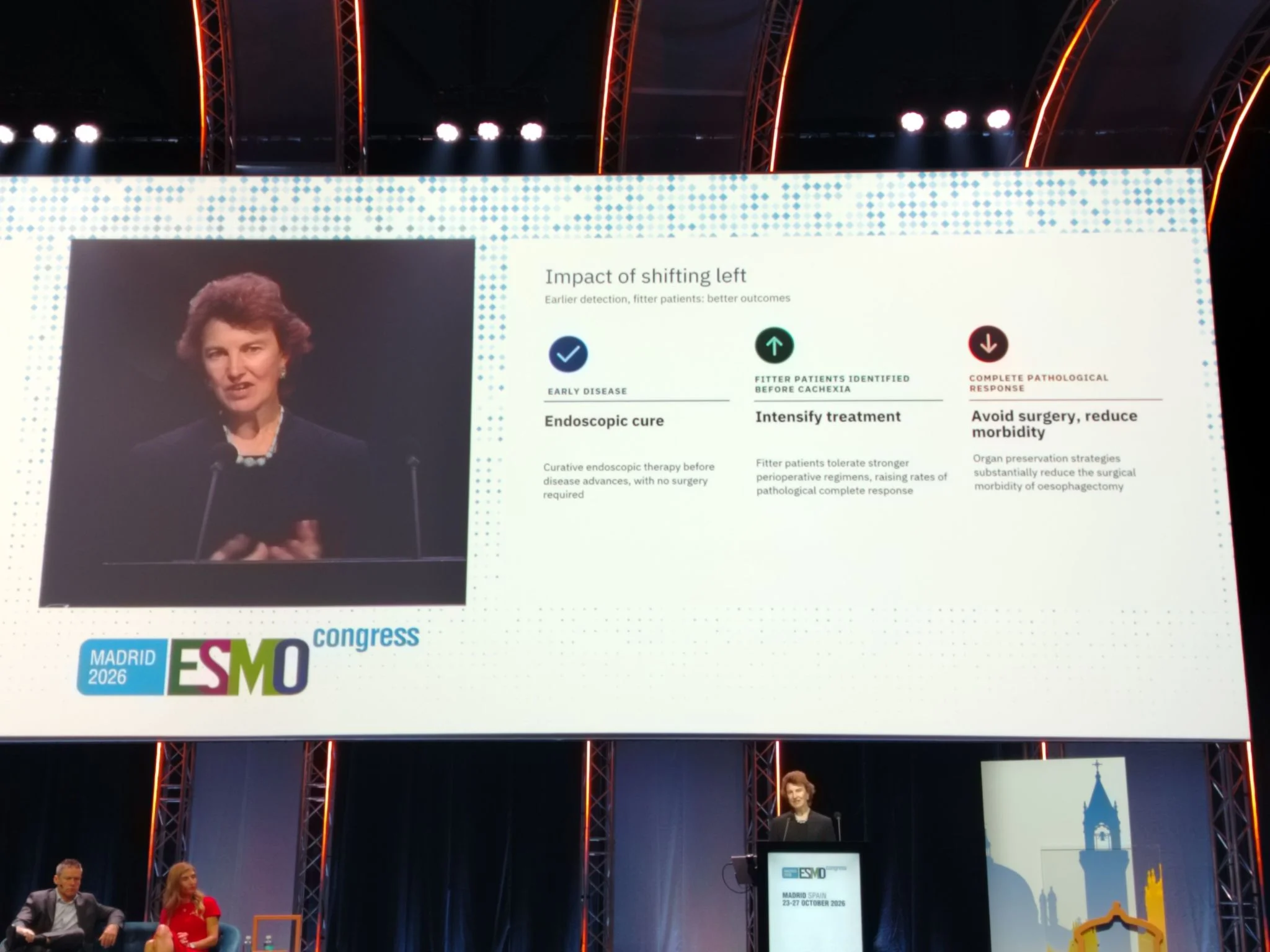
- We need to remember that behind every idea that seems natural to us there are years of work of esteemed people who made this idea accepted. I was taught Barret’s esophagus is the precursor of esophageal cancer, but I have heard the story behind that today from a person who worked on that. An important point to remember.
- ctDNA is moving forward. If you can’t reach the tumor, try to find parts of it in blood. Big potential, big hopes.
- Genderoncology is much underestimated. There are still many sex differences in natural history and treatment response in many tumors. We need to understand the mechanisms of that for better and more gender-oriented interventions.
- Immunotherapy is one of the biggest steps in modern oncology. We still do not understand many points regarding their activity, mechanisms of action, responses, etc., but this concepts saves lives and will be developing further.
Many thanks for the inspiring talks and many ideas brought to wide oncology community.”
“The Advanced Breast Cancer session at ESMO26 has brought conflicting types of data presentation.
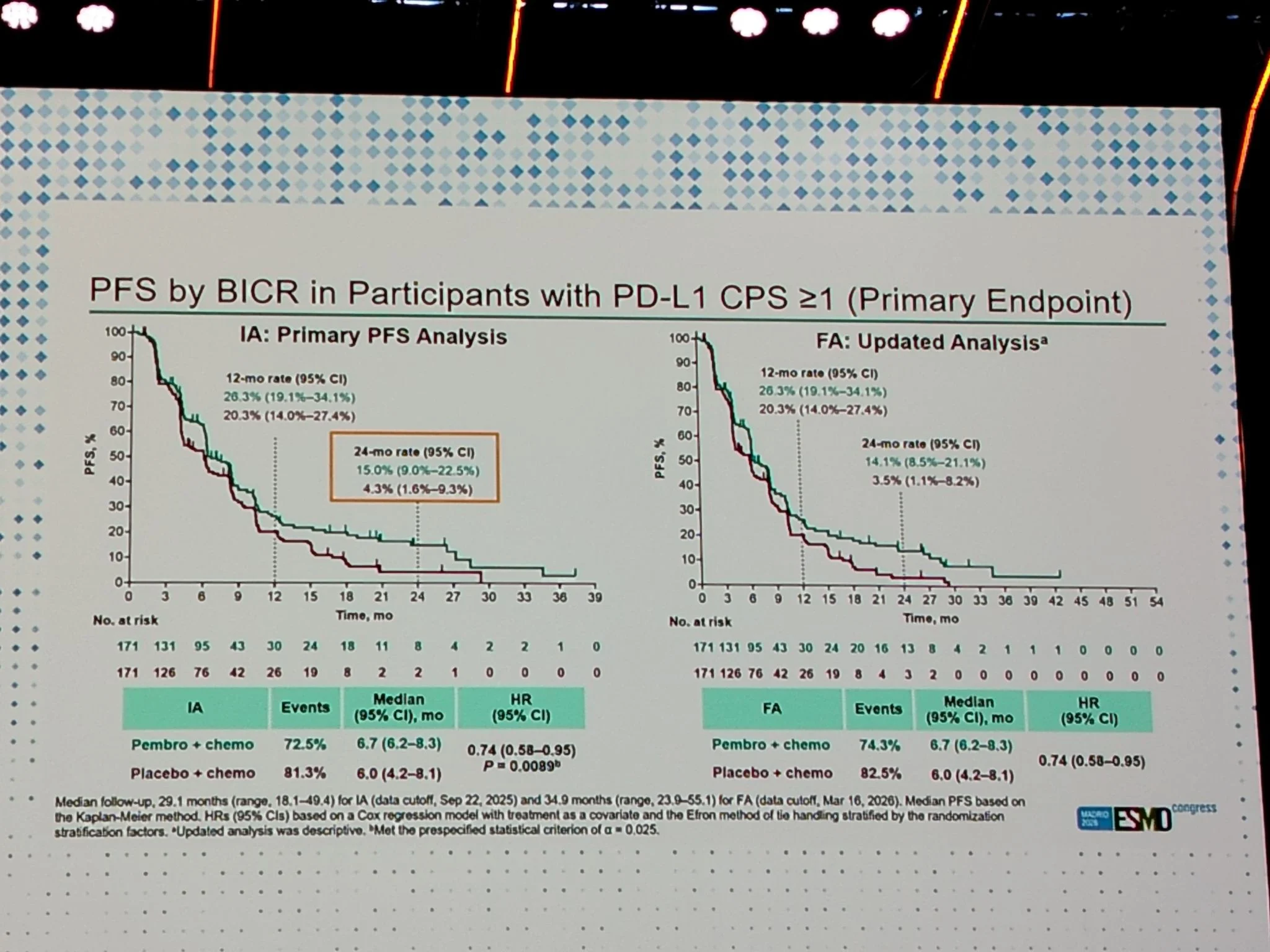
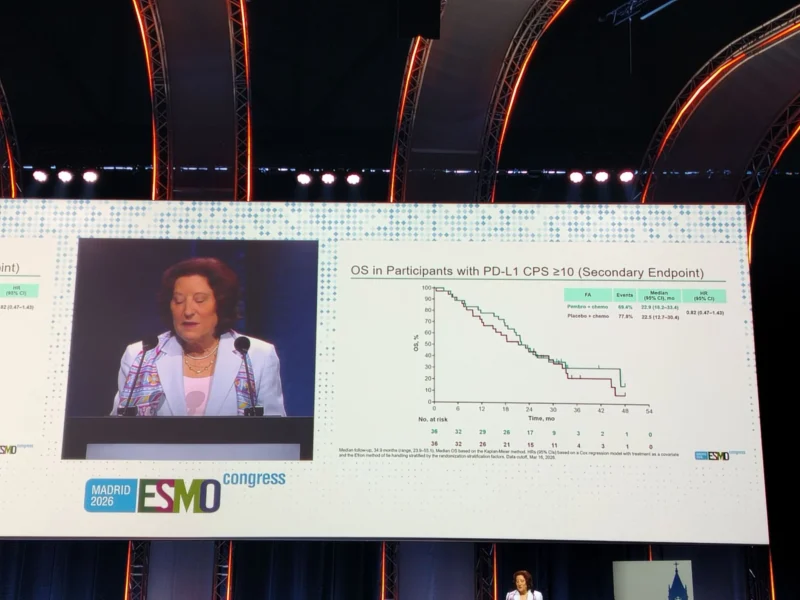
First, Keynote-B49 trial adding pembrolizumab to chemotherapy in endocrine-resistant disease. Statistically significant, but in 2026 do we consider 0.7 months difference (6.7 vs. 6.0) as something worth talking about? In a population with many other treatment options? No OS benefit, higher toxicity, very high screening failure.
Yesterday I had a chance to visit the common sense oncology meeting. And already today I’ve realized that critical evaluation of trials is essential in modern oncology. Statistical significance of tiny, not clinically relevant differences is not a reason to introduce trial results into practice.
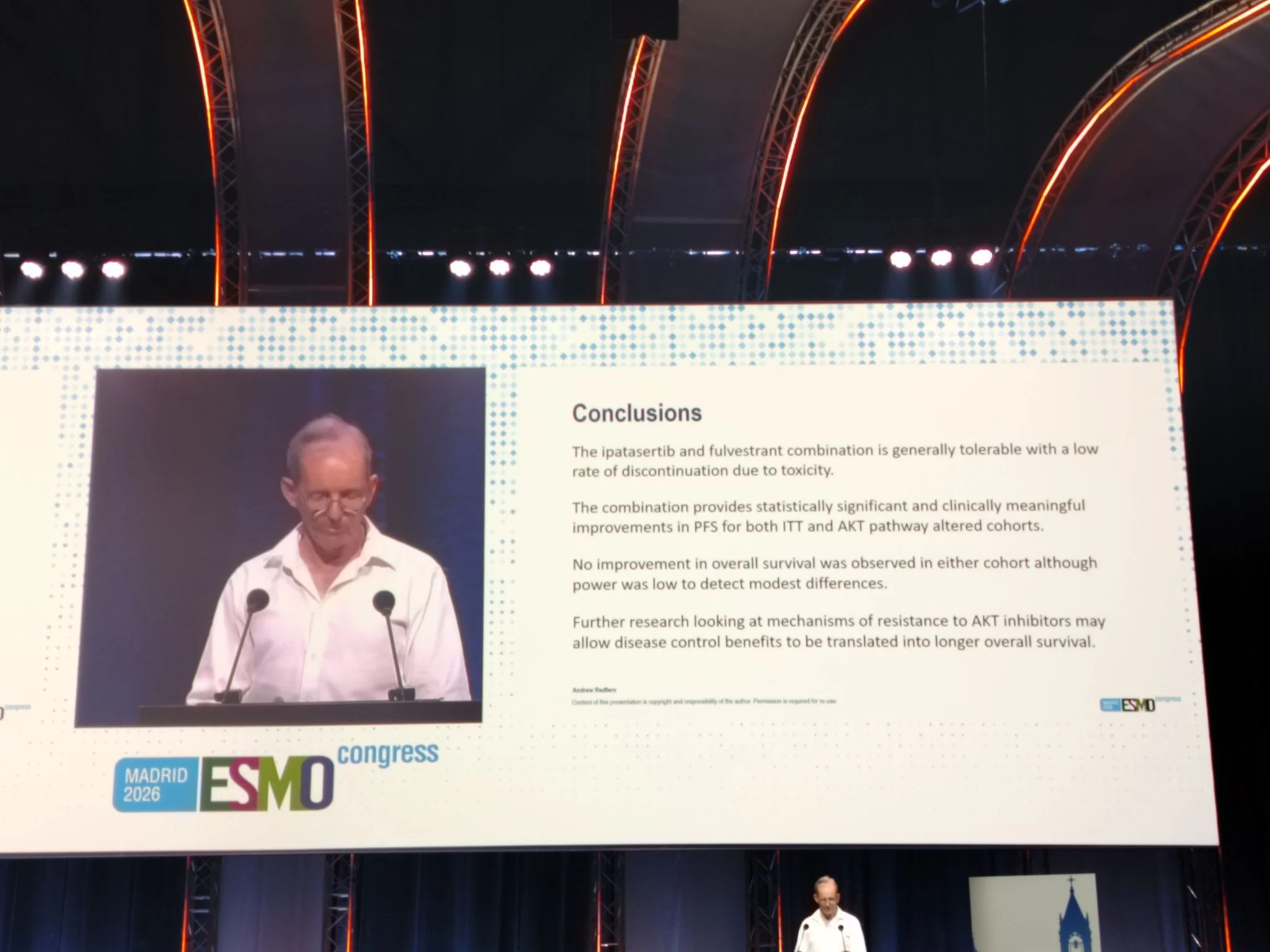
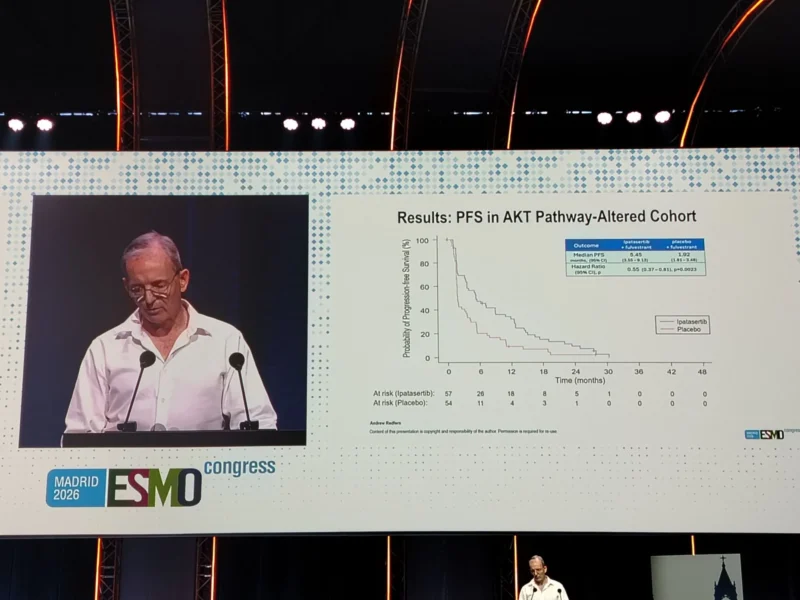
Second, the trial on ipatasertib added to fulvestrant. The same results essentially (sustained PFS benefit, no OS benefit, though PFS benefit was higher), but much more thoughtful, critical presentation, highlighting advantages, yet admitting negative results. Same results, very different presentation. Congratulations to the speaker, that was important.
In conclusion, results are good, results are what we want to get from our trials, but results are what we have, even if we would like to have others, and their straight interpretation avoiding biases is as important for a researcher as research itself.”
“New drugs, new mechanisms of action.
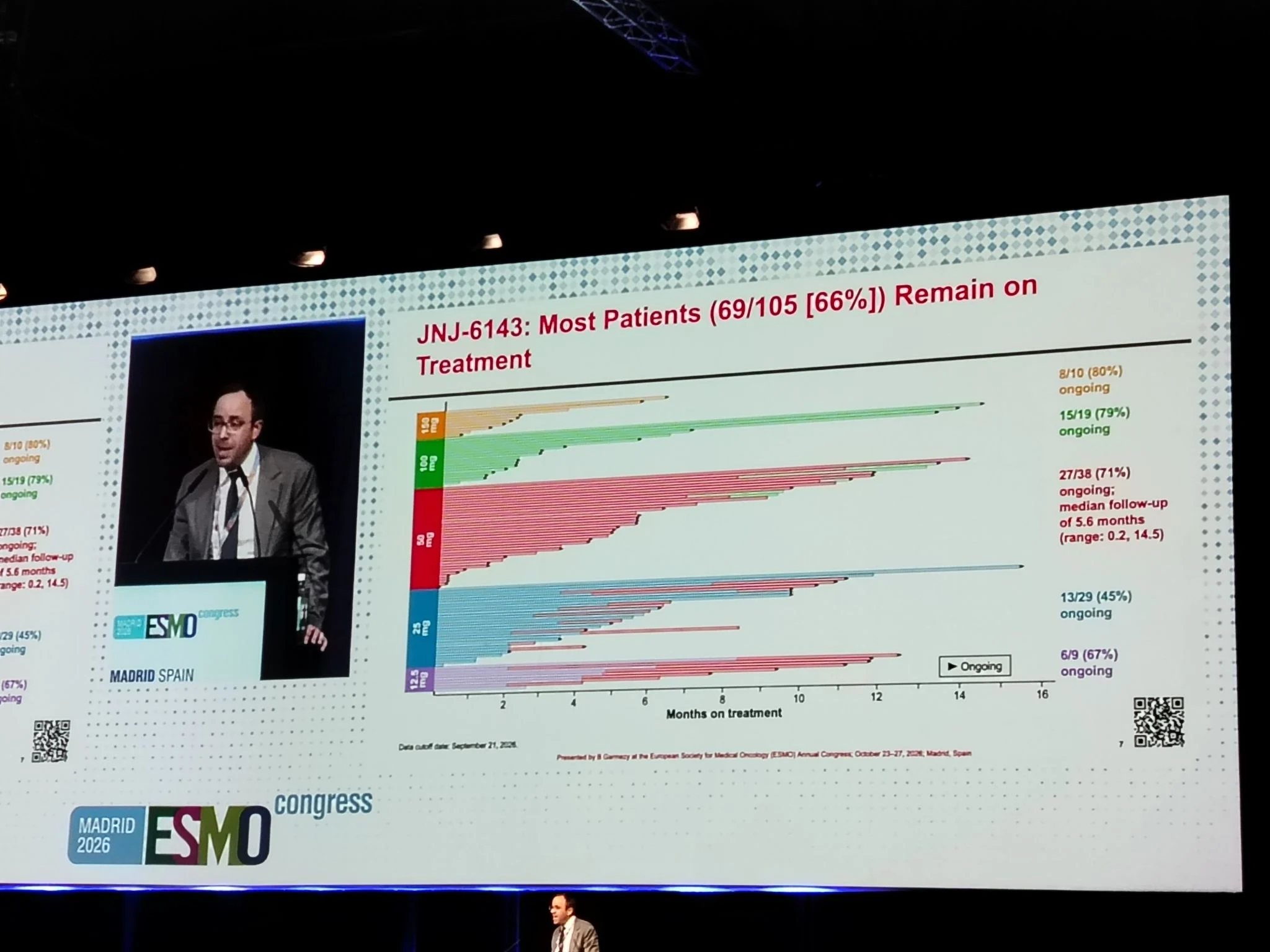
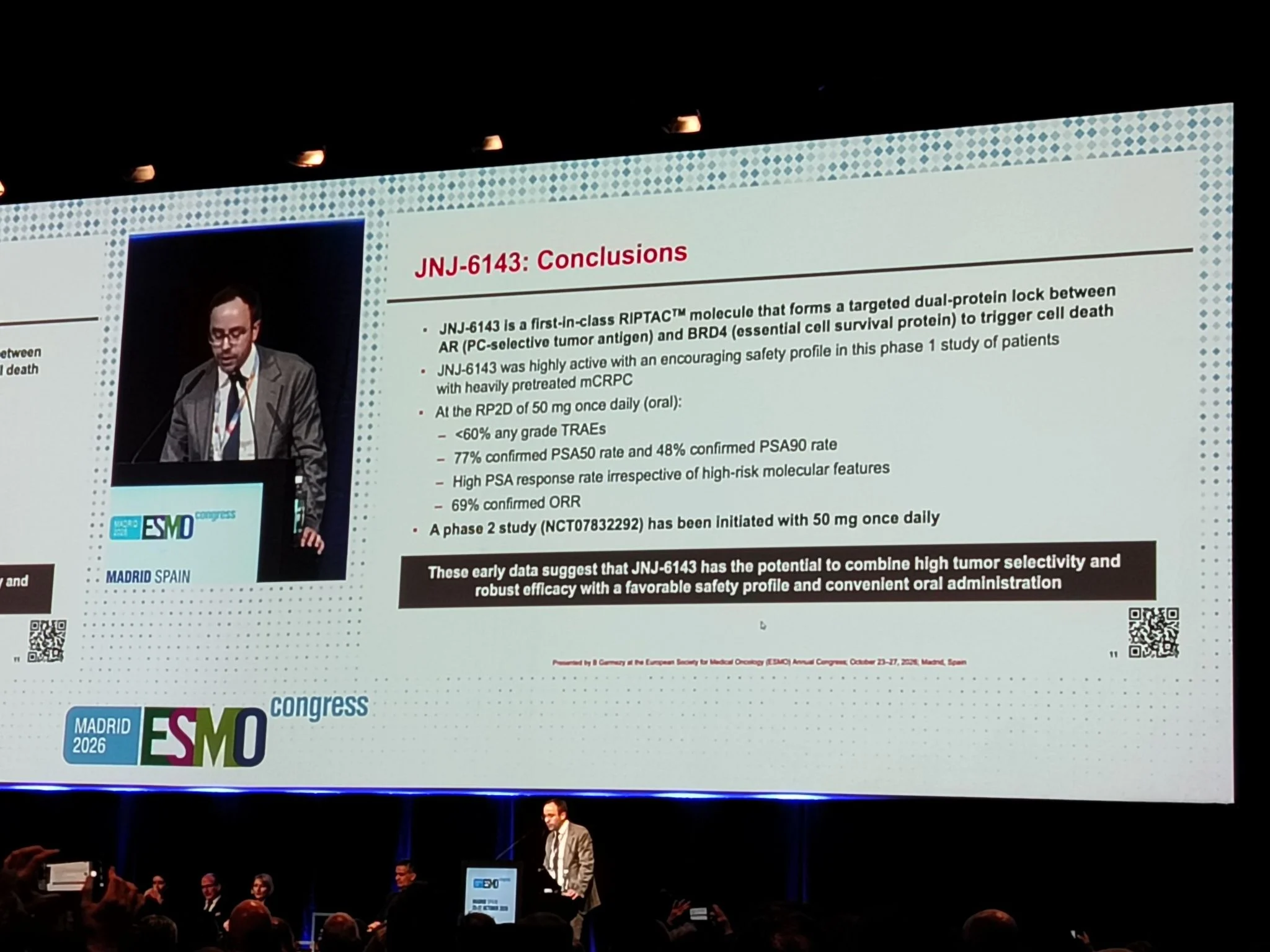
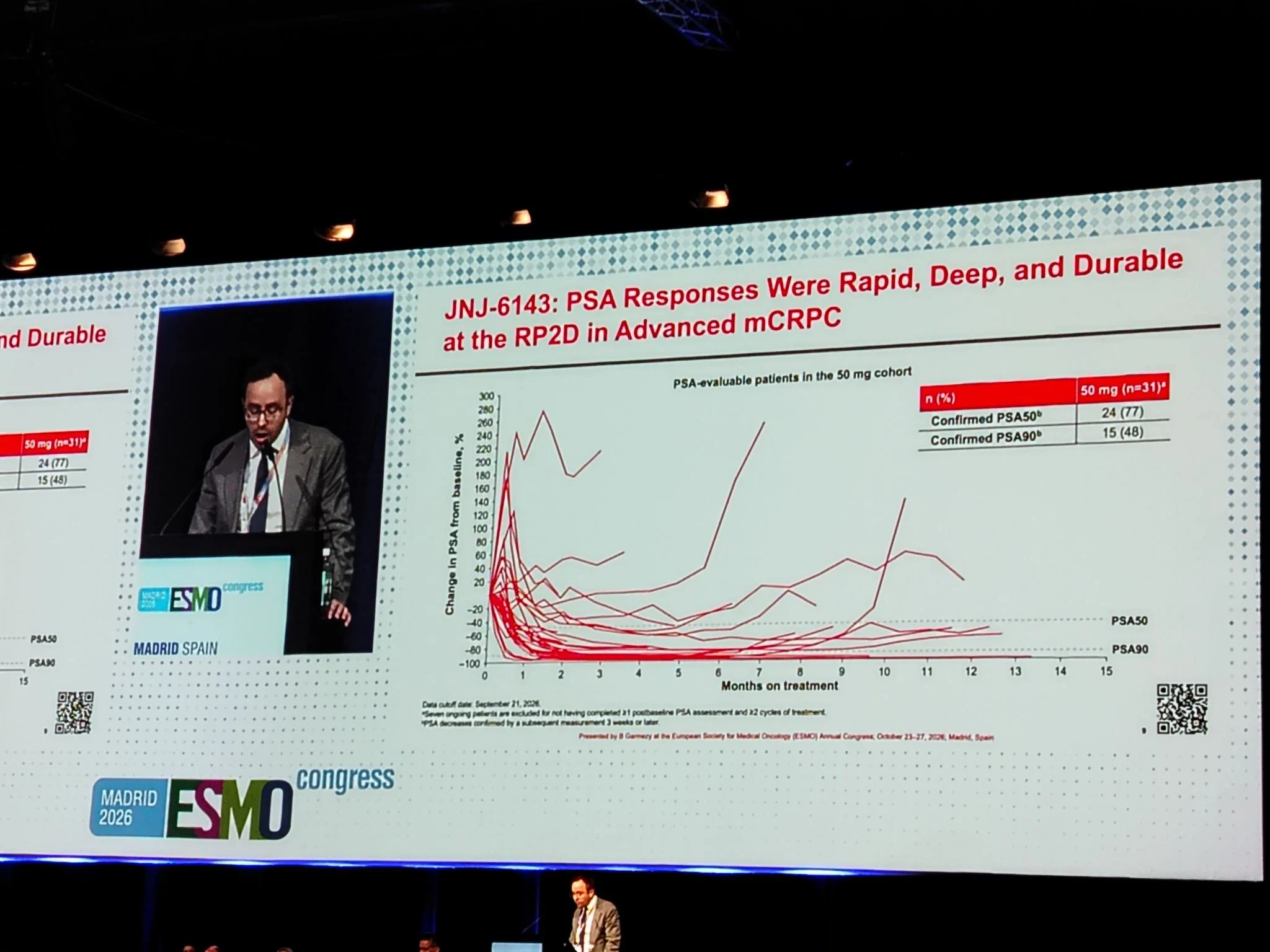
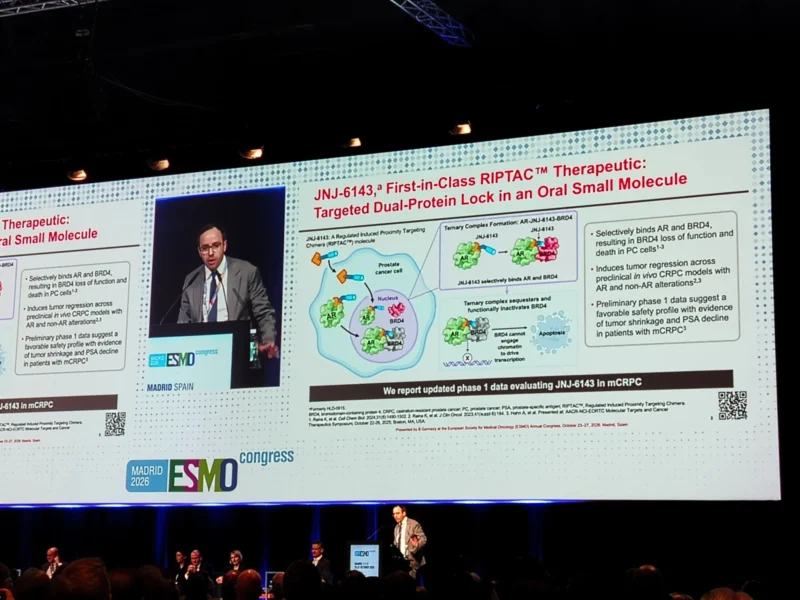
The first RIPTAC presented at ESMO26 for CRPC heavily pretreated prostate cancer patients.
Continues to exploit tumor AR-dependence even after AR-targeting drugs resistance. Smart idea.
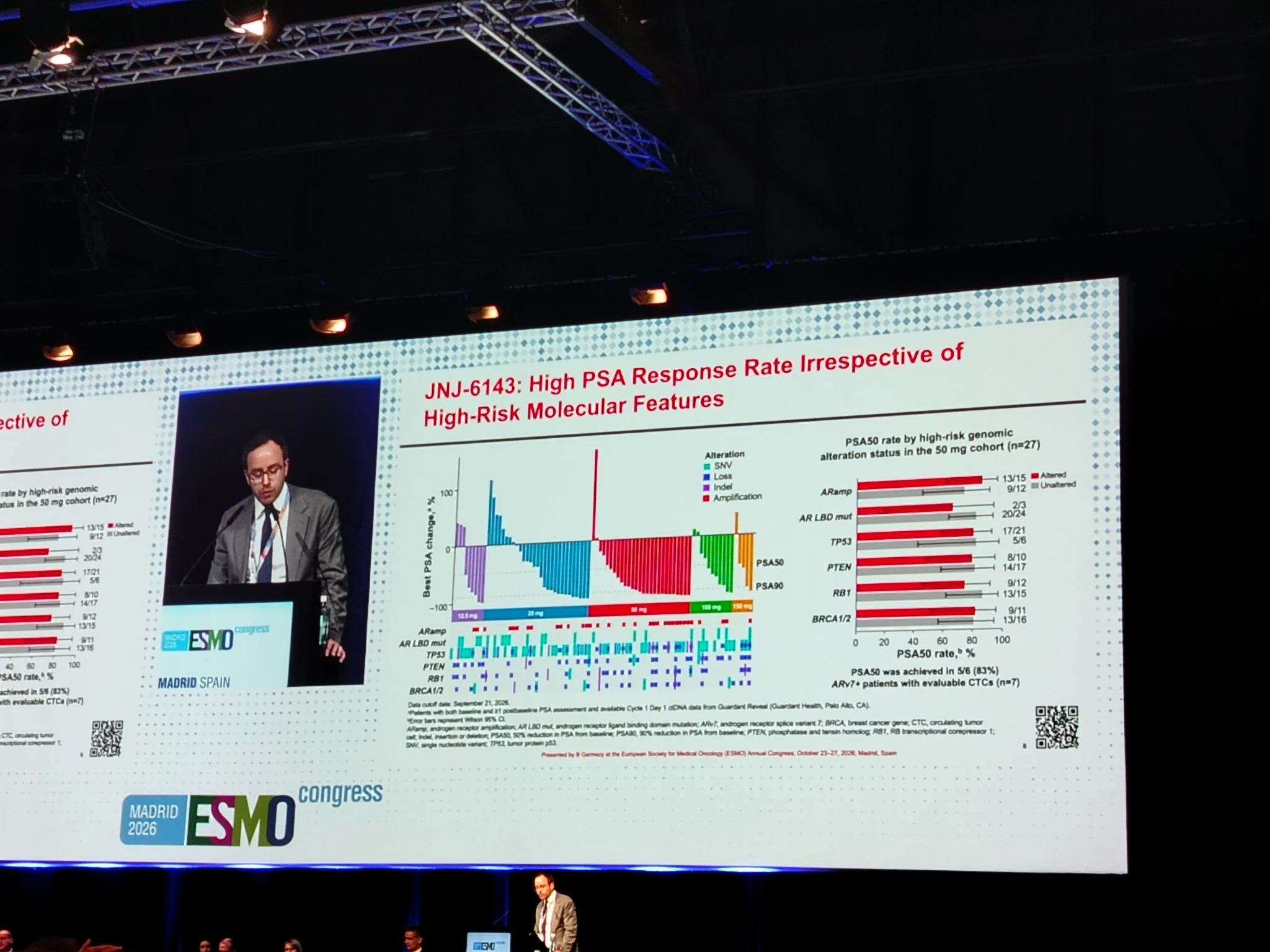
No dependence on mutations profile, working even in AKT pathway mutations. Covering most unfavourable biologies with one molecule. So appealing.
Deep PSA responses, long term effects. Phase II trial initiated. That is definitely something we are eagerly waiting for. The field can make a new step forward.
A new era in prostate cancer coming? Hopefully, yes, we need this.”
This also can be interesting: