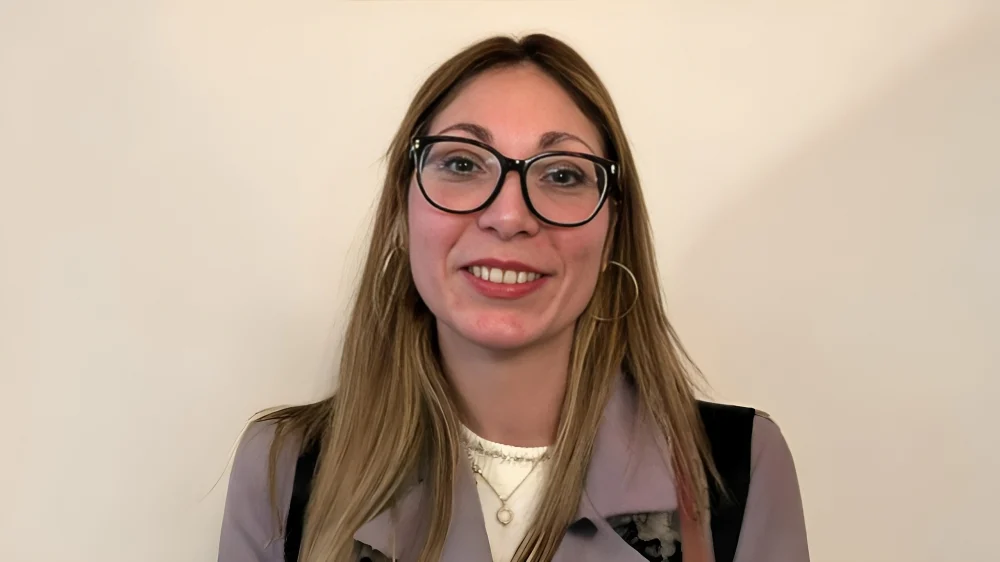
Maria Maddalena Laterza, Secretary at GOY (Gastro Oncology Young), shared on LinkedIn:
“ESMO Congress 2026, Biomarkers in Gastroesophageal Cancer: Challenges and Hope
Madrid, 24 October 2026
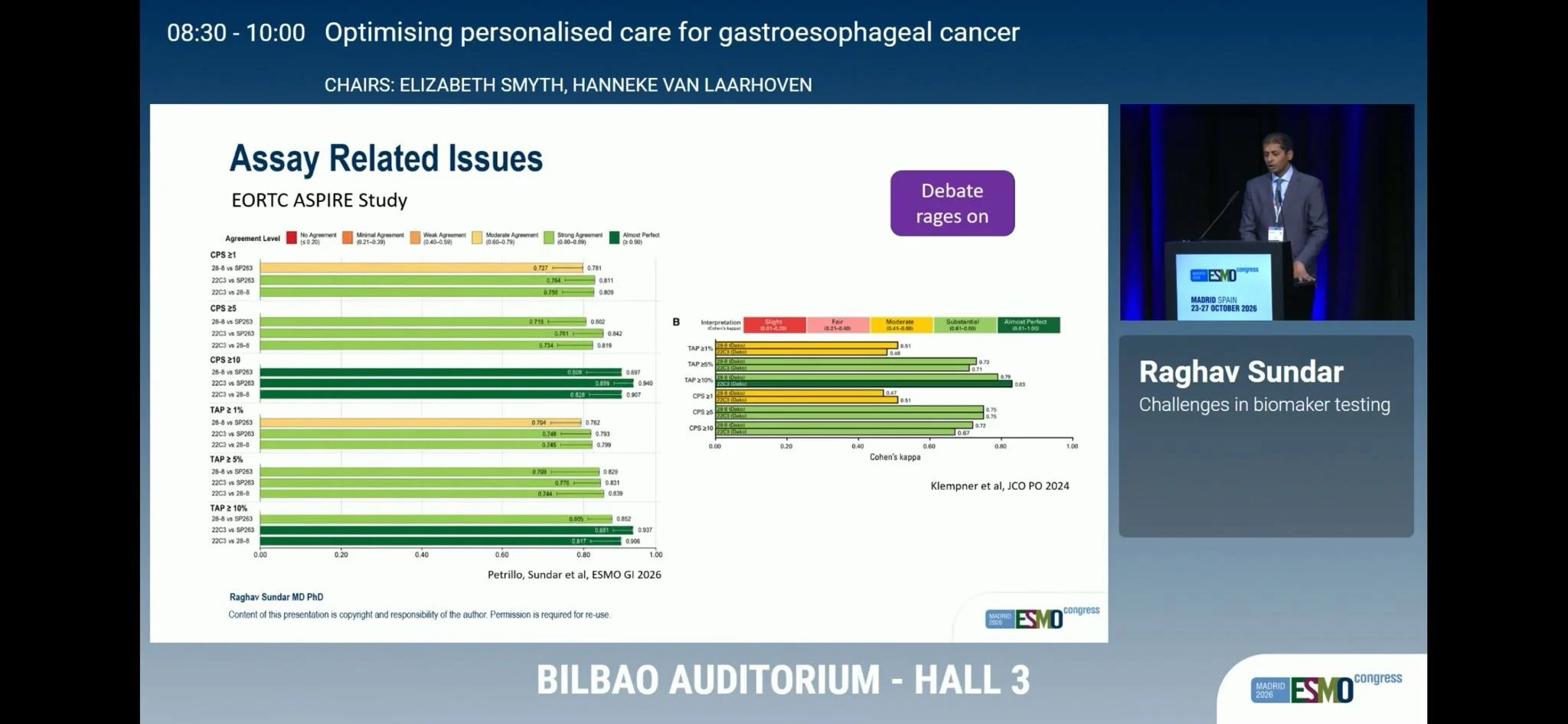
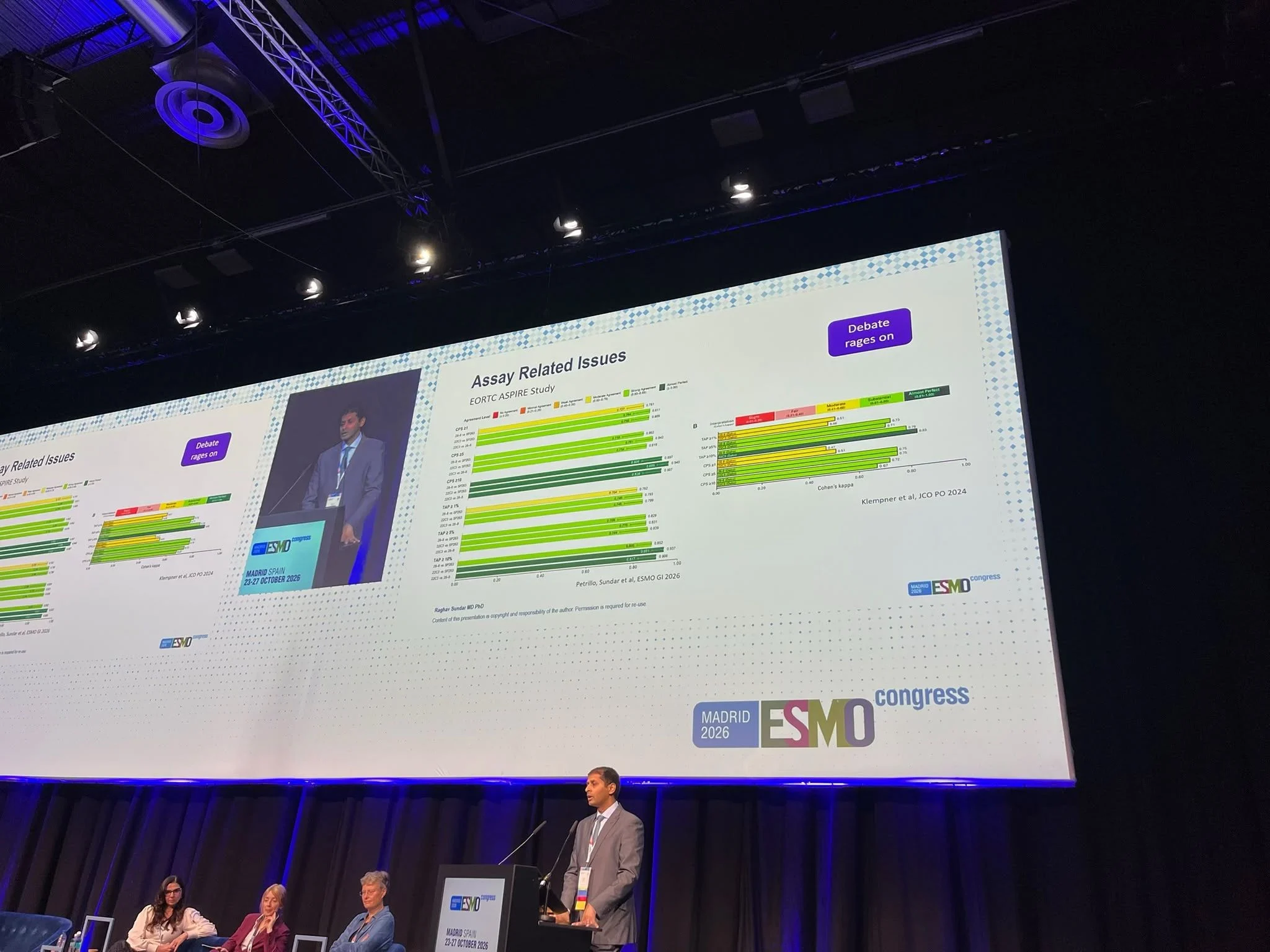
As an OncoDaily Ambassador, I am delighted to highlight an important scientific discussion presented by Prof. Raghav Sundar (Yale University) during the session ‘Optimising personalised care for gastroesophageal cancer.’
The presentation focused on one of the most critical challenges in precision oncology: how can we ensure that biomarker testing is accurate, reproducible and clinically meaningful?
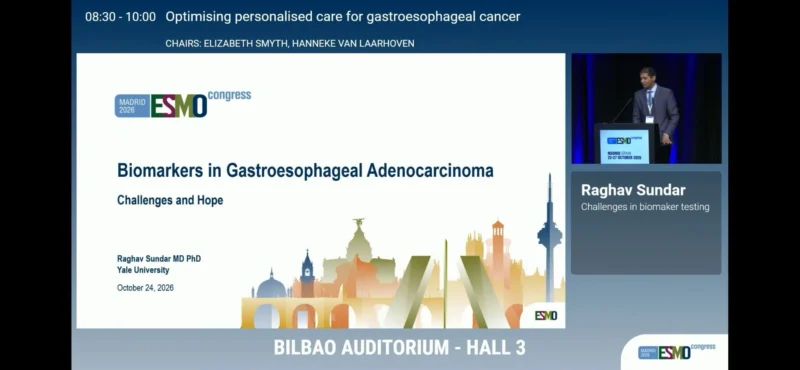
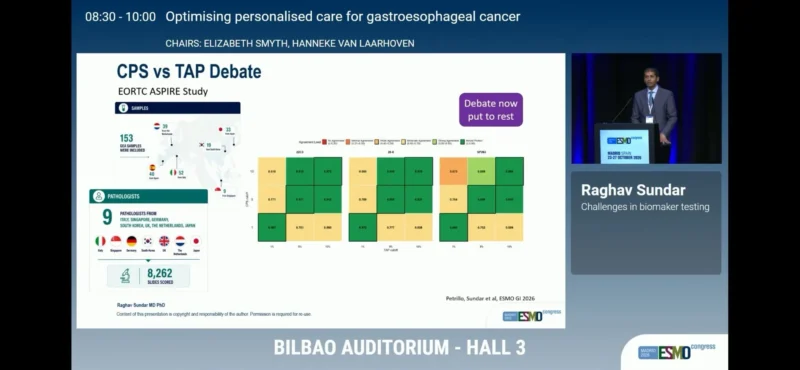
Particularly exciting is the EORTC ASPIRE study, a collaborative international effort involving our GOY President, Dr. Angelica Petrillo, whose contribution to this research makes this discussion especially meaningful for the Global Oncology Young community.
Key take-home messages:
- CPS vs TAP: moving beyond the debate. The comparison between Combined Positive Score (CPS) and Tumour Area Positivity (TAP) highlights the importance of understanding the strengths and limitations of different PD-L1 scoring approaches.
- Reproducibility remains a major challenge. Interobserver agreement can vary depending on the scoring system and cut-off selected, potentially influencing biomarker interpretation and clinical decisions.
- Assay-related variability matters. Differences between PD-L1 assays, including 22C3, 28-8 and SP263, underline the need for robust analytical validation and harmonisation.
- International collaboration is essential. The EORTC ASPIRE study brings together pathologists from different countries to address real-world challenges in biomarker assessment.
- Precision oncology requires precision in testing. Reliable biomarker evaluation is fundamental to identifying patients who may benefit from personalised therapeutic strategies.
The central message: Personalised medicine is only as reliable as the biomarkers guiding our decisions.
Congratulations to Dr. Angelica Petrillo, President of GOY, and all investigators involved in this important collaborative research!
As young oncologists, we strongly believe that international scientific collaboration, methodological rigour and multidisciplinary dialogue are essential to translating biomarker research into better patient care.
From biomarker challenges to clinical opportunities: the future of precision oncology depends on getting the testing right.”
You might be interested in:
10 Gastroesophageal Cancer Trials to Watch at ESMO 2026