





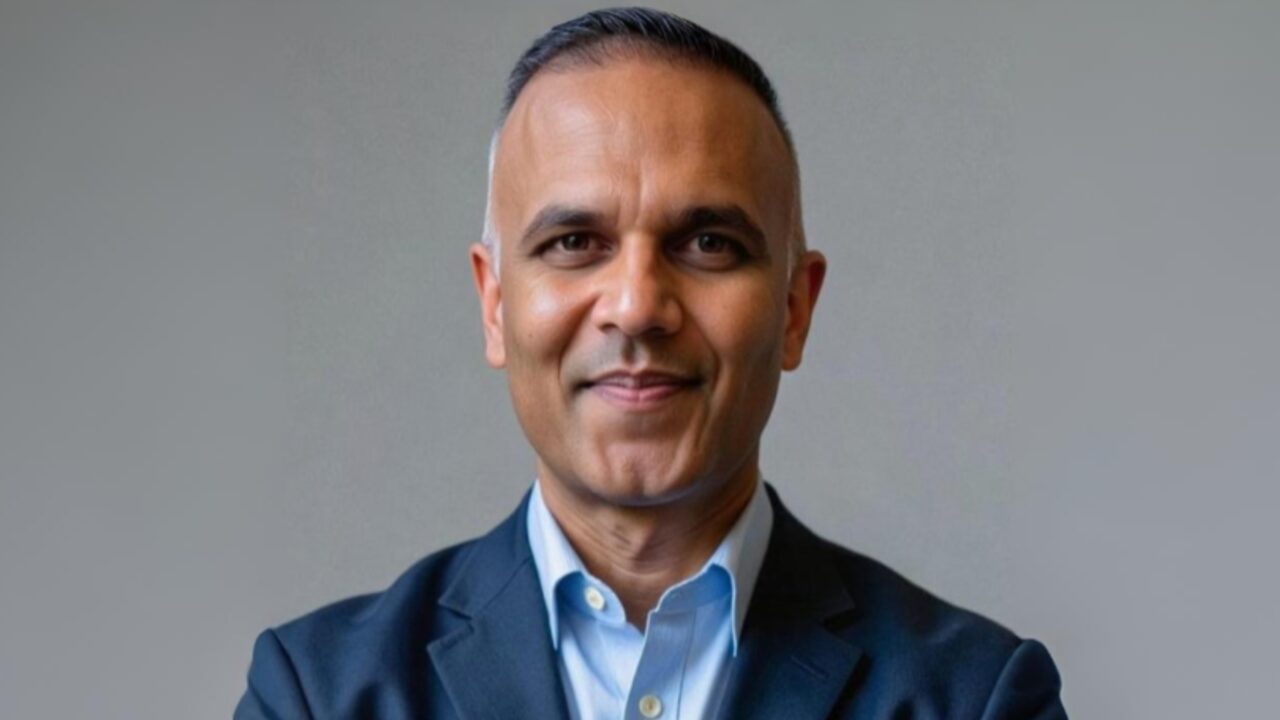
Manoj Reddy, Founder and President at Integrative Oncology Working Group, shared on LinkedIn:
“A cancer treatment can succeed; the patient’s health can still decline.
Oncology’s Next Frontier: Designing Care for Healthspan
Consider a man treated with radiation and androgen-deprivation therapy (ADT) for potentially curable prostate cancer. His cancer may be cured. Yet ADT can affect muscle, bone, metabolic and cardiovascular health, energy, sexual function, and independence for years.
Cure and consequence can coexist.
This gap is measurable. In a population-based Ontario study of 29,097 men aged 65 or older, only 11.9% completed all recommended metabolic, cardiac, and bone health testing from six weeks before through one year after starting ADT.
This is not simply a survivorship problem that begins when treatment ends. The trajectory is shaped from diagnosis by treatment selection and duration, baseline risk, prevention, monitoring, and early intervention.
I use healthspan oncology as an organizing lens for every phase of care: optimizing cancer outcomes while protecting health, function, independence, and quality of life over time.
Health protection begins with treatment itself. Clinical risk tools and genomic classifiers such as Decipher can refine risk and inform questions about ADT use and duration. Protection continues through baseline assessment, longitudinal measurement, prevention, and early intervention.
The breadth is deliberate: healthspan is shaped by more than cancer biology. The model spans precision medicine, AI-enabled prediction and wearable monitoring, exercise, nutrition, rehabilitation, evidence-based integrative care, and geroscience. Each must be validated, actionable, and tied to outcomes that matter to patients.
The innovation is not any one modality. It is the integration of cancer treatment and health protection, with longitudinal clinical ownership and accountability for the whole patient.
My perspective is shaped by 20+ years in oncology, training across integrative, obesity, and longevity medicine, and the community of 3,200+ oncology professionals across 78 countries I convene through the Integrative Oncology Working Group.
I am building a direct-care model to test this lens.
Healthspan oncology is not oncology followed by survivorship. It is oncology designed around the full life of the patient.
Prostate cancer is one example. Future posts will examine other cancers and how to anticipate and manage treatment consequences.
As a Material Change Institute VC Fellow and member of Springboard Enterprises’ inaugural Longevity Council, I want to meet founders building oncology solutions whose value emerges over years, not weeks.
What must a credible healthspan oncology model measure and prove? What new ventures become possible when this goal is designed in from diagnosis?
Building in this direction? Let’s connect.
References in first three comments.
Views are my own, not those of the U.S. Department of Veterans Affairs or U.S. government.
Educational only; not medical advice.”
Other articles featuring Manoj Reddy on OncoDaily.

