Luiz Inácio Lula da Silva, President of Brazil, shared on X:
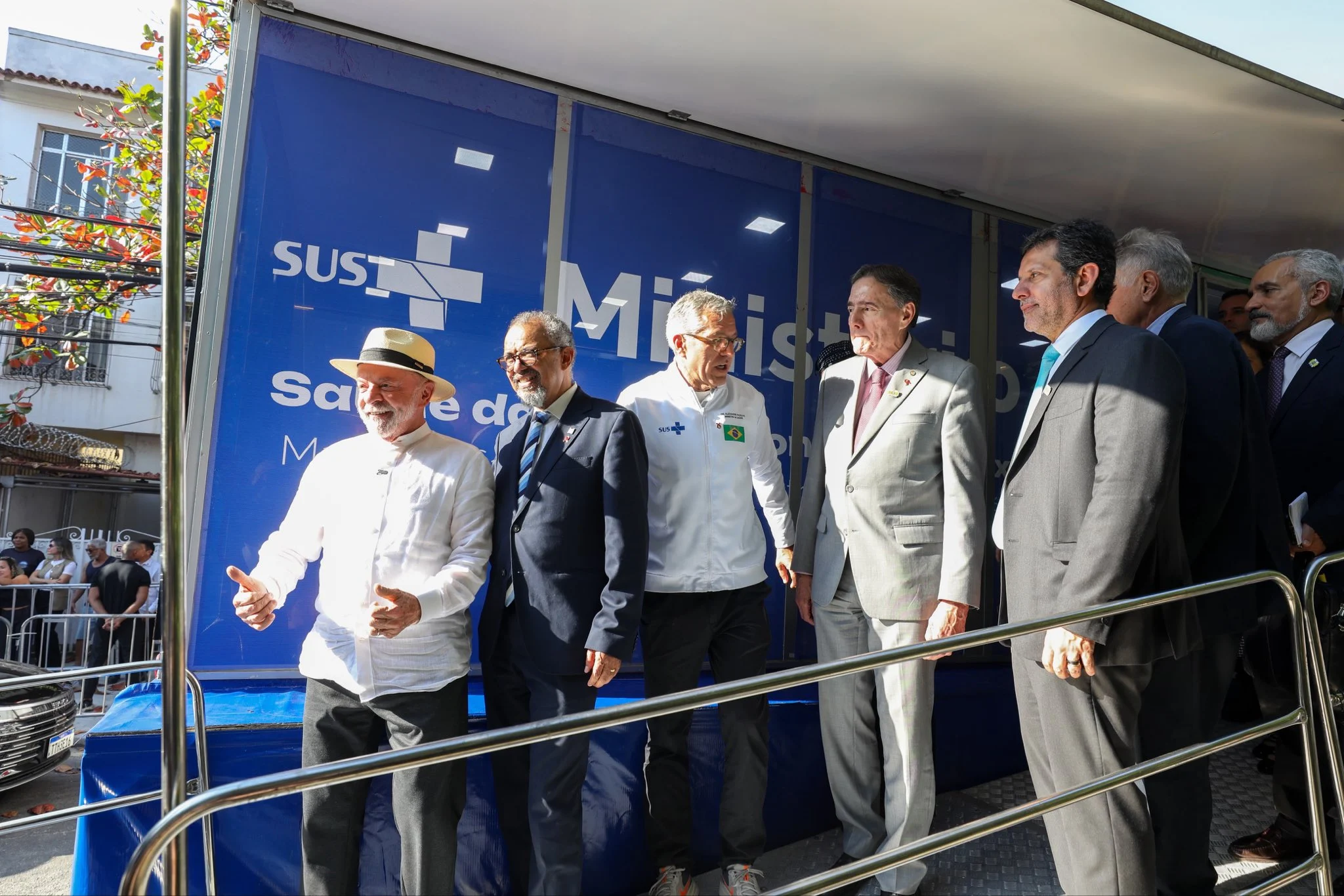
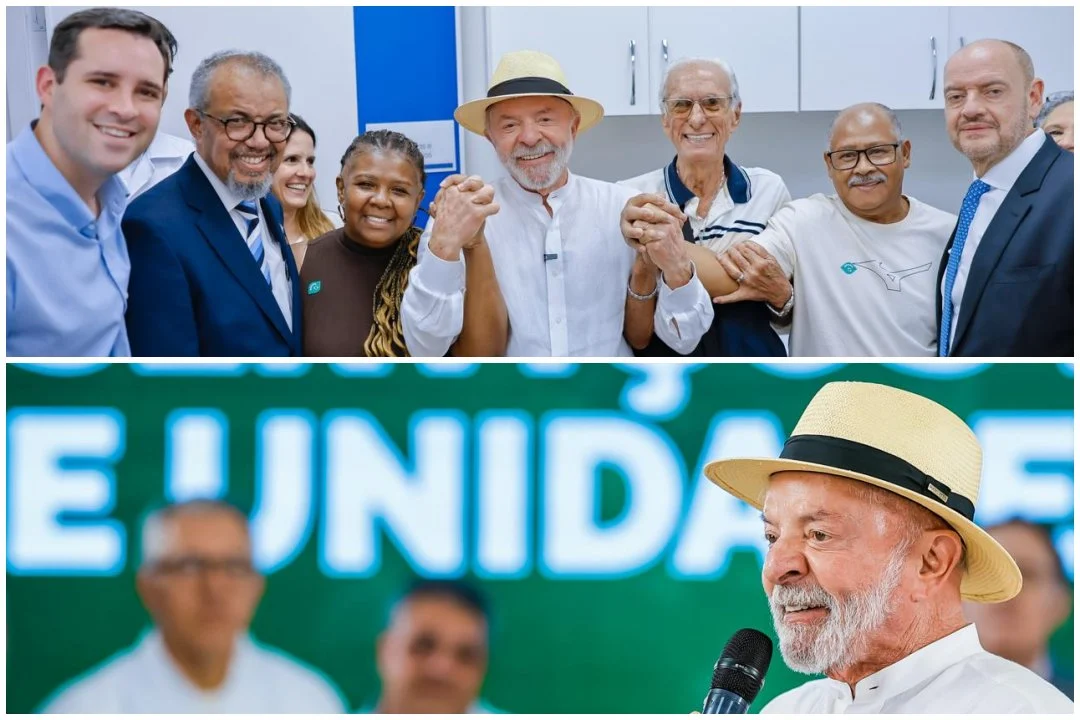
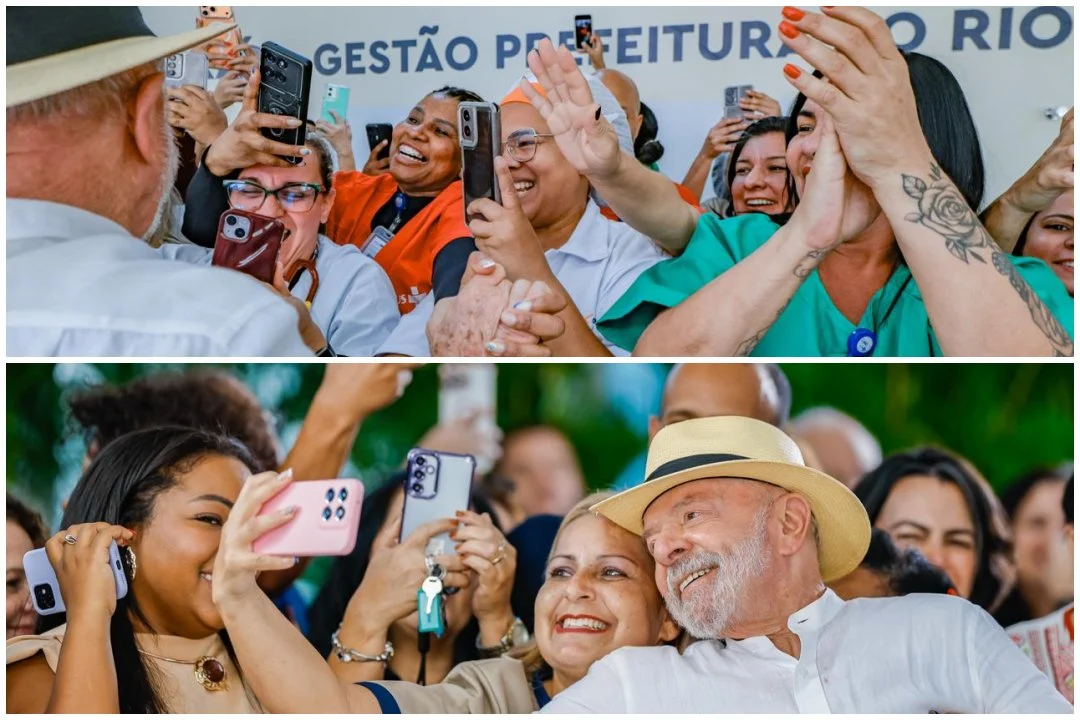
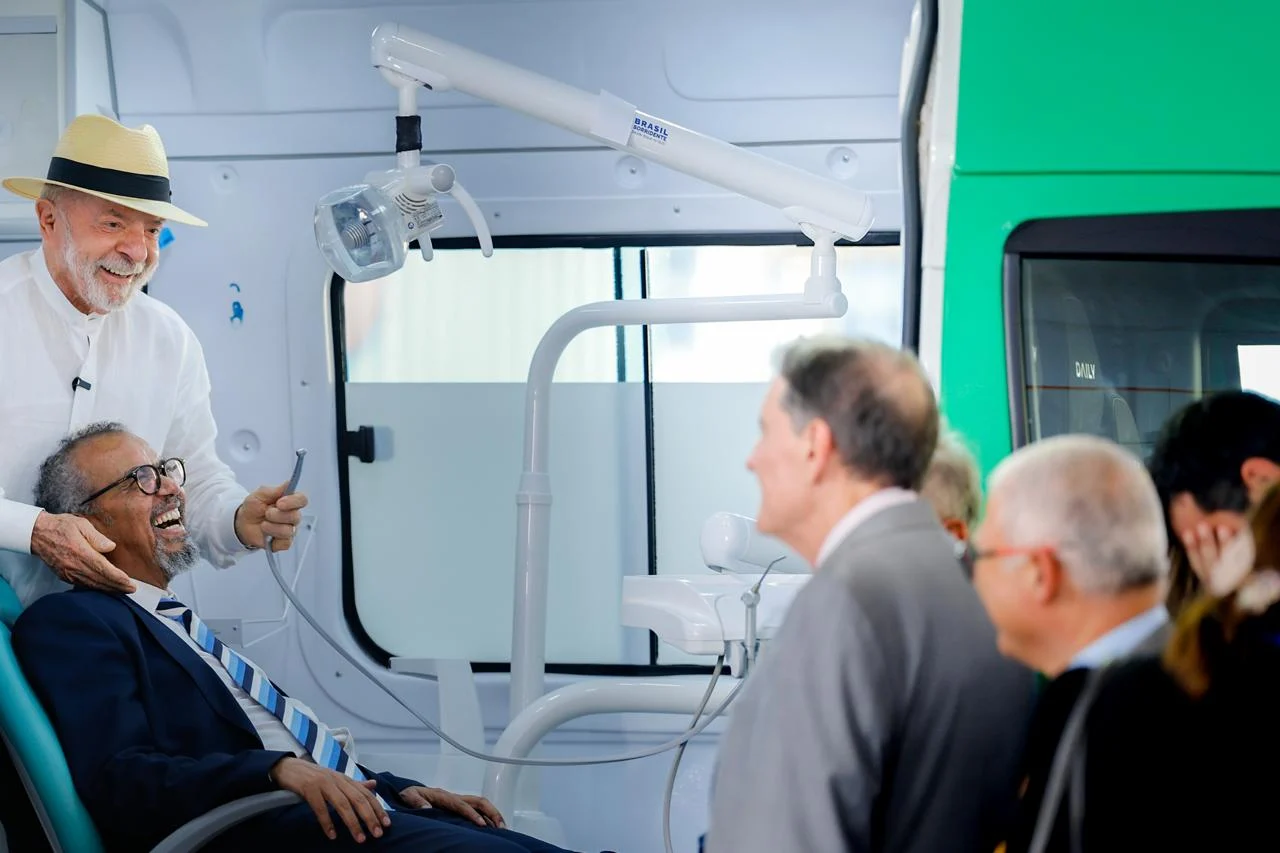
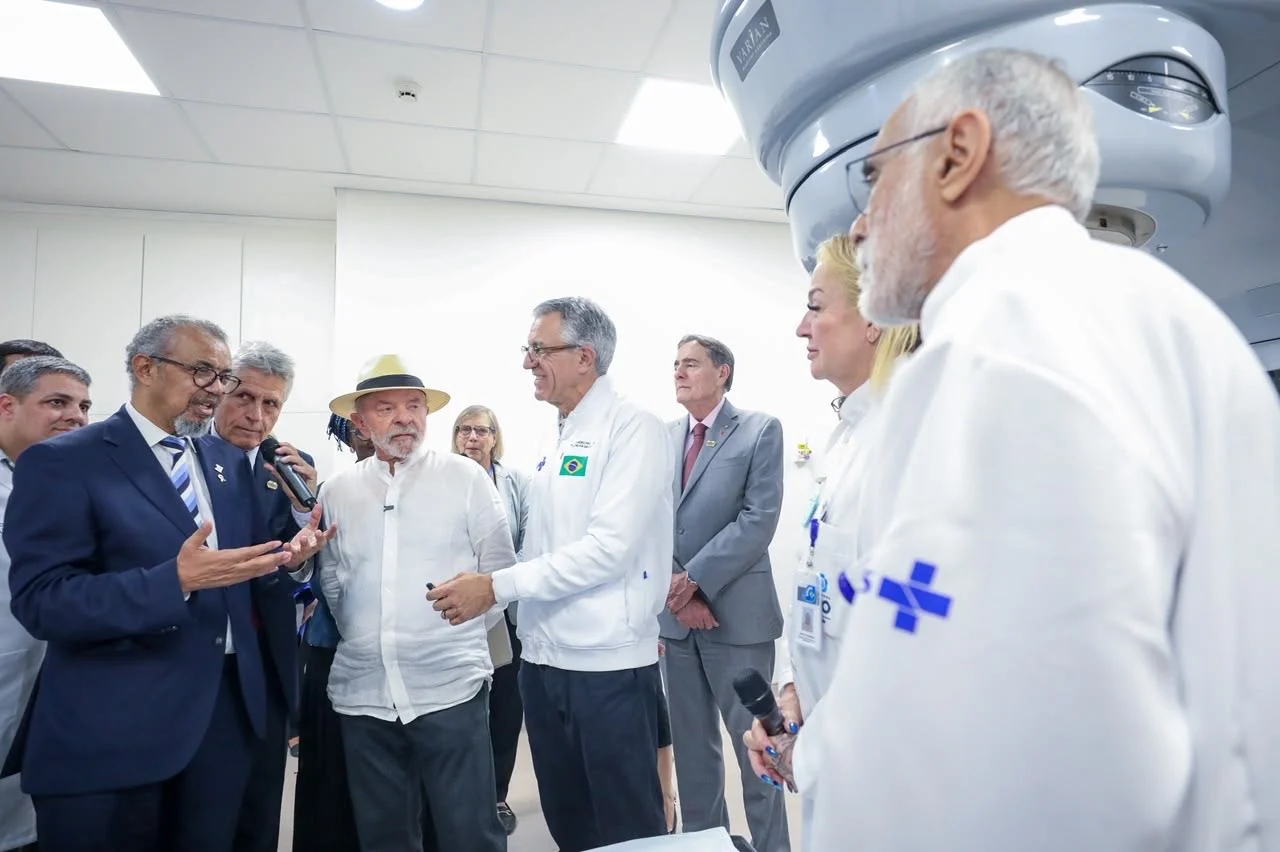
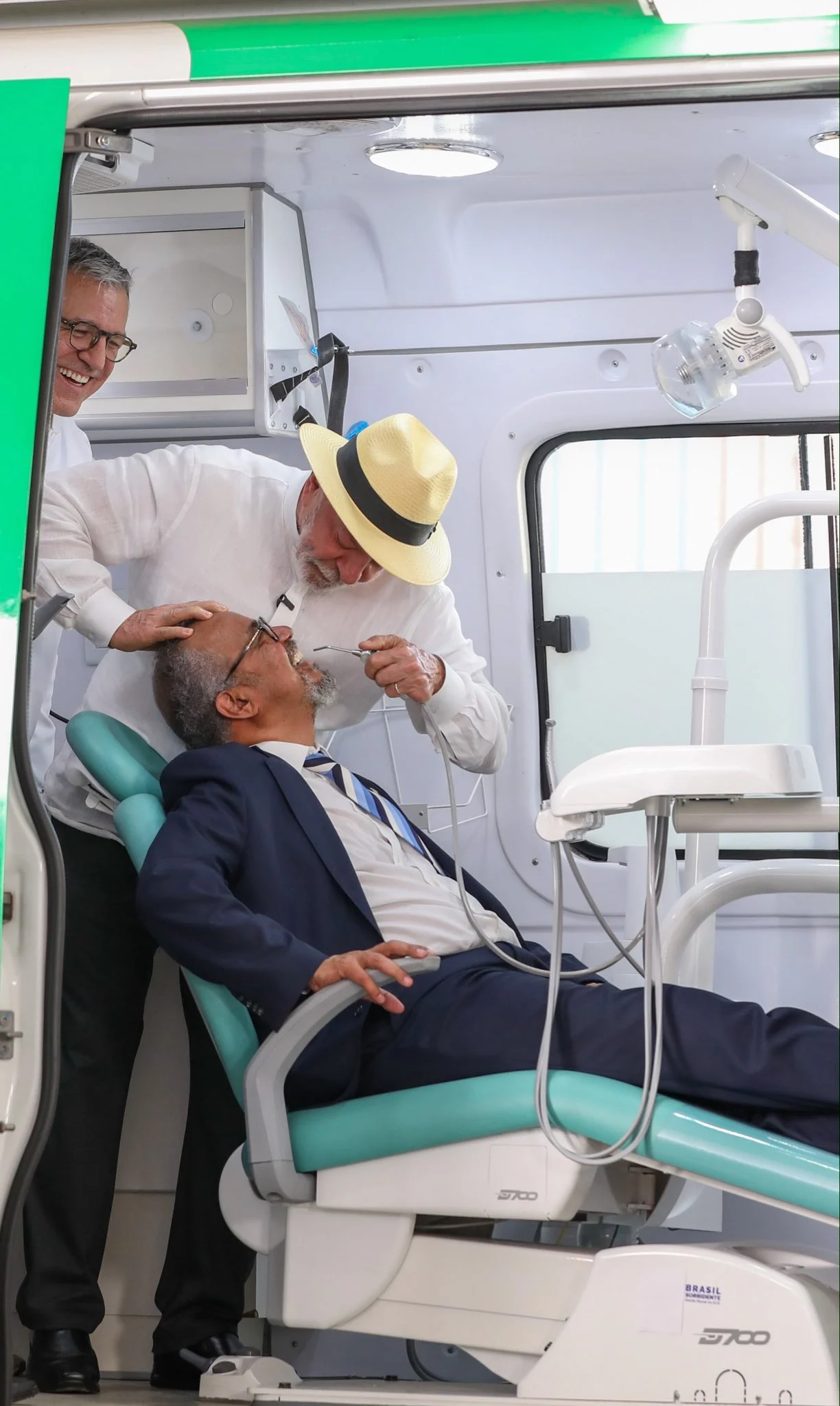
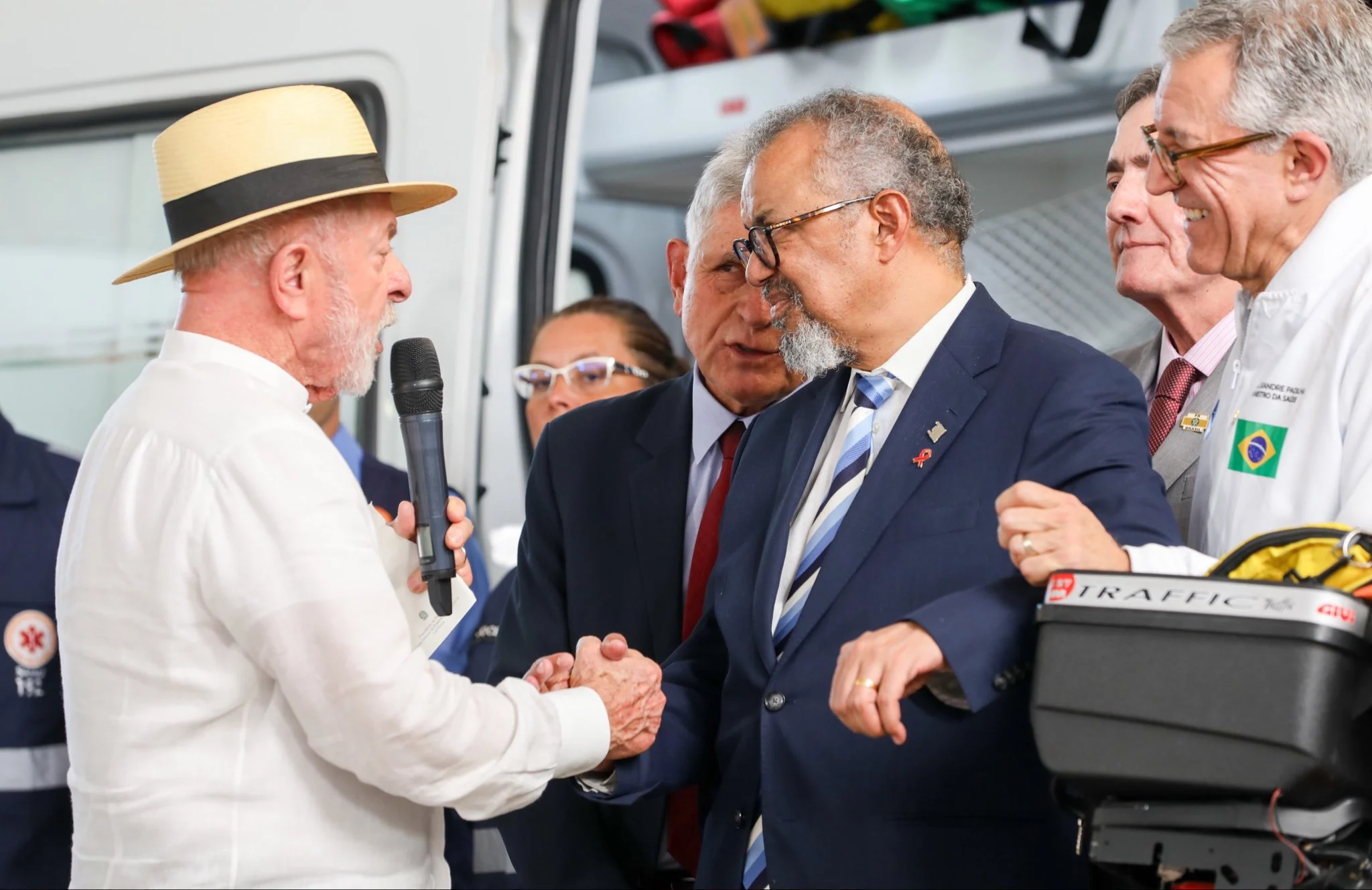
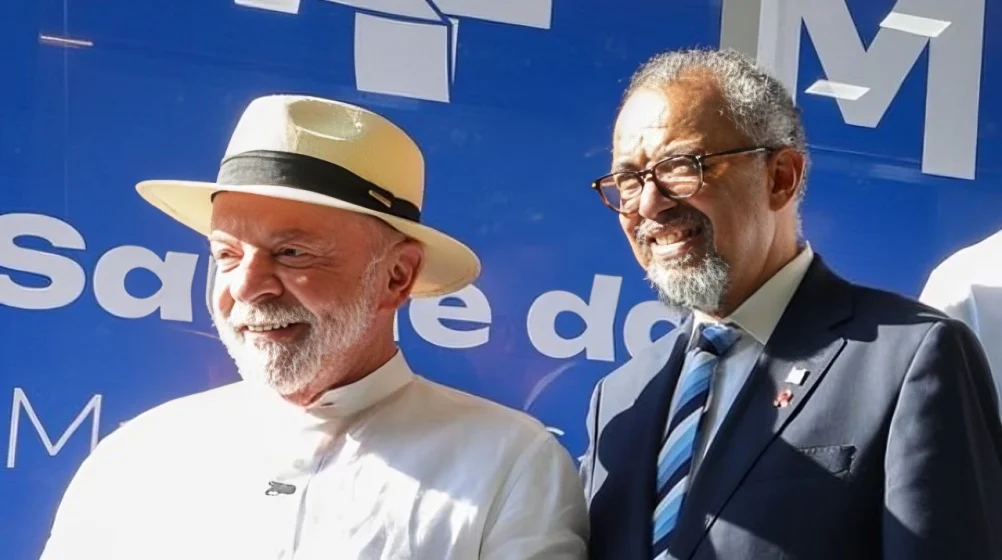
“We had the pleasure of welcoming Tedros Adhanom Ghebreyesus, Director-General of the World Health Organization, in Rio de Janeiro. We visited the Federal Hospital of Andaraí, Mobile Dental Units, and other health vehicles. We presented important advances in our SUS. We transformed six federal hospitals here in the city, which had been abandoned, into centers of excellence. We expanded investments, with a focus on innovation and the expansion of health access programs for Brazilian families.
We also delivered to the Pan American Health Organization (PAHO/WHO) the dossier that proves Brazil has eliminated vertical transmission of hepatitis B, that is, from mothers to their newborns. Recognition of work built through vaccination, quality prenatal care, diagnosis, and a great deal of care to protect mothers and children.
I made a point of inviting you, Dr. Tedros, because what we are doing here is an example for the world. And because we are proud to say that there is no country on planet Earth with more than 100 million inhabitants that has a health system that works like the SUS. Thank you very much for this visit.”
To which, Tedros Adhanom Ghebreyesus, Director General at World Health Organization, added:
“The pleasure was mine, President Lula, to join you on your visit to Andaraí Federal Hospital in Rio de Janeiro and see firsthand how sustained investment in public health is expanding access to care for millions of people across Brazil.
The hospital’s transformation is impressive. Expanded services, m9ccodern equipment and a strengthened health workforce are helping more people access the care they need, when they need it.
This investment is part of Brazil’s broader efforts to strengthen its Unified Health System (SUS) by expanding cancer care while also bringing health services closer to underserved communities through Mobile Health Clinics and 1,200 new Mobile Dental Units. The Mobile Health Clinics have already provided diagnostic imaging, eye care and cancer prevention services to more than 613,000 people, while the new dental units have the potential to reach more than 4.3 million additional people every year.
Strong public health systems save lives, reduce inequalities and move us closer to universal health coverage. WHO is proud to support Brazil as it continues to invest in health for all.”