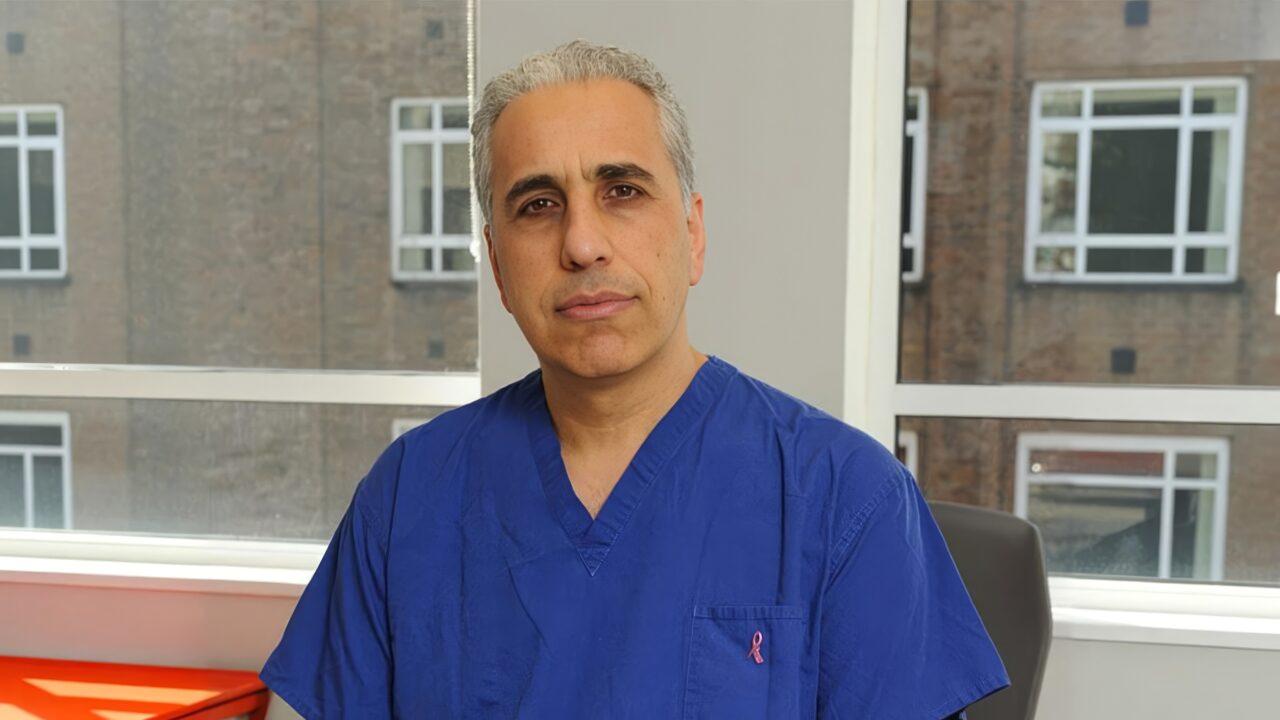
Kefah Mokbel, Chair of Breast Cancer Surgery at London Breast Institute and Honorary Professor of Medicine at Cardiff University School of Medicine, shared a post on LinkedIn:
“MRI-guided de-escalation in HER2-positive early breast cancer.
Delighted to share our latest Editorial Commentary, published today in Translational Breast Cancer Research (Impact Factor 3.9), co-authored with Dr. Aydah AlAwadhi.
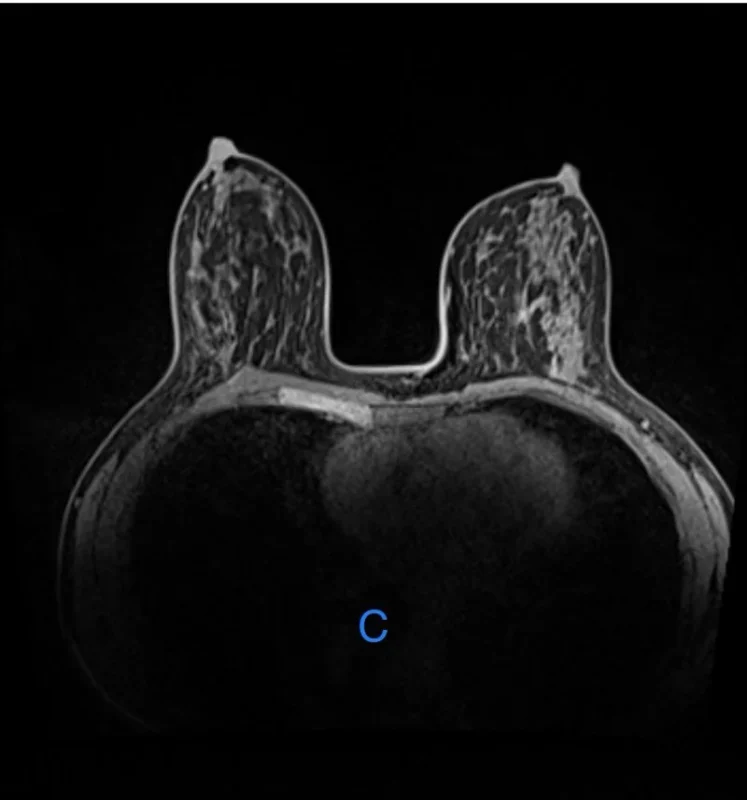
We examine the practice-changing TRAIN-3 trial (Lancet Oncology 2026), which used breast MRI to individualize chemotherapy duration in HER2-positive early breast cancer – truncating treatment upon radiological complete response rather than fixed cycle counts.
Key takeaways from our commentary:
- 3-year EFS of ~92% overall, with even better outcomes (96–99%) in patients who achieved rCR after just 1–3 cycles
- But: rCR was assessed locally across 43 hospitals without central review – reproducibility matters when imaging becomes a treatment gatekeeper
- In HR-positive disease, MRI’s negative predictive value for pCR was only 53% – nearly half of “complete responders” had residual disease
- The path forward likely combines imaging standardization + radiomics/AI + ctDNA monitoring + genomic risk stratification (e.g., HER2DX) for safer, more biologically grounded de-escalation.
Precision de-escalation is achievable – precision confirmation is the necessary next step.”
Title: MRI-guided de-escalation in HER2-positive early breast cancer: precision progress with necessary prudence
Authors: Aydah AlAwadhi, Kefah Mokbel
Read the Full Article.
You can also read:
Lumpectomy Margin Width and Local Recurrence in DCIS: Findings From NSABP B-35