Katy Beckermann, Medical Director of GU Clinical Research at Tennessee Oncology, shared on X:
”Day 1 of KCRS26 starts today in Boston.
Before the sessions kick off, the science is available to all.
Excited to dig into the details today.
An inspirational start to KCRS26 from Bryan Lewis and KidneyCAN. Scientists measure advancement in graphs and error bars. Our patients measure it in milestones: graduations, birthdays, babies, weddings. We gather today to run this race together and accelerate cures for kidney cancer.
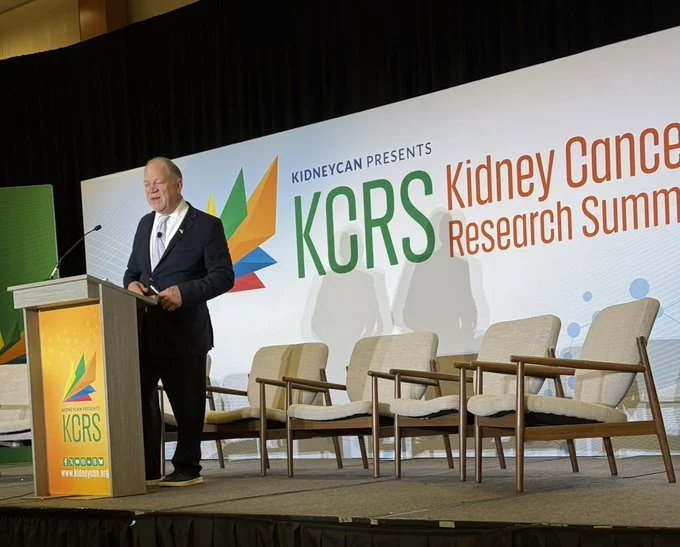
A KCRS26 Hall of Fame honor that could not be more deserved. Decades of mentorship, generosity, and relentless advancement of the entire kidney cancer field. So many of us are here because Toni Choueiri lit the path and then held the door open. Congratulations, and thank you.
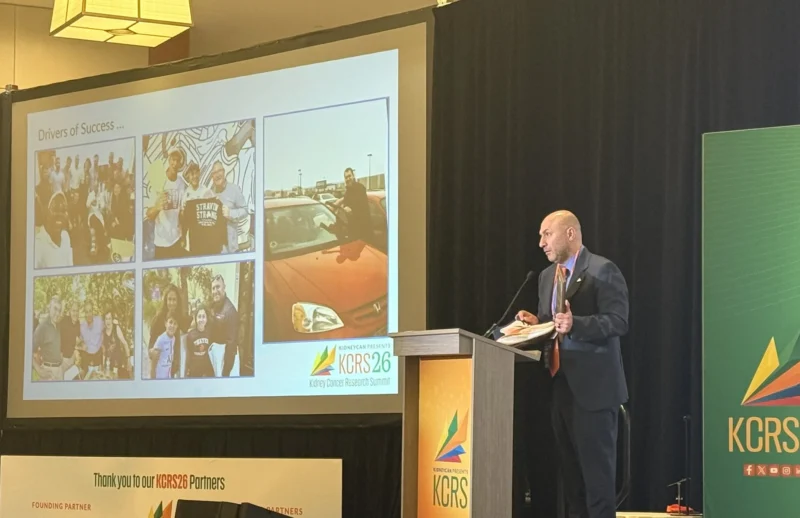
Yu-Wei Chen at KCRS26 dissecting ARNT (HIF-1β) expression across RCC.
ARNT expression was largely uniform across histology, tumor site, VHL and sarcomatoid status.
High ARNT (Q4) tracked with more CHEK2 and PALB2 alterations and fewer TP53, hinting at HIF/ARNT–genomic instability crosstalk.
No association with OS or time on VEGF TKI (HR ~0.95, p=0.59).
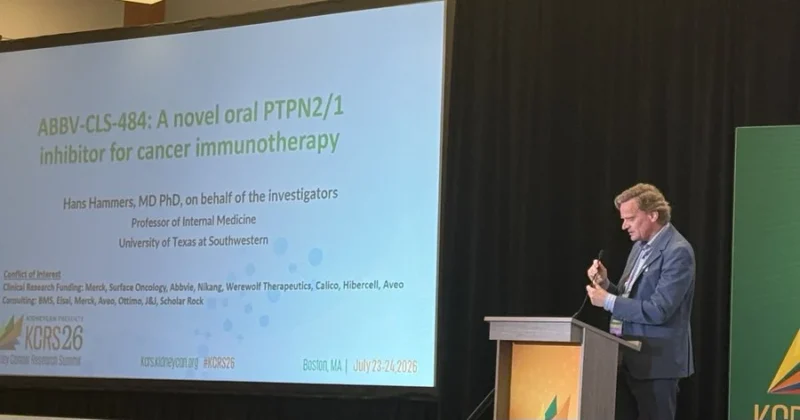
Hans Hammers at KCRS26 on ABBV-CLS-484, a novel oral PTPN2/1 inhibitor for cancer immunotherapy.
A first-in-class small molecule that releases an intracellular brake on T cell and NK signaling, amplifying the immune response from inside the cell rather than at the checkpoint.
Early-phase, but a genuinely new mechanism in the RCC immunotherapy toolkit. One to watch.
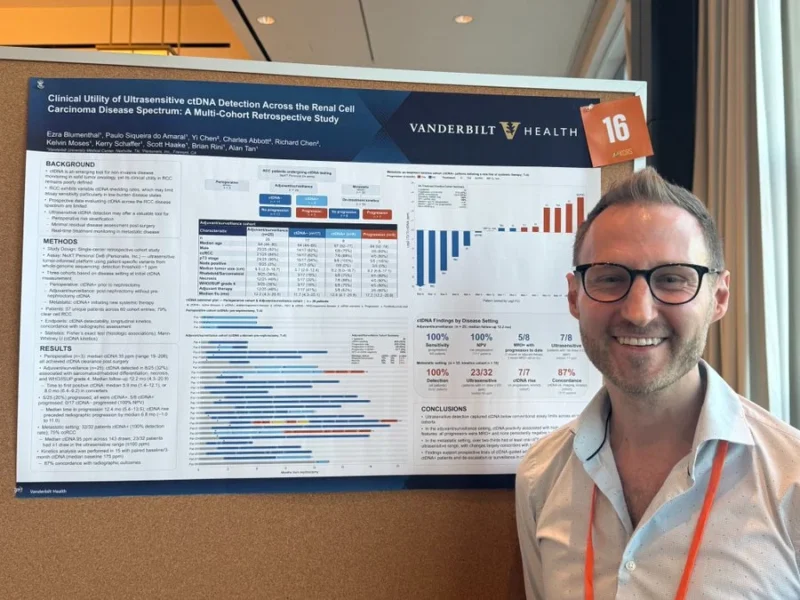
Sharp poster from Alan Tan and Ezra Blumenthal at KCRS26: ultrasensitive, whole-genome informed ctDNA (NeXT Personal, ~1 ppm) across the RCC spectrum.
Metastatic: 100% detection (32/32)
Adjuvant/surveillance: 100% NPV, 5/8 ctDNA+ patient progressed
ctDNA rise led radiographic progression by ~6.8 months
Small, single-center, higher-burden, but the lead-time signal is compelling. Next: more prospective ctDNA-guided studies ± KIM-1 or methylation.
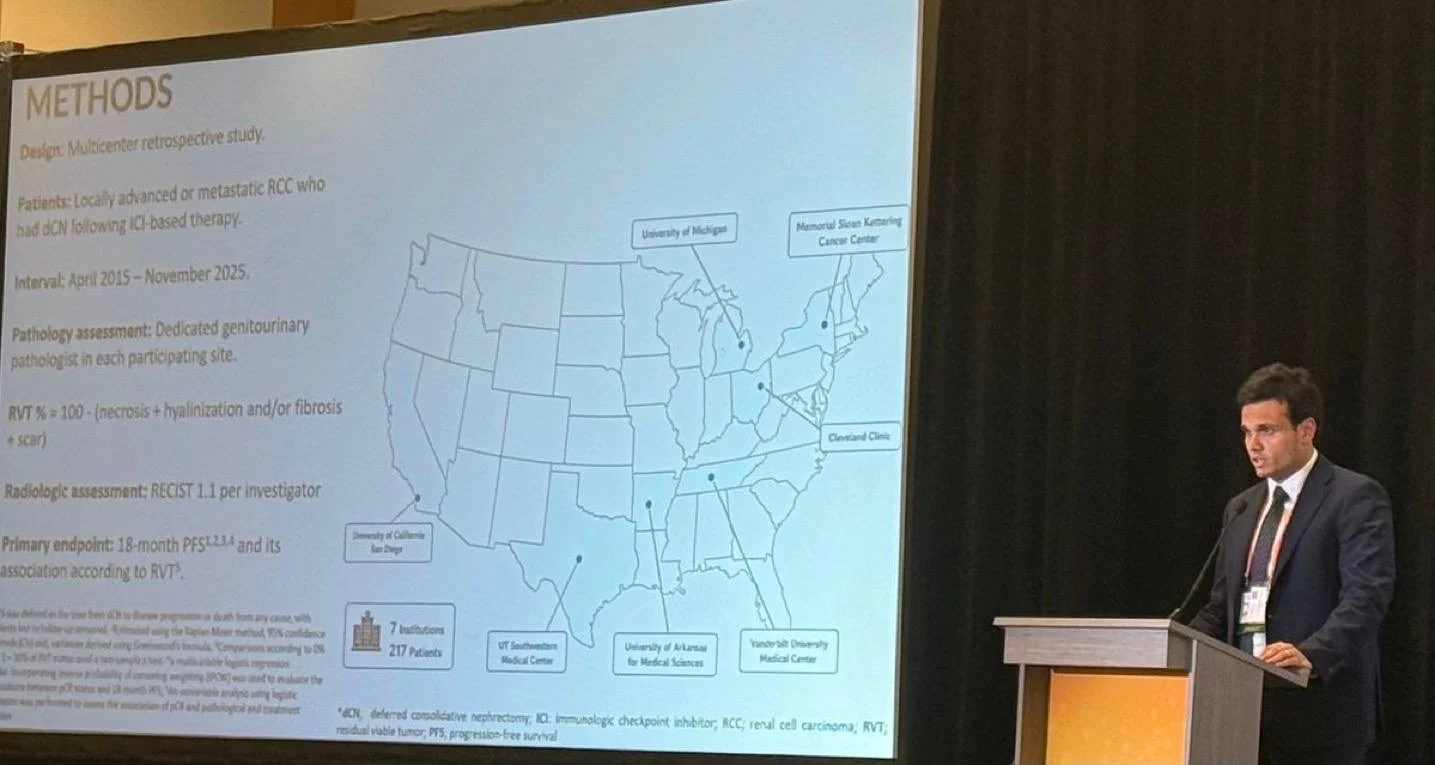
Important multi-institution study from Paulo Amaral at KCRS26.
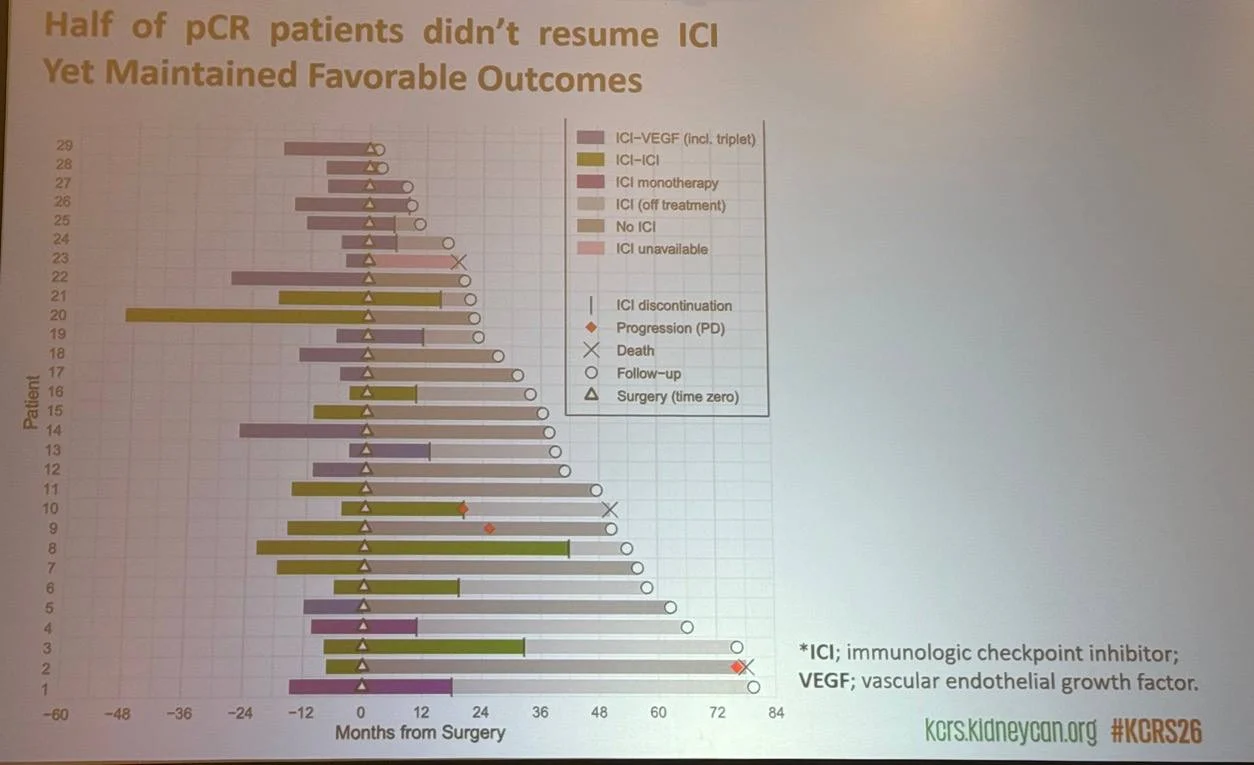
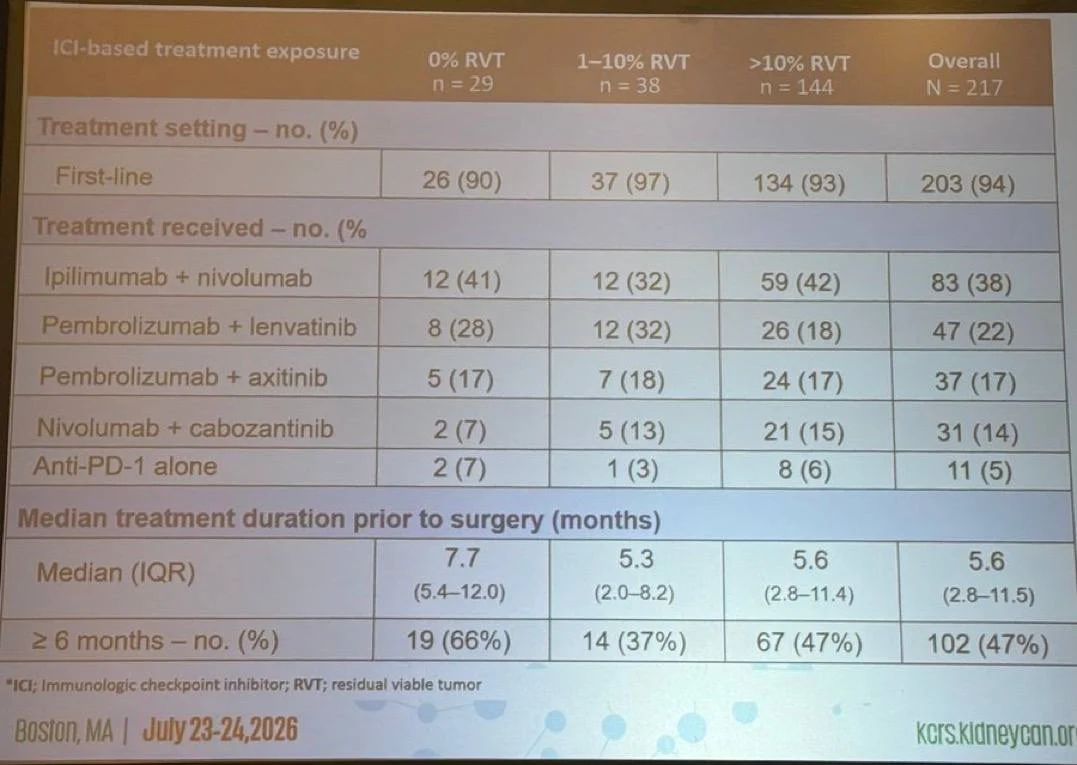
217 patients, 7 centers, deferred consolidative nephrectomy after ICI-based therapy for advanced RCC.
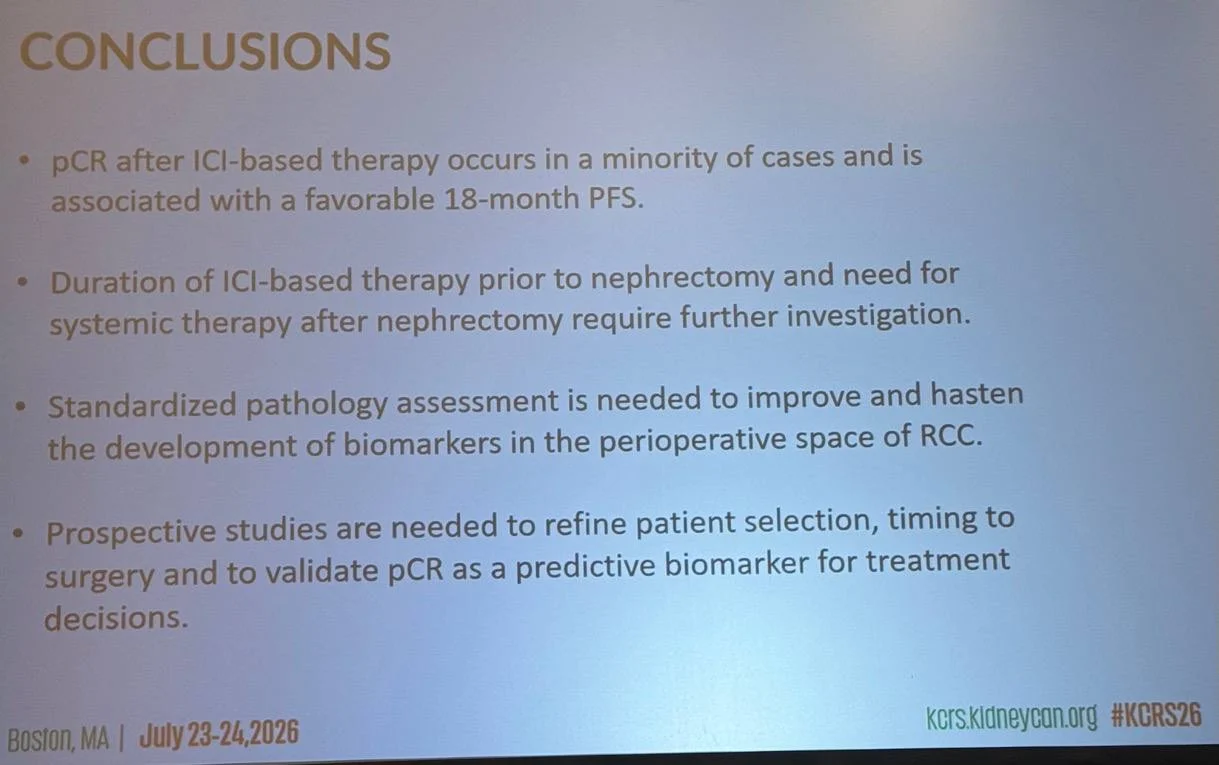
pCR (0% residual viable tumor) in ~13%.
pCR tracked with favorable 18-month PFS.
Half of pCR patients never resumed ICI and still did well.
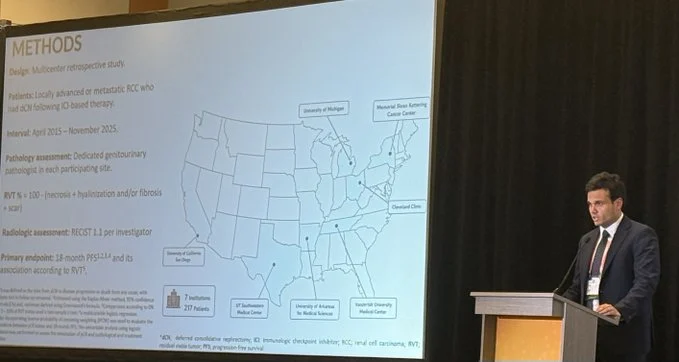
Next step: standardized pathology and prospective validation of pCR as a predictive biomarker.
Michael Serzan delivering ASCO 2026 RCC highlights at KCRS26
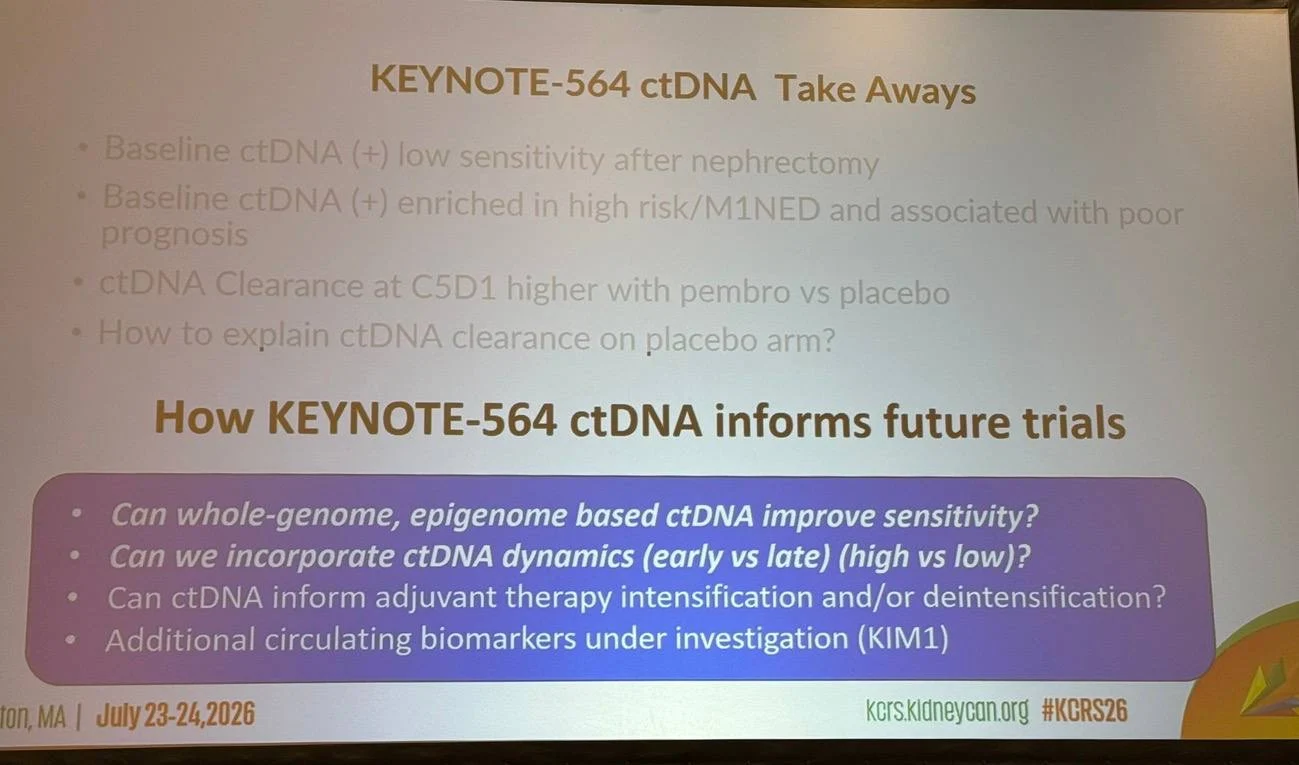
- KEYNOTE-564 ctDNA: low sensitivity for baseline positivity but enriched in high-risk/M1NED and poor prognosis, C5D1 clearance higher with pembro vs placebo
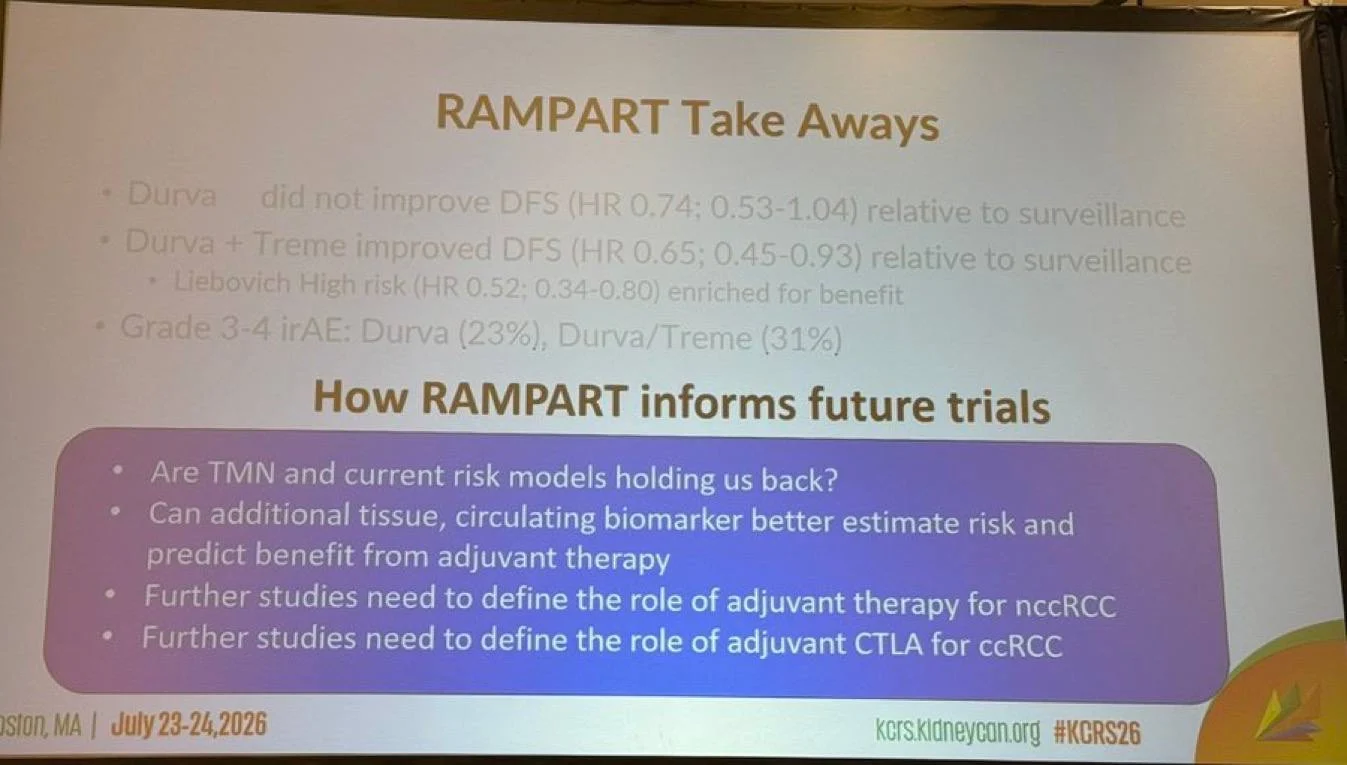
- RAMPART: durva alone missed DFS (HR 0.74), durva+treme hit it (HR 0.65), with Liebovich high-risk enriched for benefit (HR 0.52)
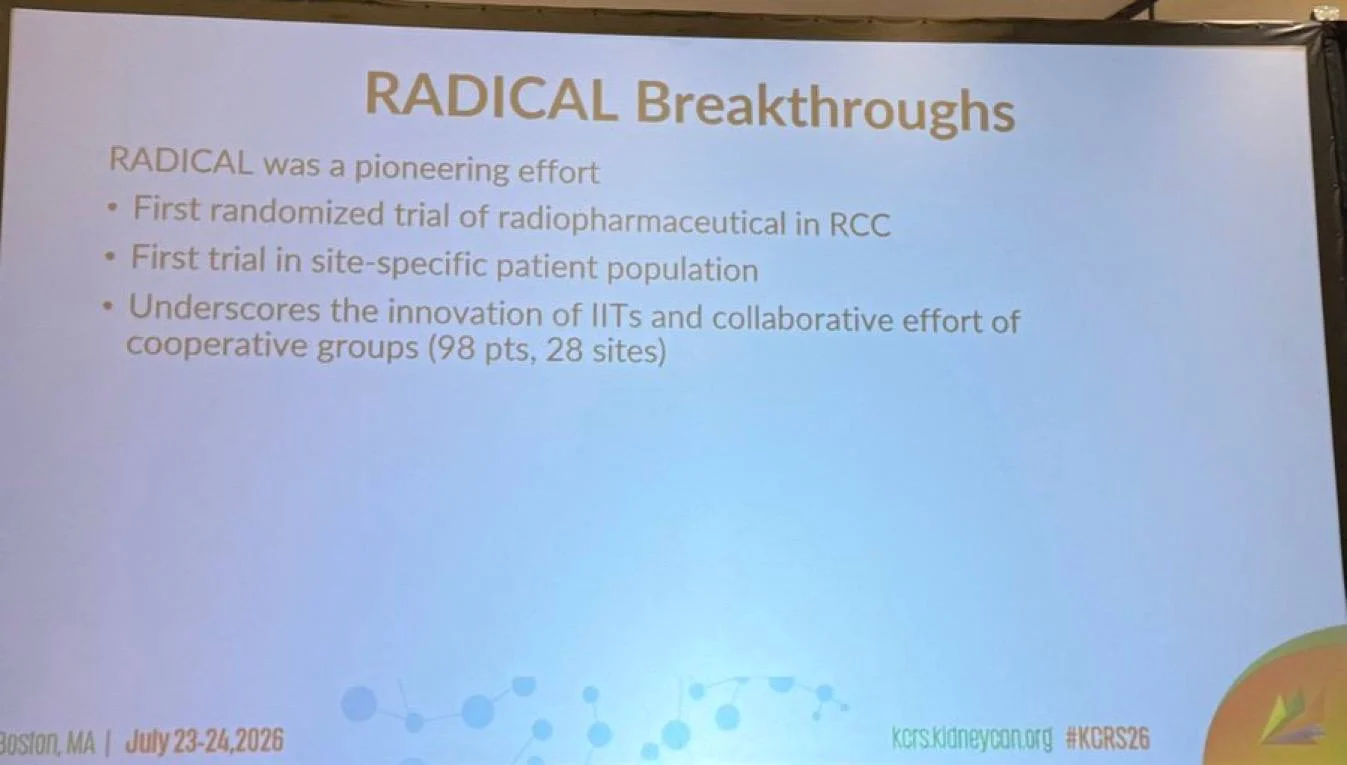
- RADICAL: first randomized radiopharmaceutical trial in RCC, 98 pts across 28 sites
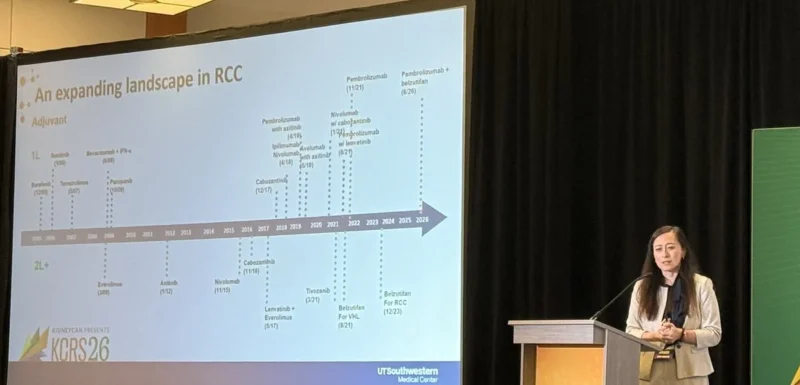
Great AACR 2026 highlights from Tian Zhang at KCRS26 on mechanisms shaping RCC therapy.
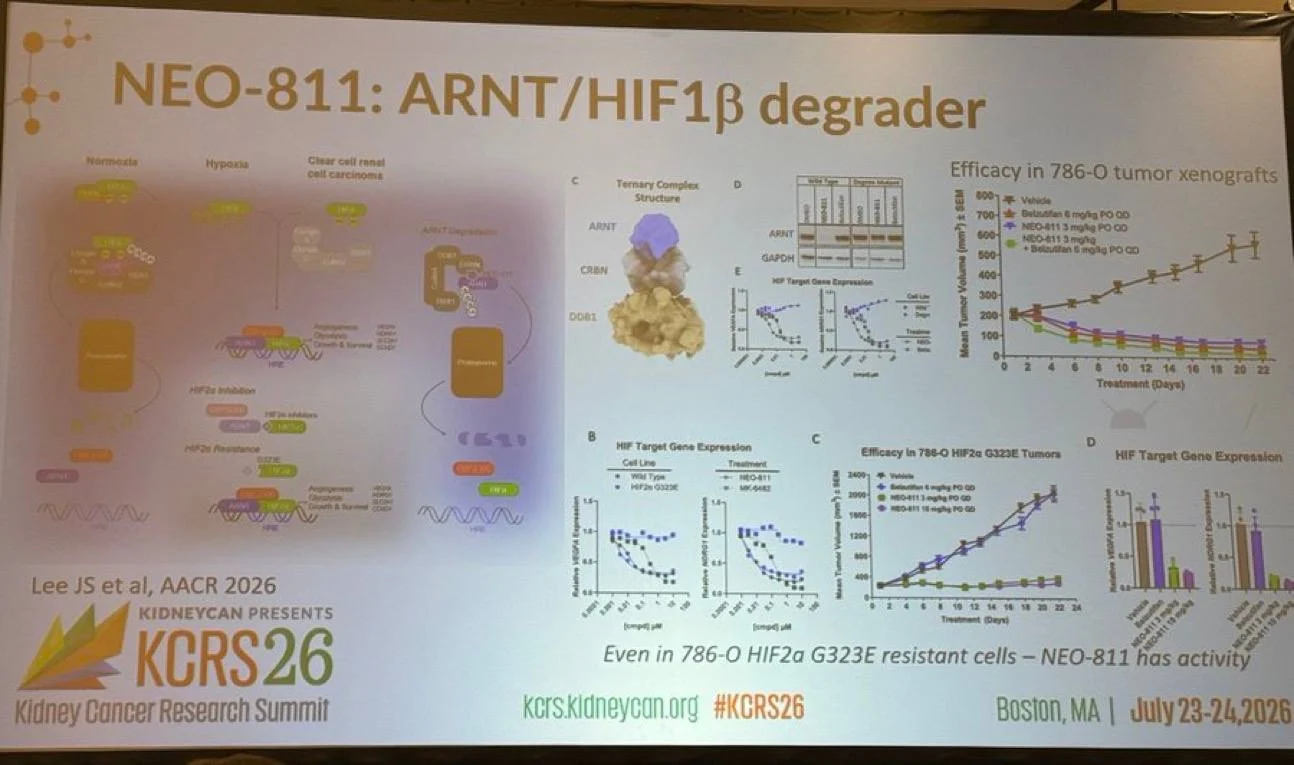
NEO-811 (ARNT/HIF1β degrader) retains activity even in HIF2α resistant tumors, degrading the obligate dimerization partner instead of HIF2α itself
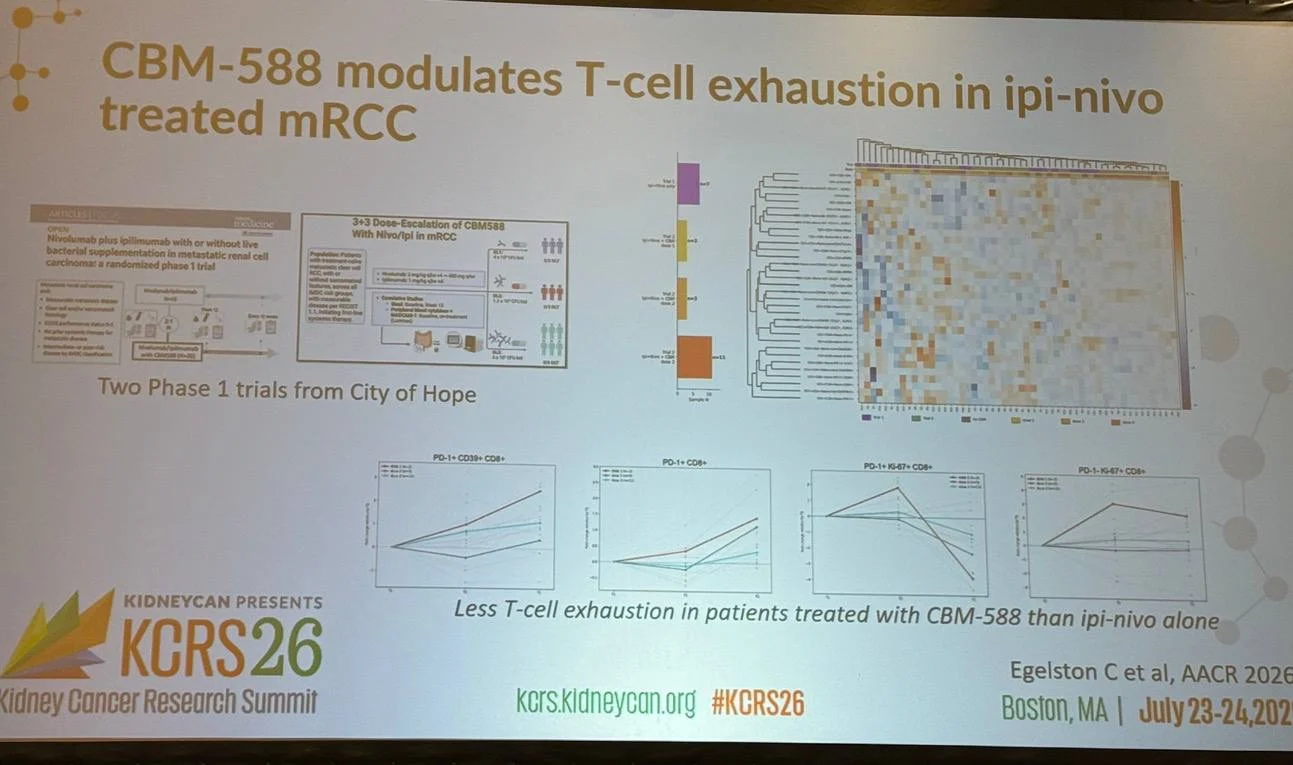
CBM-588 correlative data shows less T-cell exhaustion with gut microbiome modulation added to ipi-nivo
Resistance and the microbiome, two fronts worth watching in RCC.
Why does ccRCC spread to the brain less than blood flow would predict? A transcriptomic answer by Roy Elias.
- Primary tumors from patients with brain mets aren’t overtly “late” stage, but their matched brain mets are
- Late transcriptomic clones get selected for during progression to the brain
- Late-stage tumors previously shown to derive preferential benefit from IO-containing regimens
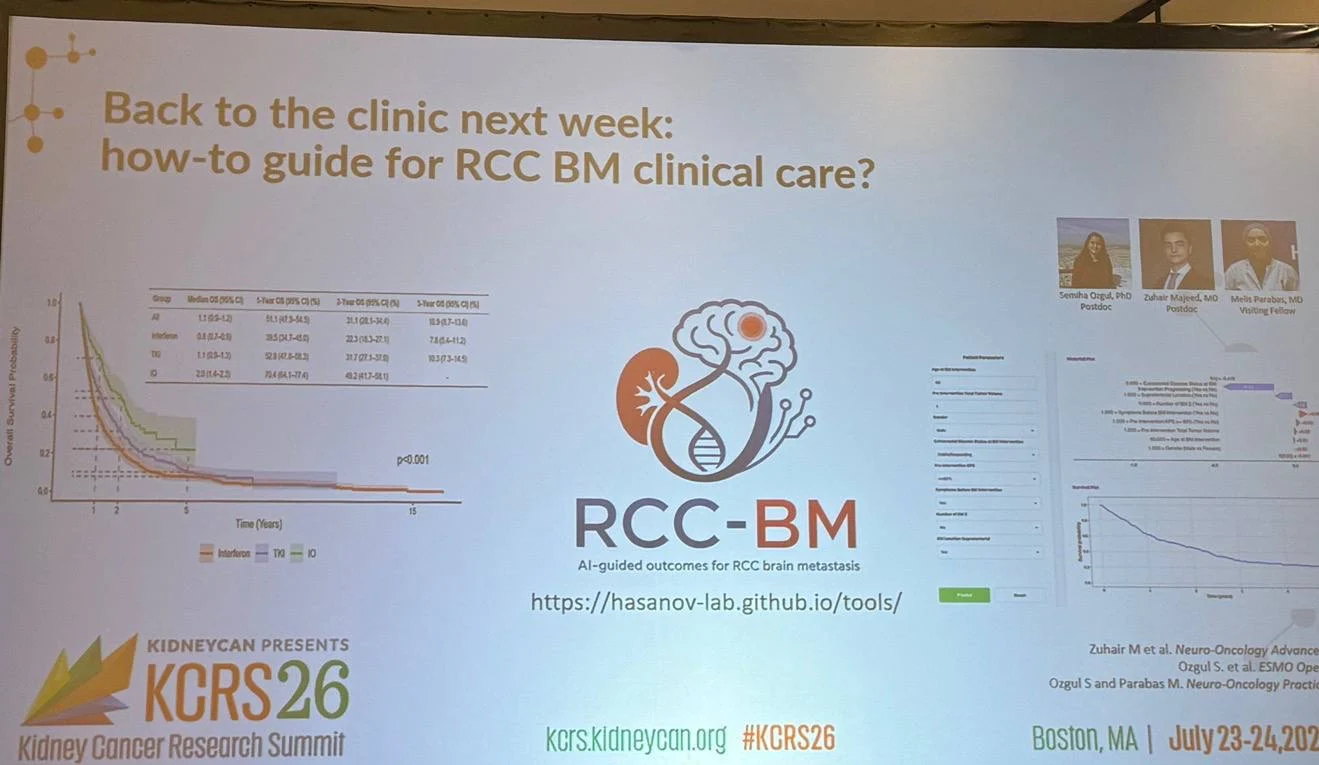
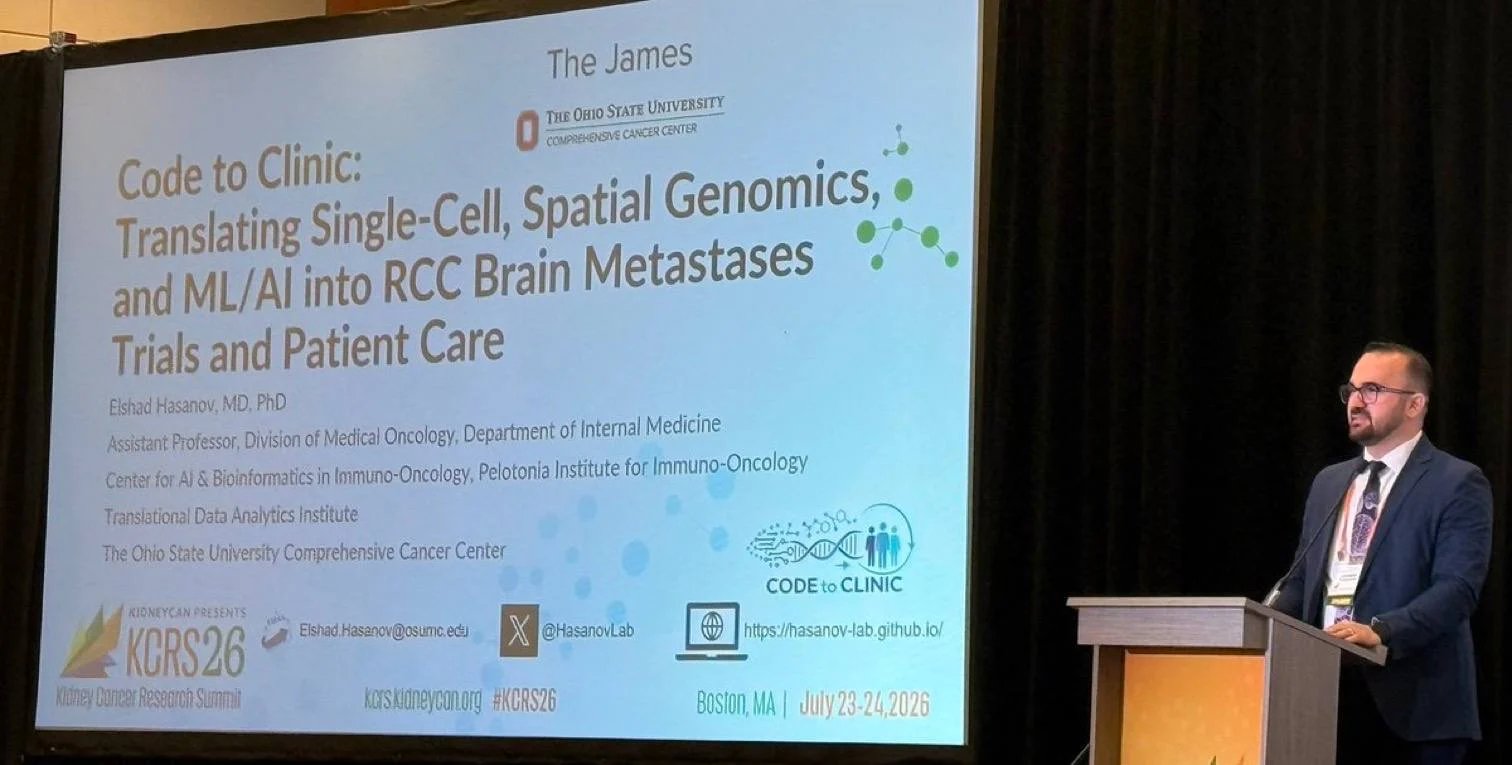
Elshad Hasanov group built RCC-BM, a tool predicting BM outcomes from patient-level parameters. Code to clinic, live!
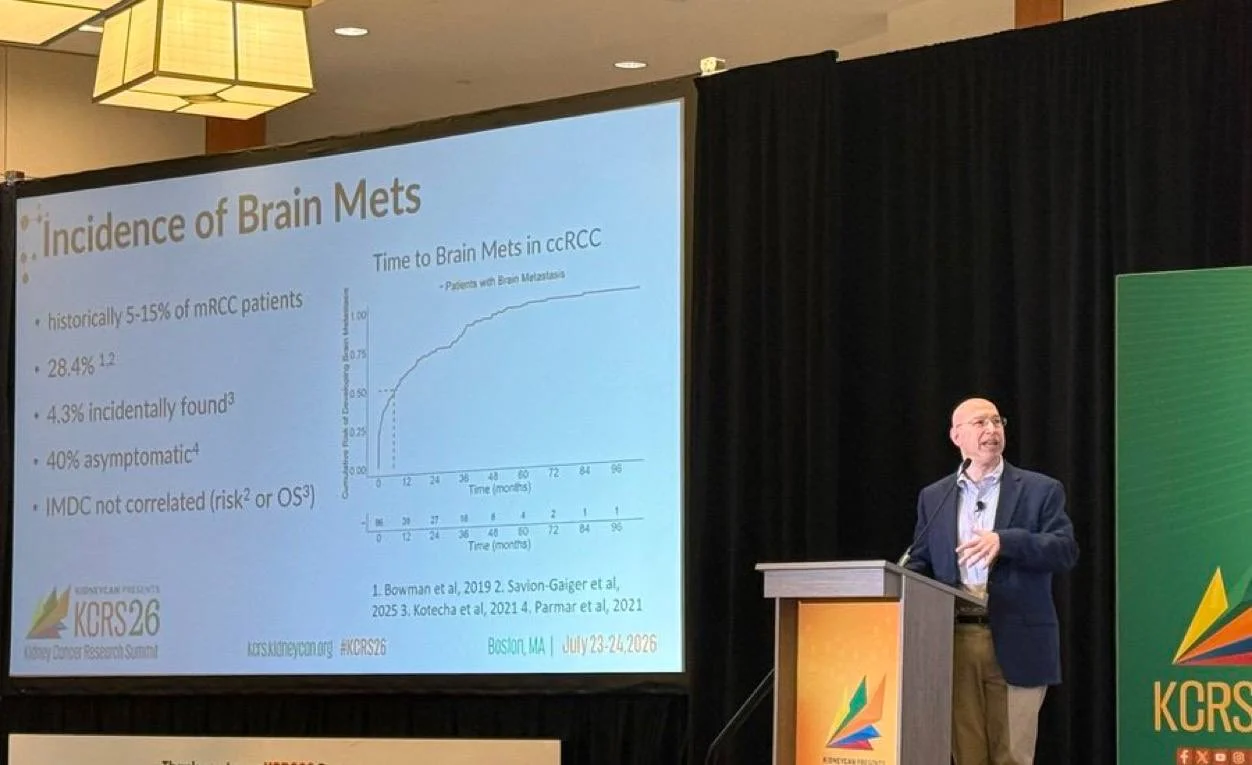
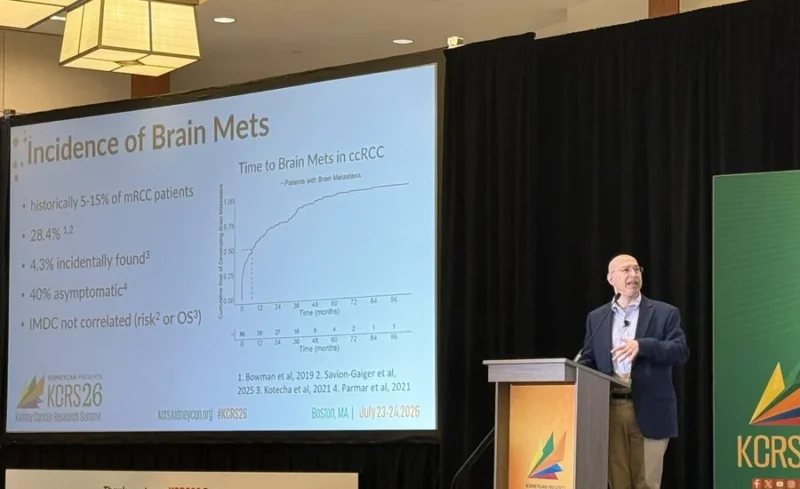
Brain mets in ccRCC are more common than we thought: 28.4%, with 40% asymptomatic at diagnosis. IO is extending survival, but that means more patients living long enough to develop CNS disease that’s harder to treat with worse baseline prognosis.
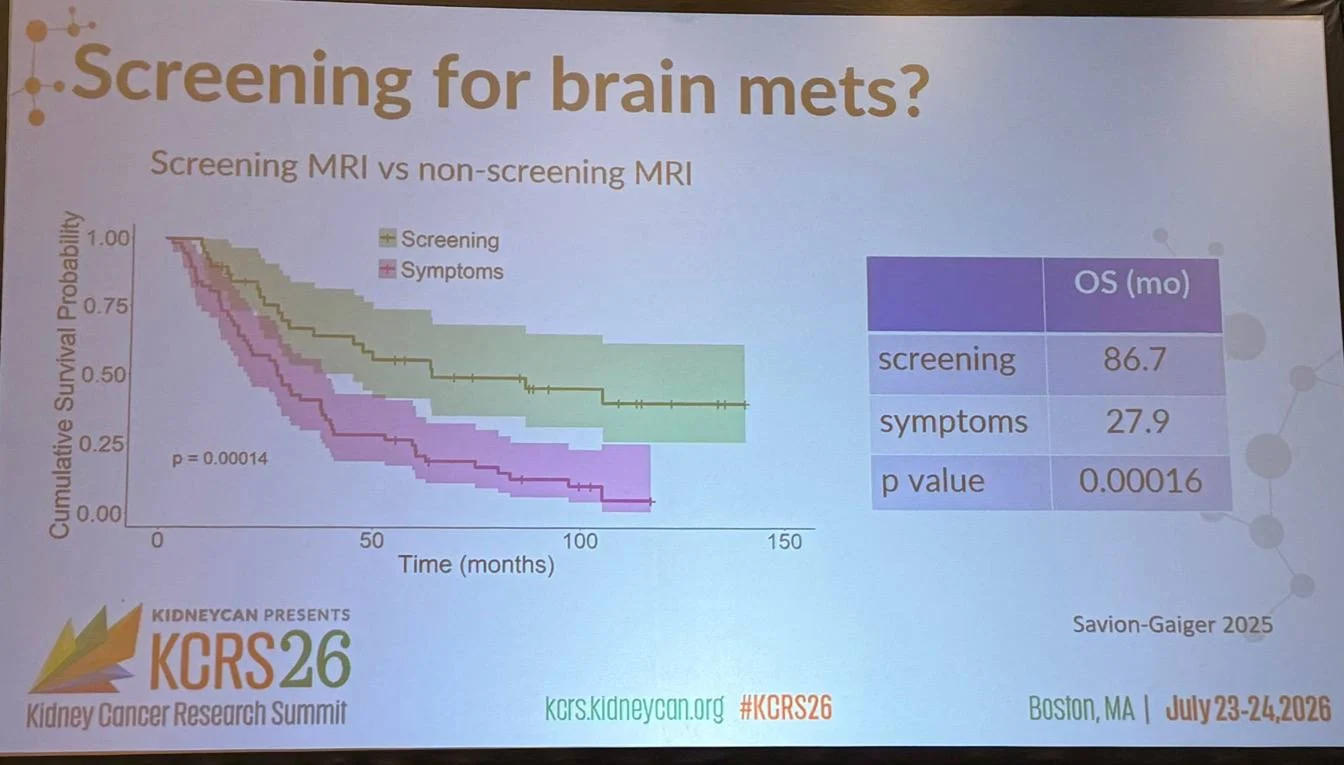
Screening MRI vs symptom-triggered detection: OS 86.7 mo vs 27.9 mo, p=0.00016
Could we ask guidelines groups to think about routine surveillance imaging.
Great points by Dr Michael Hurwitz.
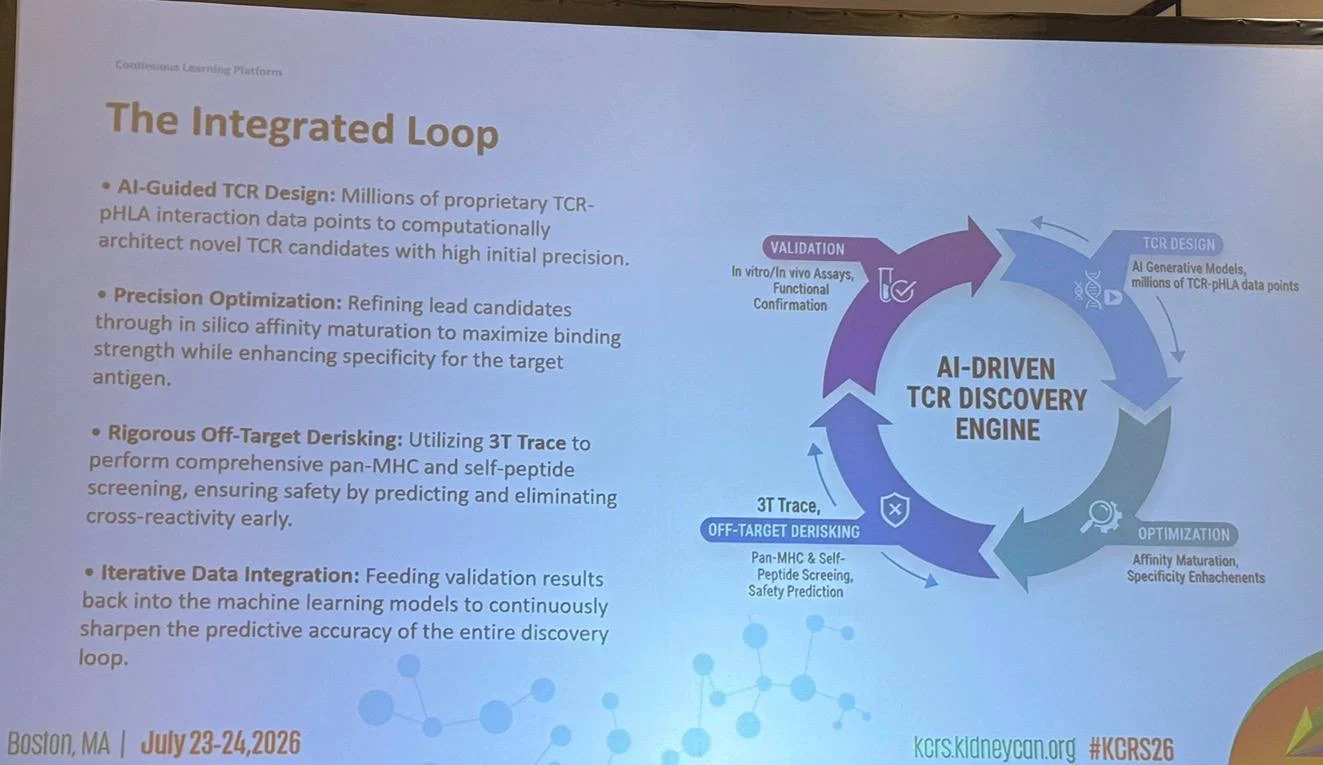
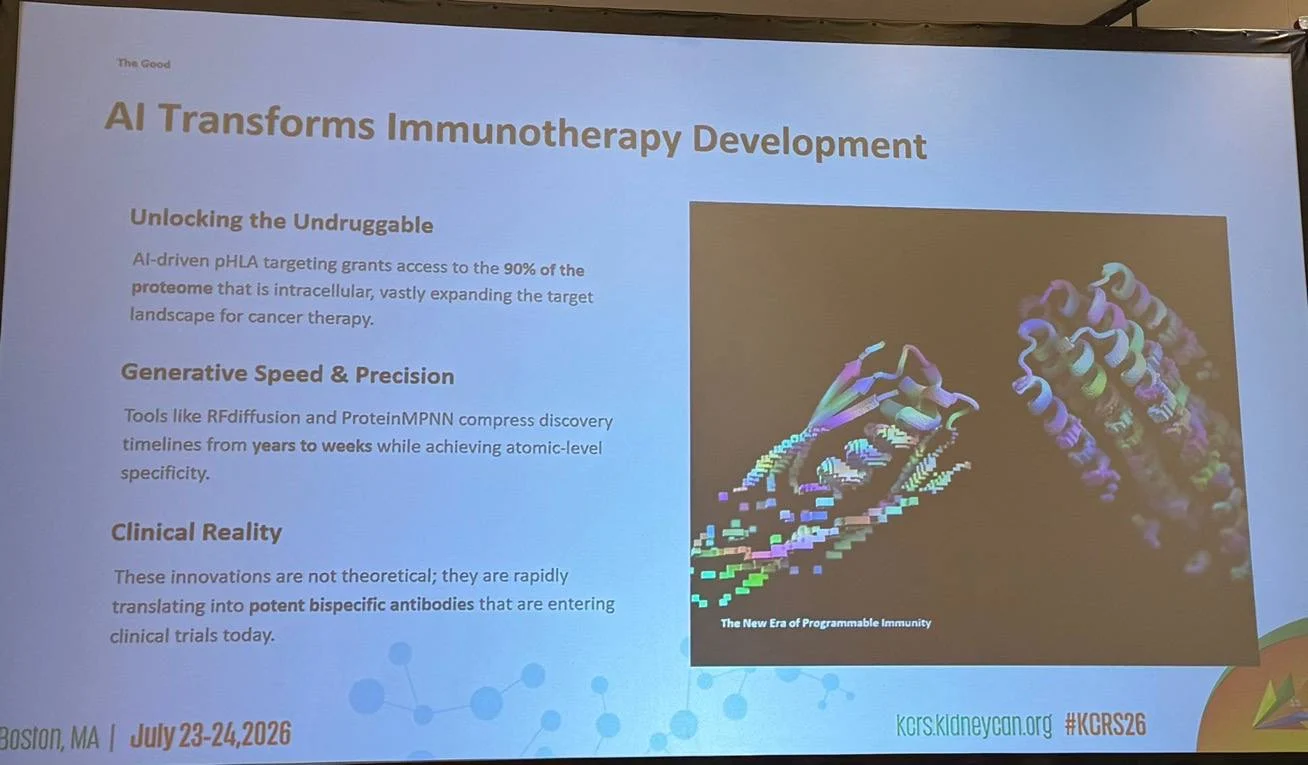
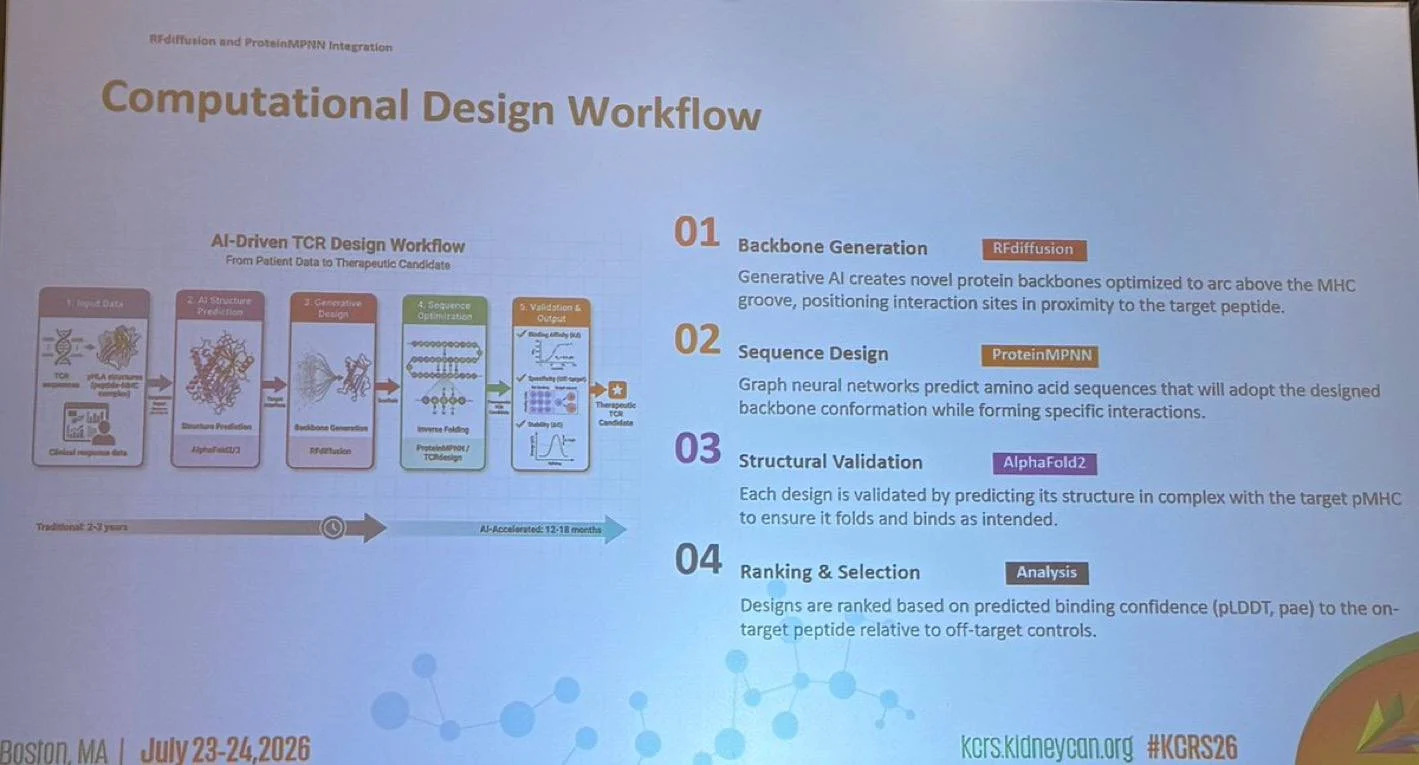
AI is compressing TCR engineering from years to months, and derisking the process along the way.
AI now designs T cell receptors computationally, built to fit a specific tumor antigen
Before reaching the lab, candidates are screened against normal tissue to catch cross-reactivity early, a major driver of TCR toxicity
2-3 years → 12-18 months
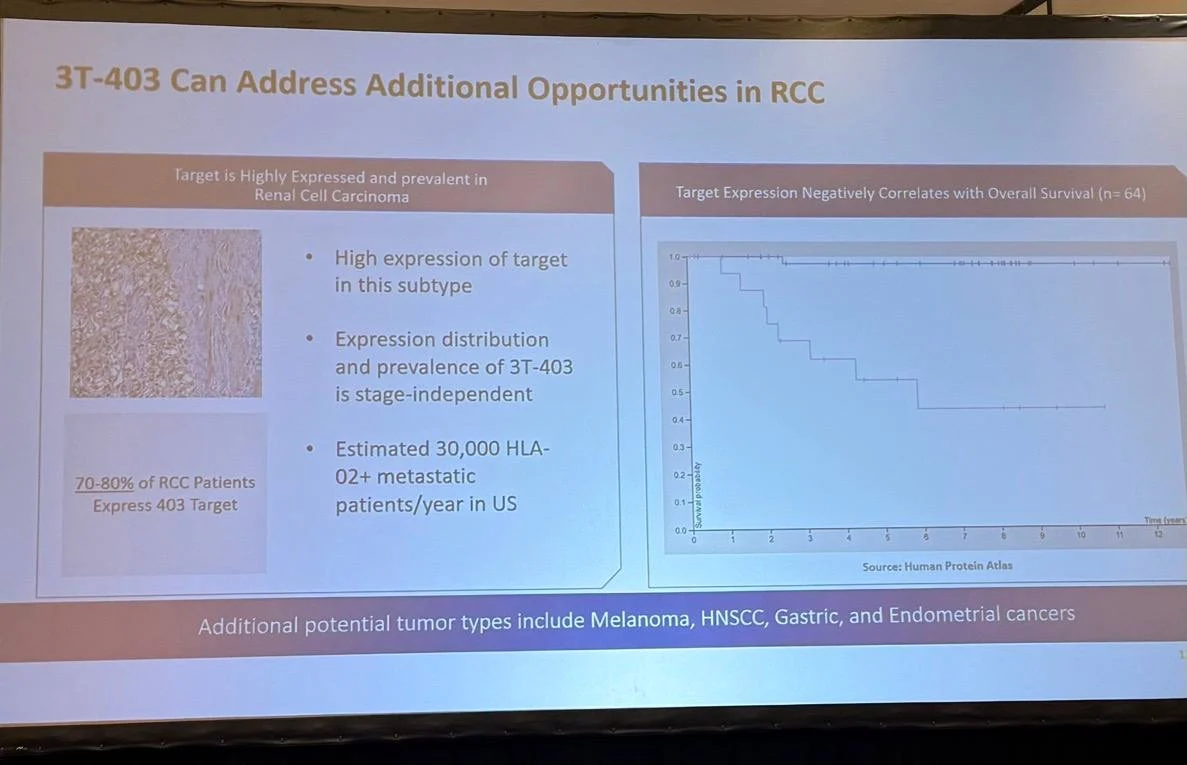
Why it matters in RCC: most tumor drivers sit inside the cell, invisible to antibody-based drugs like ADCs and bispecifics. TCRs can see them. One target here (3T-403) is expressed in 70-80% of RCC tumors and tracks with worse survival, exciting development in multiple tumor types.
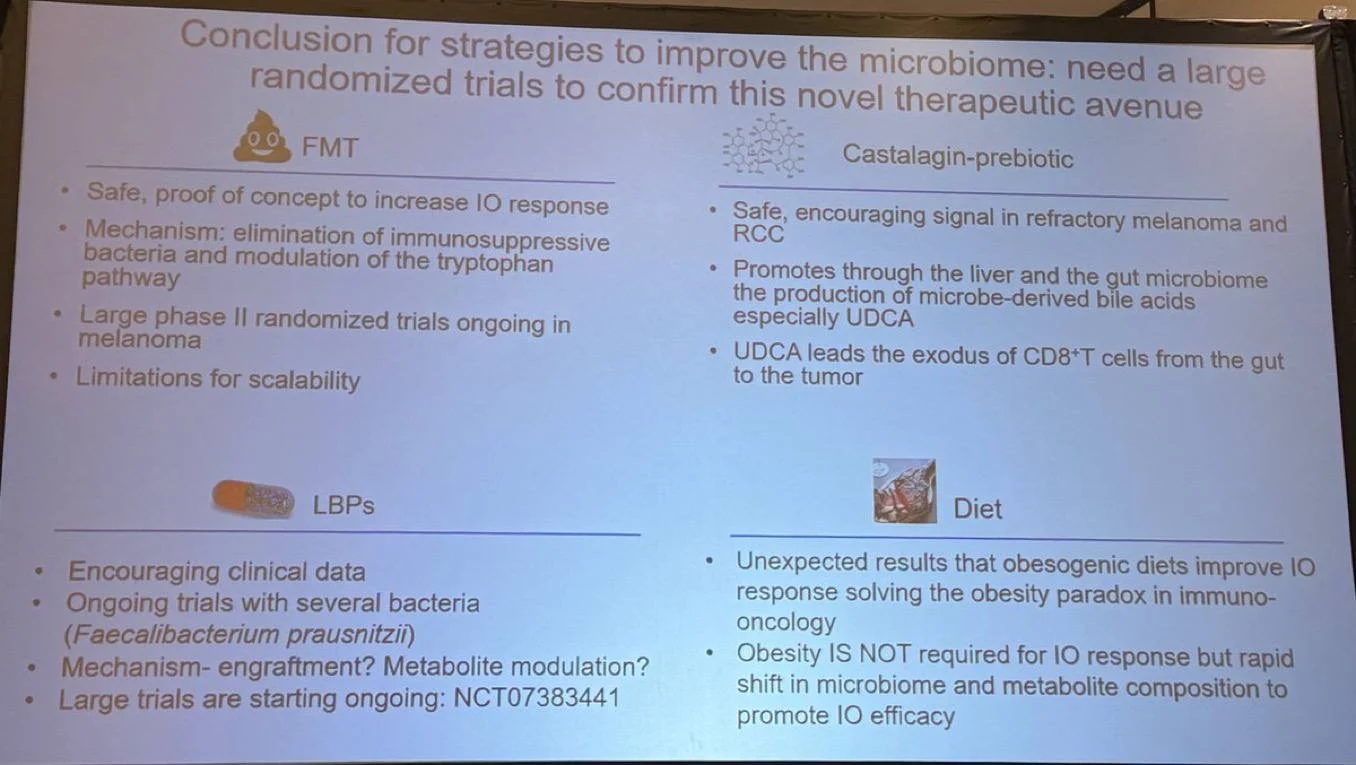
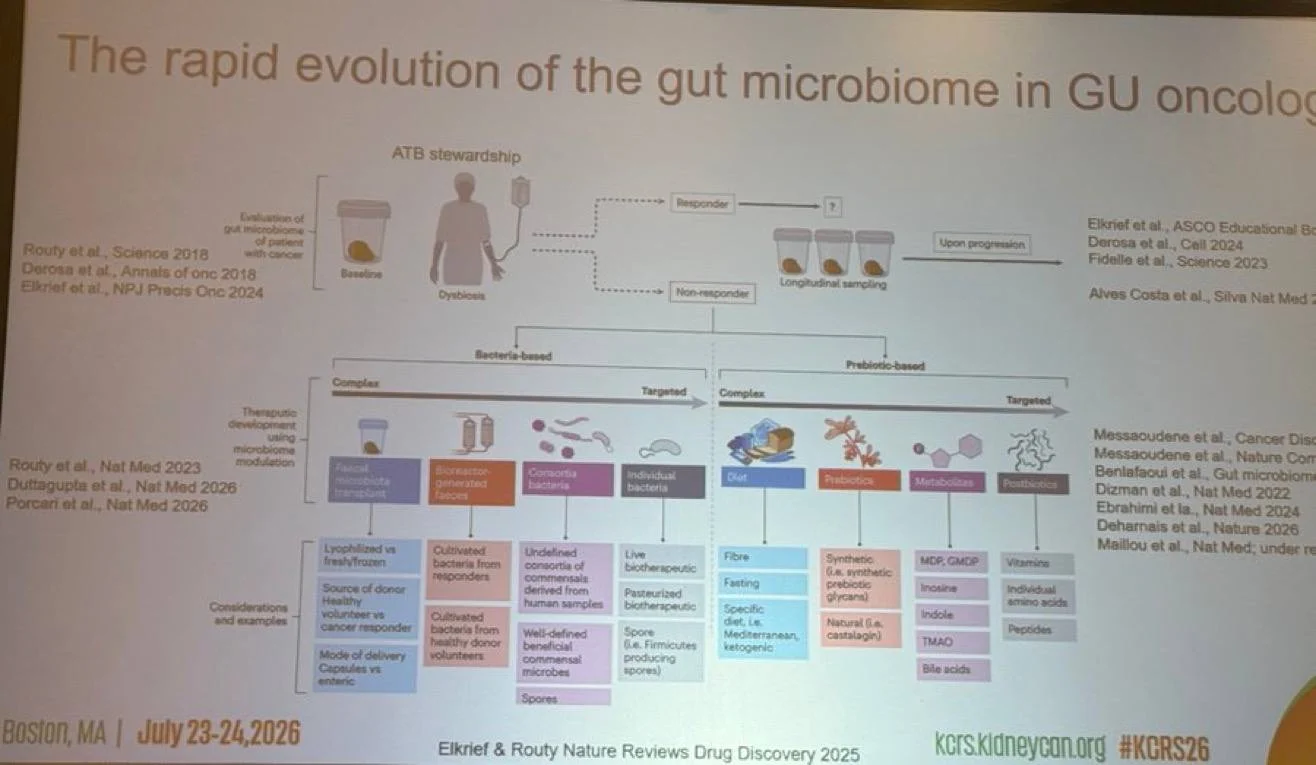
Outstanding KCRS26 talk from Dr. Bertrand Routy (University of Montreal) on the rapid evolution of the gut microbiome in GU oncology.
Can we modify diet or engineer the microbiome to make more patients respond?
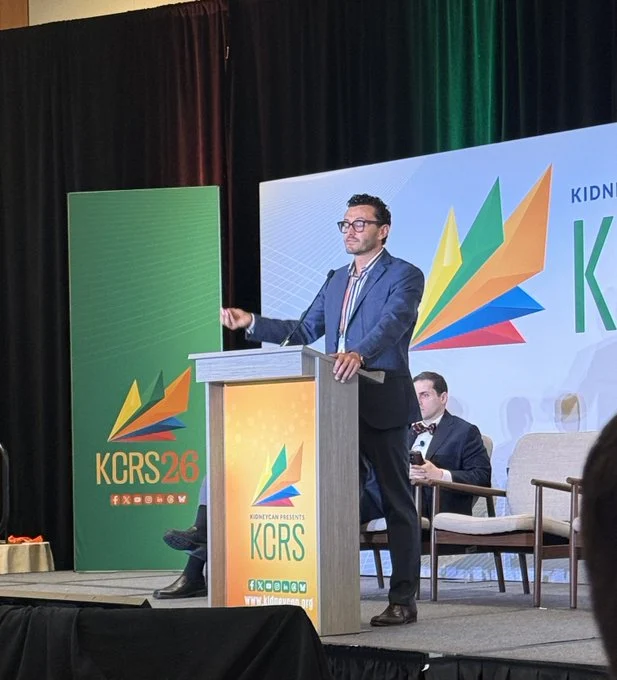
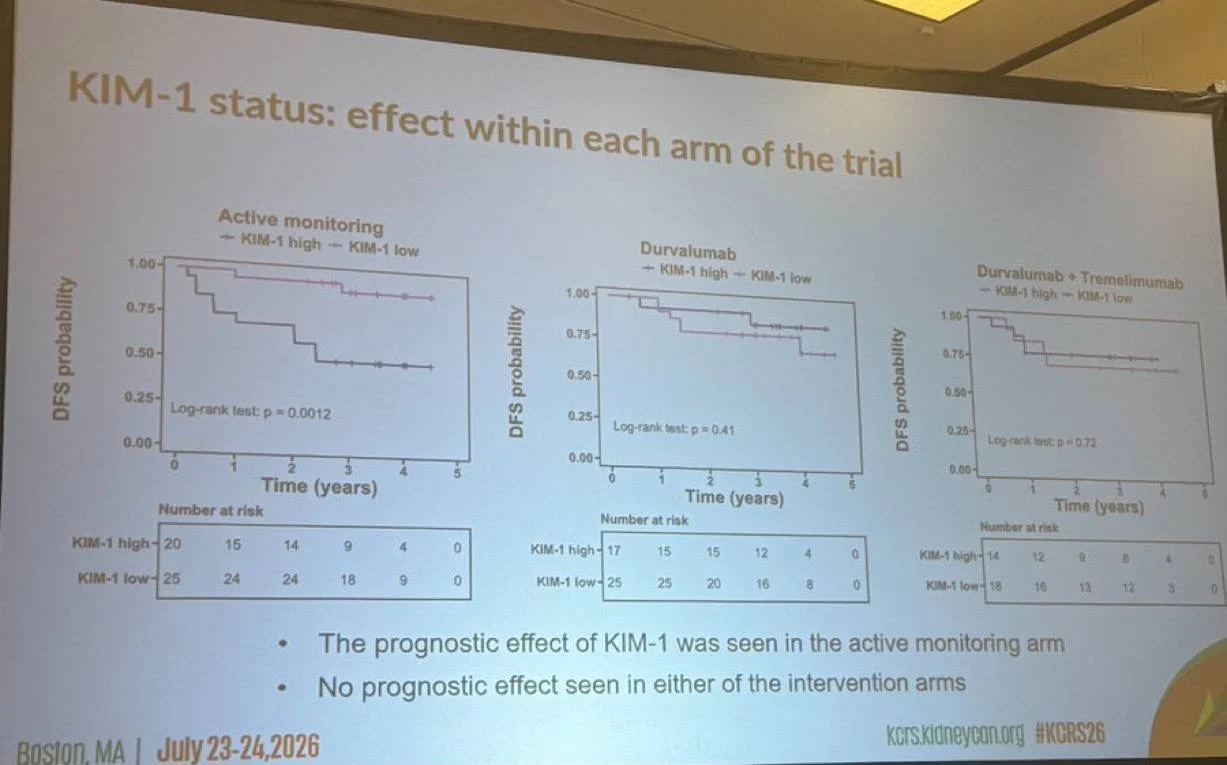
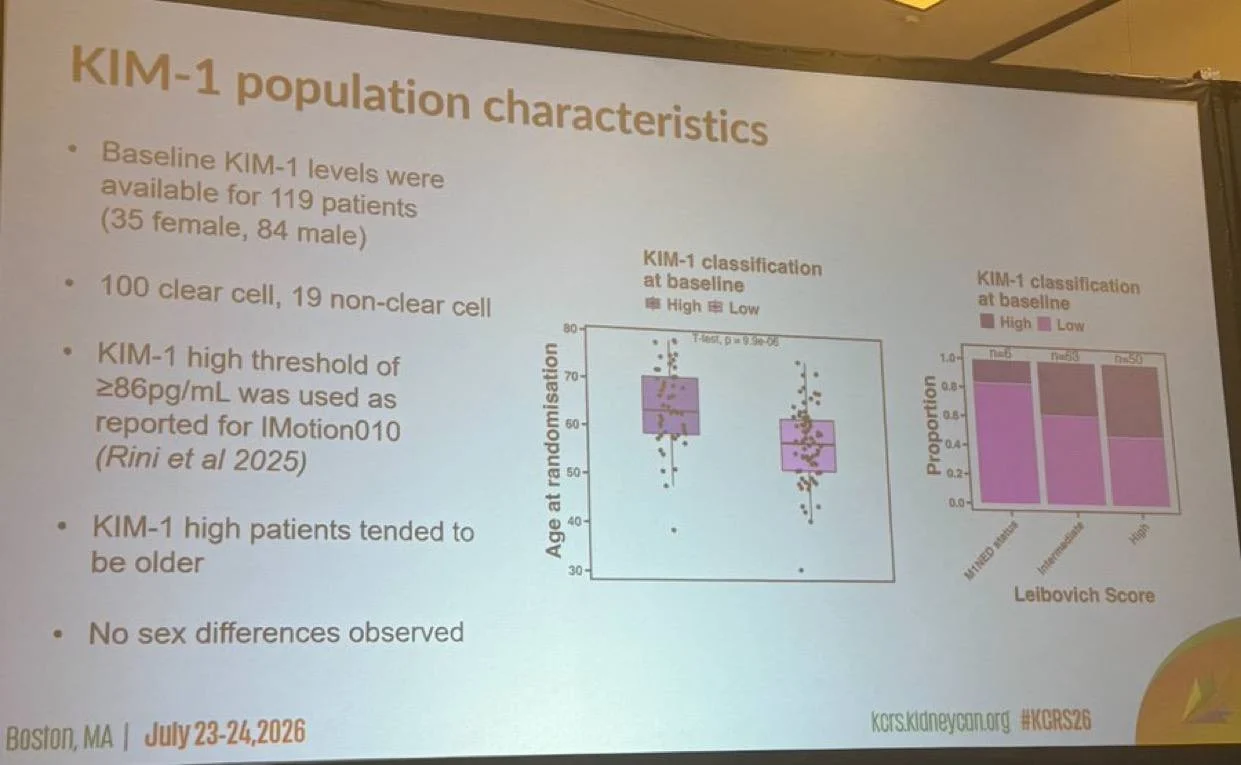
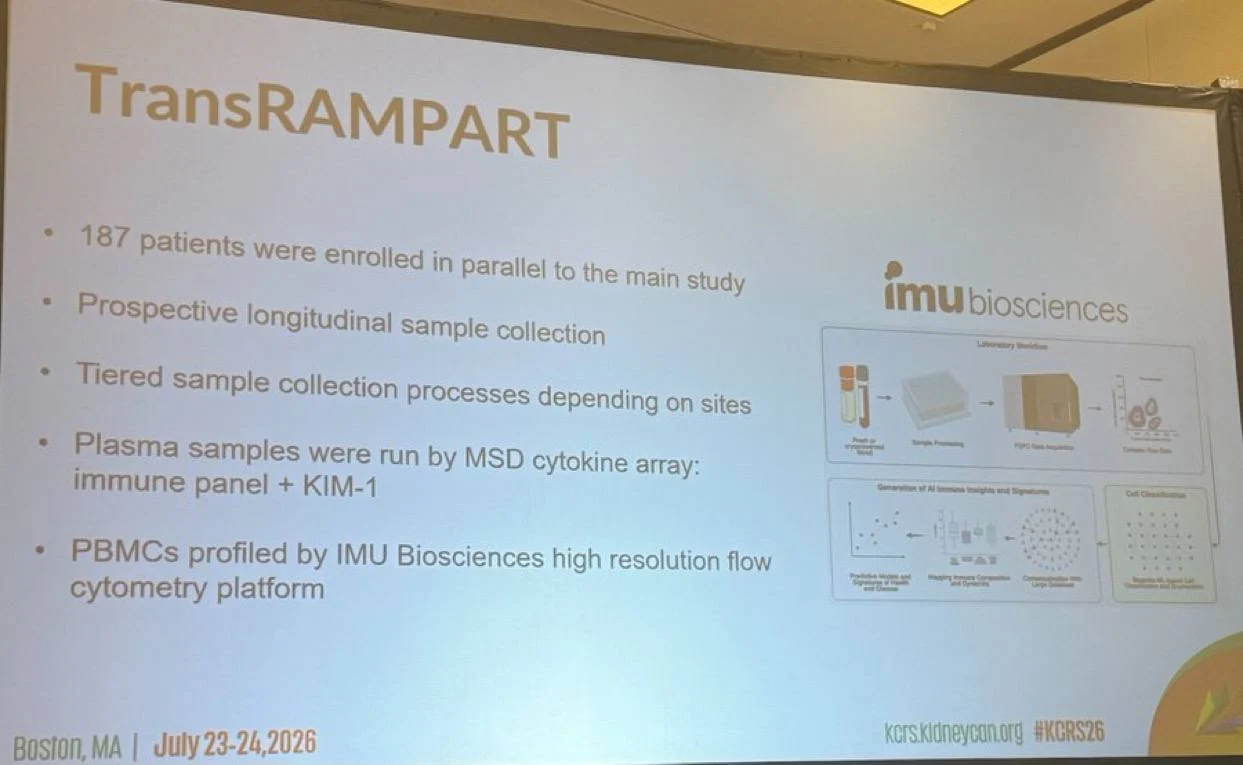
TransRAMPART on KIM-1 in adjuvant RCC, and two things stuck with me.
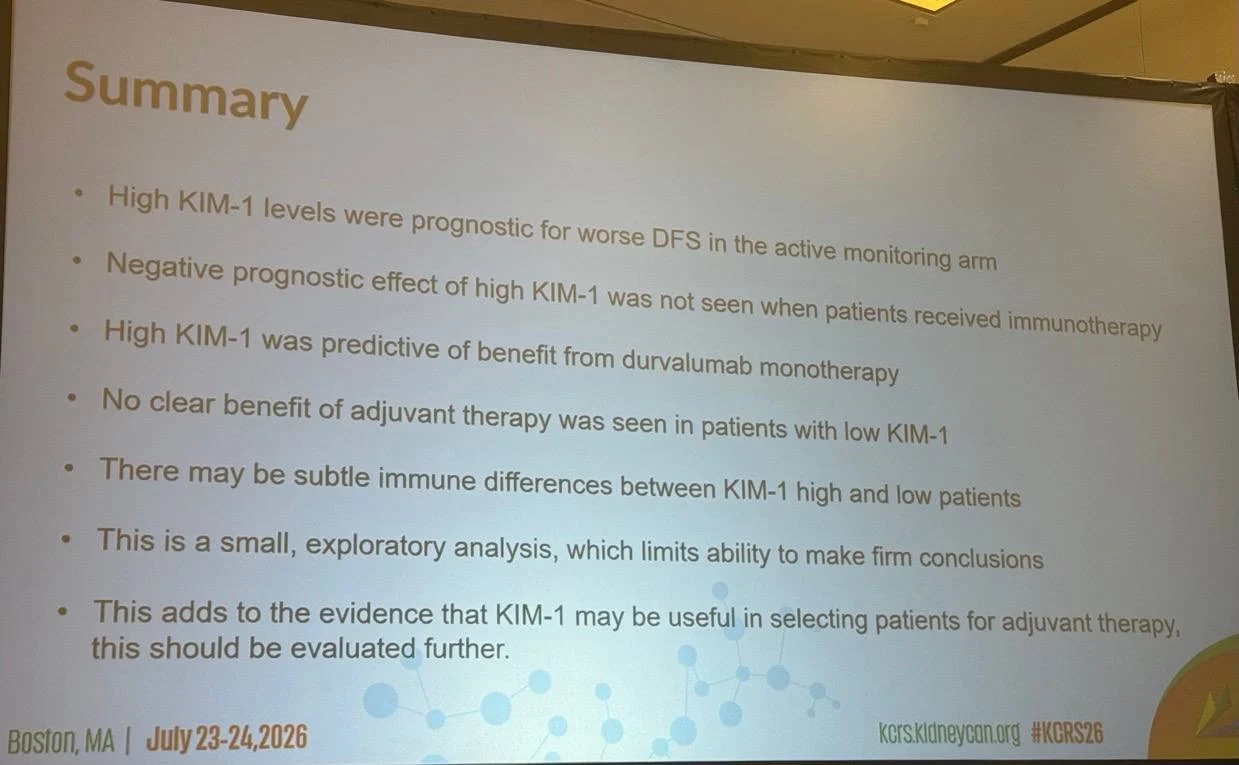
- High baseline KIM-1 predicted worse DFS in the active-monitoring arm (HR 8.3). That signal disappeared with adjuvant durvalumab, which helped KIM-1-high patients most (HR 0.19).
- But KIM-1-high patients were also significantly older. How much of the prognosis is tumor biology vs age?
The bigger question: are we moving toward replacing anatomic TNM staging with blood-based molecular risk, KIM-1 and modern ctDNA, to decide who needs adjuvant therapy? Great suggestions on the stage from Dr. James Jones to understand further if pre post nephrectomy kim-1 levels could be next steps.
Small and exploratory, but that is where this is heading.
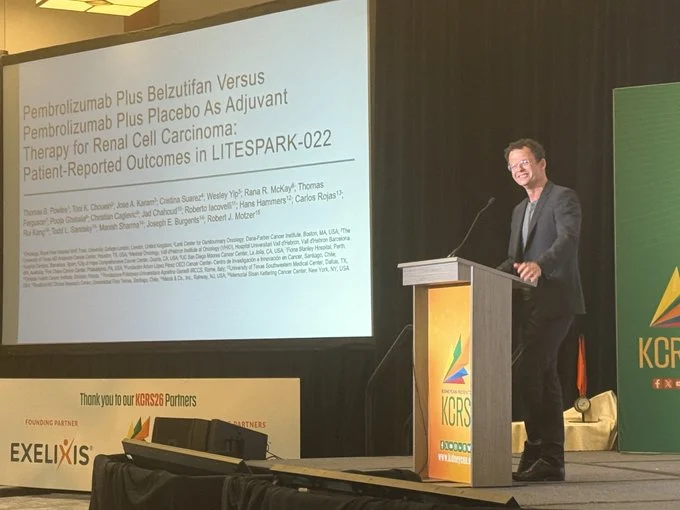
Fitting to see LITESPARK-022 quality-of-life data debut at a patient-advocacy-led meeting. tompowles1 presenting at KCRS26.
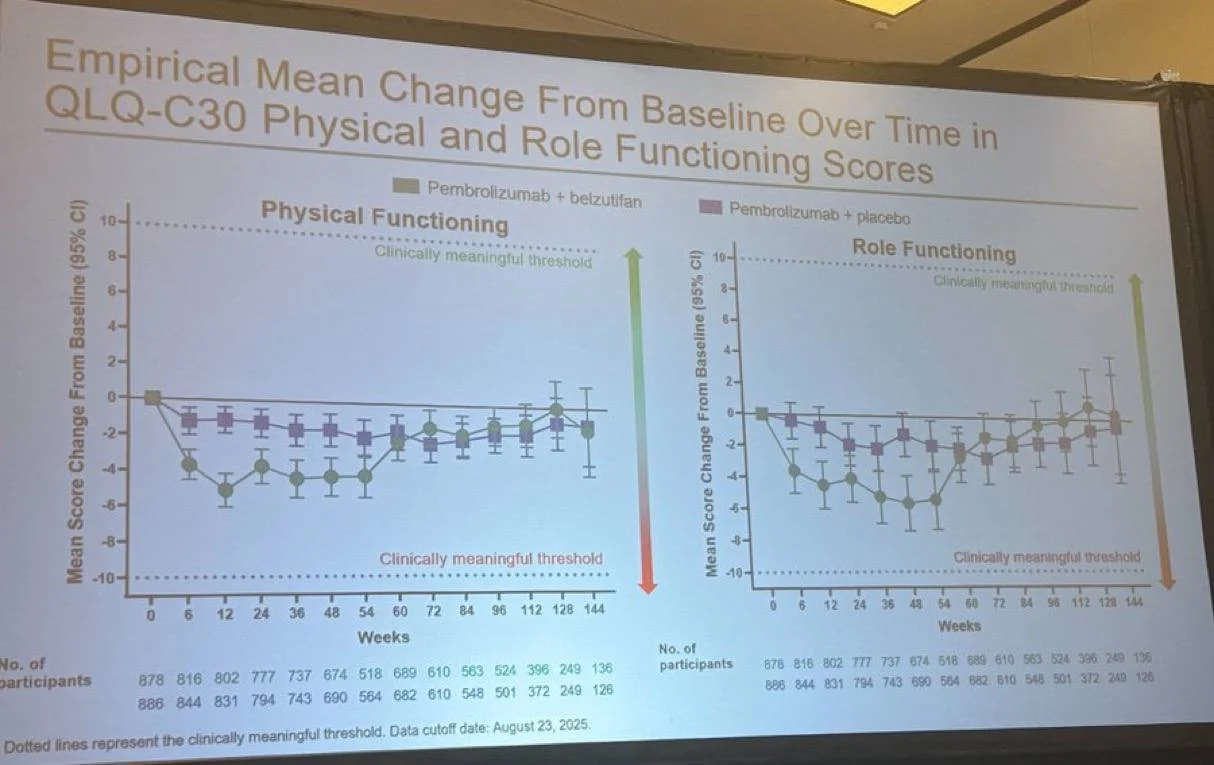
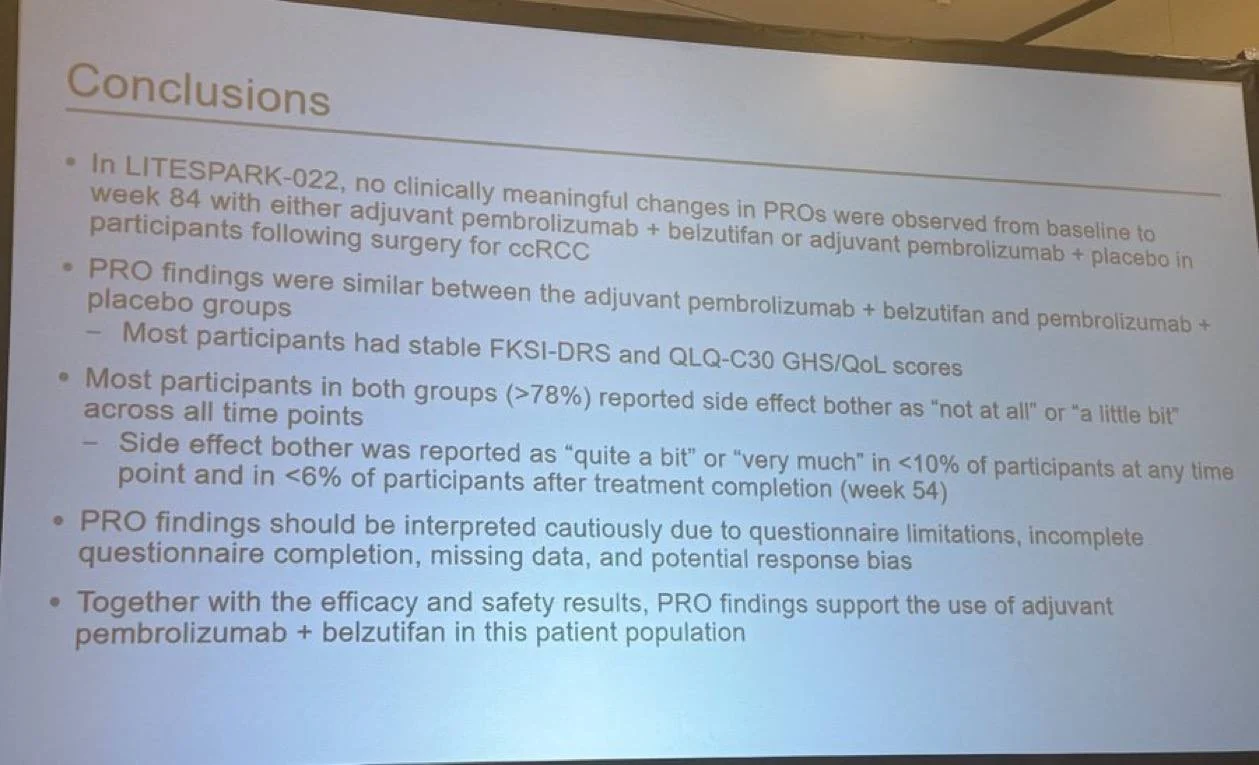
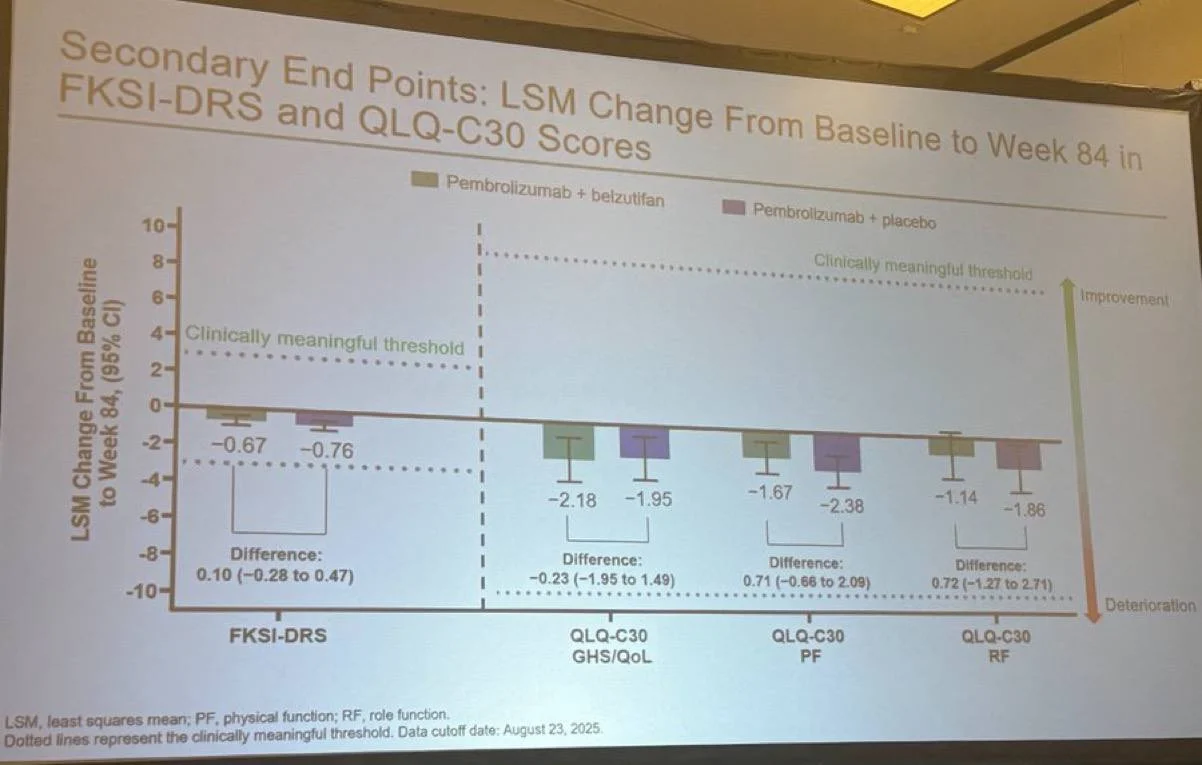
Adjuvant pembro + belzutifan adds reversible grade 3+ toxicity, but the PROs are reassuring:
- Symptoms stable, side-effect bother “not at all/a little bit” for >78%
- Physical and role functioning dipped on treatment, then recovered to match placebo
- No clinically meaningful PRO change at week 84
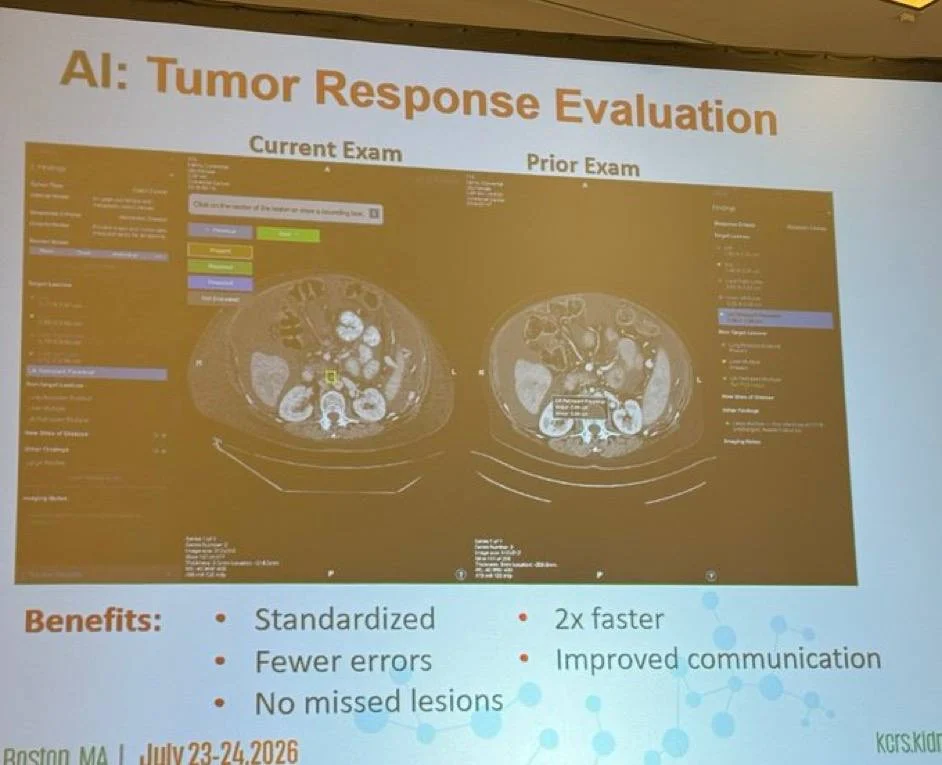
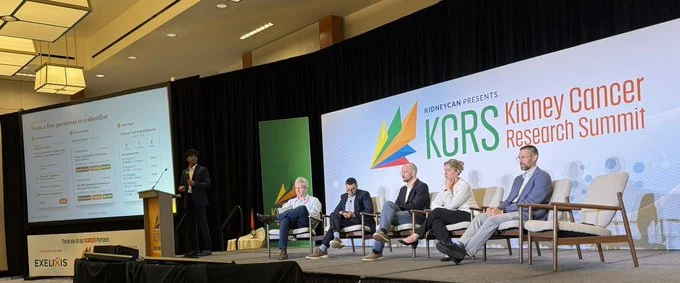
Fun KCRS26 session on AI in RCC.
- Tumor response reads standardized and 2x faster with fewer missed lesions.
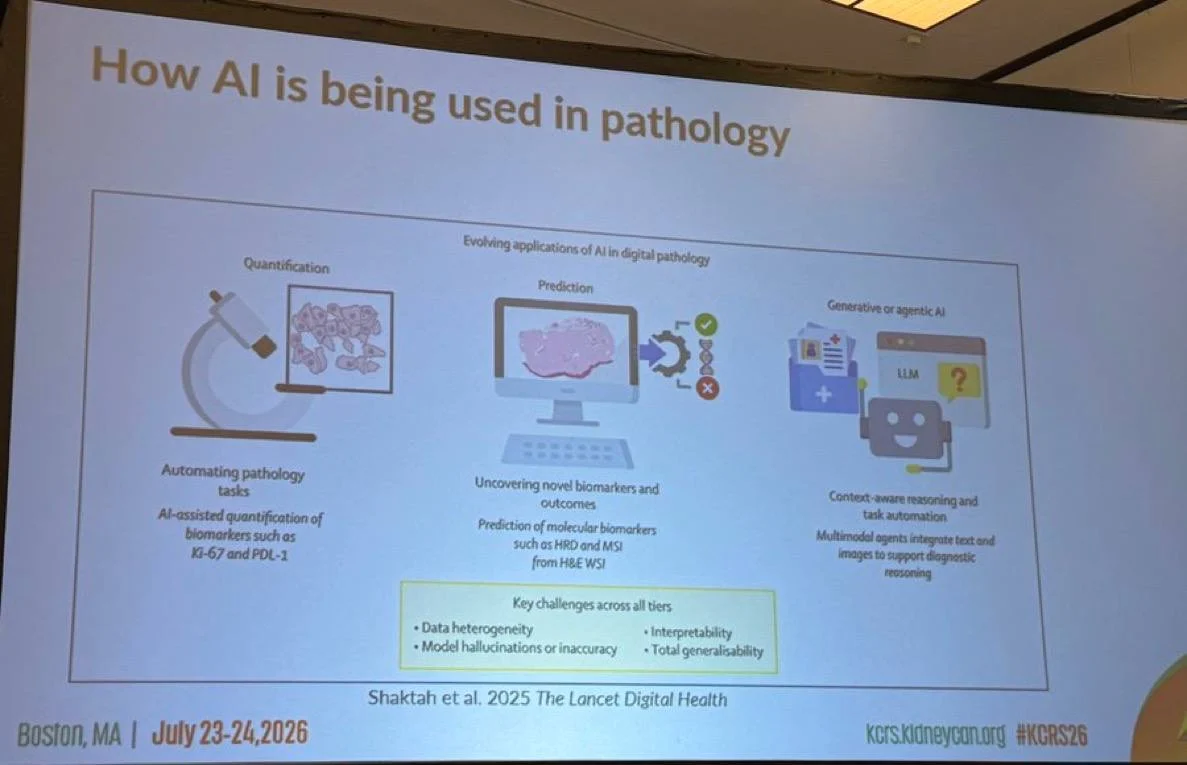
- Pathology moving from quantification to prediction to agentic AI.
- Translocation RCC called from H&E alone (AUC ~0.89).
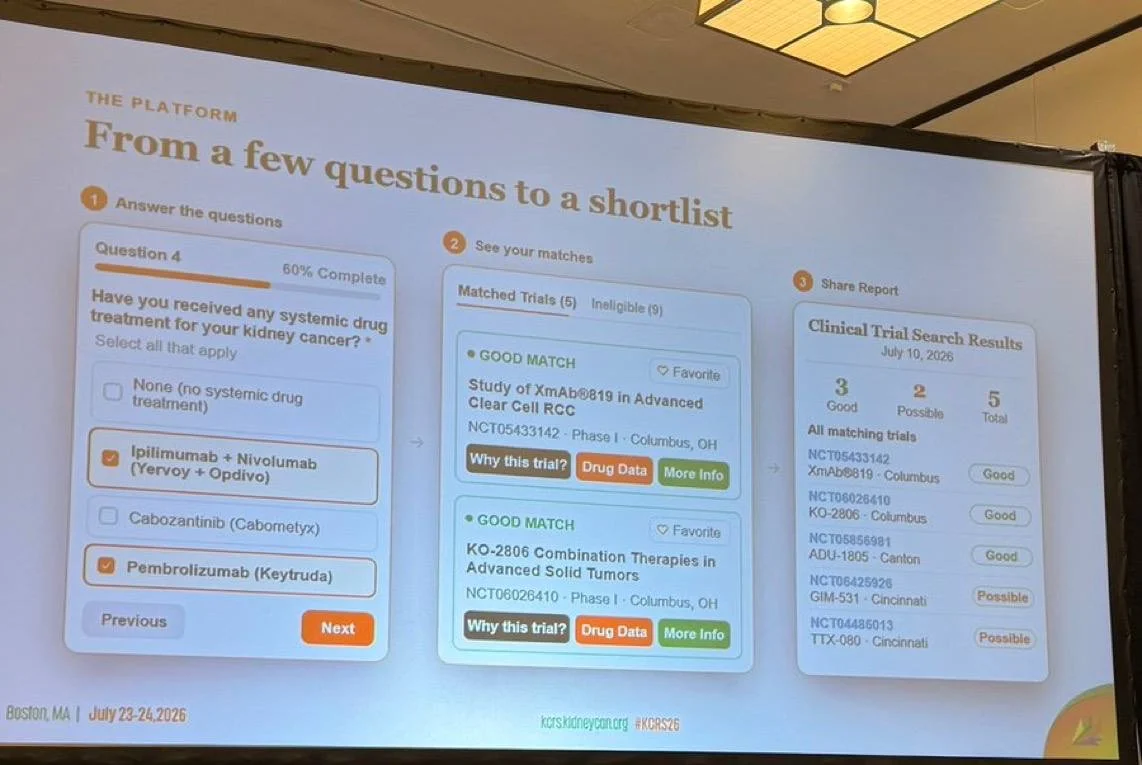
- Patient friendly clinical trial identification tool in partnership with KidneyCAN
Real promise, real caveats: challenges around edge cases.
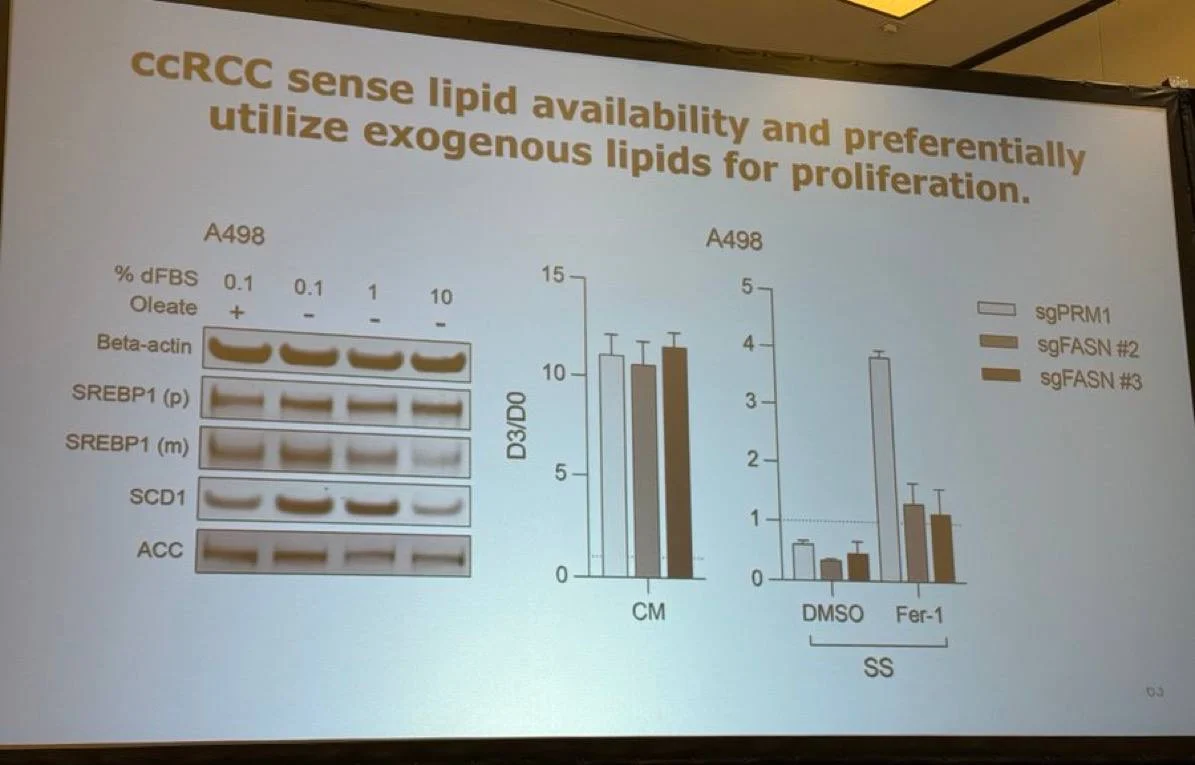
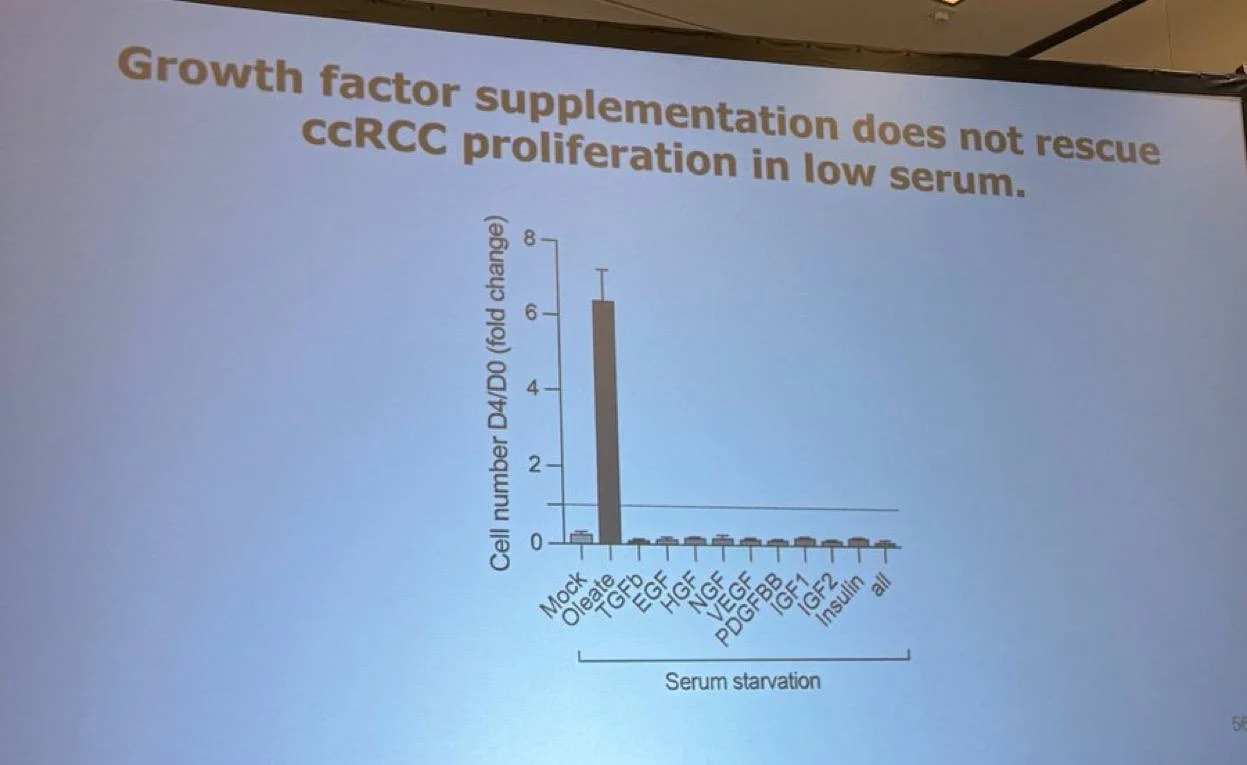
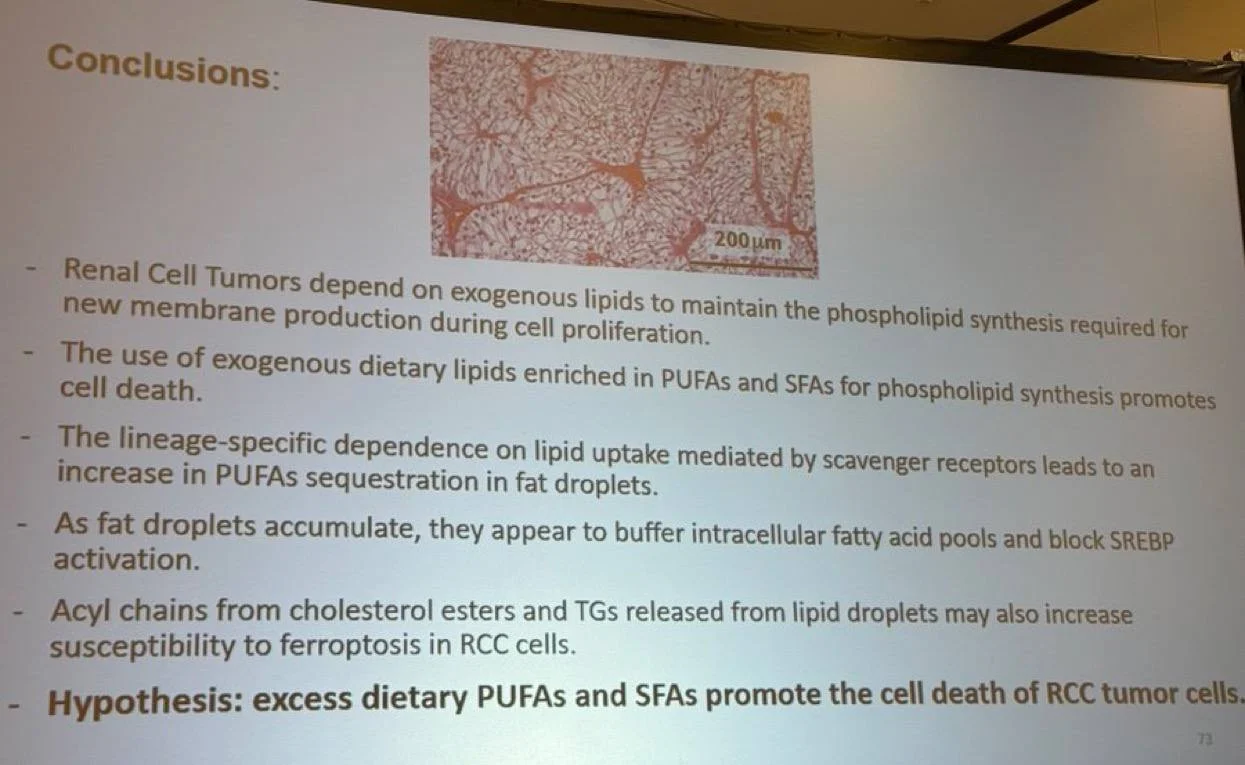
Dr. Craig Thompson’s KCRS26 keynote reminded us that clear cell RCC is a lipid problem, not a growth-factor problem.
- In low serum, no growth factor rescued ccRCC proliferation. Only oleate did, roughly 6-fold. These tumors are lipid-limited.
- ccRCC preferentially import exogenous lipids to build new membranes rather than make their own, and knocking out fatty acid synthase barely slows them.
- TScavenging polyunsaturated fatty acids sensitizes RCC to lipid peroxidation and ferroptosis.
Suggesting the pathway these tumors use to build membranes is an Achilles’ heel, and excess dietary PUFAs and SFAs might push them toward cell death.
Another way to think about a targetable vulnerability in RCC.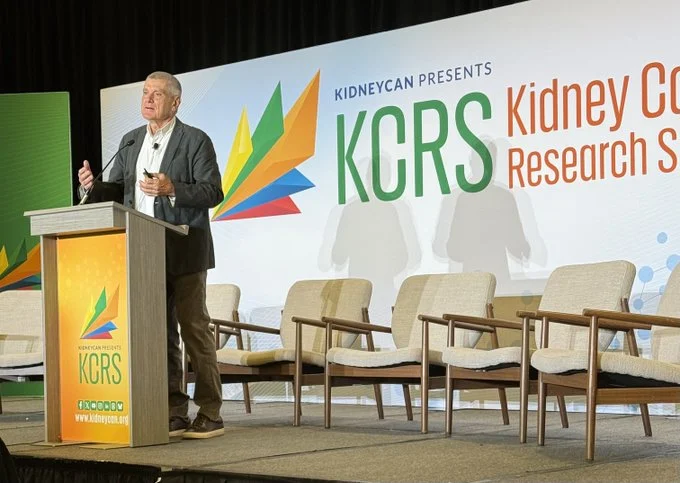
Other articles about KCRS26 on OncoDaily.