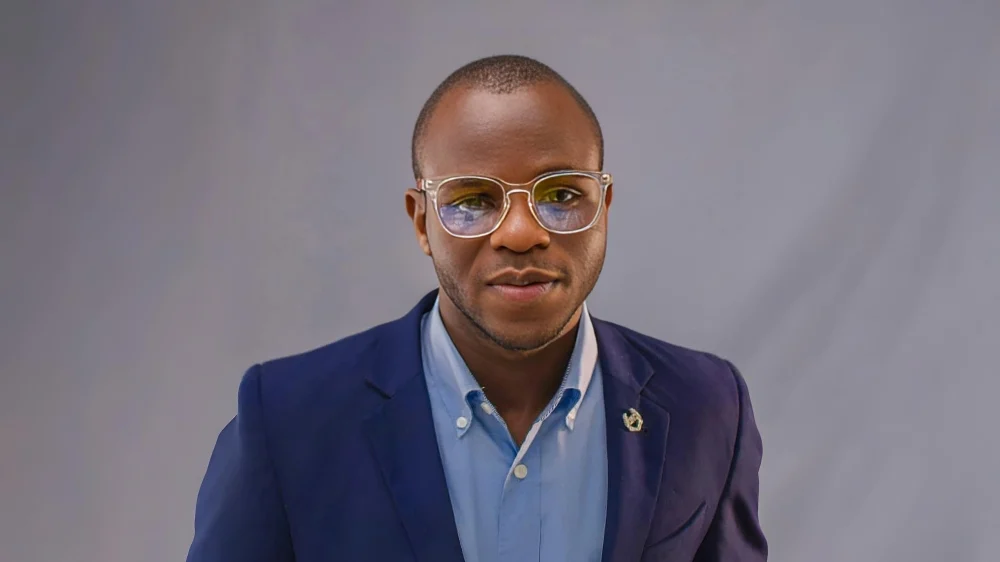
Joshua Omale, Innovation Council Member at Coalition Against Childhood Cancer (CAC2), shared on LinkedIn:
“The challenge before us is increasingly not whether we can identify the gaps in cancer care, but whether we can build the evidence, partnerships and systems required to close them.
That is perhaps my strongest reflection from the recently concluded Africa HepatoPancreatoBiliary Cancer Consortium Conference in Abuja, Nigeria.
I had the opportunity to present our collaborative work across the SLUM AND RURAL HEALTH INITIATIVE NETWORK, Cancer Prevention and Care Initiative – CPCI and MedAware:
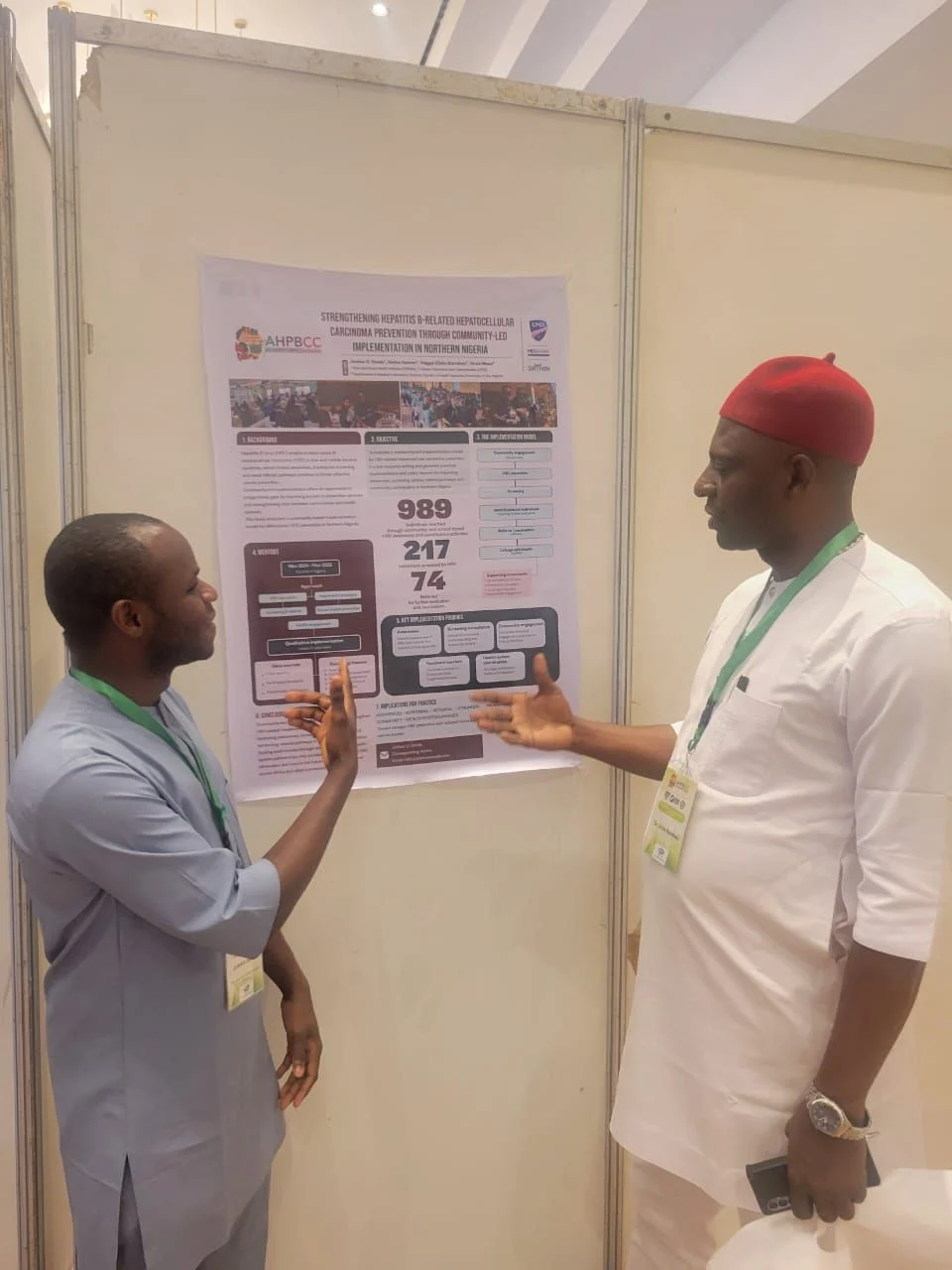
‘Strengthening Hepatitis B-Related Hepatocellular Carcinoma Prevention Through Community-Led Implementation in Northern Nigeria.’
I am grateful that the work was recognized with the Third Best Abstract Award at the conference. More importantly, the scientific discussions around it sharpened my thinking about what the next level of this work must look like.
For hepatitis B and hepatocellular carcinoma, awareness alone is not an endpoint. Awareness must connect with prevention and vaccination. Screening must lead to appropriate evaluation. Referral must translate into linkage to care and follow-up. And community-level implementation should increasingly generate the data that help us understand where people are lost along that continuum, what works, and what can be strengthened or scaled.
That is where implementation becomes a systems question.
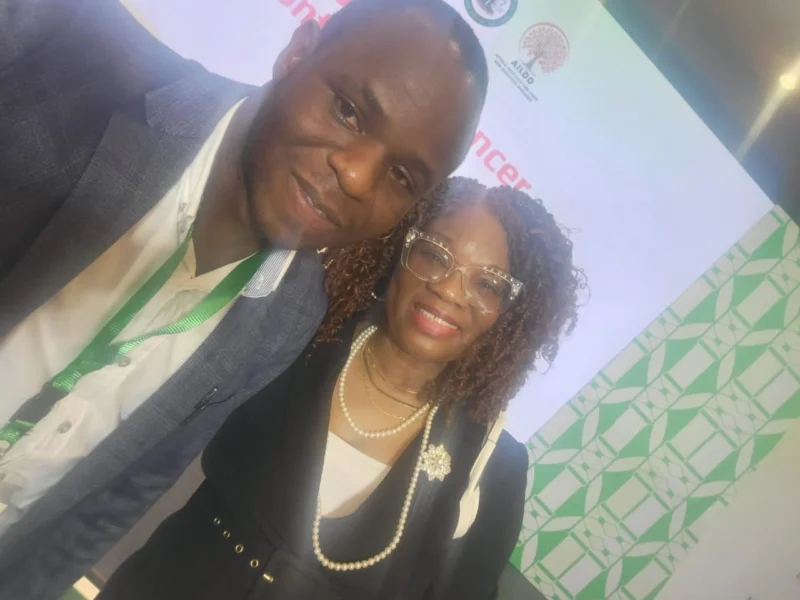
AHPBCC brought together perspectives spanning cancer biology, genomics, viral hepatitis, clinical care, prevention, implementation and health systems, and it was valuable to see how these different disciplines converge around the same ultimate objective: improving outcomes.
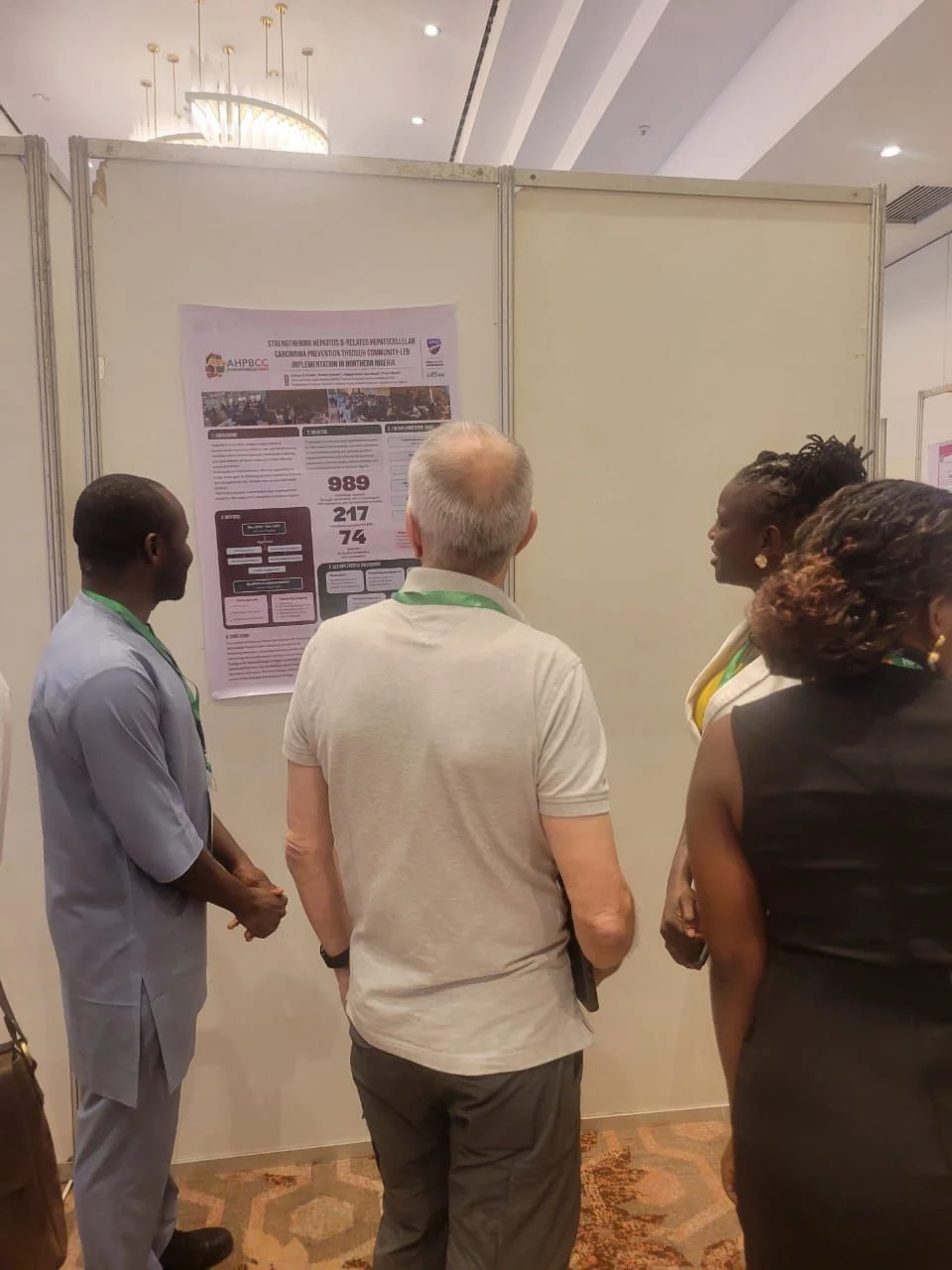
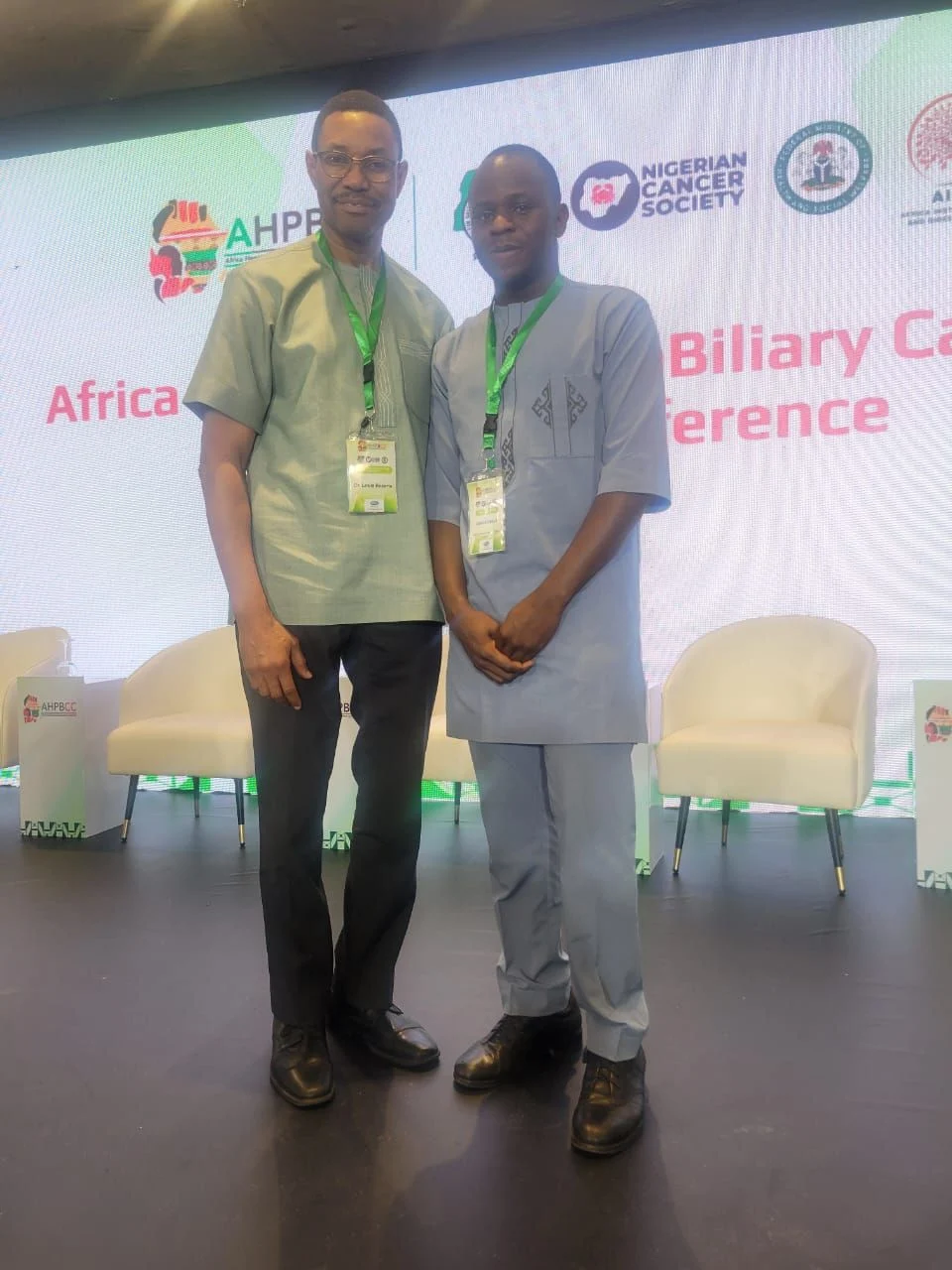
I appreciate the opportunity to engage Prof. Lewis Roberts, President of AHPBCC, and the perspective shared by Dr. Folakemi Odedina on building consequential cancer research and stronger research capacity. I was equally glad to engage Dr. Uchechukwu Emmanuel Nwokwu, Chair of Nigeria’s National Cancer Control Plan, at my poster and situate some of these questions within the wider cancer-control priorities in Nigeria.
Several other conversations in Abuja are continuing beyond the conference, particularly around strengthening the HBV care continuum, research capacity and the clinical and institutional partnerships required to move community-level work forward.
There are important research questions embedded in the realities around us in northern Nigeria. Our responsibility is to approach them with the same scientific seriousness we expect anywhere else: generate stronger data, build credible partnerships, test interventions rigorously, and translate what we learn into systems that work for people.
I am grateful for the longstanding collaboration and specially to the SRHIN leadership for facilitating the participation in Abuja.”
Joshua Omale was recognized among OncoDaily’s The 100 Most Influential People in Oncology in 2025, highlighting his contributions to the field of oncology.
Nominations for 100 Influential People in Oncology 2026 are now open, recognizing leaders, researchers, clinicians, innovators, advocates, and other individuals making a meaningful impact on oncology and cancer care.
Don’t miss the opportunity to nominate yourself, a colleague, or someone whose contributions deserve to be recognized.
Submit your nomination by September 15: 100 Influential People in Oncology 2026 – Nominations are Open!
You might be interested in: Liver Cancer: How Dose Distribution Shapes 90Y-SIRT Outcomes