





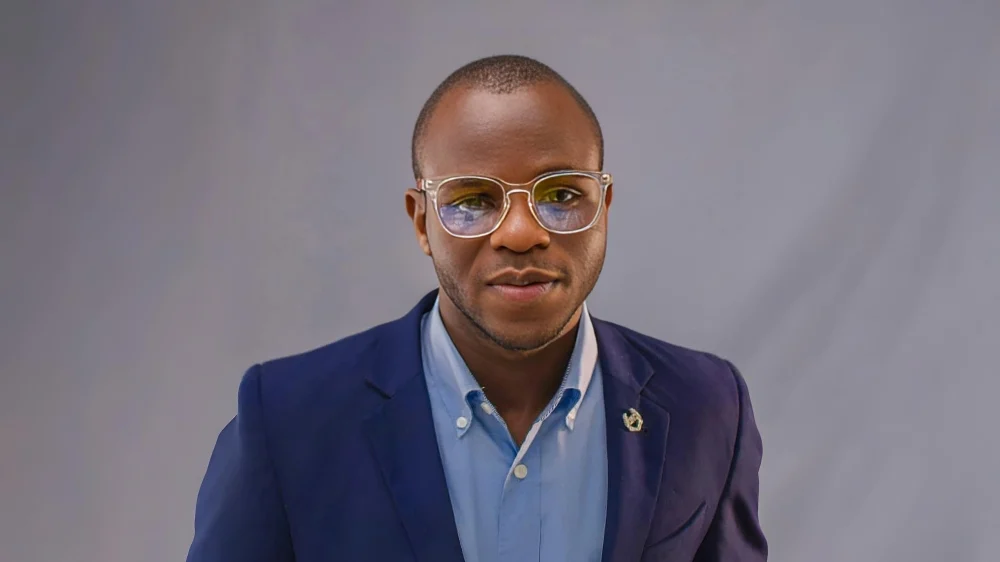
Joshua Omale, Pediatric Oncology Advocate, Innovation Council Member at Coalition Against Childhood Cancer (CAC2), shared a post on LinkedIn:
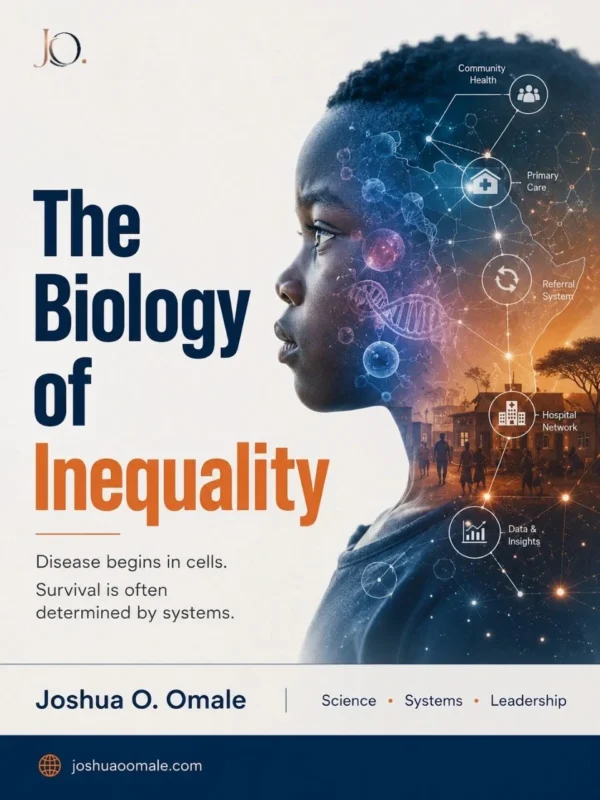
“Chapter 2
The biology of inequality: Why disease begins in cells, but survival does not
Every disease begins with biology.
A mutation.
An infection.
A genetic alteration.
An inflammatory response.
A disruption in normal physiology.
Cells neither know nor care whether they exist in Lagos, London, Nairobi, or New York.
Biology is remarkably impartial. Survival, however, is not.
The trajectory of a child’s illness is shaped by forces that extend far beyond the microscope:
- Whether a parent recognizes the warning signs.
- Whether a primary healthcare worker suspects a serious illness early enough. Whether diagnostic services are available.
- Whether pathology results return in days rather than months.
- Whether treatment is affordable.
- Whether medicines remain in stock.
- Whether healthcare professionals have received the necessary training.
- Whether reliable data exist to guide policy and investment.
These are not biological variables, yet they influence biological outcomes every single day.
This is why I believe one of the greatest misconceptions in global health is the assumption that improving outcomes begins only with better science.
Science is indispensable. But science reaches its full potential only when it is supported by systems capable of translating discovery into care.
A child with leukemia and a child with sickle cell disease may face entirely different biological conditions, yet both depend upon remarkably similar systems:
- Timely recognition.
- Accessible diagnostics.
- Reliable referral pathways.
- Affordable treatment.
- Skilled multidisciplinary care.
- Continuity of follow-up.
- Strong institutions.
The biology may differ. The systems often do not.
This may be one of the most important shifts in thinking required to improve children’s health across Africa. The future demands more than scientific excellence. It demands scientific excellence that reaches children.
Advances in molecular biology, genomics, pharmacology, immunology, precision medicine, artificial intelligence, diagnostics, and translational research will continue redefining what is biologically possible. Our equally urgent responsibility is ensuring that health systems evolve rapidly enough to make those possibilities accessible to every child, regardless of geography or circumstance.
That distinction may shape the future of children’s health across our continent.
Joshua Omale
Building at the intersection of science, systems, and leadership for the future of children’s health in Africa.”
Other articles featuring Joshua Omale on OncoDaily.