John H. Stewart IV, MD, MBA, Chair of Surgery at Morehouse School of Medicine and Associate Dean for Oncology Programs, shared a post on LinkedIn:
“This past week has been bittersweet.
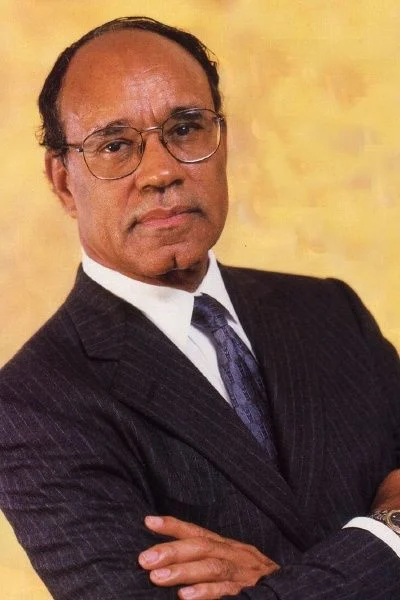
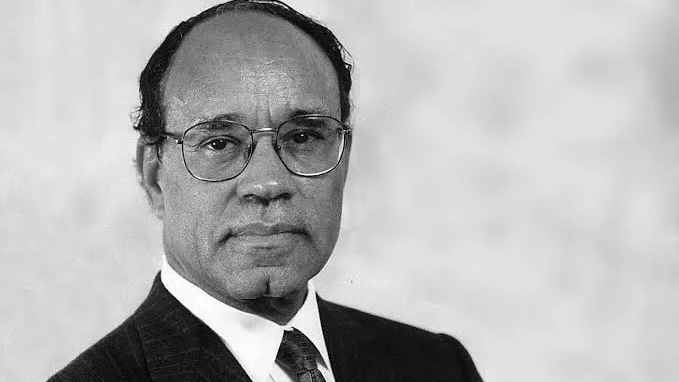
We lost a giant. Dr. Harold P. Freeman, the father of patient navigation and one of the most consequential voices for health equity our field has ever known, passed away at 93. I had the privilege of meeting him during his tenure at the National Cancer Institute, and he was a profound inspiration to me as a surgical oncologist. His conviction that no one should die from cancer simply because of who they are or where they live shaped how I saw my calling. His pioneering work on patient navigation directly influenced navigation efforts I took on early in my own career. I was also honored that he invited me to sit in on several President’s Cancer Panel meetings during his time as chair. Those rooms, and his example, left a lasting mark on me.
Even in a week of loss, the future kept announcing itself.
I was genuinely inspired to see the Phase 3 results for the personalized mRNA melanoma vaccine built on AI-identified neoantigens, the first positive Phase 3 readout of its kind. Having spent the past 25 years working in tumor immunotherapy and surgical oncology, it is deeply gratifying to watch the field keep advancing toward what once felt aspirational. This is the arc Dr. Freeman believed in: science moving forward, and access moving with it.
Closer to home, as a chair and educator, trainee success remains, first and foremost, my priority. This year, two of our chief residents sat for the American Board of Surgery Certifying Exam early, alongside our three graduated chiefs. I am proud to announce that all of them passed. We are doing the work at Morehouse Surgery.
And finally, the Georgia Department of Community Health has approved the Letter of Determination for a new hospital in South Fulton County, a partnership between Morehouse School of Medicine and Atrium/Advocate Health. This is a key milestone for healthcare in Atlanta, bringing needed access to a community that has long deserved it. It is, in many ways, the living embodiment of everything Dr. Freeman spent his life fighting for.
We honor the past by building the future.”