





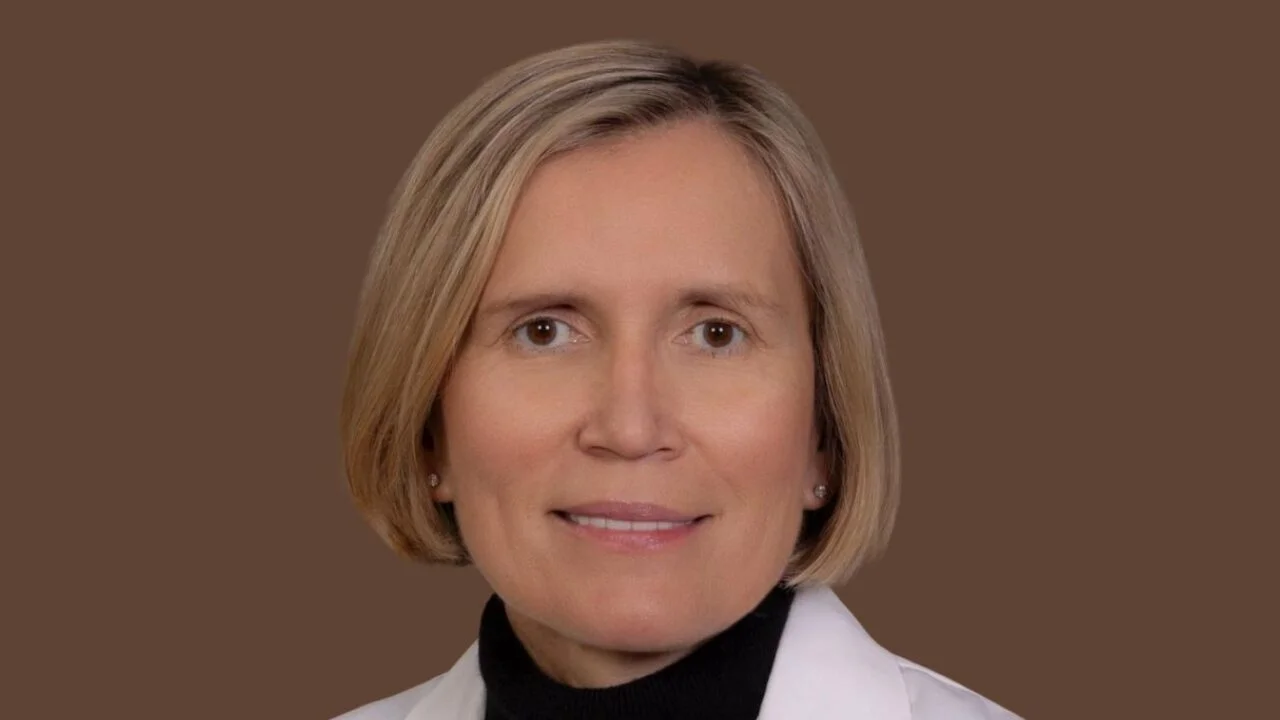
Joanna Metzner-Sadurski, President of Oncology101.org, Adjunct Professor at Edward Via College of Osteopathic Medicine, shared on LinkedIn:
“The NCCN AI summit highlights an important moment in cancer care.
AI has tremendous potential: improving radiation planning, identifying biomarkers, supporting precision medicine, reducing administrative burden, and helping match patients to clinical trials.
But from the perspective of community oncology, we must ask a deeper question: Will these tools close gaps in cancer care, or will they widen them?
Patients who ask about clinical trials, biomarkers, and new technologies are often the same patients who already have access, confidence, resources, health literacy, and trust in the system. Many marginalized patients do not ask.
Some do not know these options exist. Some do not trust the system. Some do not have transportation, broadband, time off work, or a caregiver to help them navigate complex care.
We also have to ask whether the data behind AI tools are generalizable.
If rural patients, older adults, minority populations, patients with low health literacy, and patients treated in community practices are underrepresented in datasets and clinical trials, then AI recommendations may not fully apply to the patients we serve every day.
Technology alone is not equity. Biomarkers alone are not access. Trial matching alone is not patient understanding.
If AI is going to improve cancer care, it must be developed with transparency, guardrails, patient input, community practice input, and a clear commitment to health literacy. We need tools that patients can understand, clinicians can trust, and smaller cancer centers can realistically use.
Innovation should not only reach the patients who are already connected. It should reach the patients who are too often left behind.
Understand Your Health Journey Through Educational Videos and Resources
We must invest in patient education in a meaningful way.
Not just softer language, rounded letters, friendly colors, or smiley faces, but real education that helps patients understand their diagnosis, treatment options, biomarkers, side effects, clinical trials, and next steps.
Health literacy cannot be treated as decoration.
It must be built into cancer care as seriously as any other quality and safety intervention.”
Other articles about AI on OncoDaily.