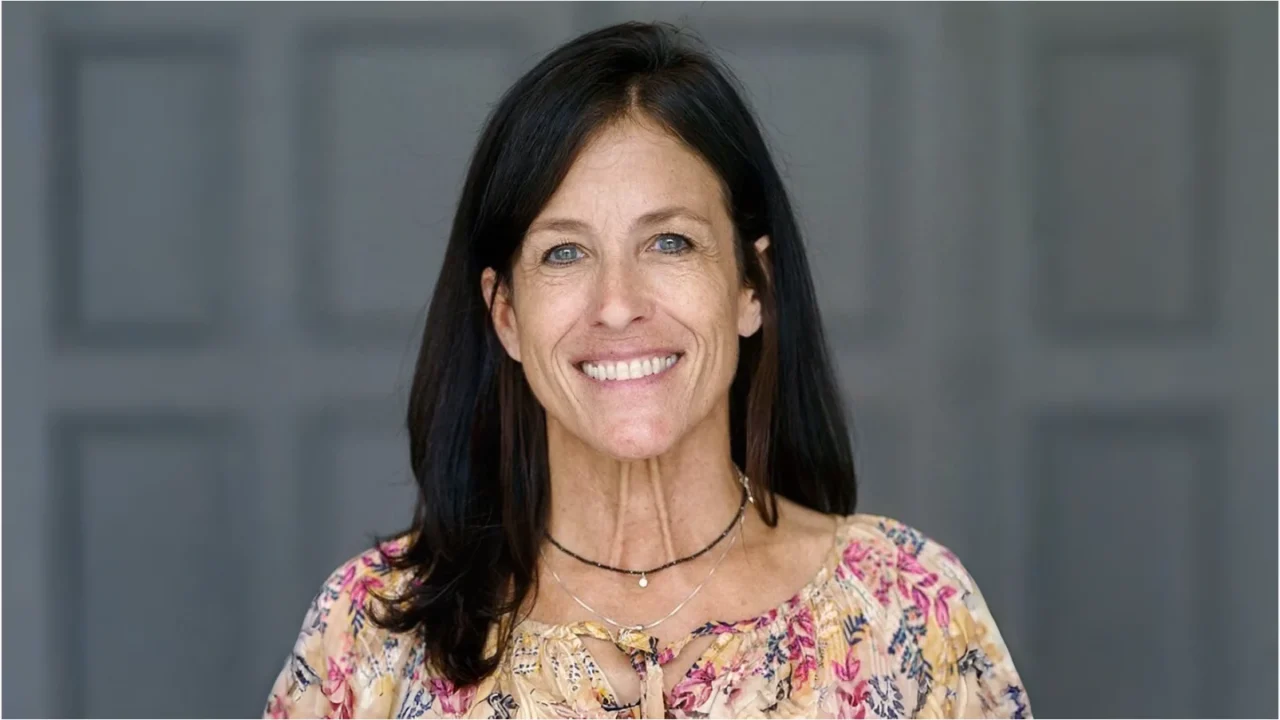
Jill Feldman, Co-Founder at EGFR Resisters, shared on LinkedIn:
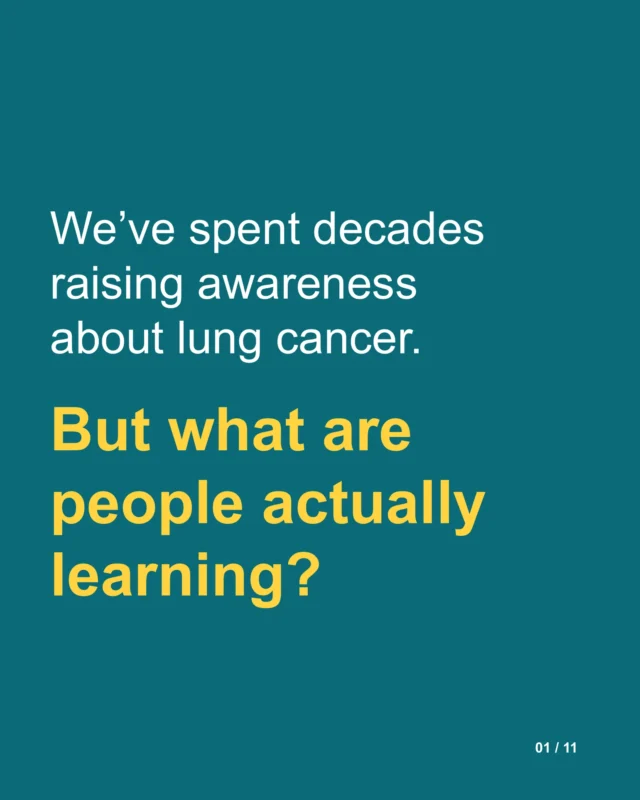
“We’ve spent decades raising awareness about lung cancer. But what are people actually learning?
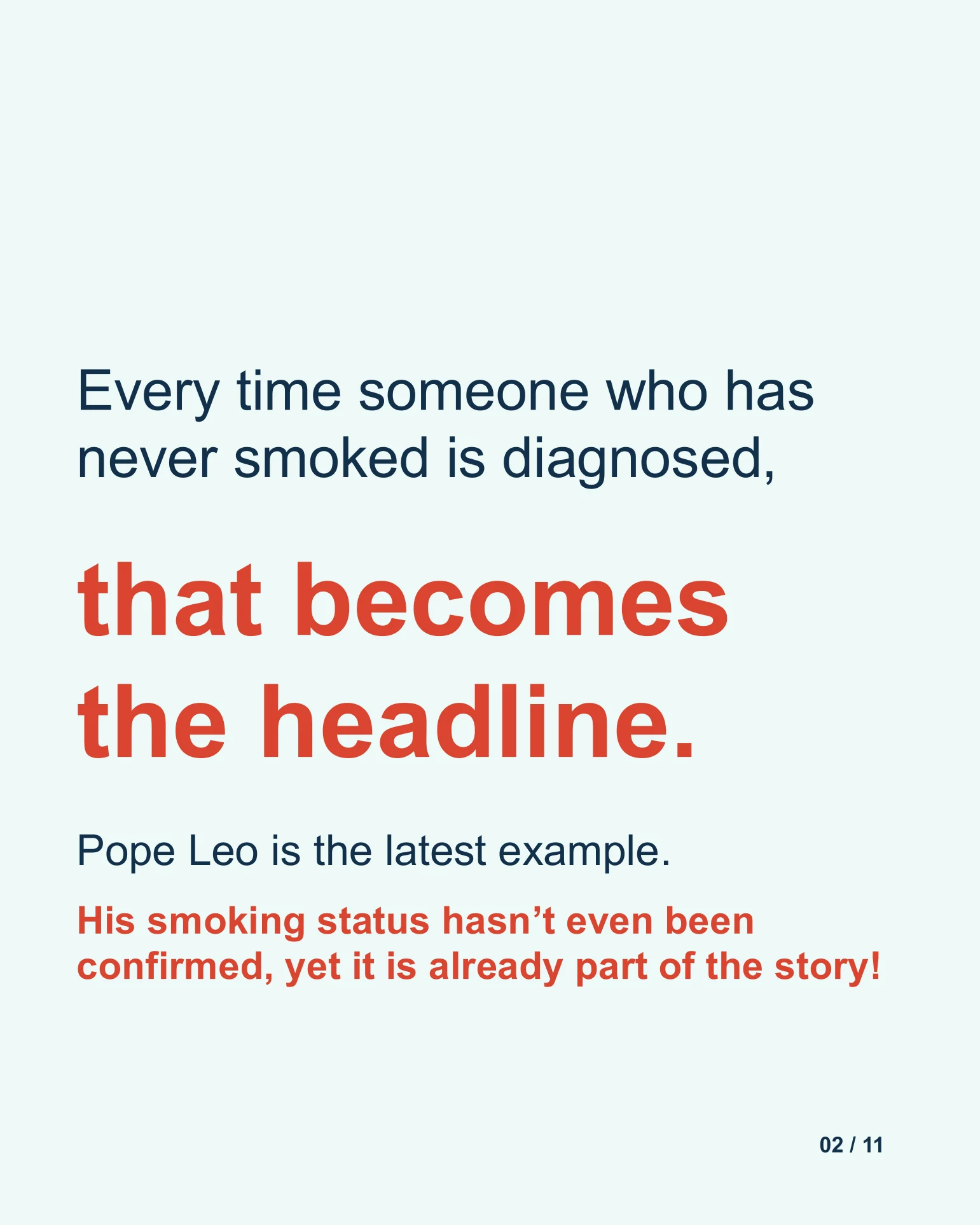
Every time someone who has never smoked is diagnosed with lung cancer, that becomes the headline. Pope Leo is the latest example. His smoking status hasn’t been confirmed, yet it’s already part of the story!
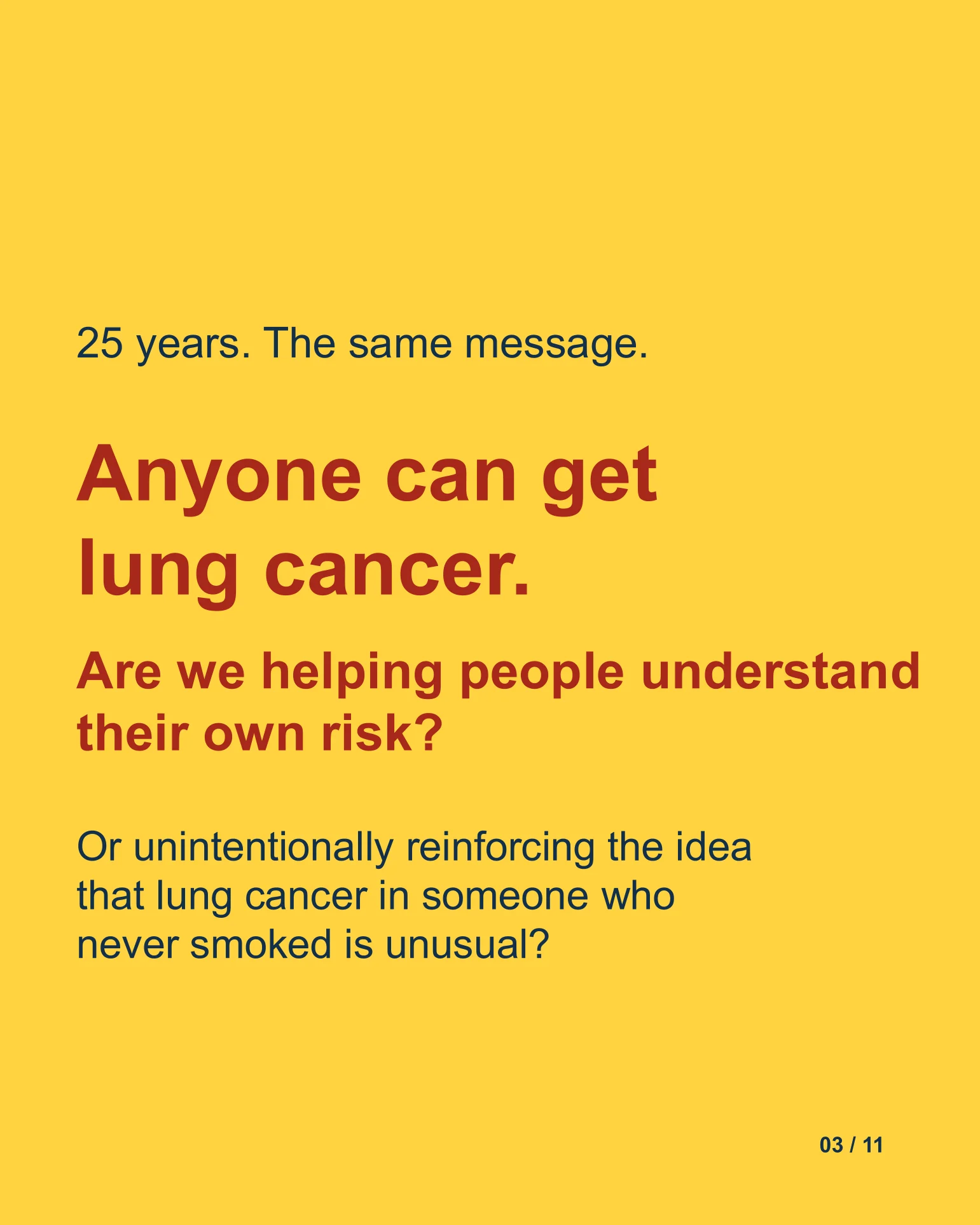
When Dana Reeve was diagnosed in 2005, the fact that she never smoked made headlines. We’re still having the same conversation, trying to help people understand that Anyone can get lung cancer.
After 25 years, shouldn’t we ask whether our message is actually changing how people think about the disease?
When we emphasize that someone never smoked, are we helping people understand their own risk? Or are we unintentionally reinforcing the idea that lung cancer in someone who never smoked is unusual?
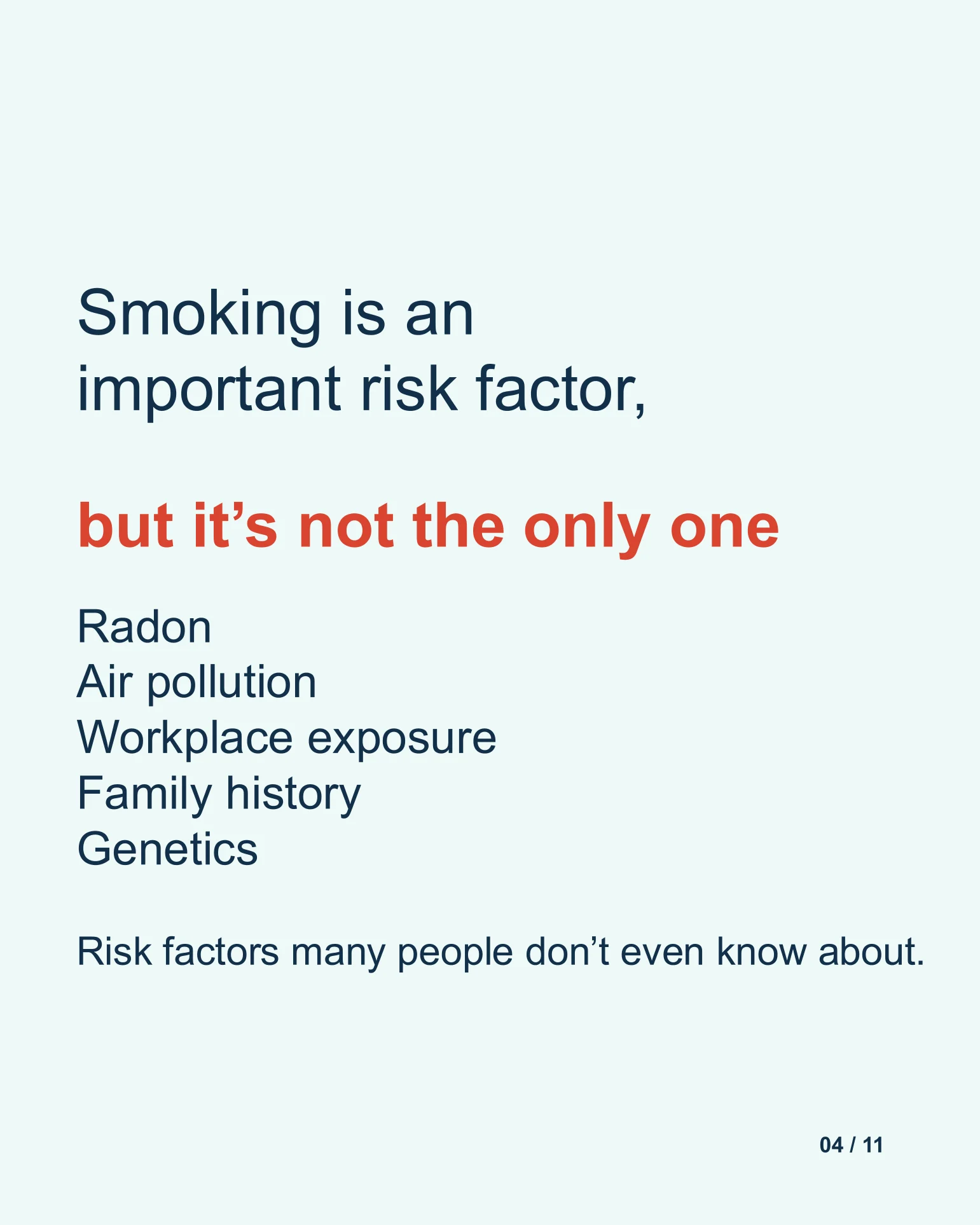
Smoking is an important risk factor, but it’s not the only one.
Radon. Air pollution. Workplace exposure. Family history. Genetics. Risk factors many people don’t even know about. Yet, we keep coming back to smoking history.
- Smoking history is important medical information, but why is it the focus when someone is just diagnosed with lung cancer?
- With what other cancer do we immediately ask what caused it instead of asking how the person is doing?
- What if we change the conversation?
- What if instead of asking, ‘Did you smoke?’ we asked,’How are you doing?’
What if instead of emphasizing that we or someone we love never smoked, we said, ‘It was a shock. We didn’t even know about all the risk factors for lung cancer.’
People might stop and think: Wait… what Are the risk factors for lung cancer? Could I be at risk? That could start a conversation that actually changes something.
But there’s another consequence of making smoking history the headline. It can unintentionally send the message that someone with a smoking history deserves less empathy, less support, or less urgency.
Most people don’t mean it this way, but it can make compassion feel conditional. Why should someone have to lead with ‘I never smoked’ before people offer compassion?
There is something profoundly wrong with that.
Cancer is complex. Risk factors help us understand probability, but they don’t explain why one person develops cancer and another doesn’t.
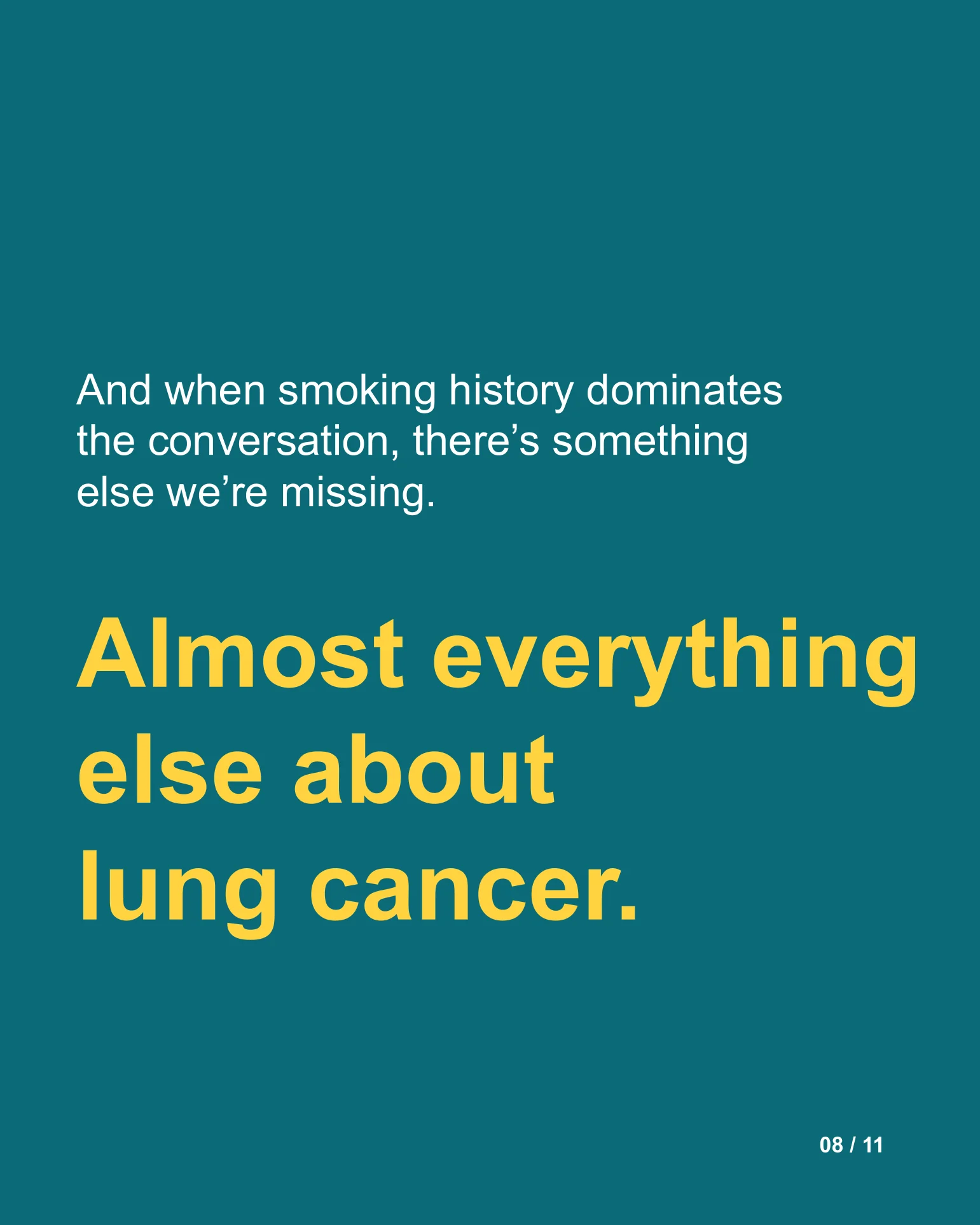
And when smoking history dominates the conversation, we are missing almost everything else about lung cancer.
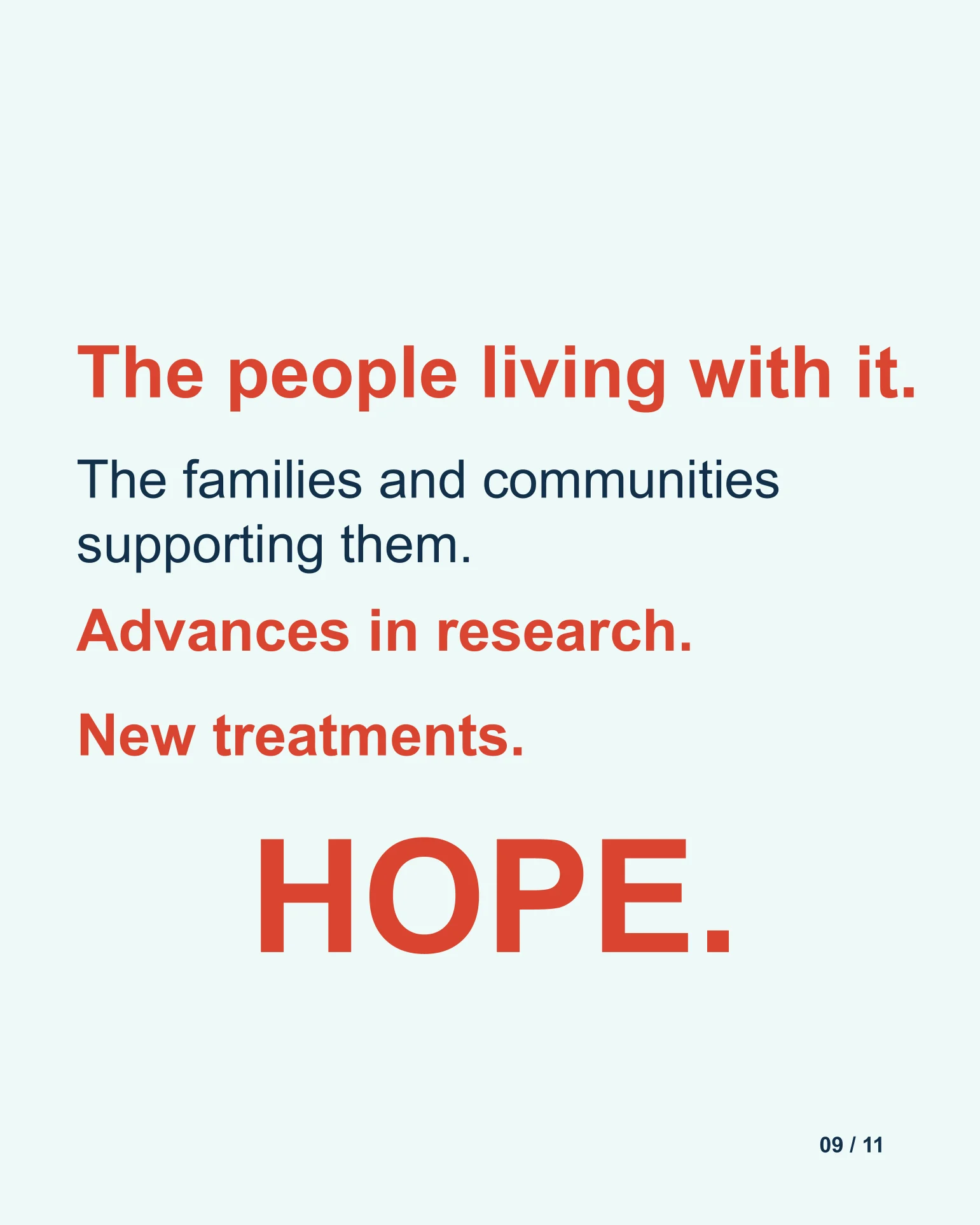
People living with it. Families and communities supporting them. Advances in research. New treatments. Hope
What if we spent as much time talking about those things as we do about smoking history?
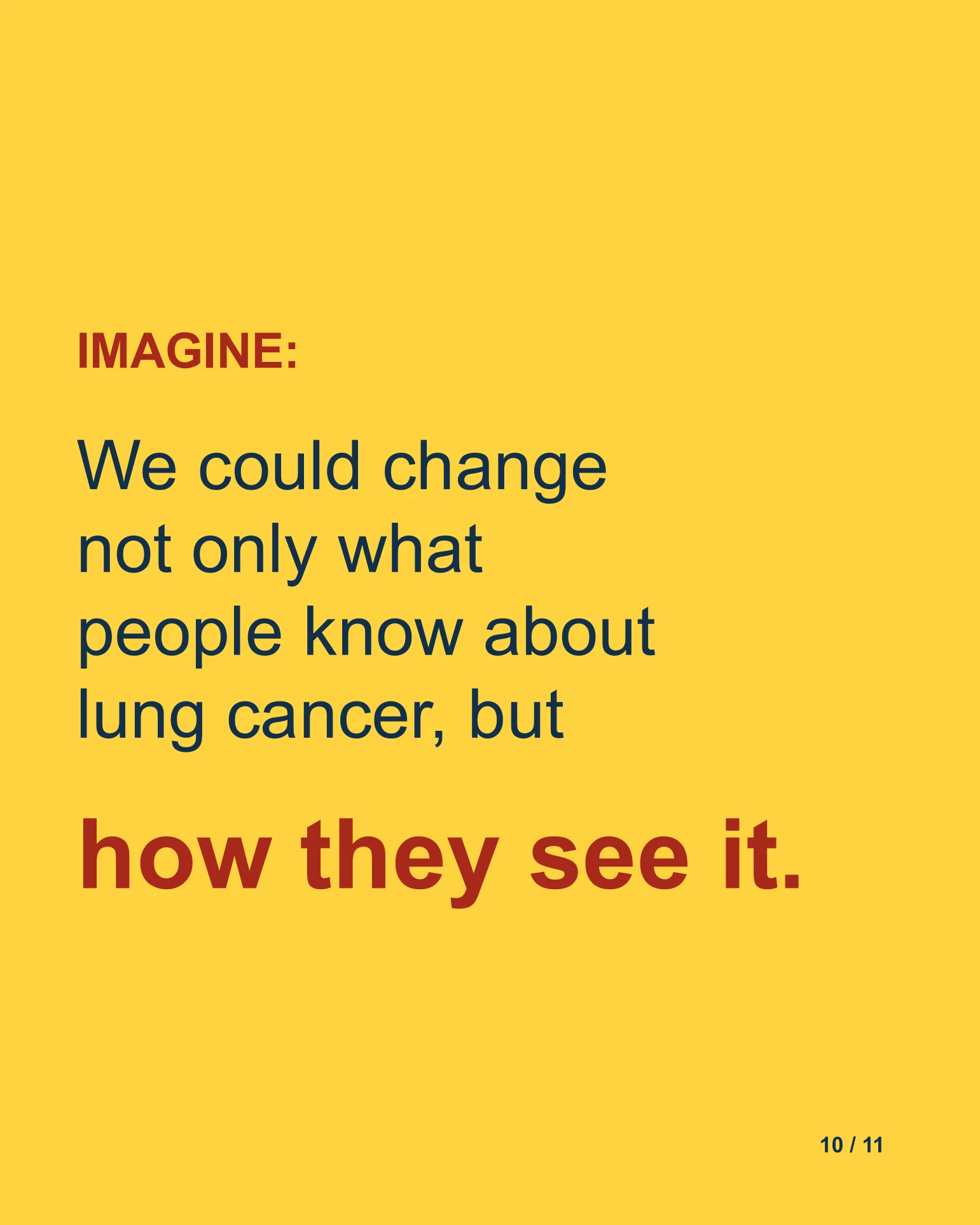
We could change not only what people know about lung cancer, but how they See it. We could educate people about risk, celebrate progress, share hope, and treat every person diagnosed with lung cancer with the compassion they deserve.
We can and should do ALL of those things.
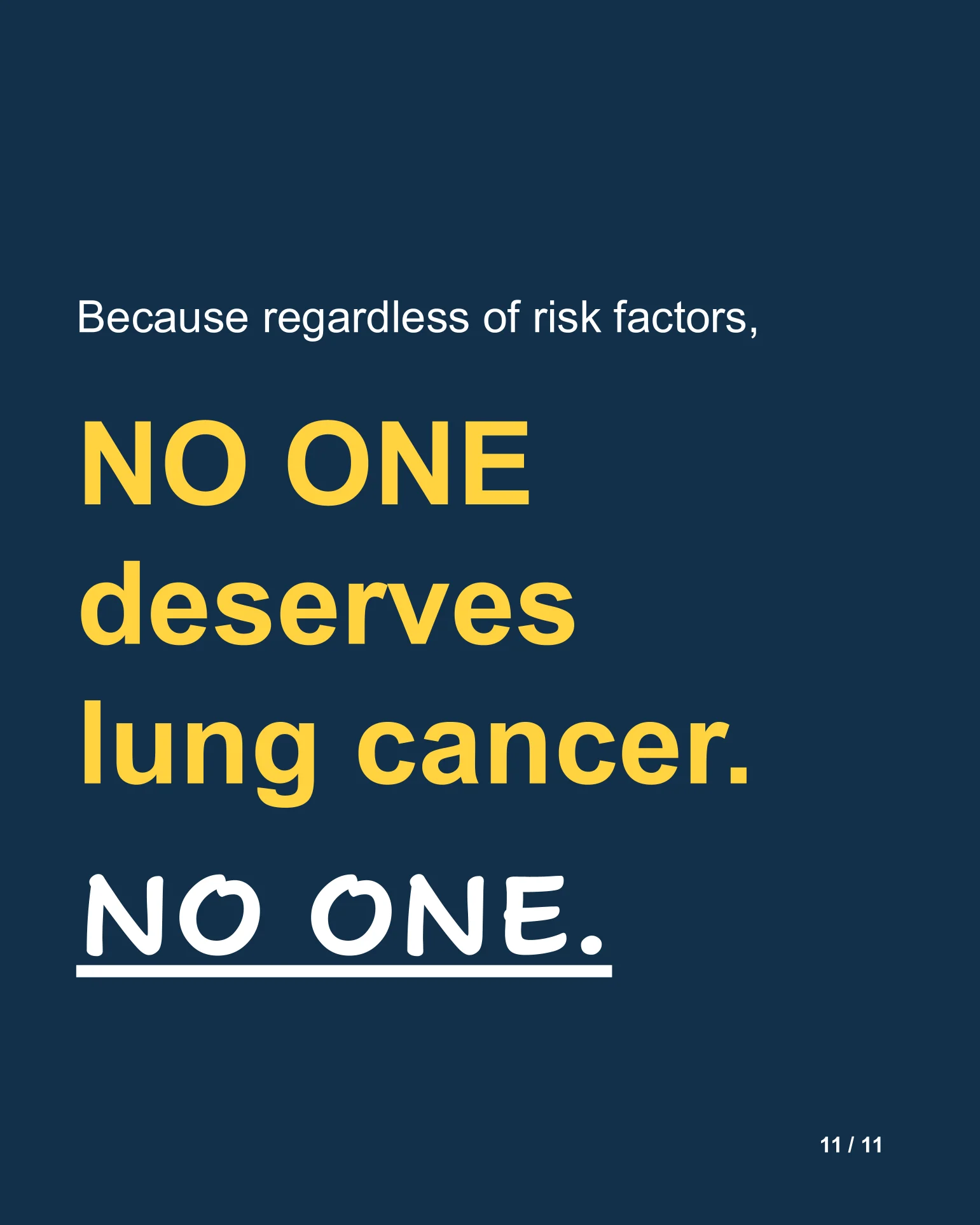
And regardless of risk factors, No one deserves lung cancer. No one.”
Other articles featuring Jill Feldman on OncoDaily.