





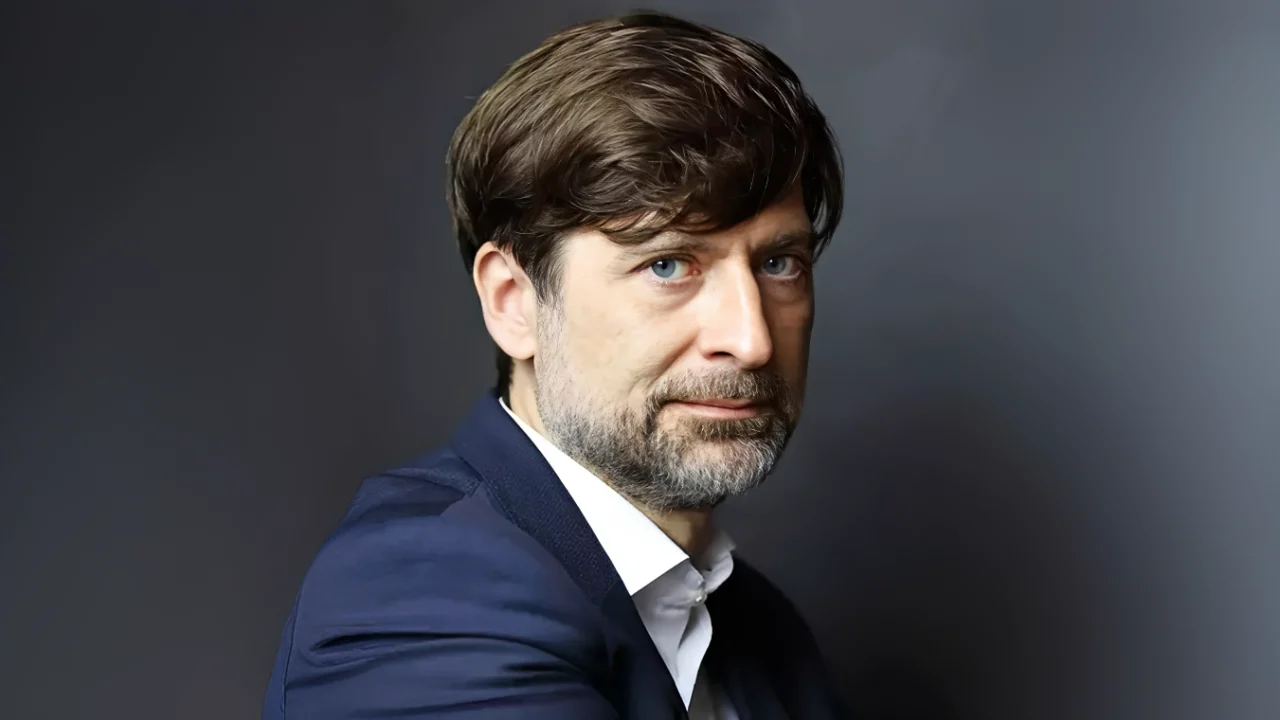
Istvan Petak, Founder and Chief Scientific Officer at Genomate Health, shared on LinkedIn:
“Unbearable sadness.
Last week, we lost a two-year-old boy, Matias, to cancer.
It is impossible for me to accept this as a human being, as a father, and as a cancer researcher.
I often imagine how I could explain to a child like Matias that I gave up because the work became too difficult, because there were too many failures. I always realize that this would be impossible.
I still remember the little girl who asked me thirty years ago whether we had finally found a treatment so her leg would not need to be amputated. Moments like these stay with you forever.
I have witnessed the entire modern era of precision oncology. I was there when we had no targeted therapies at all. I was there when the first breakthroughs with targeted therapies gave us hope that understanding the molecular drivers of cancer could fundamentally change outcomes for patients.
And it did.
Since the Human Genome Project, medicine has made extraordinary progress. Molecular profiling and targeted therapies have transformed the lives of many patients who previously had no options.
But we have also learned cancer is far more complex than we originally hoped.
Most tumors are not driven by a single genomic alteration. They harbor multiple interacting alterations, often four or five major molecular drivers evolving together within highly adaptive biological systems. Matching one mutation to one drug is often not enough.
This week’s loss painfully reminded me of both how far we have come and how far we still need to go.
Matias was diagnosed before the age of two with a very rare and highly aggressive tumor. Molecular analysis identified a genomic alteration, and after the initial therapies failed, his mother reached out to us for help. Together with my colleagues, we analyzed potential targeted treatment options. Several leading oncology centers agreed with the same recommendation, and he received the therapy.
The treatment worked. The metastases shrank.
For months. Gaining little but precious time.
Then a new tumor emerged. We needed a new biopsy and deeper molecular analysis to understand how the cancer had evolved and which new resistance mechanisms had developed.
But we did not have a chance.
That is the reality of cancer. Even when we win battles, the disease adapts.
We need scientifically validated computational tools that help physicians overcome the complex genomic architecture of each tumor and support truly personalized treatment decisions.
Most of the time, I write about successes because I want to share hope. But cancer research and patient care are built as much on painful patient stories as on breakthroughs.
Matias – and so many others we could not save – make it impossible for us to stop trying, impossible for us to stop hoping.
I want to quote Matias’ mother here, Lucica Antohi:
‘At least Matias made history with the use of the drug Afatinib, against EGFR-KDD, so that other children facing this disease may now have access and a chance in the future.'”
Other articles featuring Istvan Petak on OncoDaily.