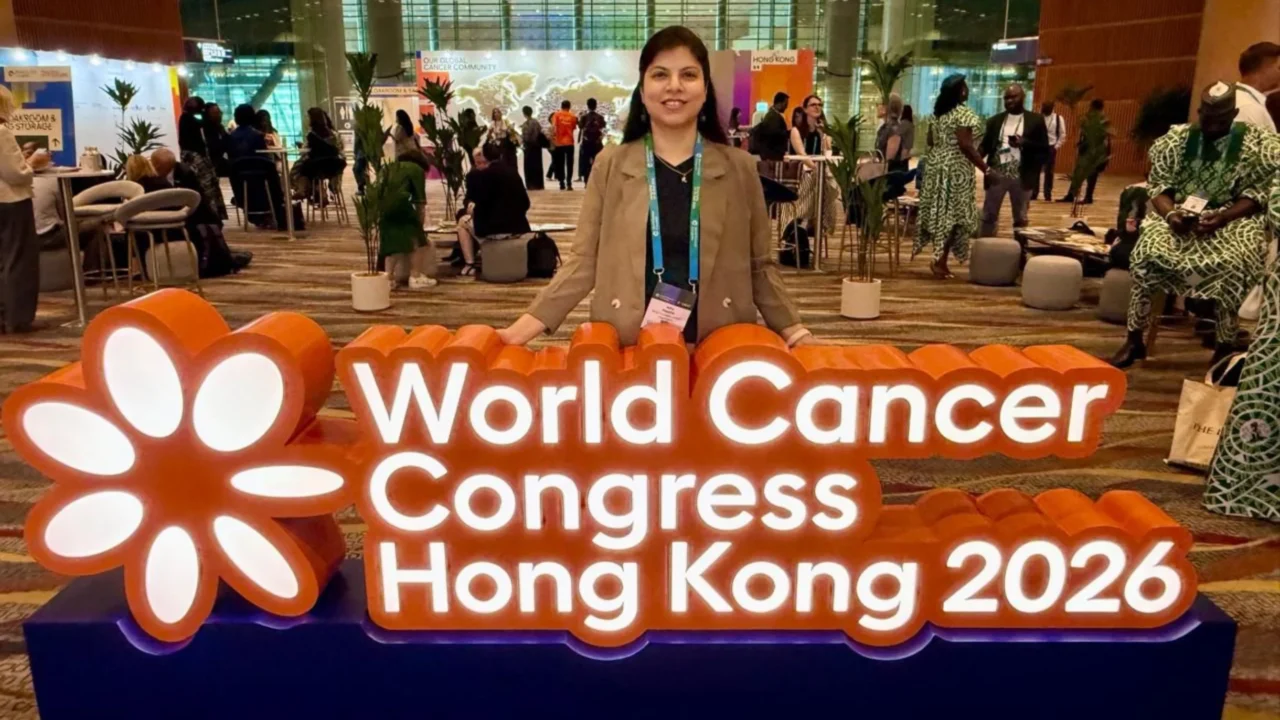
Ishu Kataria, Public Health Consultant at Ishu Kataria Consulting, Visiting Senior Lecturer of Institute of Cancer Policy at King’s College London, shared on LinkedIn:
“A woman in a low-income country is diagnosed with early breast cancer. The hospital has no radiotherapy.
Under many global guidelines, that’s where her pathway has a hole in it.
Under resource-stratified guidelines, it doesn’t. She gets surgery without radiation, which is effective, appropriate and available.
Same disease. Same woman. Different guideline, different outcome.
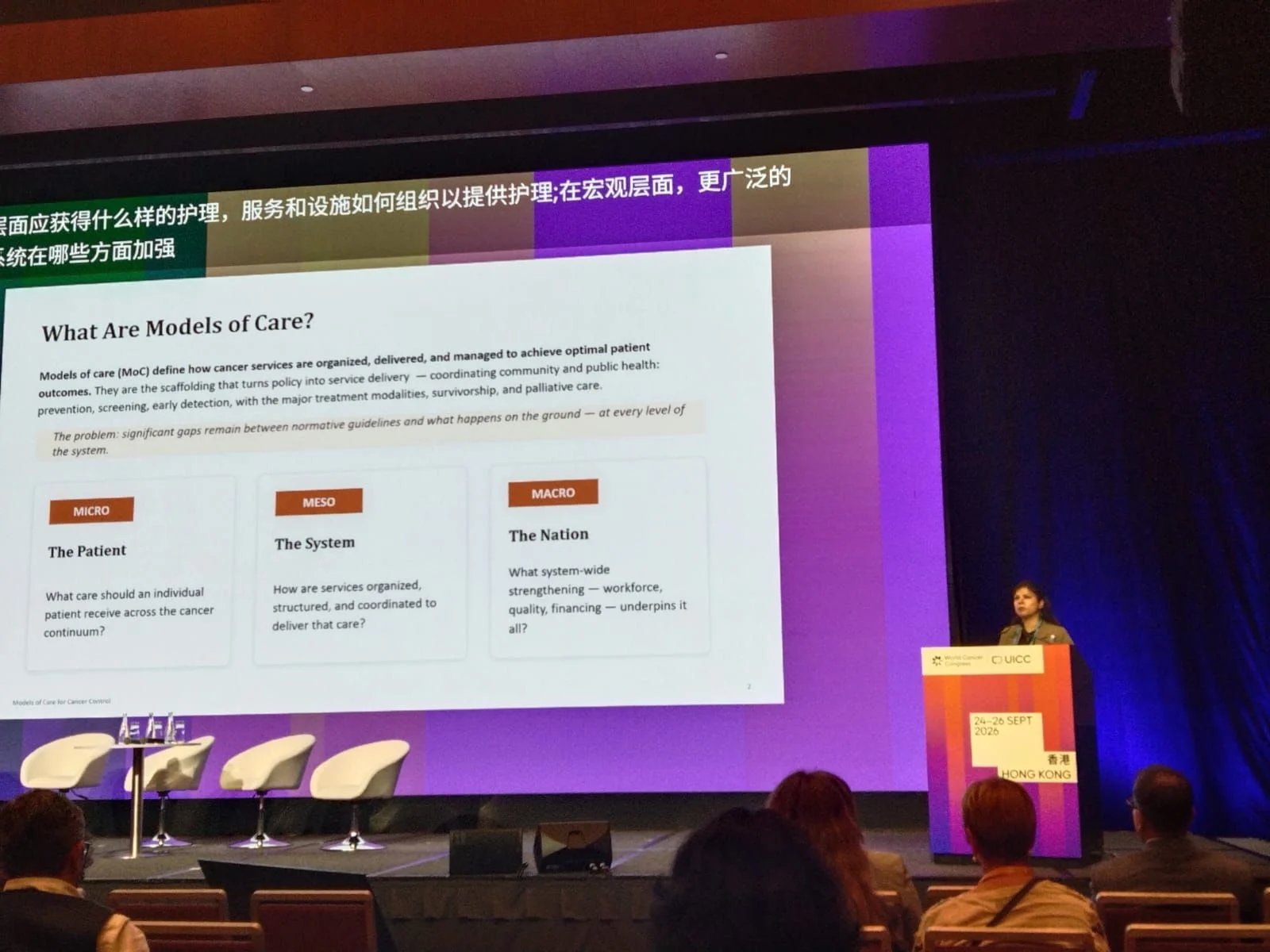
That example sat at the centre of my talk on models of care at the World Cancer Congress in Hong Kong. The guidelines that dominate global oncology are often described as resource-stratified, but they still reflect assumptions about infrastructure, workforce and diagnostics drawn from high-income settings. Frameworks like BHGI and India’s National Cancer Grid were built differently, with equity and local capacity designed in from the start.
My second presentation made the same point from the other end. I shared early findings from our HPV self-sampling study in Kerala, which suggest this kind of screening can be delivered at a cost public health systems can manage. That is the kind of evidence that tells a health system what is possible with what it has.
The link between them: equity isn’t a value you add at the end. It’s a design decision, and it gets made in the guideline, the referral pathway and the budget line.
So my closing line in Hong Kong was this. Success isn’t only measured in survival gains. It’s whether every patient, wherever they are and whatever resources they have, can move through the cancer continuum without falling through a gap.
Richard Sullivan and I make the case for rethinking global guidelines in a new commentary in BMJ Oncology (link in comments).
Thank you to my co-authors and partners in Kerala, and to everyone who pushed on these ideas in Hong Kong.
What’s one place in your health system where equity was designed in from the start, rather than retrofitted?”
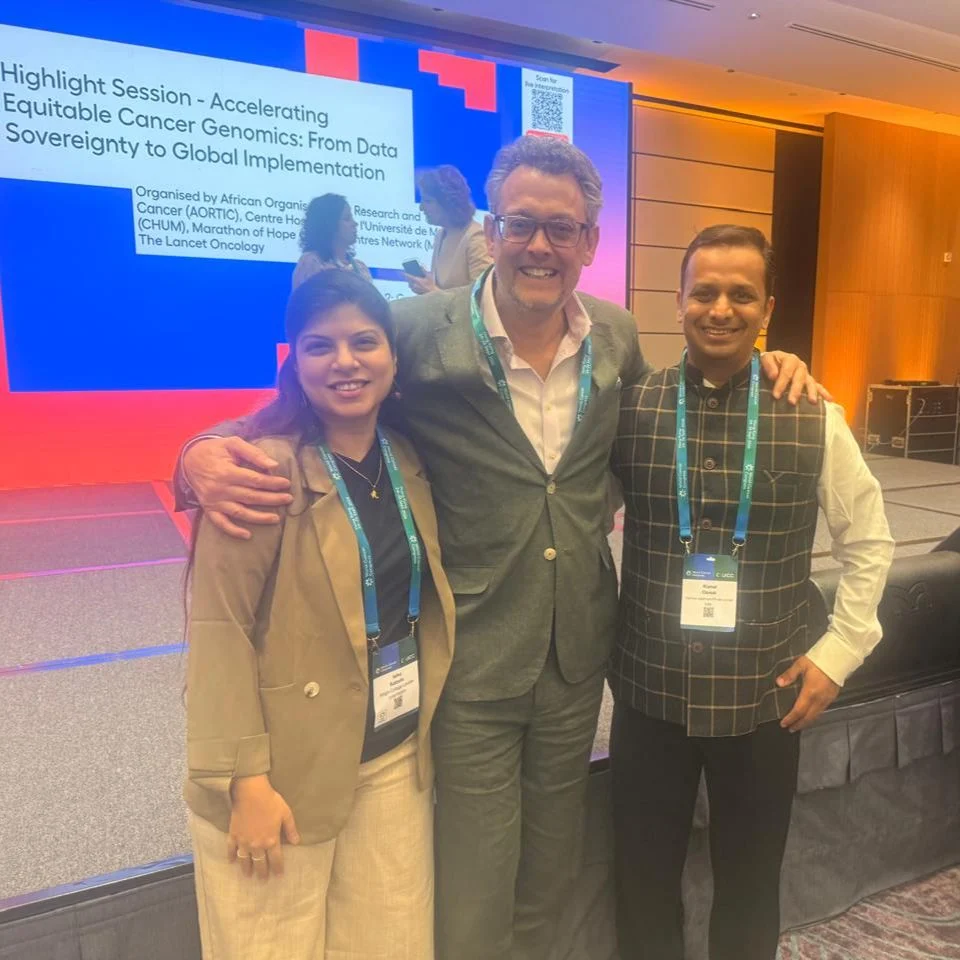
Read more about WCC 2026 on OncoDaily.