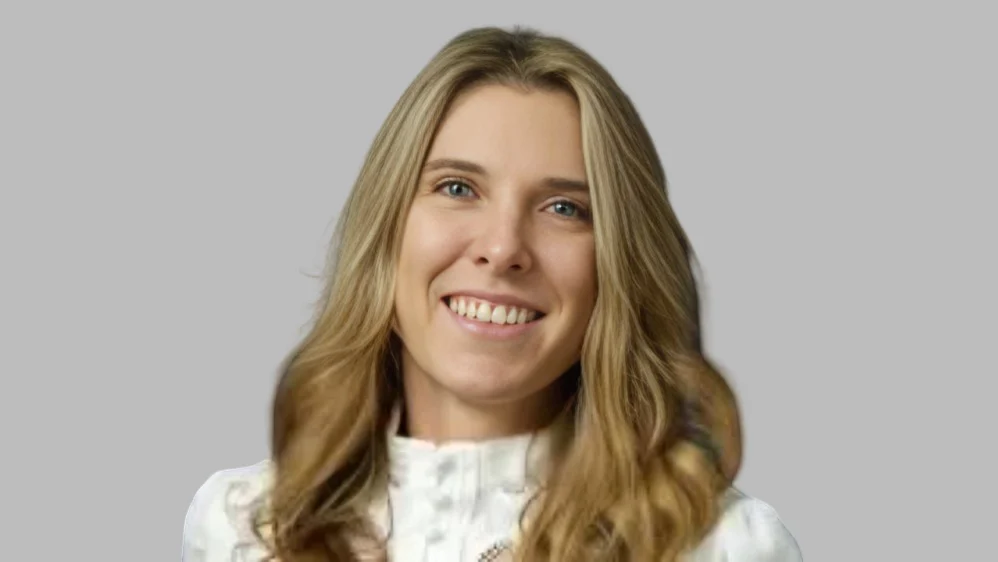
Isabel Mestres, CEO of City Cancer Challenge, shared on LinkedIn:
“Sometimes I wonder whether the word city in City Cancer Challenge makes people think our ambition ends at the city boundary.
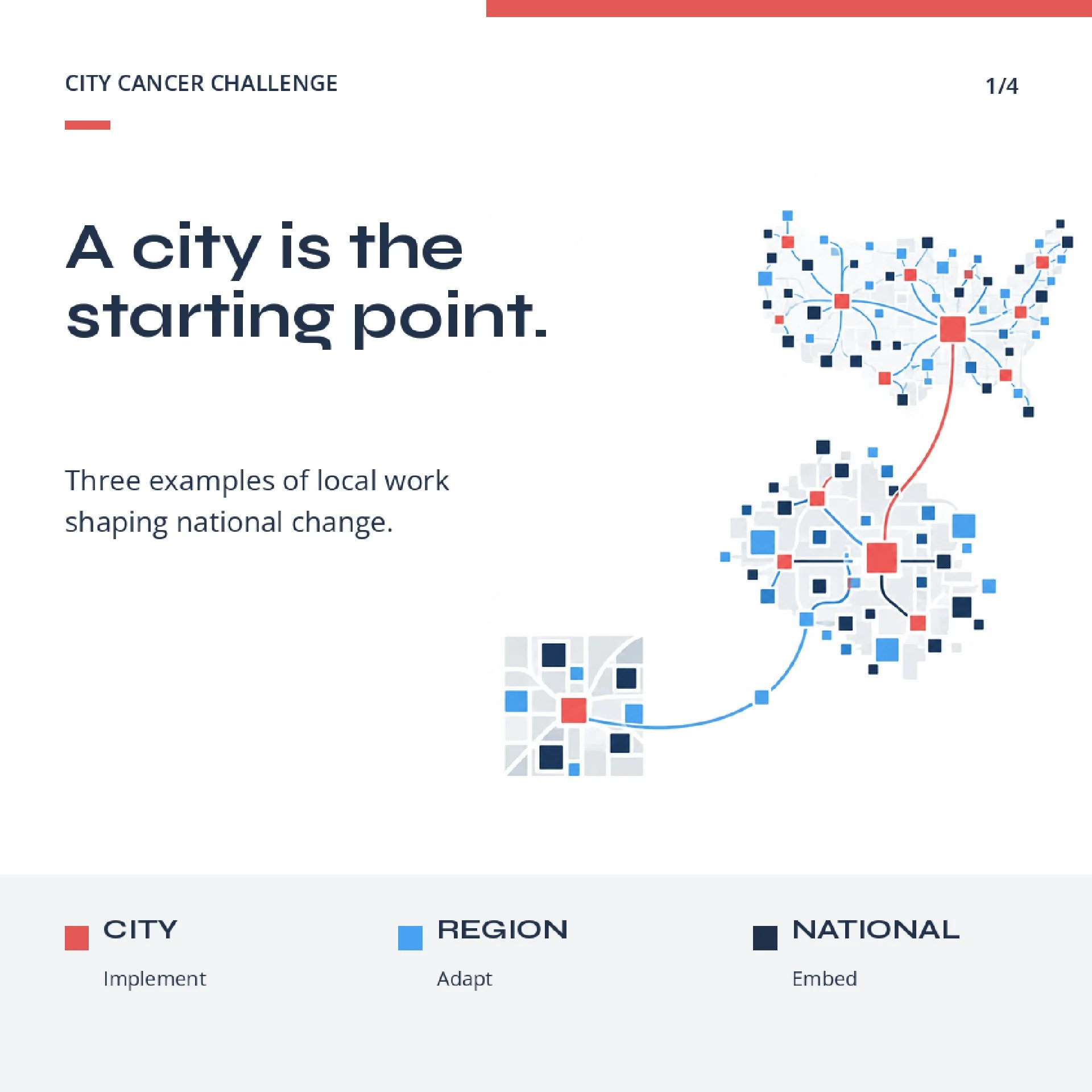
It does not. The city is where we start. Check the examples below
In the coming weeks, I will be speaking at Fast-Track Cities Institute Summit and the International Conference on Urban Health, alongside people who have seen how cities can drive national progress across different sectors.
For City Cancer Challenge (C/Can), a city gives us a place to see how the health system works in practice: large enough to follow the full patient journey, but manageable enough for institutions to identify gaps, work together and implement solutions.
Then we ask what can be adopted more widely.
We are seeing that happen in different ways.
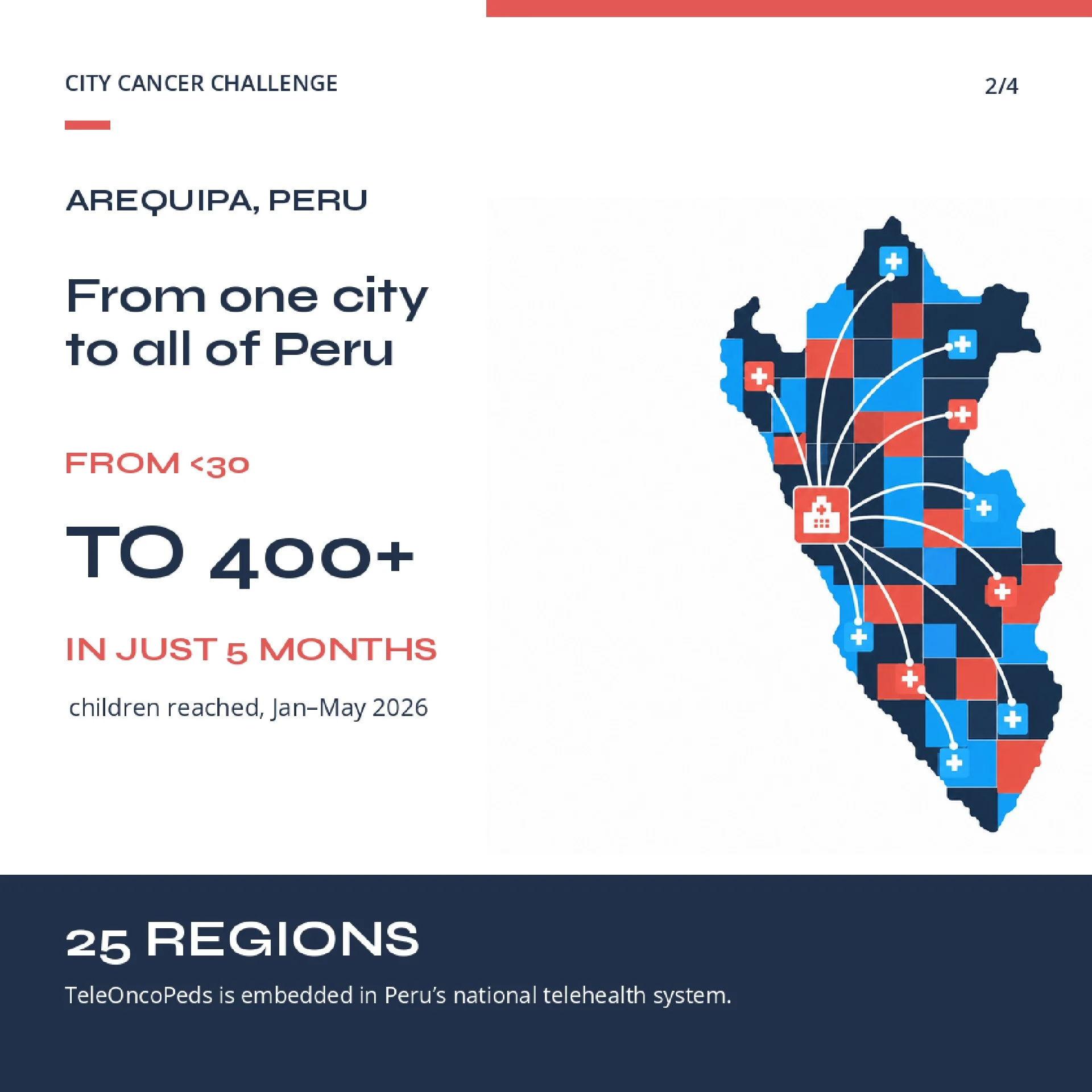
- In Arequipa, Peru, work on childhood cancer referrals helped develop TeleOncoPeds. Embedded in the Ministry of Healthrsquo;s national telehealth system, it went from reaching fewer than 30 children initially to more than 400 in the first five months of 2026, across all 25 regions of Peru. (Berenice Rodriguez Zea)
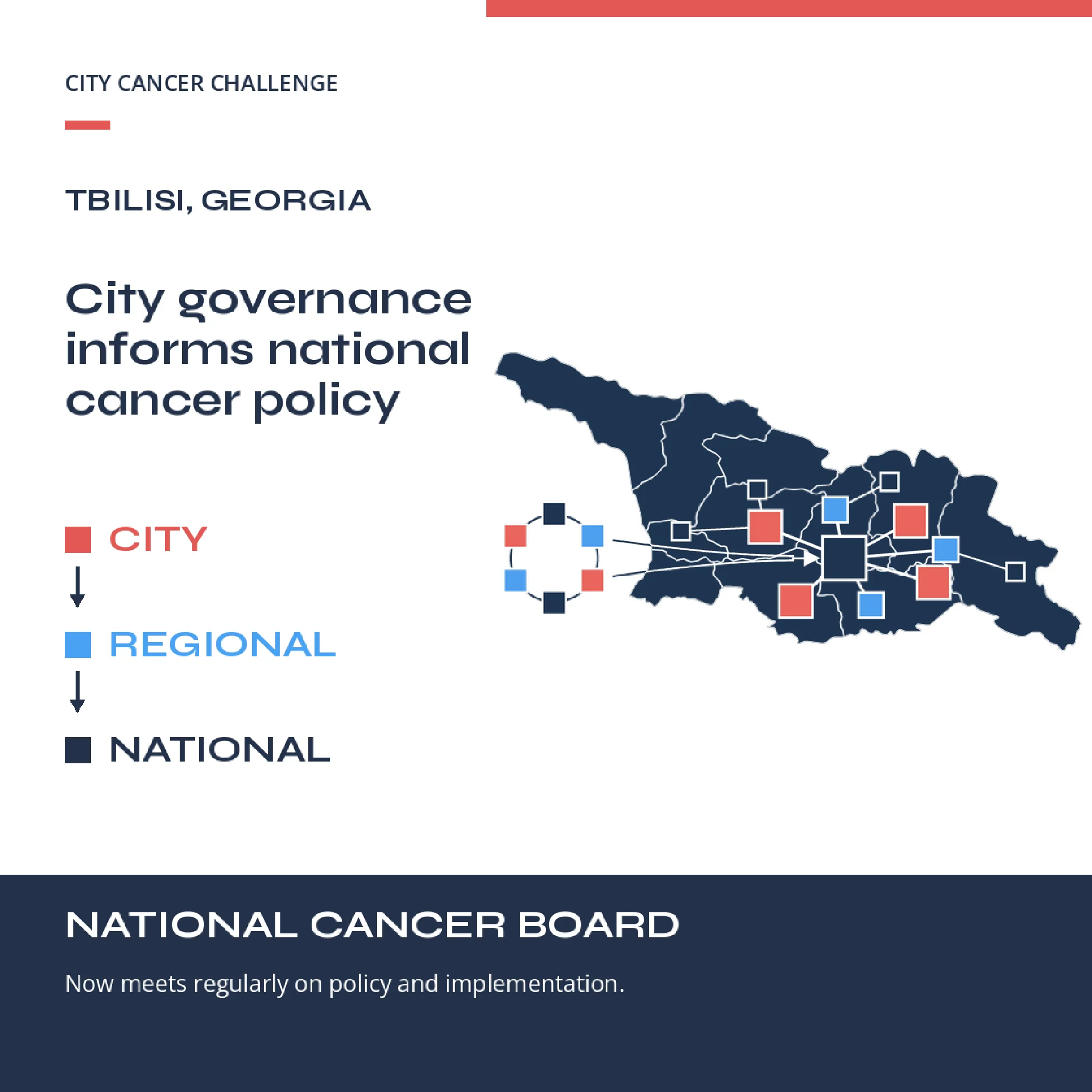
- In Tbilisi, Georgia, the governance model developed for the city programme helped inform the creation of a National Cancer Board. It now meets regularly to discuss cancer policy and implementation. (Natia Verdzadze)
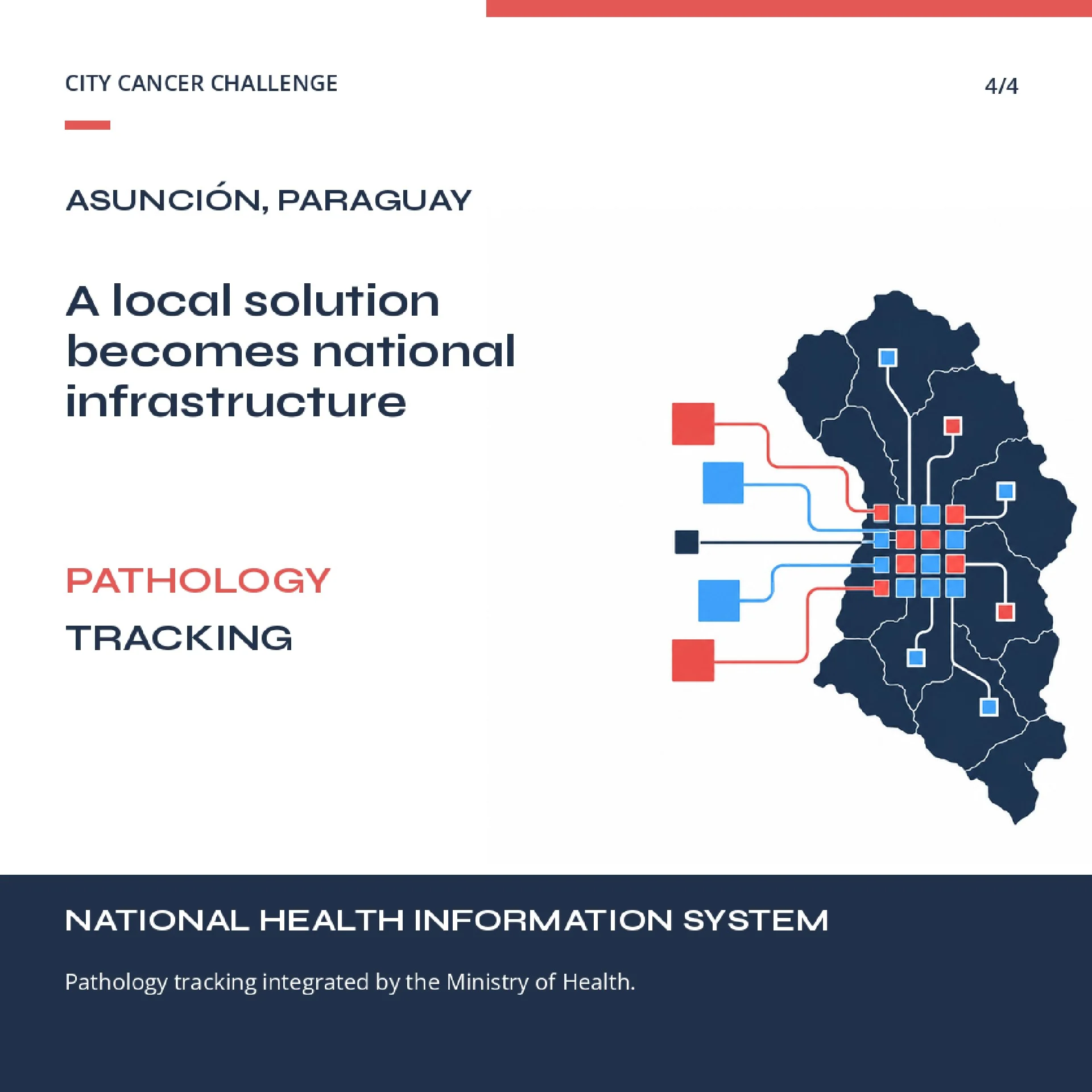
- In Asunción, Paraguay, an improved pathology tracking system developed through the city’s work has been integrated into the national Health Information System. (Rosa Gonzalez Leon)
These are three different ways local implementation can lead to wider change.
None happens automatically. It takes local leaders, national institutions and sustained work to make a solution part of routine practice.
So yes, cities are central to our name and our model.
But our ambition is cancer care that works better wherever people live. A city is a powerful place to begin.
Looking froward to seeing you soon José M. Zuniga and Giselle Sebag.”
Other articles about City Cancer Challenge on OncoDaily.