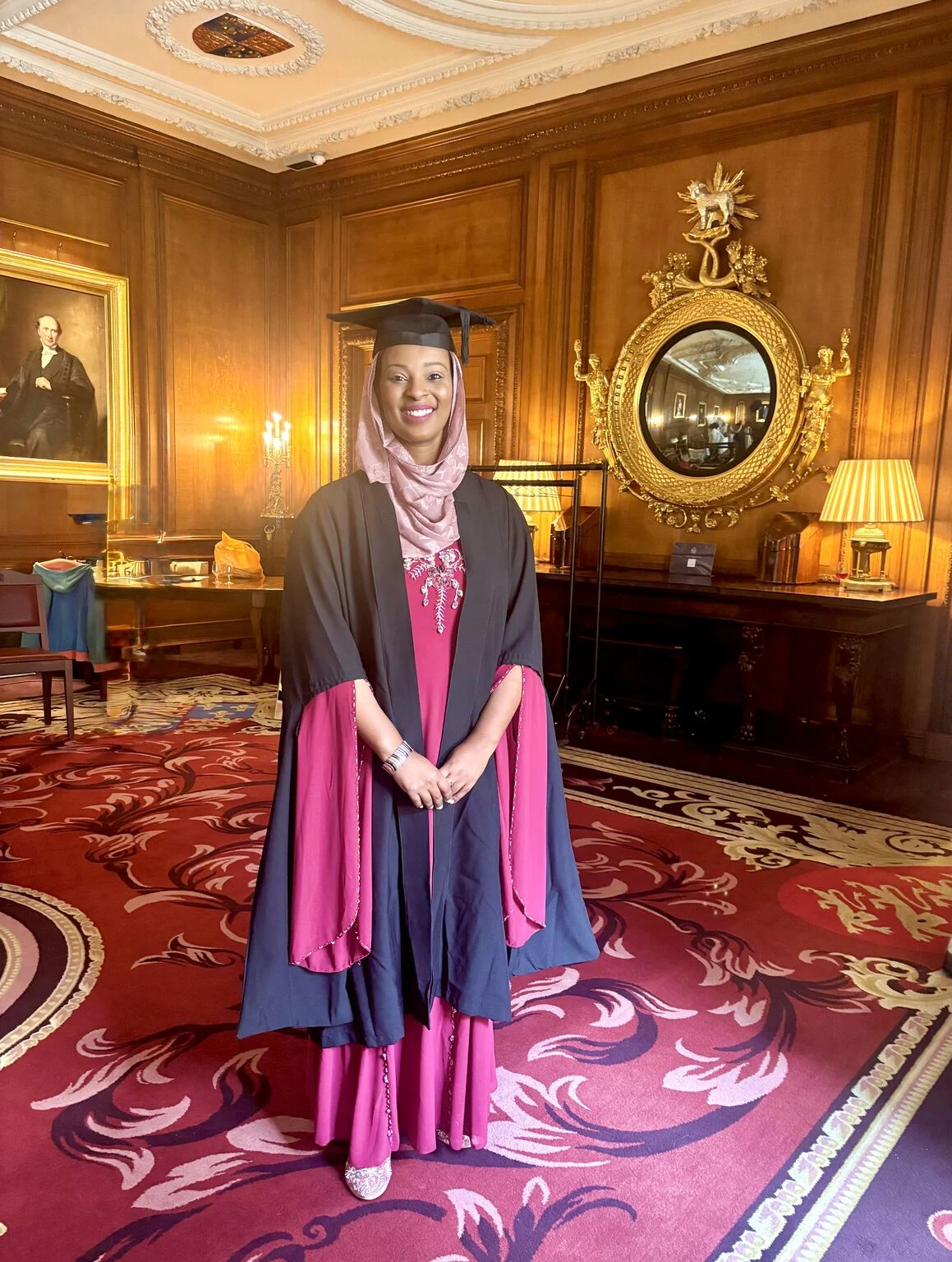
Huwaida Bulhan, Africa Region Lead at Sanofi, shared a post on LinkedIn:
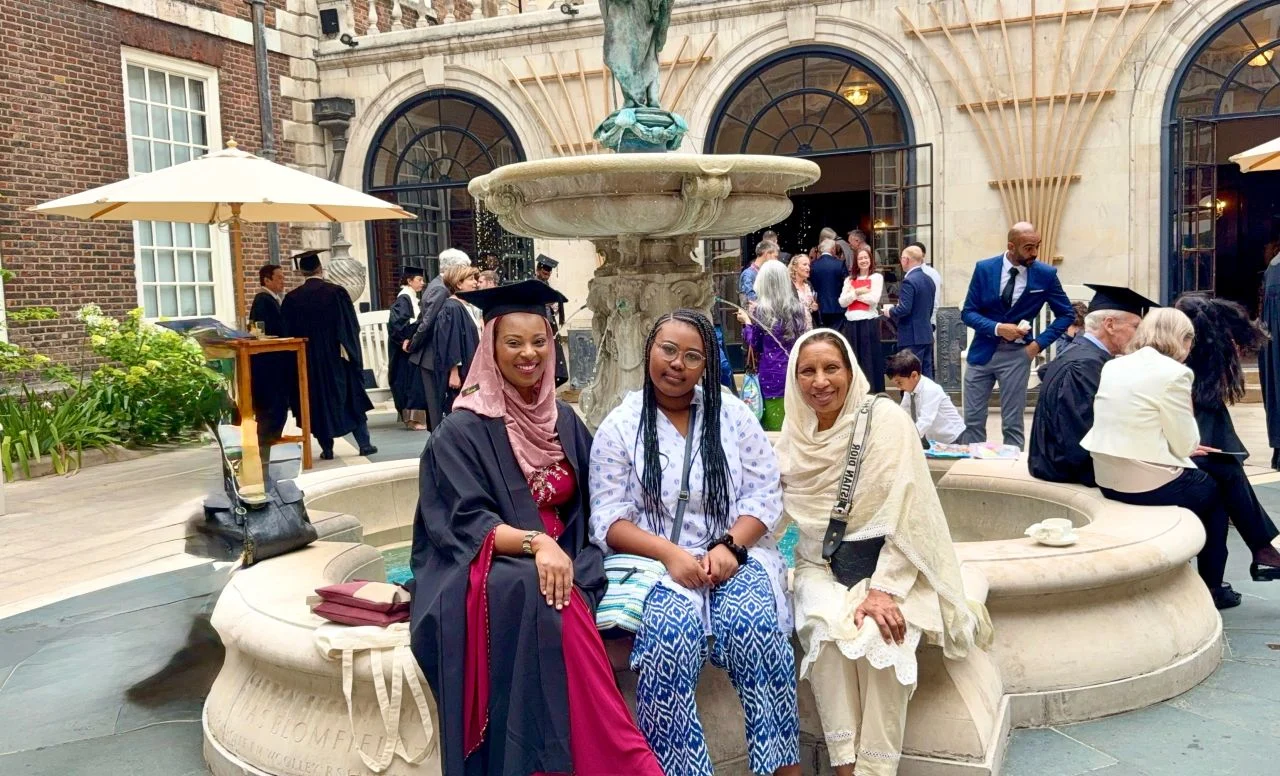
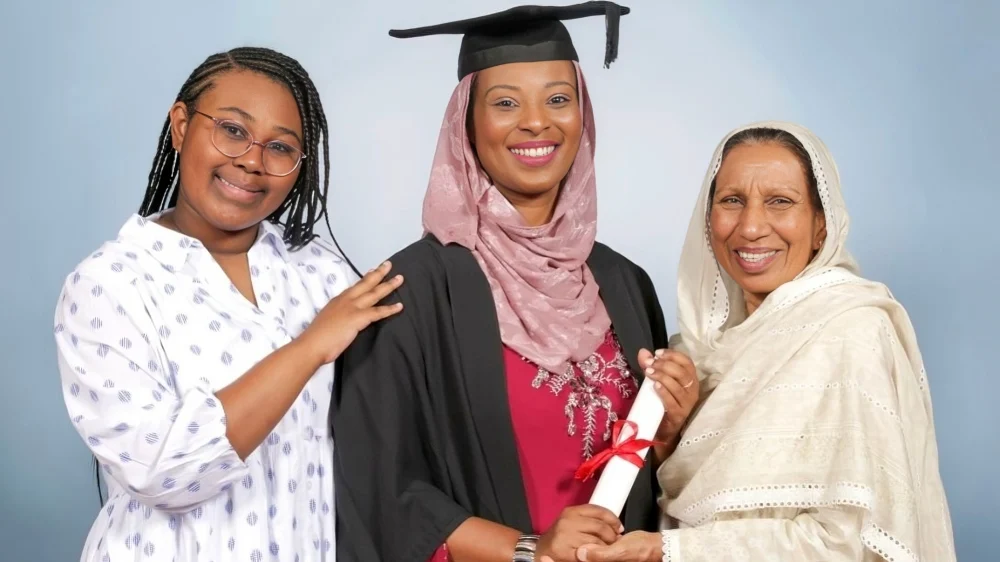
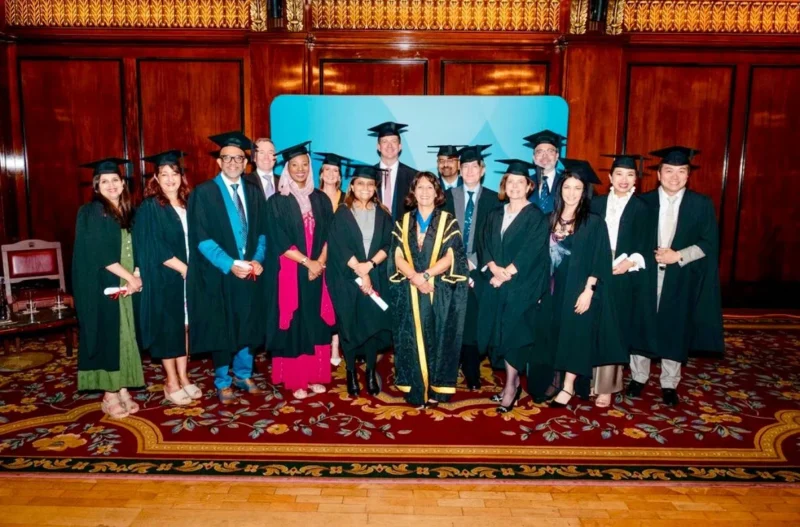
“In the official photograph from my Fellowship ceremony, there are three of us.
My mother. Myself. My daughter.
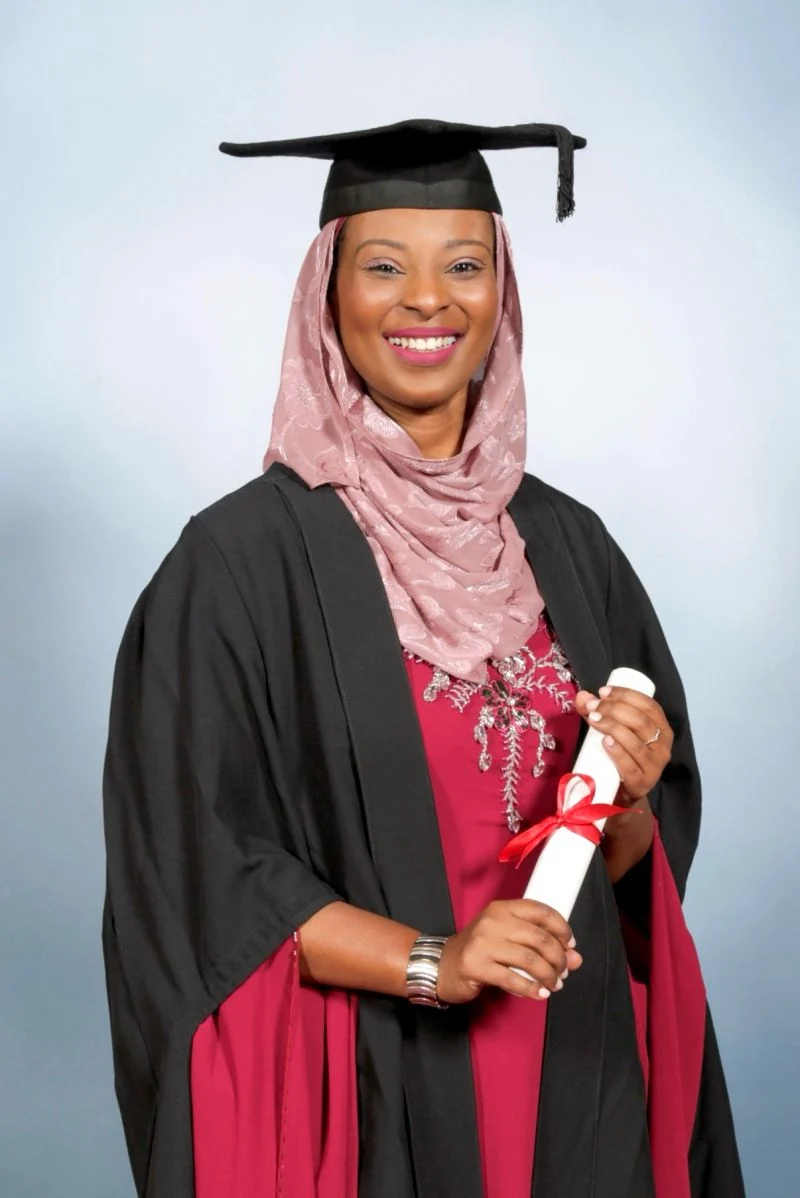
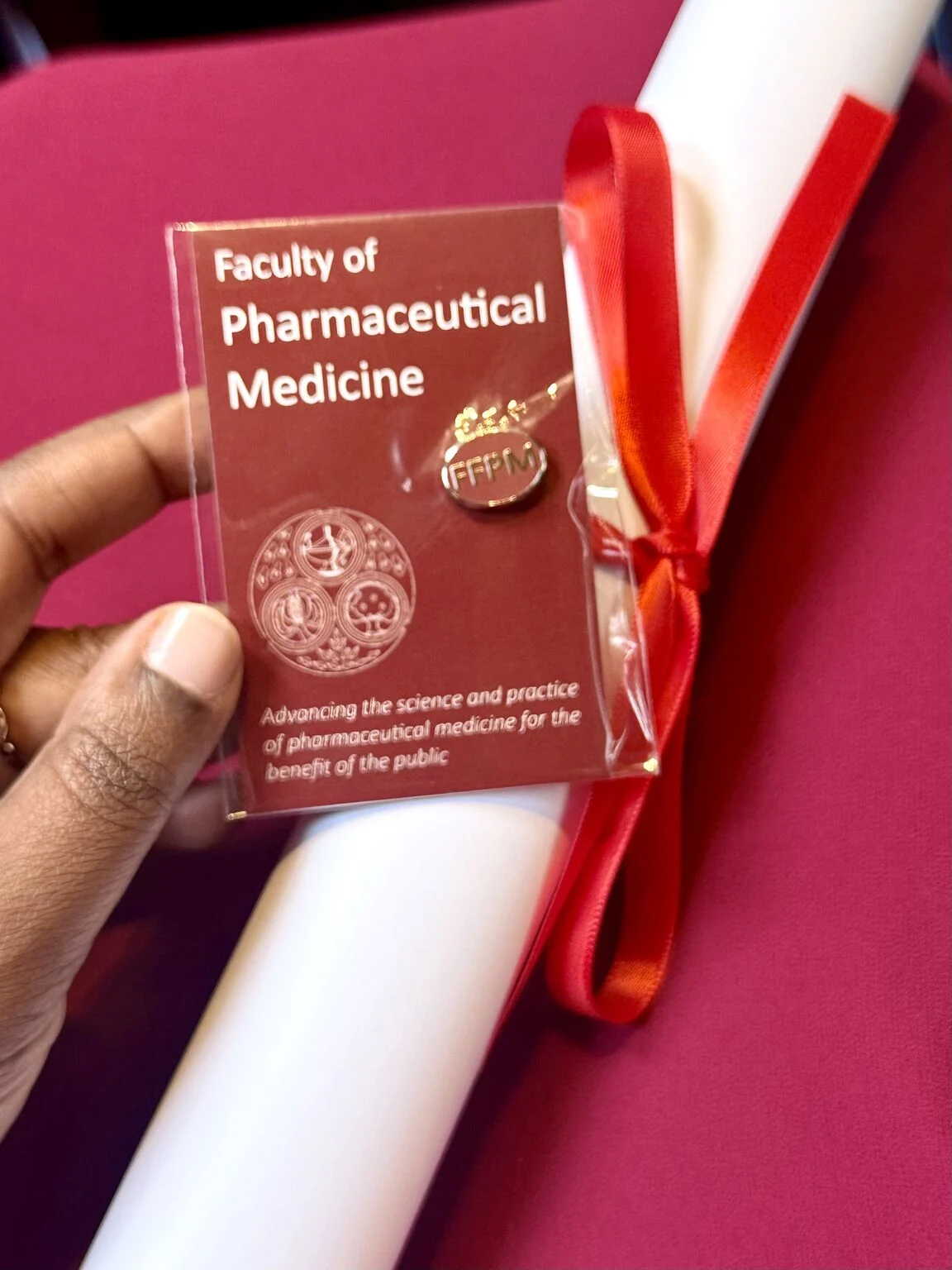
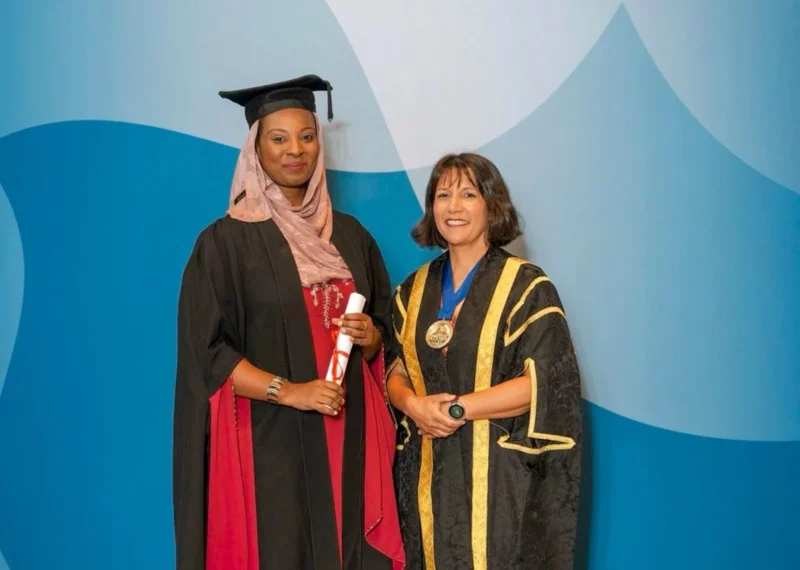
Last week, I was formally admitted as a Fellow of the Faculty of Pharmaceutical Medicine – only the second East African to hold this Fellowship. But the photograph tells the more important story.
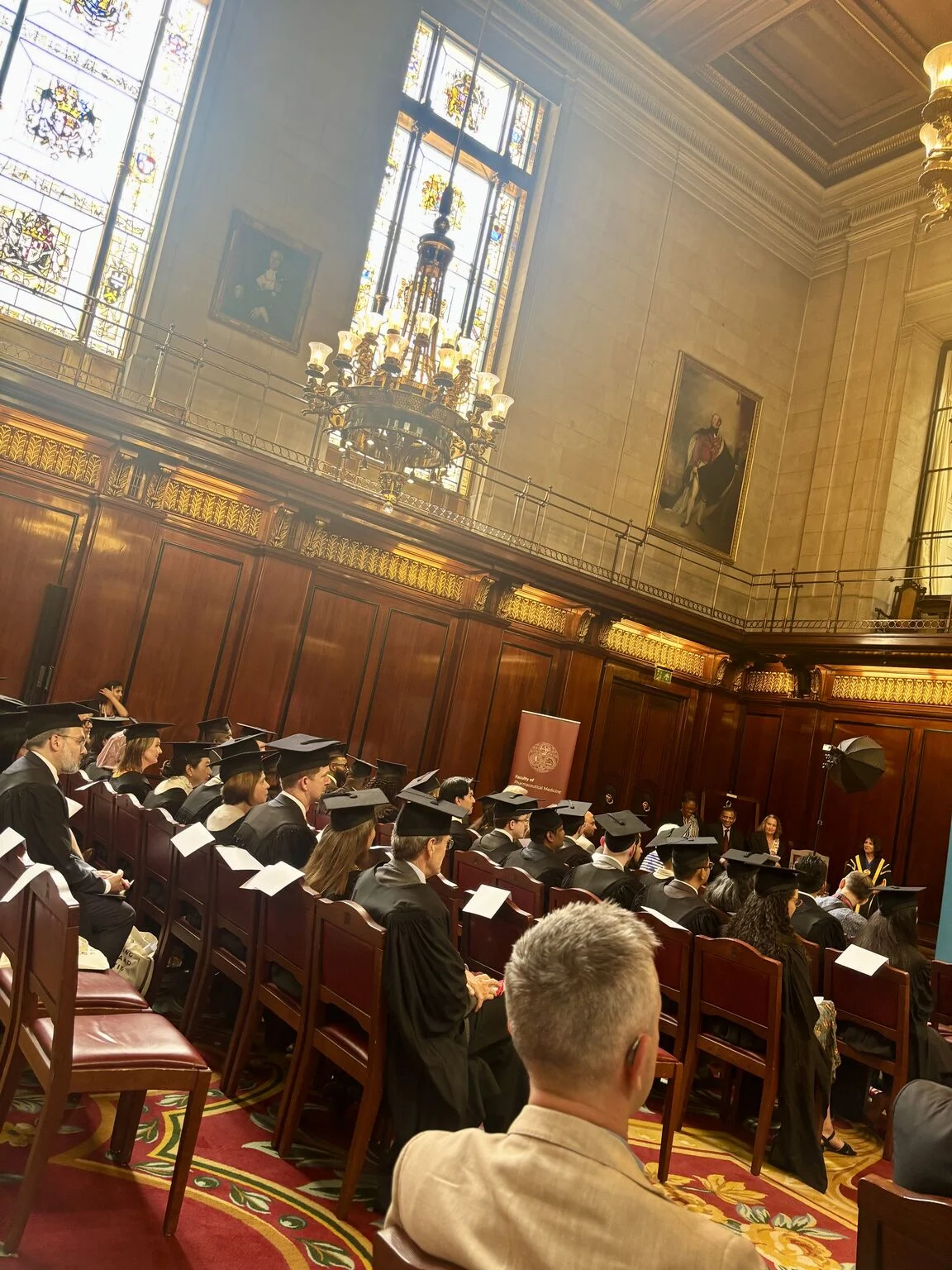
My mother belongs to a generation of women for whom that hall in London was not a difficult room to enter – it was an unimaginable one. Impossible. She did not lack ability. She lacked precedent, and permission, and a door.
I am the first in my family to walk into that room. I did so without ever having seen anyone who looked like me, or prayed like me, or came from where I come from, standing in it. That absence is heavier than people realise. You cannot easily imagine yourself into a place where no one has stood who is familiar to you.
My daughter is eleven. She will not have to imagine it. She watched her mother, in a hijab, cross that stage and be recognised for scientific work – and for her, that will simply be a thing that women in her family do.
Three generations. One photograph. One door, in the process of opening.
Why does the “second East African” detail matter? Not as a personal footnote – But as a data point.
Pharmaceutical medicine is the space which shapes and/or influences which questions get asked, which trials get run, and therefore which medicines ultimately reach which patients. We all know the statistics, and the downstream impact. Africa carries roughly a quarter of the world’s disease burden, yet generates under 4% of the global clinical trials published in leading medical journals. African investigators lead fewer than 4% of multicontinental studies. When any region is absent from the leadership of a discipline, it is consequently absent from the decisions that discipline makes.
Now, Fellowship does not solve that. But it marks who is considered to belong where those decisions are taken – and East Africa, or elsewhere, should not be a rounding error in that room.
That is what representation actually does. It does not make anyone’s career. It removes a specific, quiet obstacle – the private conviction that a room is not meant for you – and it removes it before a person has had time to build a life around that belief.
To the Faculty of Pharmaceutical Medicine, thank you for this honor. What an honor.
To the mentors who invested in me long before there was evidence I would justify it: the field does not know your names, which has always struck me as the wrong way round.
There is significant work ahead on equitable scientific evidence generation, not only in Africa, but within all underrepresented populations round the world. I intend to keep doing it.
What was unimaginable to one generation becomes ordinary to the next. That is not luck. That is what it looks like when someone goes first.
Alhamdulillah.”
Other articles featuring Huwaida Bulhan on OncoDaily.