Havish Thatavarthi, Oncology and Neuro Ward Nurse Assistant at Providence, shared Alicia Fong’s, Research Assistant at Mount Sinai Health System, post on LinkedIn, adding:
“One of the most compelling aspects of neuro-oncology is how understanding a tumor at the molecular level can shape the decisions made about a patient’s care.
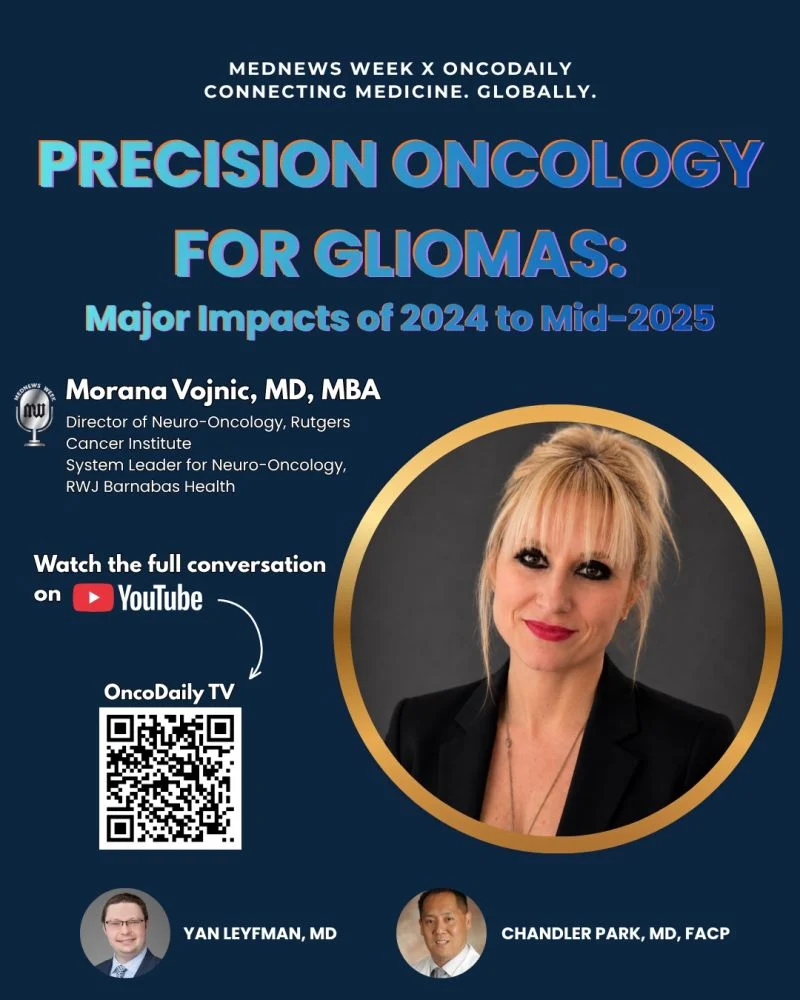
In this episode by MedNews Week × OncoDaily, Dr. Morana Vojnic explains how molecular markers help define glioma diagnoses and guide treatment.
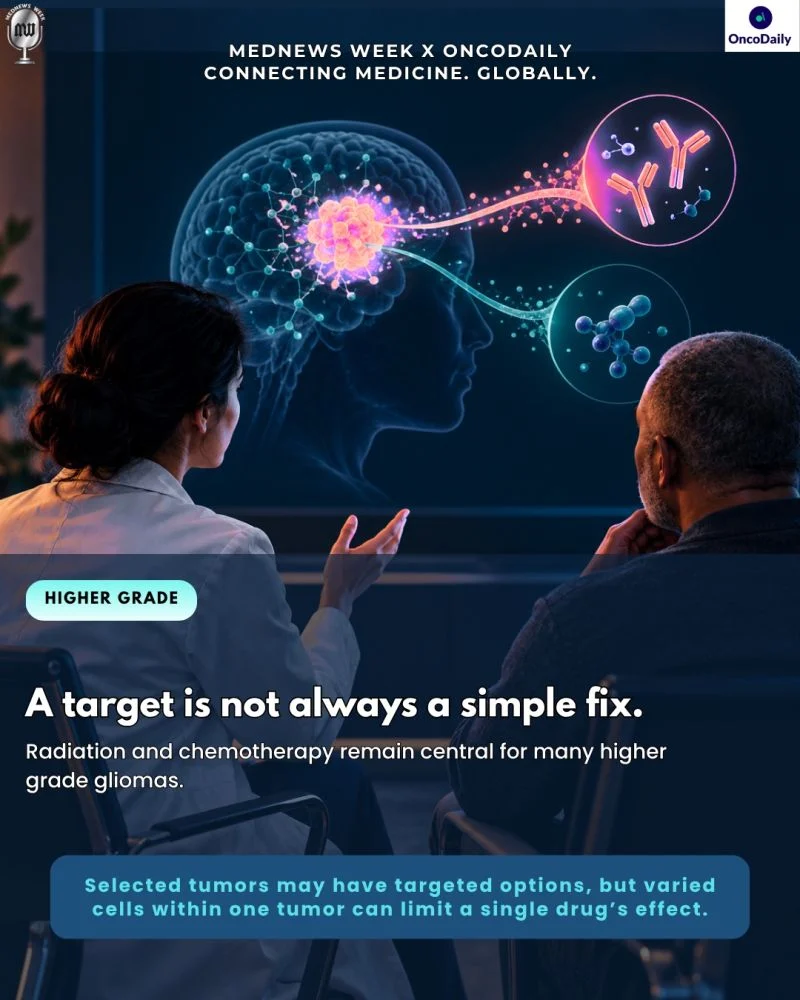
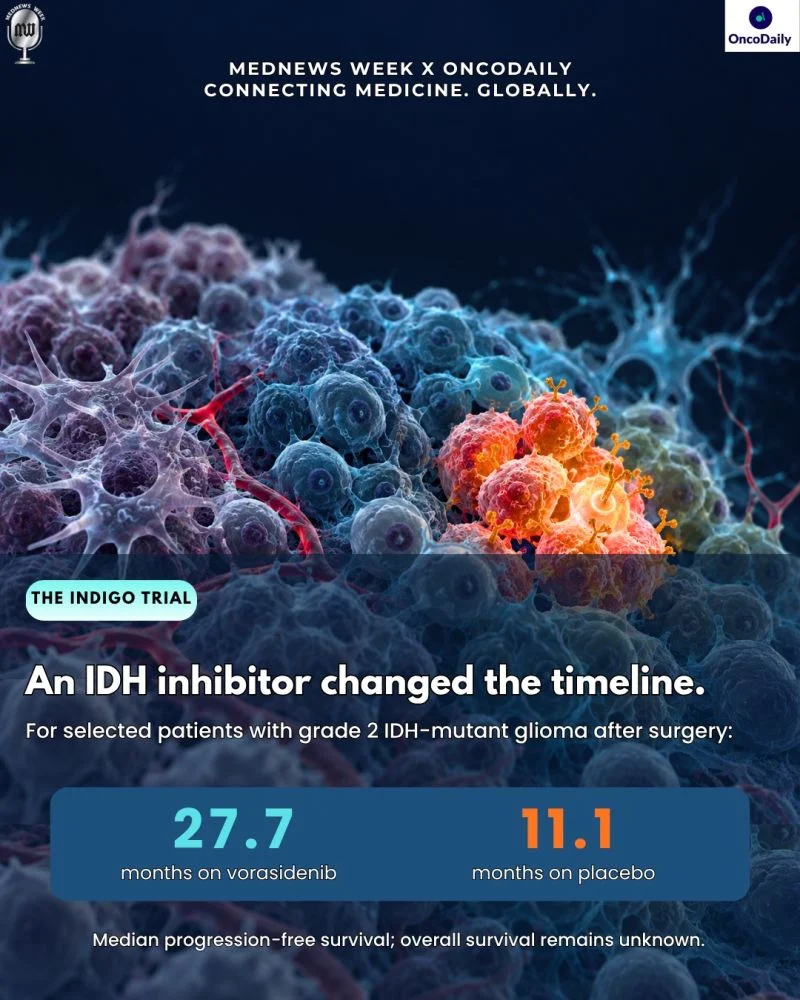
Her discussion of the INDIGO trial highlights the potential of targeted therapies for selected grade 2 IDH-mutant gliomas. She also addresses how tumor heterogeneity makes targeted treatment more challenging in higher-grade gliomas.
As a student interested in neuro-oncology, I appreciated learning how these advances could influence treatment timing and create new directions for research.
Swipe through the carousel for key takeaways, then make sure to watch the full conversation.”
Quoting Alicia Fong’s post:
“What if two gliomas look similar under the microscope but need different treatment plans?
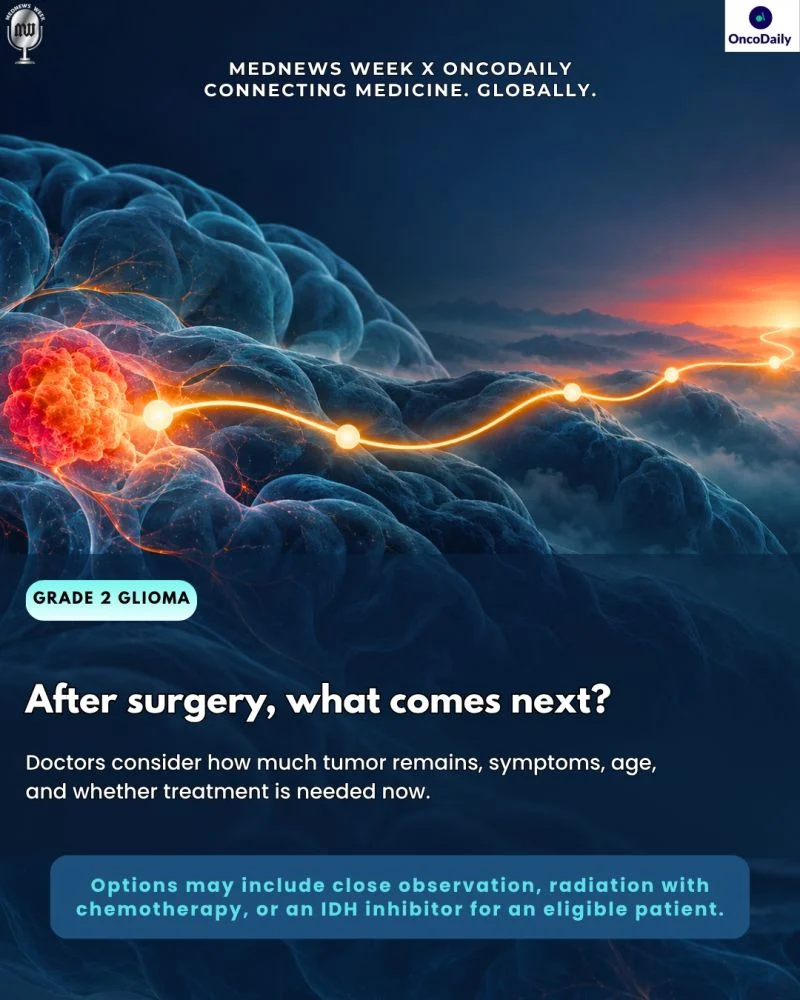
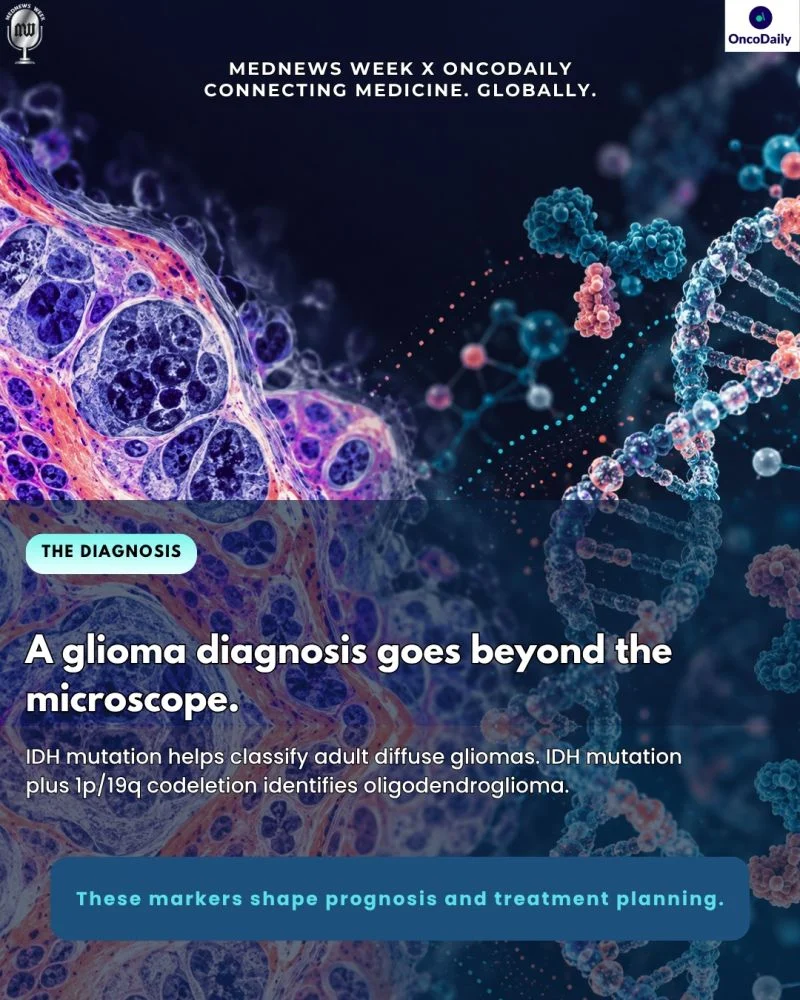
In this MedNews Week episode, Dr. Morana Vojnic explains how molecular markers such as IDH mutation and 1p/19q codeletion help define a glioma diagnosis and guide care.
She also examines the INDIGO trial: in selected patients with grade 2 IDH-mutant glioma after surgery, vorasidenib extended median progression-free survival to 27.7 months versus 11.1 months with placebo and delayed the next intervention.
She then turns to higher grade gliomas, where tumor heterogeneity can make targeted treatment more challenging.
Swipe through this carousel for key takeaways, then watch the full episode on OncoDaily TV for the clinical context.”
Other articles about Havish Thatavarthi on OncoDaily.