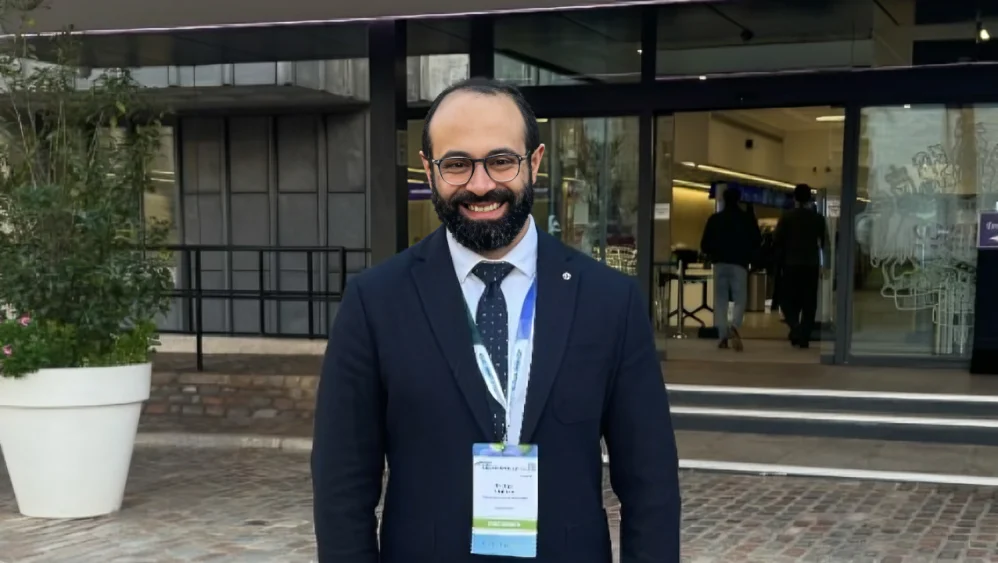
Haitham Shaheen, Lecturer of Clinical Oncology at Suez Canal University Egypt, shared a post on LinkedIn:
“HCC at ESMOGI26: Beyond PFS, towards the full patient journey
One of the most interesting discussions at ESMO GI 2026 focused on combining immunotherapy with TACE in intermediate-stage HCC.
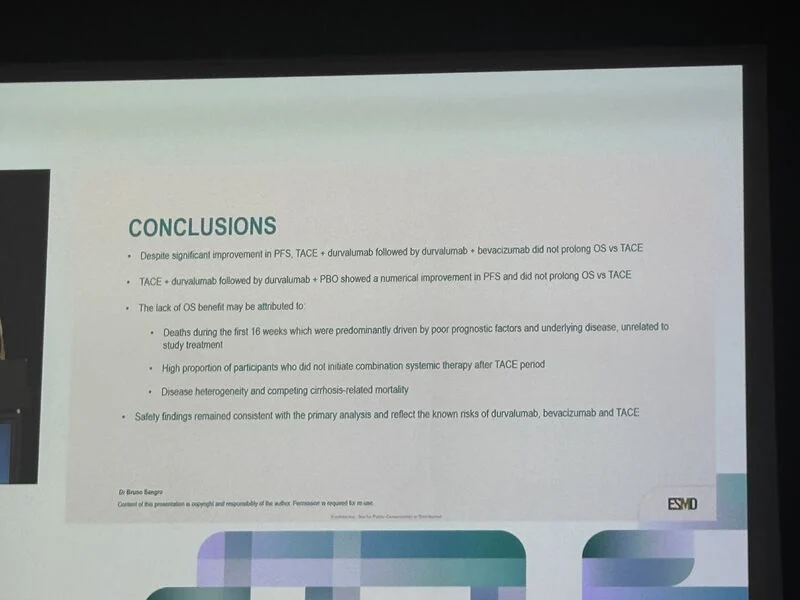
EMERALD-1
- Evaluated TACE + durvalumab followed by durvalumab ± bevacizumab versus TACE alone.
- The study improved PFS but did not demonstrate an OS benefit in the final analysis.
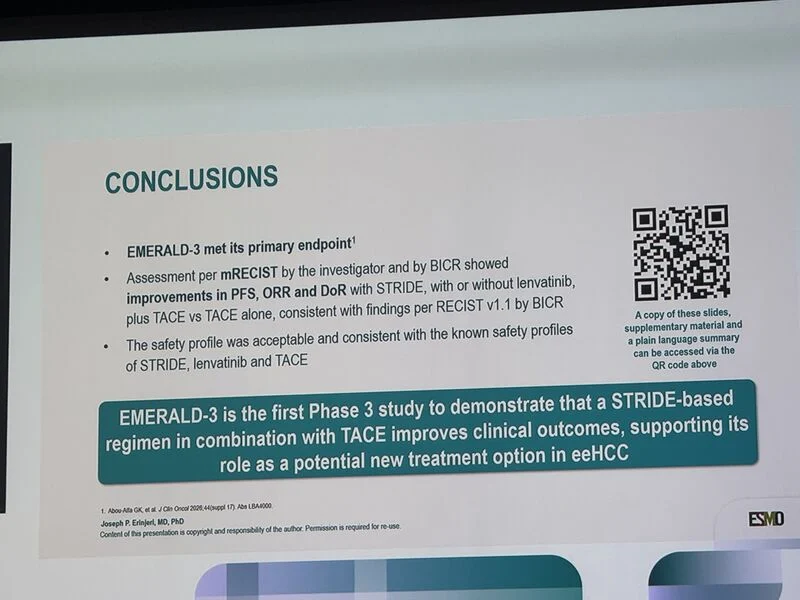
EMERALD-3
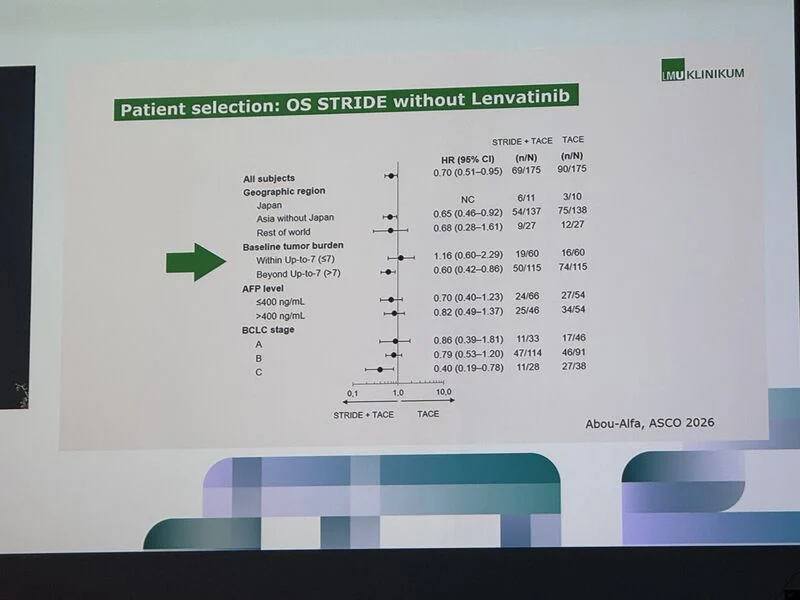
- Evaluated STRIDE ± lenvatinib combined with TACE versus TACE alone.
- The study met its primary endpoint with significant PFS improvement and showed an encouraging OS signal with STRIDE + TACE, with longer follow-up awaited.
My key takeaways:
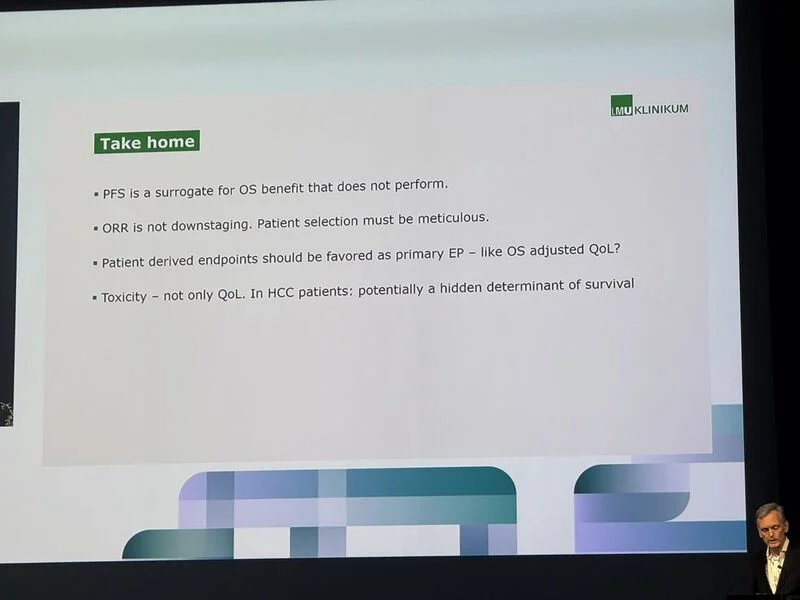
- Not every PFS benefit translates into an OS benefit in HCC.
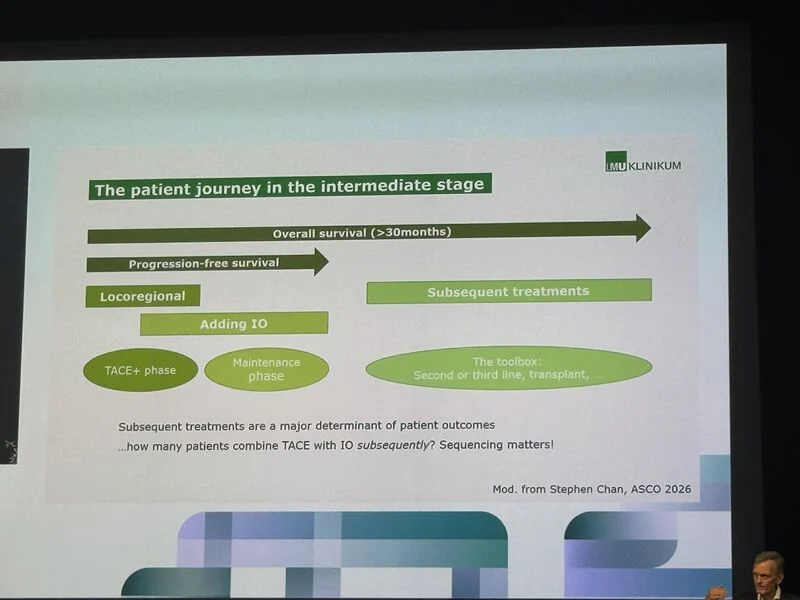
- Treatment sequencing matters. The timing of immunotherapy may be just as important as the treatment itself.
- Patient selection remains critical, particularly for patients beyond the Up-to-7 criteria.
- Toxicity and preservation of liver function remain essential when evaluating combination strategies.
Perhaps the most important message from the session was that intermediate-stage HCC should be viewed as a patient journey, not a single treatment decision.
With survival often extending beyond 30 months, subsequent therapies and treatment sequencing may influence outcomes as much as the initial TACE-based strategy itself.
‘PFS is a surrogate for OS benefit that does not always perform.’
My biggest takeaway:
- The question is no longer whether to combine systemic therapy with TACE, but which patients benefit, with which regimen, and at what point in their treatment journey.”
Other articles featuring Haitham Shaheen on OncoDaily.