





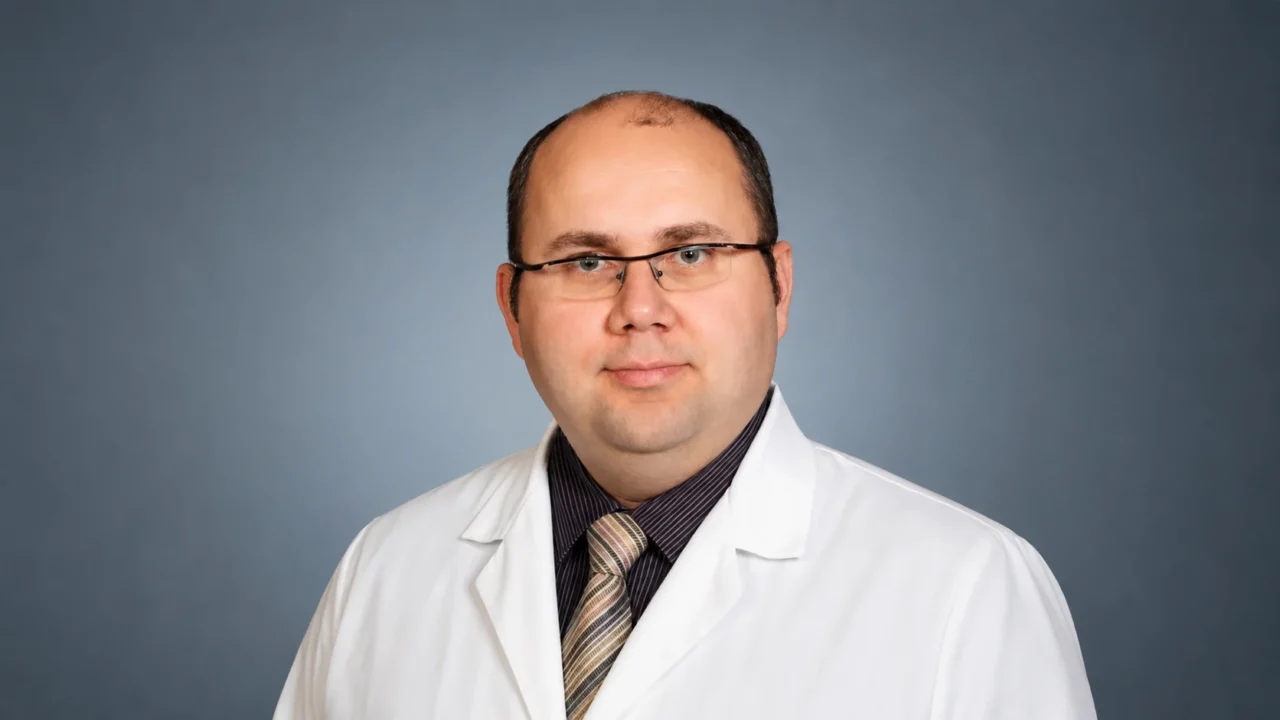
Hadi Mohamad Abu Rasheed, Scientific Advisor and Director of Programs at Qatar Cancer Society, shared on LinkedIn:
“Cancer care should not end with treatment.
I was pleased to contribute to the Ministry of Public Health’s health policy development process in Qatar, through the Making Health Policy Right! initiative and the policy dialogue on holistic care and support for people with cancer and their families.
Holistic cancer care means seeing the whole person, not only the disease. It means addressing physical needs alongside psychological wellbeing, nutrition, psychosocial support, family and caregiver needs, social and financial challenges, survivorship, palliative care and quality of life – across the entire cancer journey. Evidence continues to support integrated palliative care, patient navigation and alternative survivorship models, while also highlighting that identifying psychosocial needs must be accompanied by effective services and responses
An important part of the policy discussion was therefore not simply what services should exist, but how we make them coordinated, equitable, measurable and sustainable – from diagnosis and treatment through survivorship and palliative support.
People living with cancer should not only be at the centre of care – they should have a real voice in shaping it.
Meaningful engagement means moving beyond consultation toward genuine partnership, where people living with cancer, survivors, families and caregivers contribute to identifying priorities, designing services, shaping policy and assessing whether care is delivering outcomes that matter to people. This aligns with the WHO Framework for Meaningful Engagement, which recognizes lived experience as expertise and calls for its meaningful inclusion in policies, programmes and services.
It also reflects the direction of the WHO Global Status Report on Cancer 2026, which calls for a people-centred and holistic approach to cancer control and for people with lived experience to be placed at the centre of cancer systems.
I value the opportunity to contribute to this national policy conversation and to continue advocating for a model in which survival is not the endpoint – living well during and after cancer is part of the outcome.
Scientific and policy references in the first comment.”
Other articles featuring Hadi Mohamad Abu Rasheed on OncoDaily.