





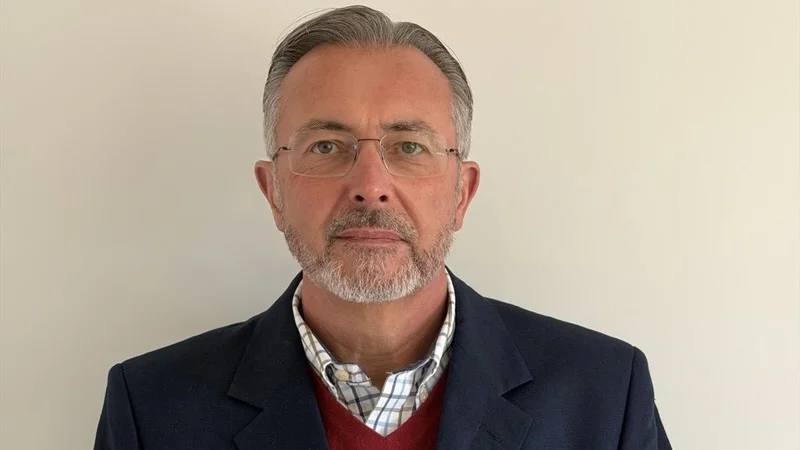
Glen Clack, Chief Medical Officer at TheraCryf, shared on LinkedIn:
“The Forlorn Hope.
In the sieges of the Peninsular War, the first men through the breach were known as the forlorn hope. They were volunteers, usually a few dozen under a subaltern, and their task was to draw the defenders’ fire, spring the mines and fall in sufficient numbers that the main storming party might follow. The name is a mishearing of the Dutch verloren hoop, the “lost troop”; English ears caught “hope”, and the error has proved rather too apt to correct.
The inducement was promotion. A surviving officer could expect his captaincy, which made the duty irresistible to young men with no money to purchase rank by the conventional route.
I have spent a good deal of my working life among the forlorn hope of drug development, and it is not putting it too strongly to say that the resemblance is uncomfortably close.
The small biotech is the penniless subaltern. It has no capital to advance by any other road, so it volunteers for the breach: a first-in-class mechanism, an unvalidated target, a first-in-human study run on a budget that would embarrass a parish council. Most such parties fall in the ditch; the likelihood of approval from Phase I is commonly put in single figures, and oncology sits at the bottom of the range. The survivors receive their captaincy as an acquisition or a licensing deal. Meanwhile the fast follower, having watched from the glacis, studies the first mover’s dose, schedule, toxicities and biomarker misadventures, then strolls through the breach to be crowned best-in-class. First-in-class draws the fire; best-in-class takes the town.
There is a less comfortable reading. In classical early-phase oncology the volunteers are often patients who have exhausted every standard option, entering a dose-escalation study whose primary purpose is to characterise safety and exposure; benefit to the participant is hoped for, and seldom the point. A lost troop that ordinary ears hear as hope: the etymology is almost too pointed. That tension between therapeutic hope and scientific purpose is the central ethical problem of the field, and the metaphor names it with a candour one rarely finds in a consent form.
Here the analogy fails, and usefully. A forlorn hope that fell at Badajoz achieved nothing beyond its casualties. An early study that fails cleanly, with sound pharmacokinetics, a clear exposure-response picture and a decisive answer, is information; it spares the next company the same ditch, and its patients’ contribution is not wasted.
If the hope must fall, let it fall informatively. That, more or less, is the whole case for better Phase I design.”
Other posts featuring Glen Clack on OncoDaily.