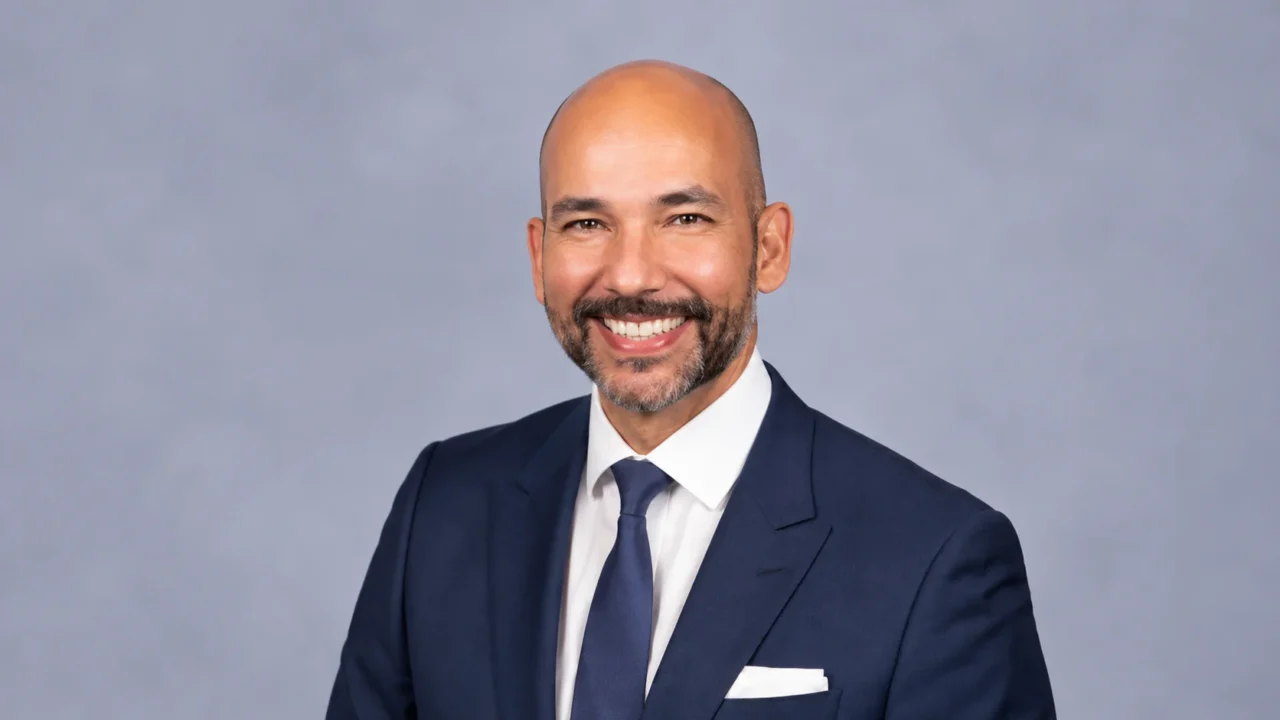
Gilberto Lopes, Professor and Chief of the Division of Medical Oncology at Sylvester Comprehensive Cancer Center, University of Miami Miller School of Medicine, shared on LinkedIn:
“The World Cancer Congress closed today in Hong Kong.
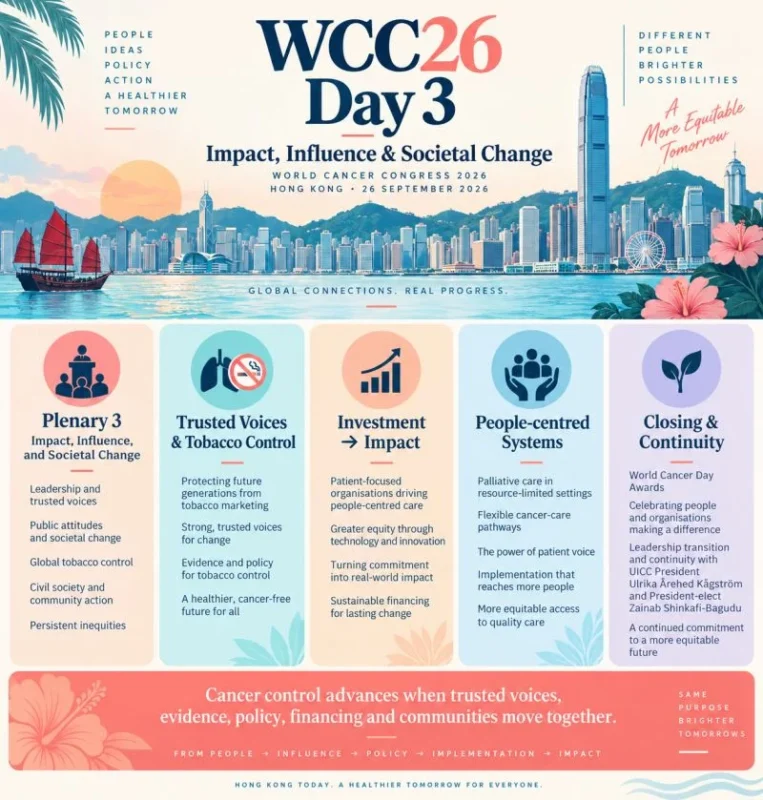
I had expected to participate in person in the final plenary, ‘Impact, Influence, and Societal Change.’ Family circumstances brought me home earlier than planned, but I was grateful to contribute through recorded remarks.
The subject of the plenary captures something fundamental about cancer control.
Scientific evidence is essential. But evidence does not change societies by itself.
Change also requires trusted voices, political and institutional leadership, civil society, patient advocacy, effective communication and sustained implementation.
The wider Day 3 programme reinforced that point, with discussions on patient-focused organisations, equity through technology and innovation, tobacco control, palliative care in resource-limited settings, flexible cancer-care pathways and the role of influence in societal change.
Taken together with the first two days, the Congress tells a coherent story:
- Day 1: bring people together and move from evidence to implementation.
- Day 2: innovation matters only if patients can reach it.
- Day 3: lasting change requires influence, policy, financing and communities capable of turning ideas into action.
That is also why global cancer control cannot belong to any one profession or institution.
- Researchers generate evidence.
- Clinicians translate it.
- Governments create policy.
- Civil society creates accountability.
- Patient organisations keep priorities grounded in lived experience.
- And implementation determines whether any of it reaches the person who needs care.
The Congress ends, but that work does not.
Cancer control advances when trusted voices, evidence, policy, financing and communities move together.”
You can also read:
Highlights from World Cancer Congress 2026