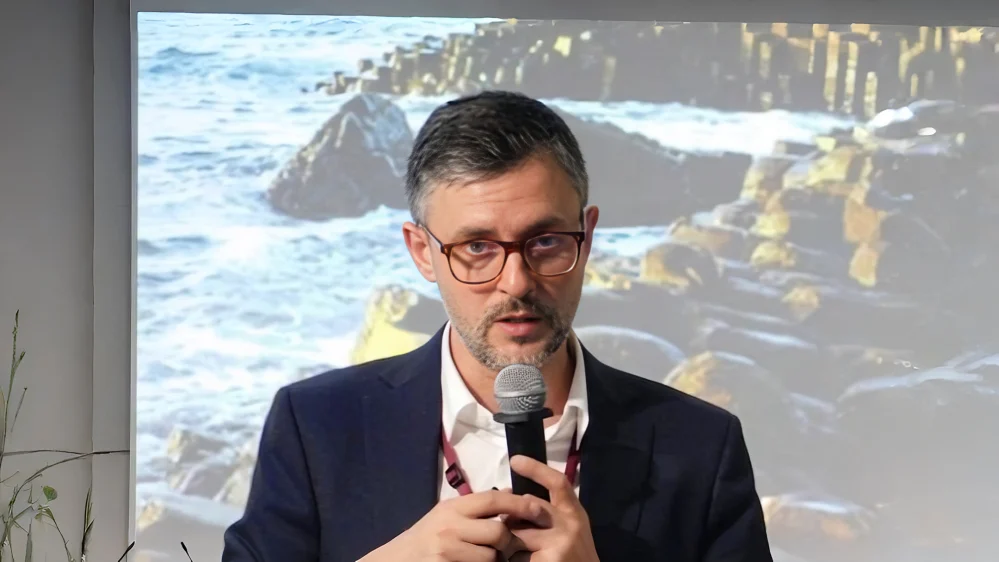
Gary Doherty, Vice President, Global Clinical Strategy Head, Lung Cancer at AstraZeneca, Dean, Fellow and Director Of Studies at Robinson College, Cambridge, shared a post by Lung Ambition Alliance on LinkedIn, adding:
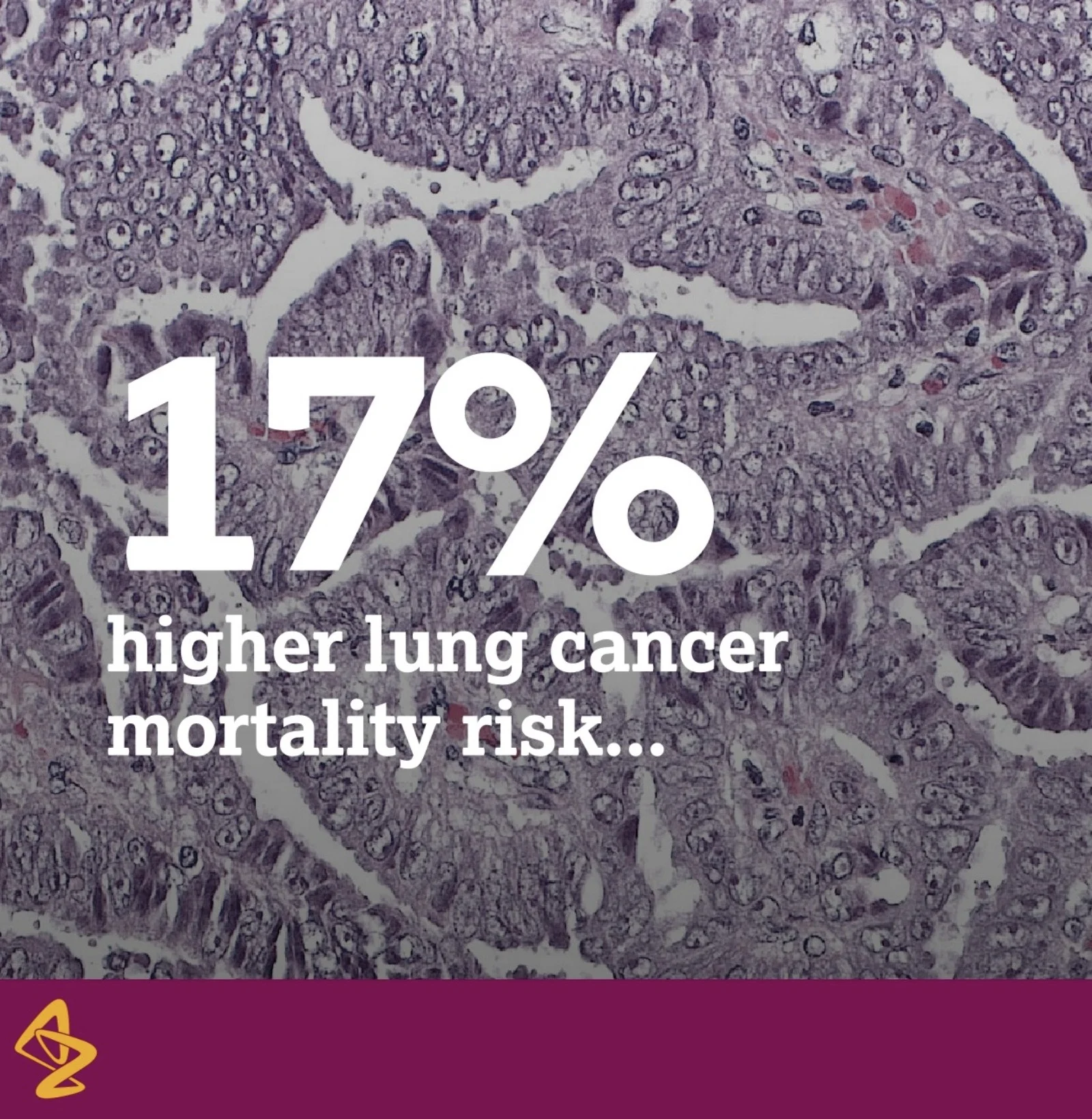
”Last year’s World Health Assembly (WHA) established the Lung Health Resolution, the first time lung cancer has been explicitly included in a WHA resolution, with a formal acknowledgement of lung cancer as the leading cause of cancer-related deaths globally.
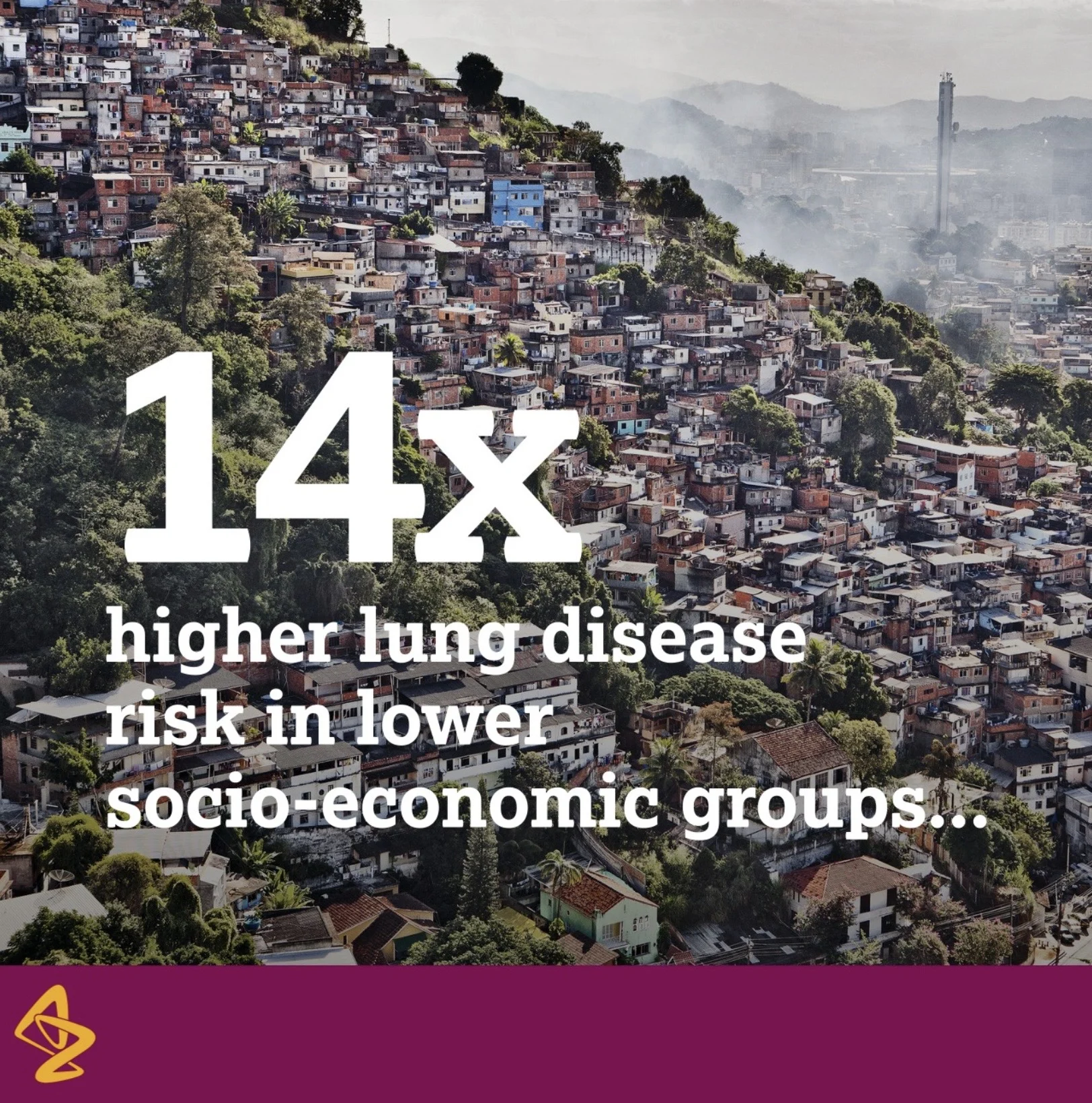
For underserved communities, the burden is even greater – shaped by inequities in access to diagnostics, treatment, and care. That is why the conversations happening at WHA are so important, and why the partnerships being forged there have the potential to drive lasting impact.
At AstraZeneca, we are working to address lung cancer across every stage of the disease through a combination of approaches, from early detection and prevention, through to improved treatment of advanced disease. Our ambition is bold, and I believe it is achievable:
To one day eliminate lung cancer as a cause of death.
Events like the World Health Assembly are a reminder of why that mission is so urgent. Lung cancer is a challenge that takes global collaboration, and I am more optimistic than ever for the opportunity to drive meaningful advancement for patients living with lung cancer.”
Quoting Lung Ambition Alliance’s post:
”When lung cancer is diagnosed at stage I, five-year survival can reach around 90%, compared to just 10% at stage IV. The key to this monumental stage shift is screening.
The conclusion of the World Health Assembly provides a catalyst to accelerate progress in lung cancer care. For too long, late-stage diagnosis has defined this disease for millions, but a future where early detection is the norm is within our grasp.
Key discussions throughout the week, including those at the flagship Lung Health Event, where our founding partner AstraZeneca’s leaders participated, reinforced the urgent need for governments to prioritise and invest in tailored, scalable early detection strategies.
We are at a point where innovative, technology-enabled screening programmes can be tailored to diverse healthcare settings, helping to improve efficiency and expand access. This is how we begin to close the care gap, particularly in LMICs where the burden remains disproportionately high.
The global commitments made at the WHA are a vital first step. The next is for national governments to prioritise and invest in implementing these potentially life-saving programmes.
Let’s work together to make a new era of lung cancer care a reality for everyone, everywhere. Follow to learn more.”
Other Articles Featuring Gary Doherty on OncoDaily.