





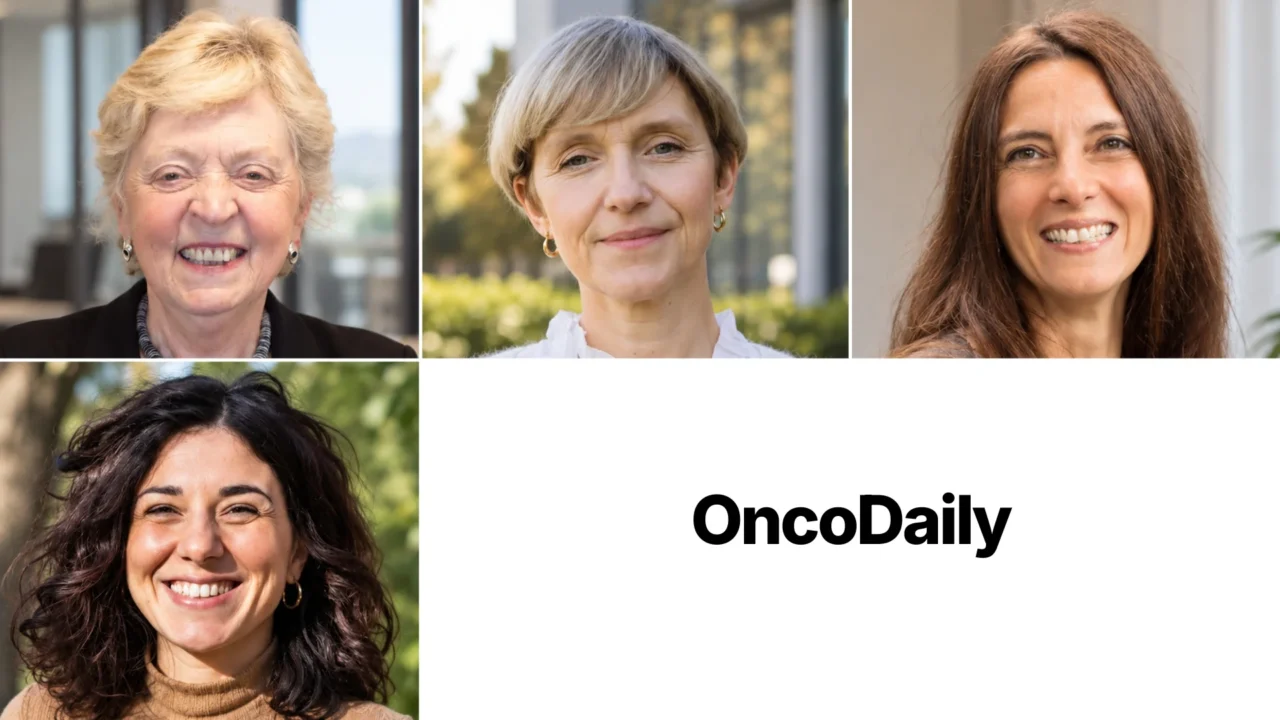
Françoise Meunier, Founder of the European Initiative on Ending Discrimination Against Cancer Survivors, shared on LinkedIn:
“What does it mean to treat the Right to Be Forgotten as a Human Right?
This question will be at the centre of Session III of our High-Level Conference on 21 October in Brussels, where we will look beyond the financial consequences of a past cancer diagnosis and examine the principles of equality, non-discrimination and dignity that are at stake.
I am very pleased that Prof. Françoise Tulkens, former Vice-President of the European Court of Human Rights, will open and moderate this discussion.
She will be joined by Prof. Isabelle Rorive, Professor of Law specialising in equality and non-discrimination, Dr Grazia Scocca, legal researcher on the Right to Be Forgotten for cancer survivors, and Prof. Florence Caeymaex, Professor of Ethics and Medical Humanities and Adviser on Ethics and Equality Policies at ULiège.
The session will examine the legal and ethical foundations of the Right To Be Forgotten, including the human rights basis and limits of using past diagnosis, the application of equality and non-discrimination law, the case for a coherent European minimum standard, and the ethical consequences of allowing a previous illness to continue shaping a person’s opportunities long after treatment.
For me, this is central to the debate, this is not about compassion.
The Right to Be Forgotten is not only about access to insurance or credit.
It is about justice and the ability to move forward without being permanently defined by an illness that belongs to the past.
The Right to Be Forgotten is ultimately about ensuring that survival is followed by equal participation in society.
You can register here: The Right to be Forgotten as a Human Right
21 October 2026.
Fondation Universitaire, Brussels.
Associated Event of the Irish Presidency of the Council of the EU 2026.”
Other articles about The Right to Be Forgotten on OncoDaily.