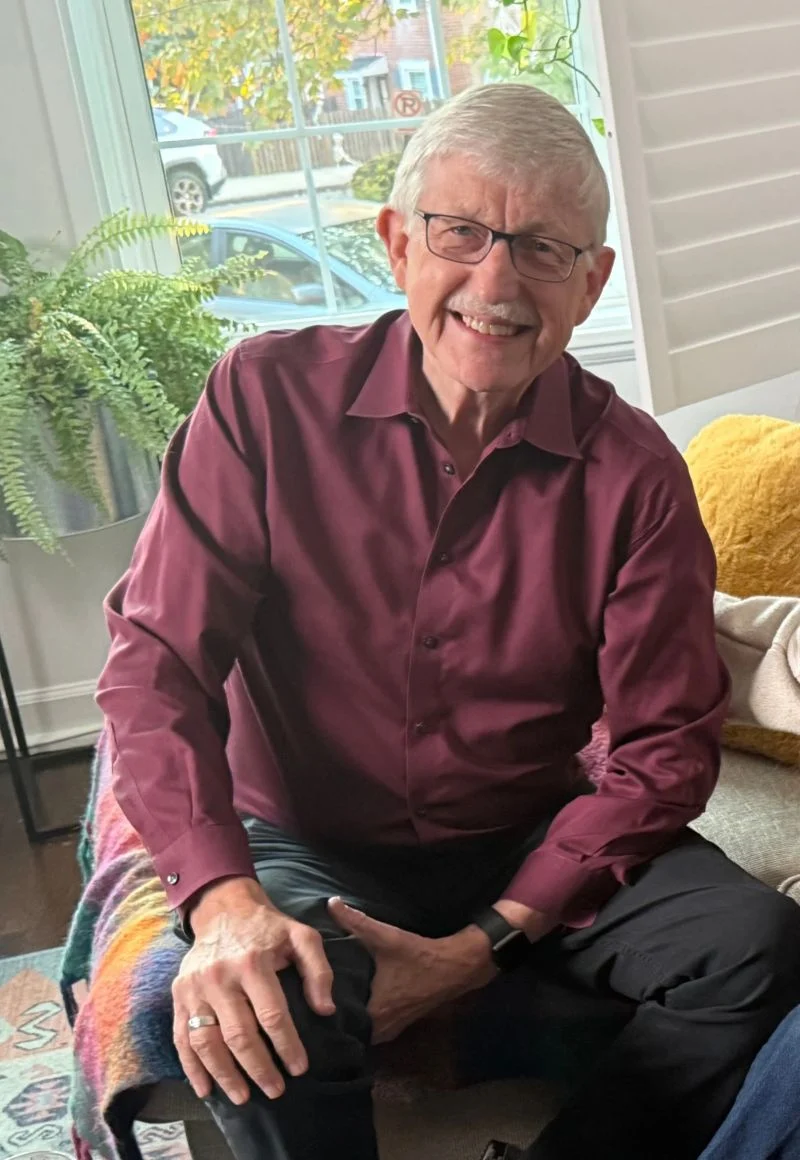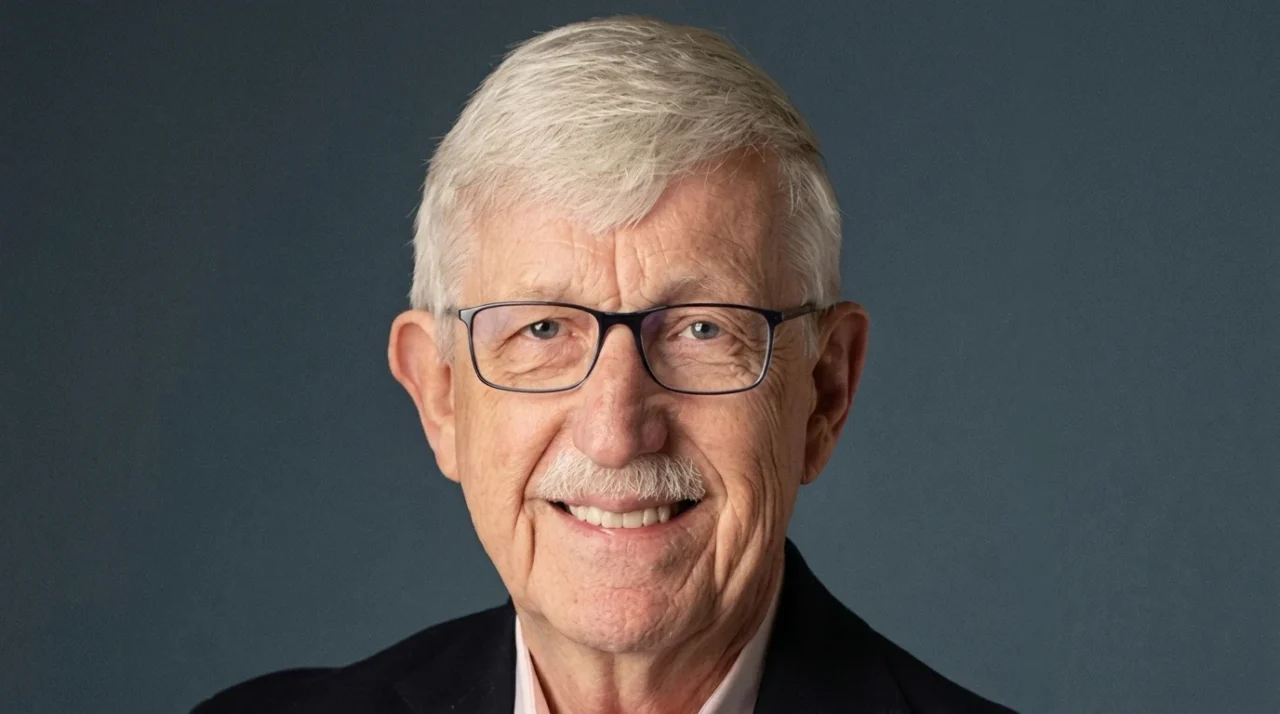
Francis Collins, Founder and CEO at Discovery Lives in US, shared on LinkedIn:
“Like millions of Americans, I’m a cancer survivor.
Ten years ago, I was diagnosed with prostate cancer. I spent my career supporting medical research, and now I am grateful that there are decades of rigorous medical research to help guide my treatment.
At first my cancer was the slow growing kind, and research studies suggested ‘active surveillance‘ was the right path to follow, as there was a good chance that would be all I needed.
But then one of the regular MRI scans and ultrasound-guided biopsies found the cancer had switched into high gear.
I was already part of a clinical protocol at NIH, and after considering the research results from multiple studies (many funded by NIH), I proceeded with robotic surgery 2.5 years ago under the able care of the NIH urologists.
I’m glad to say the surgery went well.
Recently I’ve had a local recurrence that required radiation therapy.
That might sound scary, but that technology has advanced to the point where I had no side effects except a bit of afternoon fatigue.
I also agreed to six months of hormonal therapy, because that provides additional treatment benefits.
With these evidence-based interventions, I now have a high likelihood of a long term remission, maybe even a cure.
My situation was far better than my father’s.
When he was diagnosed with prostate cancer four decades ago, there was no way to tell how advanced his cancer was, He was prescribed lifelong hormone therapy that might not have been necessary, and it took a toll on his quality of life. Research has come a long way in a generation.
I understand that talking about our prostates can be an uncomfortable conversation for some men, but I share my story in the hope that it encourages others to get screened.
Knowing your prostate cancer status can save your life.
The American Cancer Society recommends discussing PSA screening with your doctor, starting at age 50.
For African-Americans or with a family history, start those discussions at age 45.”
Other articles from Francis Collins on OncoDaily.