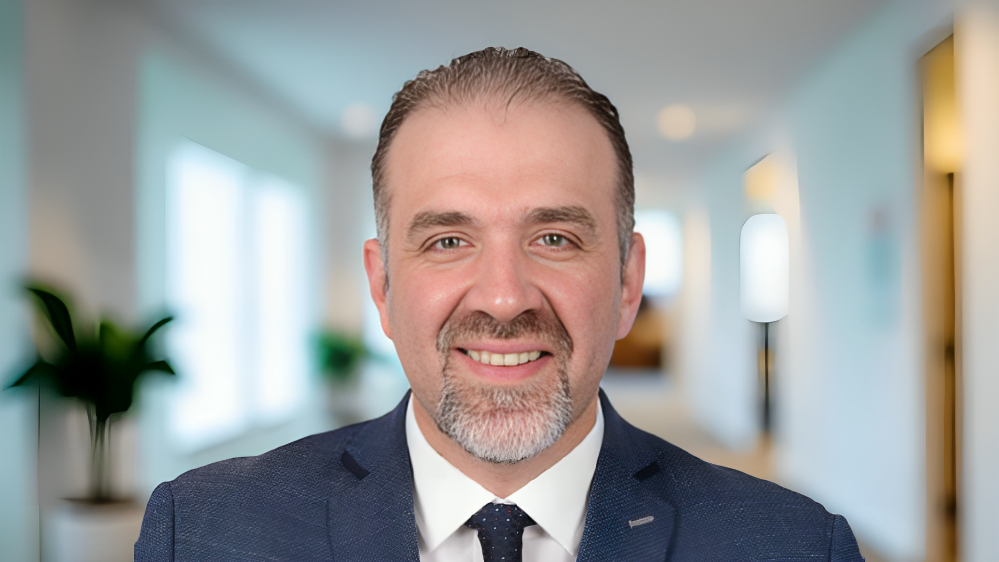
Emad Shash, General Manager at National Cancer Institute, Cairo University, shared a post on LinkedIn:
“From Alexandria to Tripoli, one weekend, two important scientific gatherings, and one shared purpose: advancing cancer care through collaboration.
This past weekend was a meaningful reminder that progress in oncology is not built by individuals or institutions working in isolation. It grows when we connect, exchange experience, challenge current practice, and build professional bridges across countries.
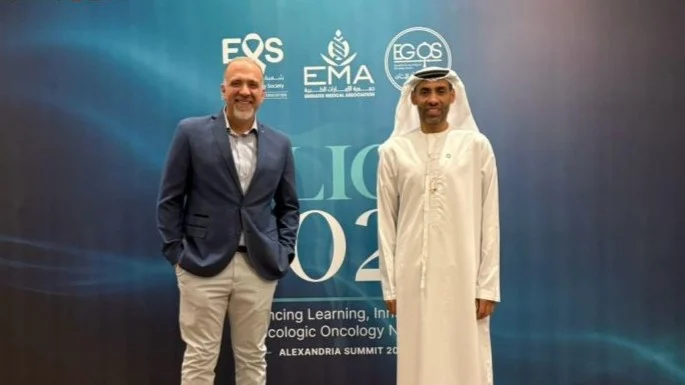
On Friday, I had the pleasure of participating in ALIGN 2026, Alexandria Summit, held under the theme ‘Advancing Learning, Innovation and Gynecologic Oncology Networks’. The meeting brought together colleagues through the Emirates Oncology Society, Emirates Medical Association, and Egyptian Gynaecological Oncology Society, creating a valuable platform for regional scientific exchange and collaboration.
Beyond the presentations themselves, what I valued most was the opportunity to exchange perspectives with colleagues from across the region and internationally, and to discuss how emerging evidence can be translated into more personalized, accessible, and patient-centered care.
My sincere thanks to Prof. Prof.Humaid Al-Shamsi, President of the Emirates Oncology Society, for his leadership and continued commitment to strengthening oncology collaboration across our region, and to Micheline Bakhos Varjabedian and the Conveners team for their excellent organization and for bringing this scientific community together.
Special appreciation also goes to GSK for supporting the ALIGN 2026 scientific program.
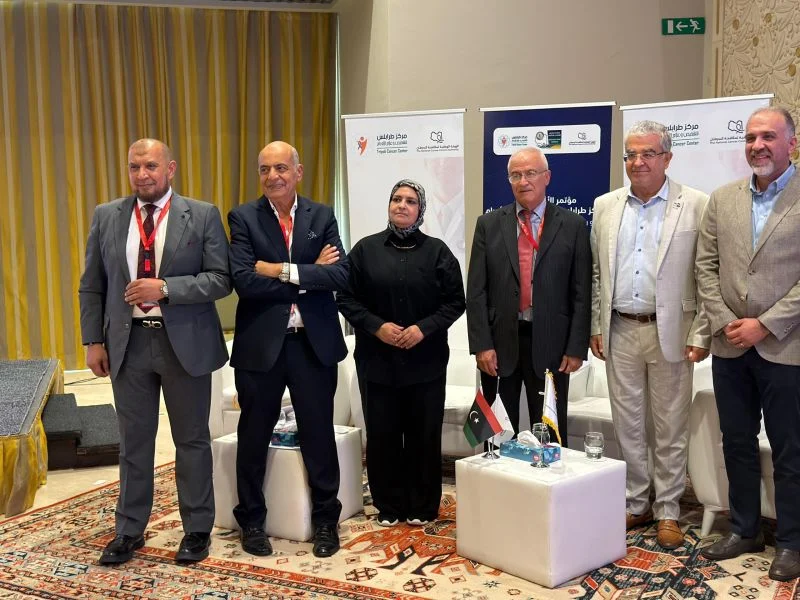
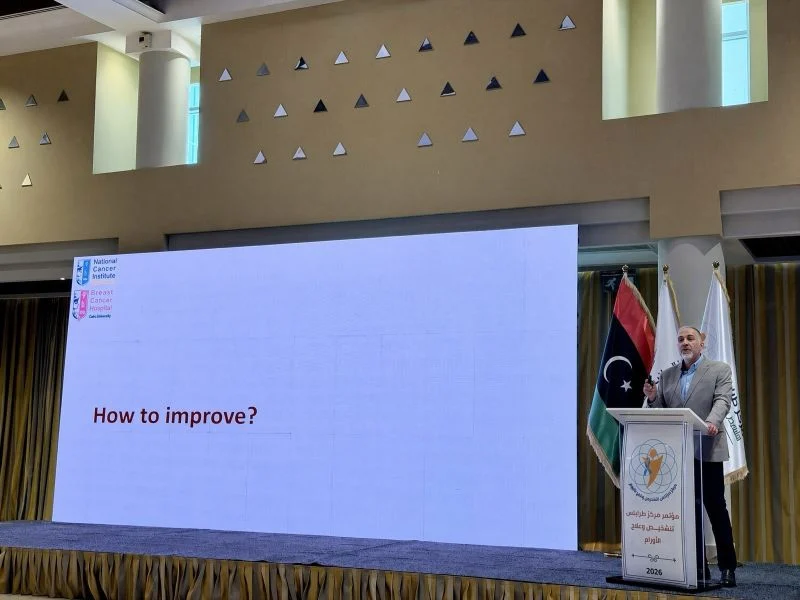
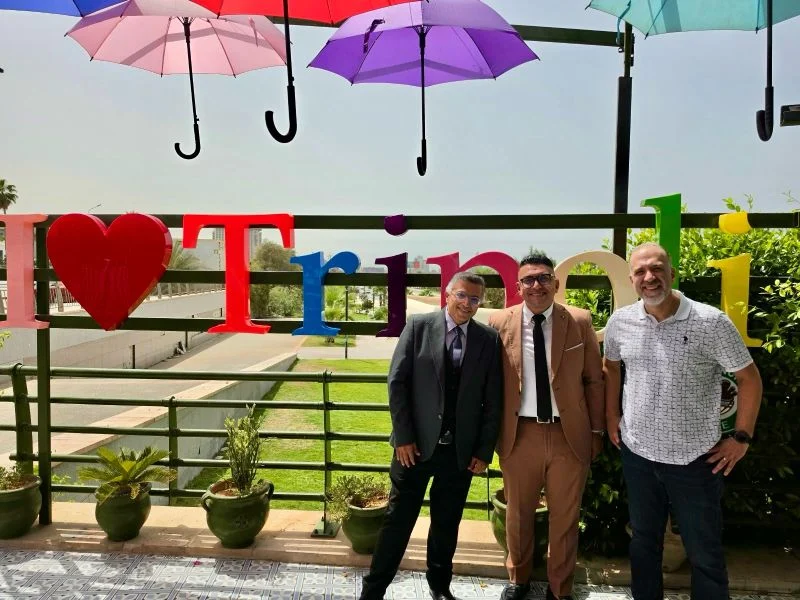
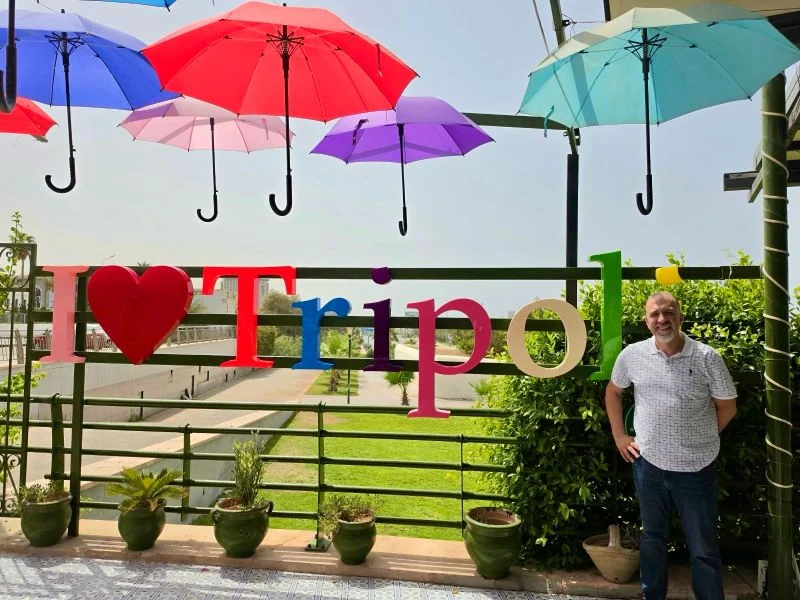
Then, on Saturday, the journey continued in Tripoli, Libya, where I had the honor of participating in the First Tripoli Cancer Center Oncology Conference.
The Tripoli program itself reflected an important vision for comprehensive cancer care, bringing together discussions across lung, breast, prostate, gastrointestinal and kidney cancers, clinical pharmacology, precision oncology, institutional development, and international collaboration.
My heartfelt thanks to Dr. Abdelmonem Al-Barasi, Director of Tripoli Cancer Hospital, for the warm welcome and his commitment to developing comprehensive oncology services in Libya, and to Prof. Ismail Sayala, Professor of Oncology in Tripoli and Chair of the Scientific Committee of the Conference, for his leadership in developing such a broad and ambitious scientific program.
I am also grateful to AstraZeneca and Bayer for supporting scientific education and exchange during the Tripoli meeting.
It was about building connections, sharing knowledge, learning from one another, strengthening regional networks, and translating those connections into better care for our patients. Grateful for every colleague, every discussion, and every new connection made throughout this remarkable weekend.
Building connections. Sharing knowledge. Advancing care. Improving the patient journey.”