


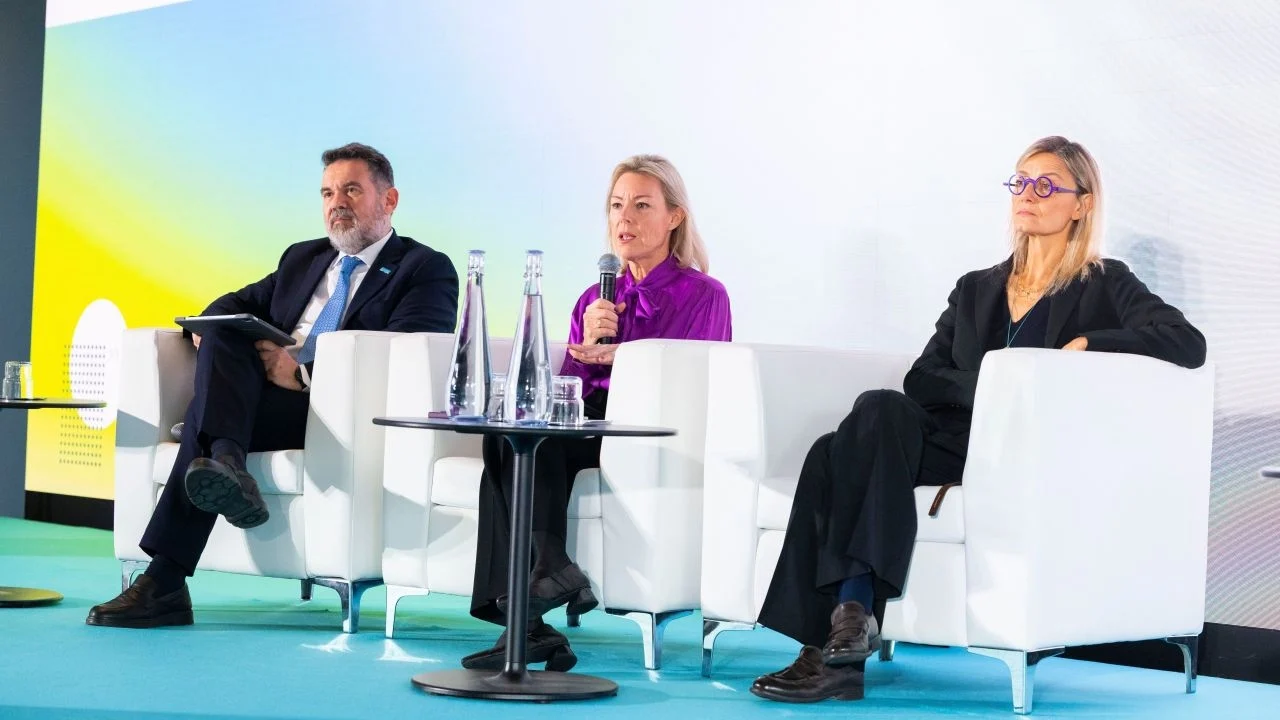
European Cancer Organisation shared on LinkedIn:
“Addressing cancer is a long-term endeavour.
Across Europe, countries are doing so via National Cancer Control Plans, coordinating actions across cancer prevention, detection, care and follow-up.
Yet, in today’s unstable environment, marked by geopolitical shifts, cancer policy commitments are under increasing threat.
At the European Cancer Summit, our Health Systems and Quality Cancer Care Network is exploring how National Cancer Control Plans can maintain cancer policy commitments in times of uncertainty.
Key takeaways from the discussion:
- Ensure continuity: National Cancer Control Plans need long-term political commitment, sustainable financing and clear accountability to deliver results beyond electoral cycles.
- Put patients at the centre: Meaningful patient involvement must extend beyond consultation, allowing people affected by cancer to shape priorities, services and implementation.
- Turn European cooperation into national action: Successful EU initiatives, research and innovations must be integrated into national health systems to deliver lasting improvements in cancer care.
‘We cannot place cancer above political cycles simply by writing longer term strategies. We must build institutions and partnerships and capabilities that can carry those ambitions forward.’ – Ebba Hallersjö Hult, Co-founder, Vision Zero Cancer and Senior Advisor, Stockholm School of Economics.
Successful cancer control requires long-term planning, sustainable investment and effective implementation to ensure better outcomes for all patients.
Learn about the latest activities from the ECO Health Systems and Quality Cancer Care Network: Health Systems and Quality Cancer Care Network.”
Yannick Romero, Senior Knowledge, Advocacy and Policy Manager at Union for International Cancer Control (UICC), added:
“150% in agreement.
National cancer control plans should be comprehensive by addressing all aspects of the cancer control continuum (prevention, data, research, screening, early detection, treatment, palliative and supportive care), governance, service delivery and finance (costed and budgeted plans) in an equitable manner.
Planning, development and implementation should involve all stakeholders including people with lived experience.
You can also read:
What Are the 10 Key Rights Every Cancer Patient Should Expect? – European Cancer Organisation.