





ecancer shared a post on LinkedIn:
“A new risk model could help personalise treatment following frontline blinatumomab in B-cell acute lymphoblastic leukaemia (B-ALL).
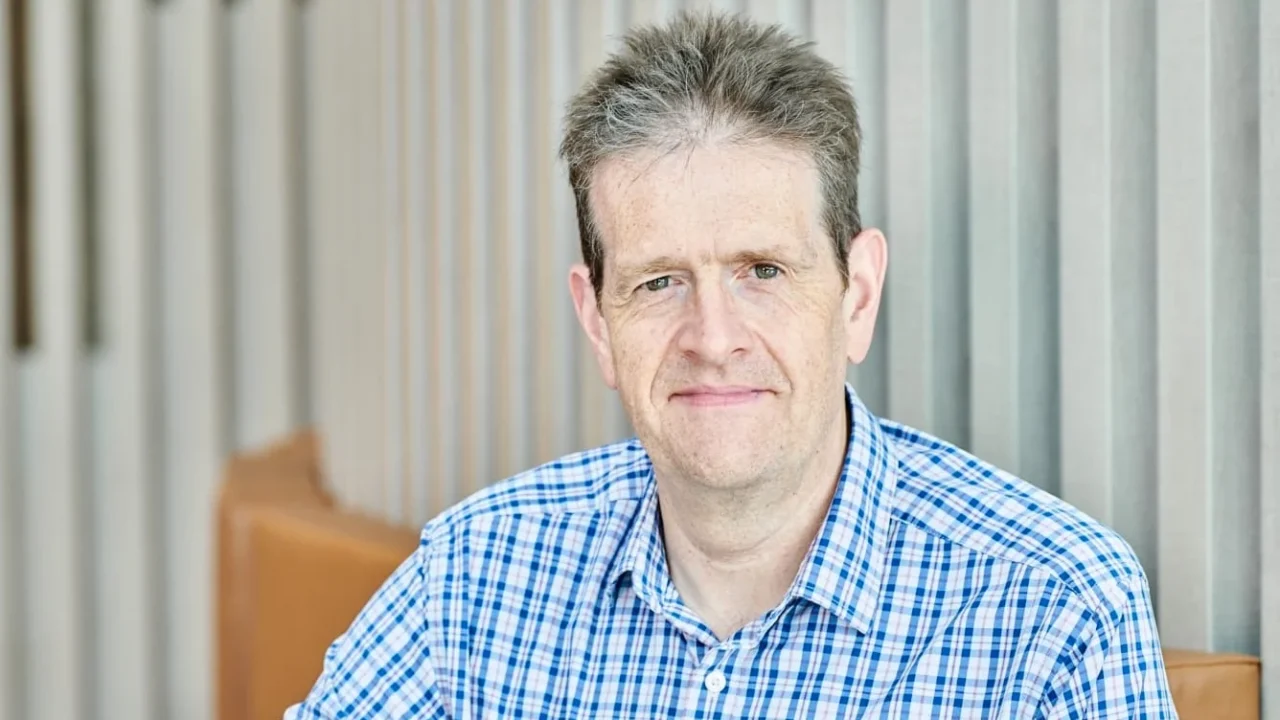
In this ecancer interview from EHA2026, Prof Anthony Moorman (Newcastle University) discusses a study evaluating outcomes in children and young people with chemotherapy-intolerant or chemotherapy-resistant disease and developing a blinatumomab-specific risk model.
Survival outcomes were comparable with historical chemotherapy-treated cohorts, with high overall survival and low relapse rates. Importantly, traditional clinical factors such as age and white cell count did not predict relapse in patients treated with blinatumomab.
Instead, the strongest predictors were:
- Early treatment response, particularly measurable residual disease (MRD) after the first cycle
- Specific genetic alterations, including IKZF1plus and DUX4 rearrangements
These factors were incorporated into the UKBlinPredict model, which successfully distinguished patients with markedly different risks of relapse.
The findings highlight a shift towards response- and biology-driven risk stratification and could help identify patients who may require additional treatment after frontline blinatumomab.
Watch the full interview with Prof Anthony Moorman.”
Other posts about ecancer on OncoDaily.