Digestive Cancers Europe shared a post on LinkedIn:
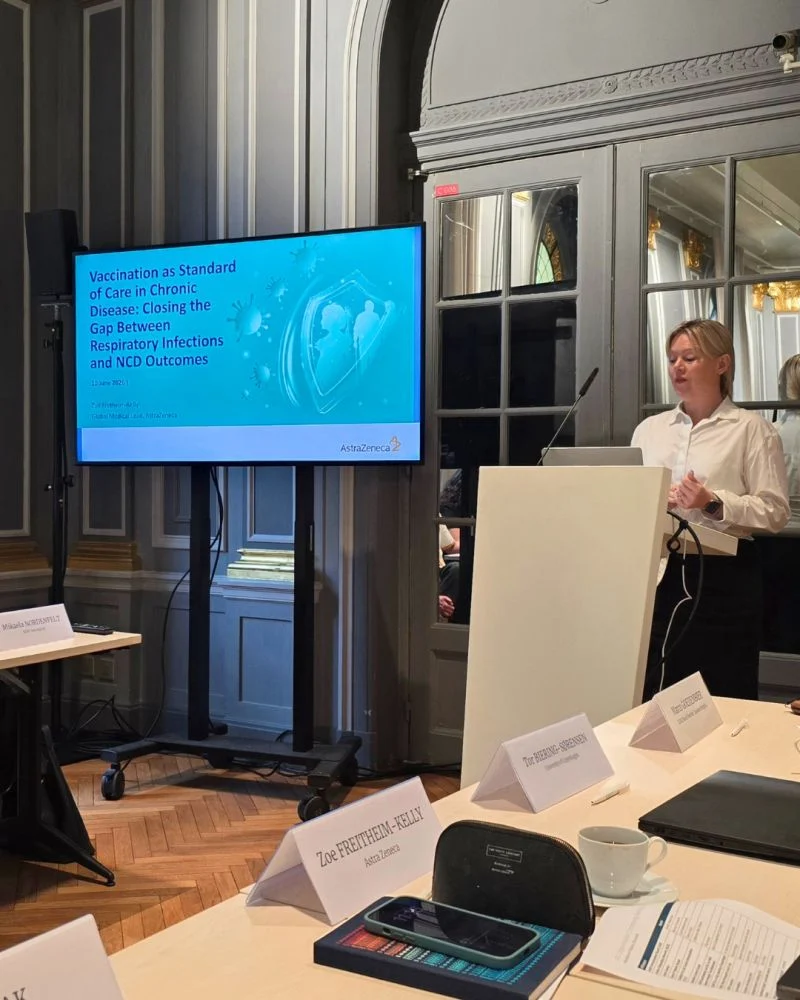
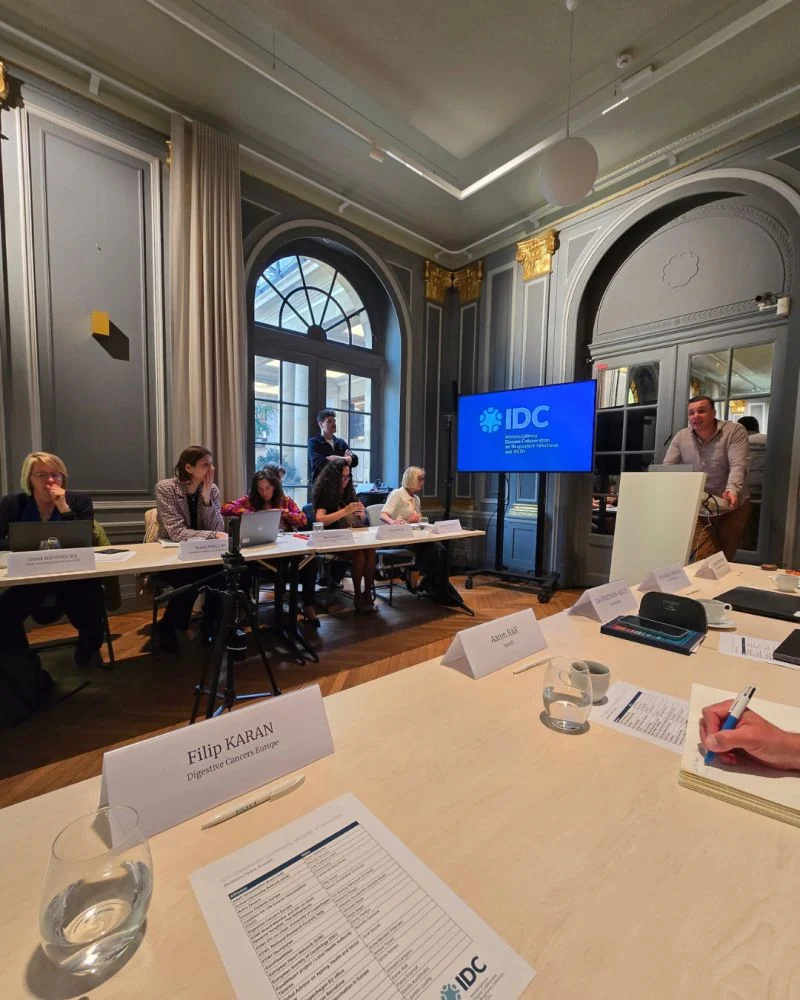
“Last week, our Policy Officer Filip Karan participated in a roundtable discussion at the Interdisciplinary Disease Collaboration on Respiratory Infections and NCDs stakeholder community meeting in Brussels.
During the exchange, Filip highlighted the importance of viewing immunisation not only as infectious disease prevention but also as part of a broader cancer prevention and care agenda.
Vaccination against hepatitis B and HPV is already one of the clearest examples of how immunisation can prevent cancer. Hepatitis B vaccination helps prevent liver cancer, while HPV vaccination can prevent several HPV-related cancers, including anal cancer.
At the same time, immunisation against respiratory infections such as influenza, RSV and COVID-19 is also highly relevant for people affected by digestive cancers. For many patients, a respiratory infection is not just a short-term illness. It can delay surgery, interrupt chemotherapy, lead to hospitalisation, worsen frailty or malnutrition, and make recovery more difficult.
This is especially important for digestive cancer patients, many of whom may already be older, immunocompromised, living with comorbidities, or experiencing weight loss and reduced physical resilience. Protecting these patients also means protecting their continuity of care, their quality of life, and the informal carers and families around them.
A key message from DiCE is that vaccination should be better integrated into cancer care pathways, with clear information for patients.”
Other articles from Digestive Cancers Europe on OncoDaily.