





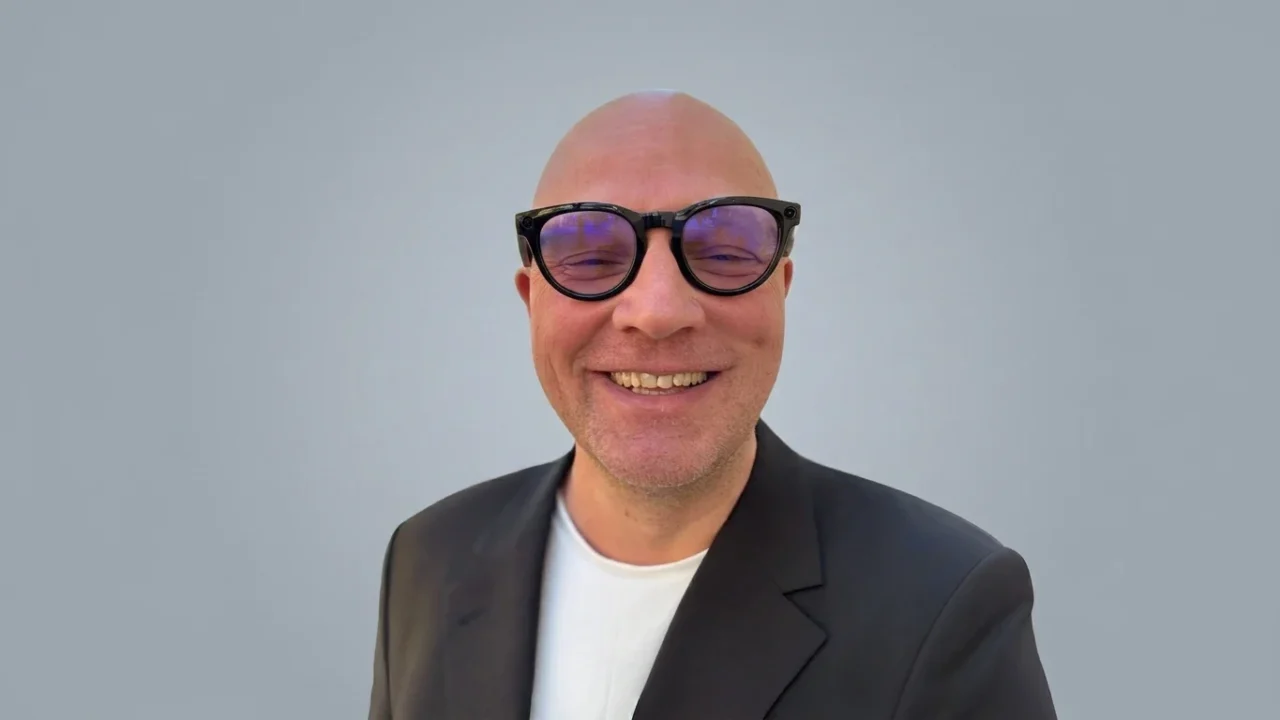
Dégi László Csaba, the President of the European Cancer Organisation and a member of the Board of Directors for the Organisation of European Cancer Institutes (OECI), shared on LinkedIn:
“European cancer community foundation.
Small grants. Meaningful impact.
Cancer funding in Europe usually makes headlines for its size: EU health programmes, pharmaceutical trials, major research charities can command millions, sometimes billions of euros in financing. There’s just one problem.
Most cancer groups across Europe are small. They focus on a single country, a specific cancer, or one area of medicine. They do brilliant work, yet they are too small for the big grants and too specialised for mainstream donations.
The European Cancer Community Foundation exists to help exactly these efforts.
Its two initial grant schemes have been modest but effective. The Rising Star Grants give €3,000 to young doctors, nurses and researchers launching their first serious project. In 2025, they funded AI tools to predict breast cancer outcomes from pathology images, and nurse-led work to improve psychosocial care in oncology.
The Workforce Fund has provided up to €20,000 to improve the working lives of healthcare staff and enhance patient care.
These grants have funded people and ideas that would not otherwise get off the ground: smaller organisations, smaller medical societies and patient groups that make a real difference but lack the resources to raise money themselves.
More initiatives are in the works.
The Foundation is different for another reason: it runs lean. Because it shares staff and offices with the European Cancer Organisation, overheads stay minimal, so every donation reaches the projects that need it. Too often, charitable money is eaten up by administration before it reaches the actual work.
Is this about policy? Not directly.
These are grassroots initiatives: real projects, tested on the ground, by people who understand the problems best. Fixing the cancer workforce crisis takes more than top-down policy reform. It takes groundwork first. Good policy tends to follow good evidence, and good evidence often starts with a small pilot nobody else would fund.
That is why these grants matter even to those who will never apply. A nurse who stays in oncology because a small pilot made her job more bearable. A young researcher who stays in cancer science because someone backed her when she needed it.
A patient group that keeps its doors open because a modest grant covered what a larger charity overlooked. None of it makes headlines. All of it saves lives, quietly, over time.
Volunteer experts judge applications rigorously on whether the work is likely to change practice and truly matter across the cancer community.
This is a deliberate bet: that the people closest to patients usually know best what needs fixing – and deserve the chance to prove it.
Thank you!”
Other articles featuring Dégi László Csaba on OncoDaily.