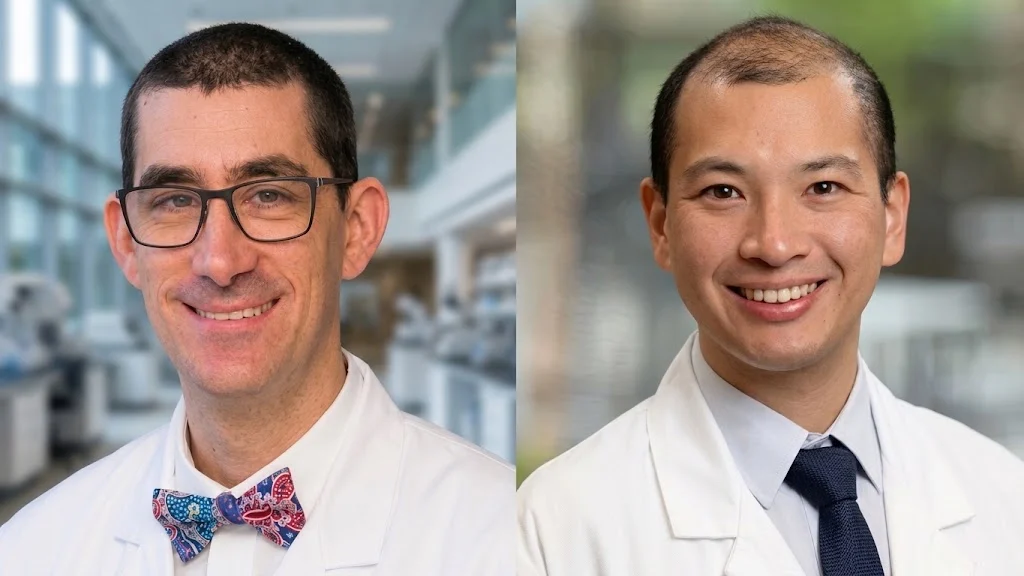
David Sher, Medical Director for Clinical Operations and Quality at UT Southwestern Medical Center, shared on X:
“Very informative paper that highlights the results of high-quality, modern head and neck reirradiation.
However, I am still quite doubtful that proton beam radiotherapy is the key factor here. Most toxicity in reirradiation is in-field, not marginal or distant to the beam, so I am not convinced that proton dosimetry makes a difference (or that it can’t lead to problems in bone or soft tissue given the uncertainty of BED in parts of the beam).
High quality VMAT/IMRT is excellent and leads to sharp fall-off as well, especially non-coplanar beam arrangements. And if stereotactic radiotherapy is used, adaptive treatment can significantly reduce PTV margins as well.
Whatever beam is used, the key for future success is understanding the biology of the recurrence and leveraging systemic therapy to overcome the resistance and improve disease control.”
Edward Christopher Dee, Assistant Attending in Radiation Oncology at Memorial Sloan Kettering Cancer Center, added:
“Important limitations: This was a nonrandomized phase 2 trial, not a proton-versus-photon comparison.
The cohorts differed in disease burden, prior treatments, and clinical goals.
We cannot conclude that protons are superior or that one fractionation approach is better.”
You may also be interested in:
Re-Irradiation in Pediatric CNS Tumors: Balancing a Second Chance of Cure Against Long-Term Toxicity