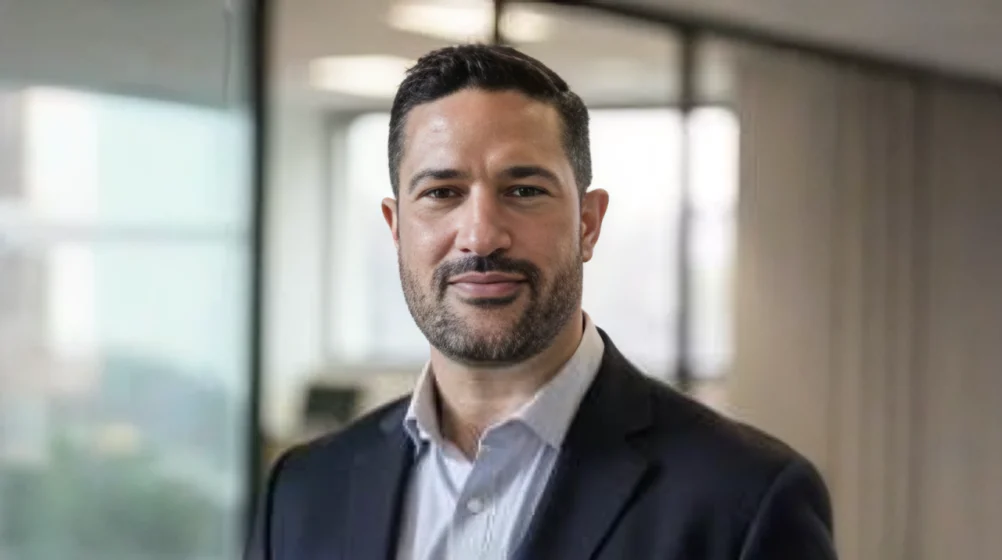
David Diaz, Executive Director of The Reluctant Brotherhood, shared on LinkedIn:
“After cancer, can I still be desired?
It wasn’t a question my doctors asked.
Before surgery, we talked about my PSA, pathology, treatment options, and the possible side effects. Those were important conversations. But no one ever asked whether I believed someone could still desire me after everything cancer would change.
That question came unexpectedly during a conversation with a friend.
She asked me, almost in passing, “What makes you feel desired?”
I expected the answer to come quickly.
Instead, I sat there dumbfounded.
For someone who has spent years speaking about prostate cancer, relationships, and recovery, I was surprised that I didn’t have an answer.
Maybe that’s because, for most of my life, I never thought much about being desired.
I thought about being needed.
As a husband, a father, a soldier, and an air traffic controller, my value was measured by what I could do. I believed my strength came from providing, protecting, solving problems, and being someone others could depend on. I carried the weight because that’s what I believed good men did. If someone needed something, I wanted to be the one they could count on. Somewhere along the way, I started believing that being needed was the same thing as being valued. I never imagined that cancer would challenge every one of those beliefs—not because it changed my character, but because it changed the body I had always trusted to carry them out.
Then cancer showed up.
At 45, I was diagnosed with prostate cancer. Surgery was followed by chemotherapy, radiation, and two years of hormone therapy. Hormone therapy didn’t just lower my testosterone. It changed how I saw myself.
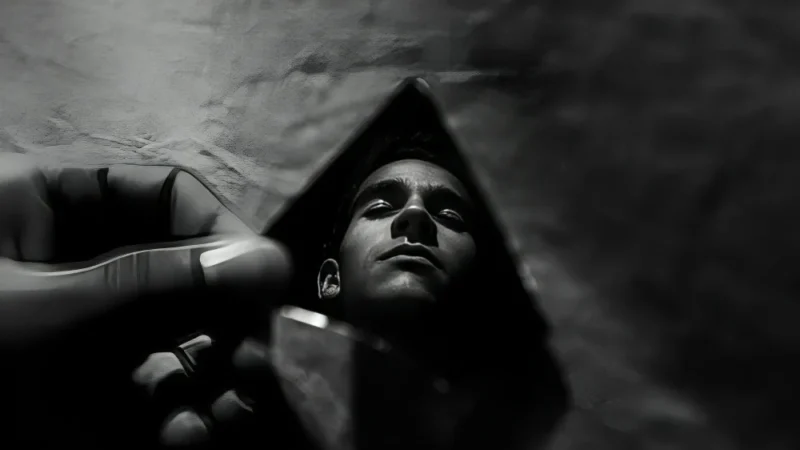
My libido disappeared. I lost muscle. I gained weight. I barely recognized the man looking back at me in the mirror.
For the first time in my life, I didn’t feel masculine. I didn’t feel attractive. I certainly didn’t feel desirable.
Years later, there is another reminder that my body has changed: incontinence.
Sometimes I’m getting ready for a date and I stand in front of the mirror. I straighten my hair, make sure everything looks right, and then I feel the pad pressed against my body.
No one else knows it’s there.
I know it’s there.
In a matter of seconds, my mind begins writing a story.
What if we become intimate?
What if she notices?
What if this changes how she sees me?
There have been moments when I’ve wanted to cancel the date before it even begins. Not because I didn’t want to go, but because fear was trying to convince me that rejection was inevitable.
But I’ve learned something important.
Most of the things I worry about never happen.
Fear has a way of writing endings that reality never does.
I’ve also learned that dating isn’t about trying to control someone else’s response. If a woman isn’t comfortable with what prostate cancer has left behind, that’s okay. And if she accepts it without hesitation, that’s okay too.
Neither response determines my worth.
For a long time, I believed what I saw in the mirror determined whether anyone else could desire me.
Today, I see it differently.
What makes me feel desired isn’t pretending cancer never happened. It’s when someone is genuinely curious about me. When they ask about my stories. When they remember something I shared weeks ago. When they laugh with me. When they make space for my faith, my writing, and even my fears. When they choose to spend time with me simply because they enjoy who I am.
Most of all, it’s when someone can acknowledge what I’ve been through without making it the center of our relationship. Not pity me. Not ignore it. Just accept that it’s part of my story.
The deepest form of desire isn’t hearing someone say, “I don’t see your cancer.”
It’s hearing someone say, “I see all of you, and I’m still here.”
Cancer changed my body.
It changed my confidence.
It changed the questions I ask before I walk out the door.
But it also taught me something I never understood before.
For years, I thought being desired meant having the body I had before cancer.
Now I think it means something else.
Maybe being desired isn’t finding someone who only sees the man I used to be.
Maybe it’s finding someone who sees the man I’ve become.
And maybe the hardest part of that journey is learning to see him myself.
And maybe the first person who needs to see him…
is me.
If you found this blog helpful, please share it with your loved ones or community. For more insights and stories from cancer survivors, join our support community today at The Reluctant Brotherhood. Together, we can make a difference in the lives of those affected by prostate cancer.
David Diaz Sr.”
Read also “We Are Only Here to Help… Hear from Cancer Survivors” on OncoDaily.