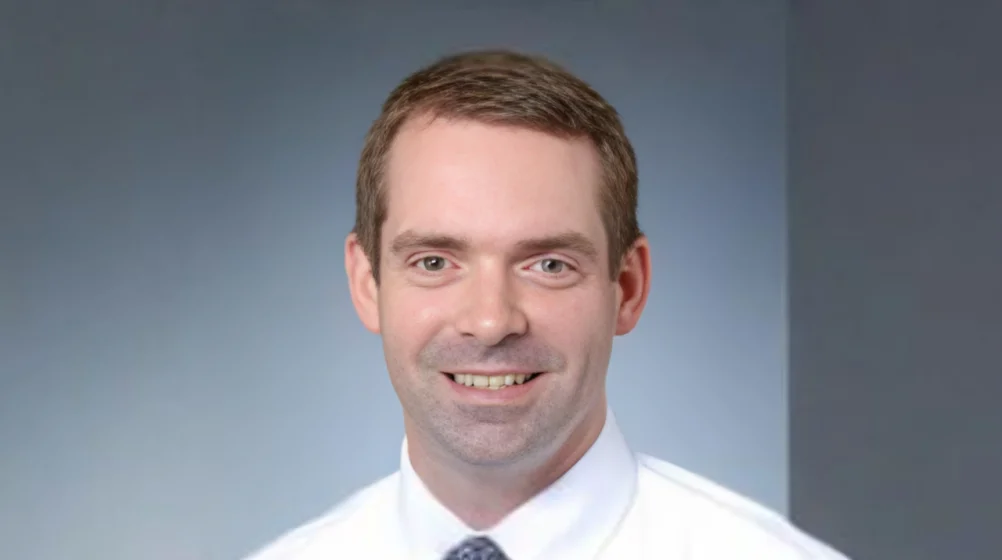
Daniel Flora, Medical Oncologist and Medical Director of Oncology Research at St. Elizabeth Healthcare, shared on Substack:
“When Cancer Treatments Don’t Work.
It was 4:45 pm on a Wednesday afternoon in the oncology clinic. For the most part, the nurses and medical assistants had wrapped up for the day. My nurse checked in with me one more time before she headed home.
‘You good?’
I looked up from my computer and nodded, ‘Yep, I’m good.’
Clinic had been busy, filled with its usual mix of complexity and difficult conversations – each patient at very different parts of their journey.
This part of my day is mainly to catch my breath and start weeding through my inbox and the results that slowly accumulate throughout the day.
The familiar list appeared in Epic with unread CT scans, PET scans, and pathology results.
As I filtered through them by date and time, the first one that appeared was an unread breast ultrasound.
I immediately associated the result with a patient I had met with a few months earlier.
She had just been diagnosed with a recurrence of an aggressive form of breast cancer. This was her second time facing this disease, so she had already experienced the side effects of chemotherapy, the long waits between scans, and a great deal of uncertainty.
The news of her recurrence was, of course, devastating.
After reviewing her case with our breast cancer team, we recommended starting back on chemotherapy, this time with a more intensive regimen, hoping it would be more effective in shrinking the breast cancer before surgery again.
So, when I saw her follow-up ultrasound in my inbox, I knew what this represented.
Even after reviewing thousands of scans in my career, I still felt the familiar pit in my stomach as I clicked on the result. That pit is a mix of hope, fear, and the reality that the result is entirely out of my control.
I understood what those results also represented to her: weeks of side effects, hair loss, nausea and fatigue, and hopes that this would be a result that made all of that worth it.
I opened the report and saw that the breast cancer had not responded to the treatments. It had grown slightly.
The radiologist’s impression was more straightforward: ‘progression of disease.’
These days, a lot of patients are receiving these results on MyChart at the same time we do. I wasn’t sure if she had read the report, so I wanted her to have the information in context before reading through it alone at home.
I sent her a message that I had read the ultrasound and was already working on the next steps with our team, and we would get her back into clinic as soon as possible to discuss a plan together.
This situation isn’t very common, but every oncologist experiences it. Sometimes the treatment we believe gives a person their best chance simply doesn’t work.
These are difficult days for everyone. But I also know it is my responsibility to move quickly beyond disappointment and find the next path forward to help the patient meet their goals.
When we met in the office, I went over things in more detail. I explained that the chemotherapy didn’t accomplish what we had hoped for, but it also helped answer an important question. It told us this cancer was going to require a different approach.
Disappointing news in oncology is rarely the end of the story. Over the years, I have learned that cancer often forces us to adapt.
Plans will change, sometimes right in the middle of treatment. As long as we do this thoughtfully and stay aligned with the patient’s goals, there may still be another path forward.
My hope with each patient is to continue down that path with honesty, while acknowledging that uncertainty has grown. Even then, there may still be a way toward a good outcome, and hopefully a cure.
When a treatment doesn’t work, I try to resist the instinct to move immediately to the next option without first asking why.
This is where much of the work happens behind the scenes. I usually start by going back through the pathology, reviewing the scans and biomarkers again, and looking for anything that might explain why the cancer behaved differently than we expected.
We meet again with the surgeon, radiologist, and pathologist to reconsider the case together at tumor board. We still rely heavily on proven treatment pathways, but today we have more ways to ask whether the cancer has changed or whether there is a biological reason to choose one treatment over another.
Sometimes a repeat biopsy is helpful to look for new mutations through molecular profiling, changes in the tumor’s biomarkers, or evidence of tumor heterogeneity that wasn’t apparent at the time of diagnosis.
Despite all the advances in technology, sometimes we just don’t find the answer. I often tell my patients that cancer rarely follows the rules and remains frustratingly unpredictable. This uncertainty is one reason why oncology continues to humble me every day.
I sometimes wonder if our patients assume once we leave the room, we’ve already moved on to the next patient. Like each patient is just a blip in our busy schedule. The truth for most of us is that we take these experiences or conversations home with us.
We think about them in the car, at dinner meetings, conferences, or on a phone call to a colleague across the country for another opinion.
This work often extends beyond the walls of the clinic. None of us want to feel like we’re not doing everything possible or leaving a reasonable option unexplored.
For this patient, we developed a new plan. It wasn’t the one we had hoped for in the beginning, but it gave us a renewed sense of hope and fit well with her goals.
That is really my role as an oncologist. I have to be honest when things don’t go the way we hoped, but I also have to help find a path forward.
Sometimes that path changes, but we keep moving together.”
Other articles featuring Daniel Flora on OncoDaily.