





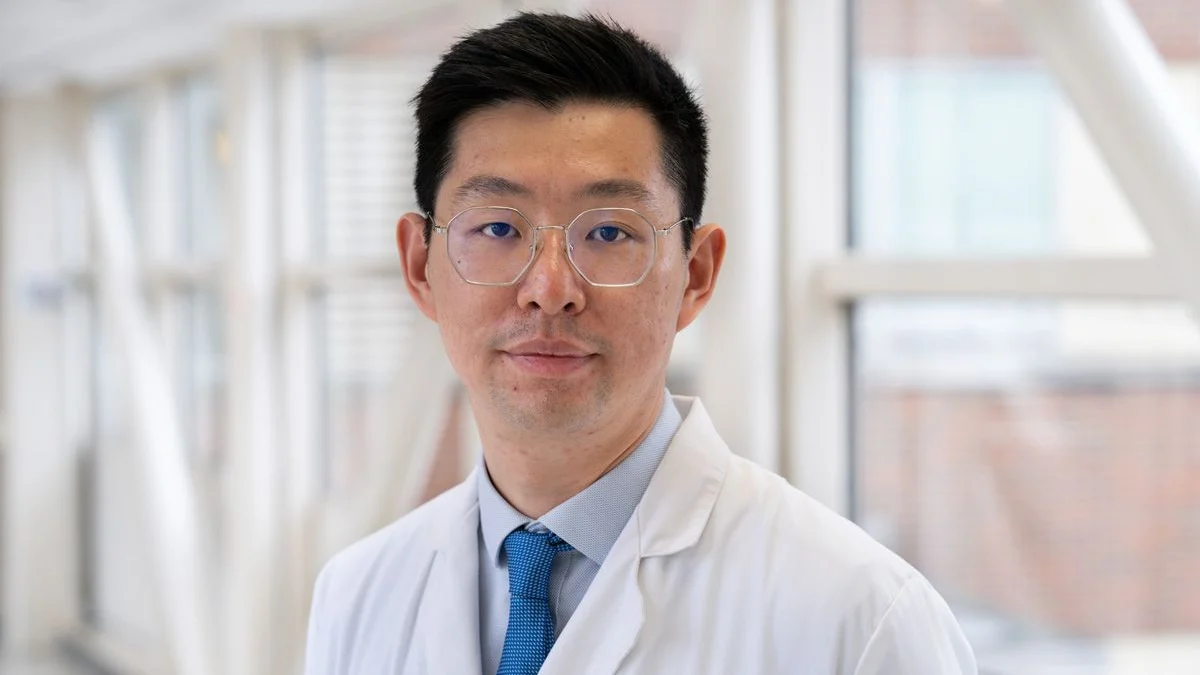
Charles Jiang, Medical Oncologist at UT Southwestern Medical Center, shared on X:
“My fastest paper took one week from draft to done. My slowest is still unpublished 7 years on.
The difference: a ten minute feasibility check.
Trainees I work with earned 6 Merit Awards in 3 years, every project passing it early. Few programs seem to teach this. Let me try.
- The check starts with data you can touch this week.
- Not data a mentor promised. Not data ‘the department has somewhere.’
- My rule: if I cannot open the raw file within seven days, the project does not exist yet. It is a rumor with a title.
- Count before you commit.
- Before writing any aims, run one query: how many patients actually meet my criteria. If the plan needs 200 and the database holds 40, you want to learn that in an hour, in month one. I learned it in month nine. Once.
- Then open the rows yourself.
- Database fields lie. ‘Smoking status’ can be blank in half the records. A treatment date can predate the diagnosis. Read 20 raw patient rows with ur own eyes before utrust any variable. Twenty rows have killed more of my bad ideas than any reviewer.
- Take an honest inventory of your skills.
- If the question needs a method you would learn from scratch, find a co-author who already owns it, or pick a simpler design. Learning statistics and answering a question inside the same project doubles every timeline you write down.
- Work backwards from a real deadline.
- Pick an actual abstract due date and map the weeks in reverse: submission, drafting, analysis, cleaning, approvals. If the plan does not fit, shrink the question. Trainees always shrink the writing time instead, but it was never the issue.
- List every permission you need on day one.
- IRB, data use agreement, mentor sign-off, access credentials. Each one can take six weeks. None of them run faster because your analysis is ready. Start all of them the same afternoon you commit to the question.
A small finished paper teaches you the entire cycle: question, data, analysis, writing, revision, rejection, acceptance.
An ambitious unfinished one teaches you nothing and costs years. Feasibility is the skill of picking a winning fight.
Win a small one first. Then go big.”
Other articles featuring Charles Jiang on OncoDaily.