Cancer Research UK Science and Innovation shared on LinkedIn:
“Congratulations to our new CRUK Funded researchers, funded by our Clinical Research Committee.
With these awards, we are empowering researchers to run clinical trials, improve sample and data collection and use samples donated by patients to improve cancer care. This year’s projects include GastroSCOPE, a Phase 2 trial of radiotherapy for locally advanced stomach and gastro-oesophageal junction cancer, and TRANSLATE-TADPOLE, which will collect high-quality breast cancer samples to study how the extent of surgery affects patients’ recurrence risk.
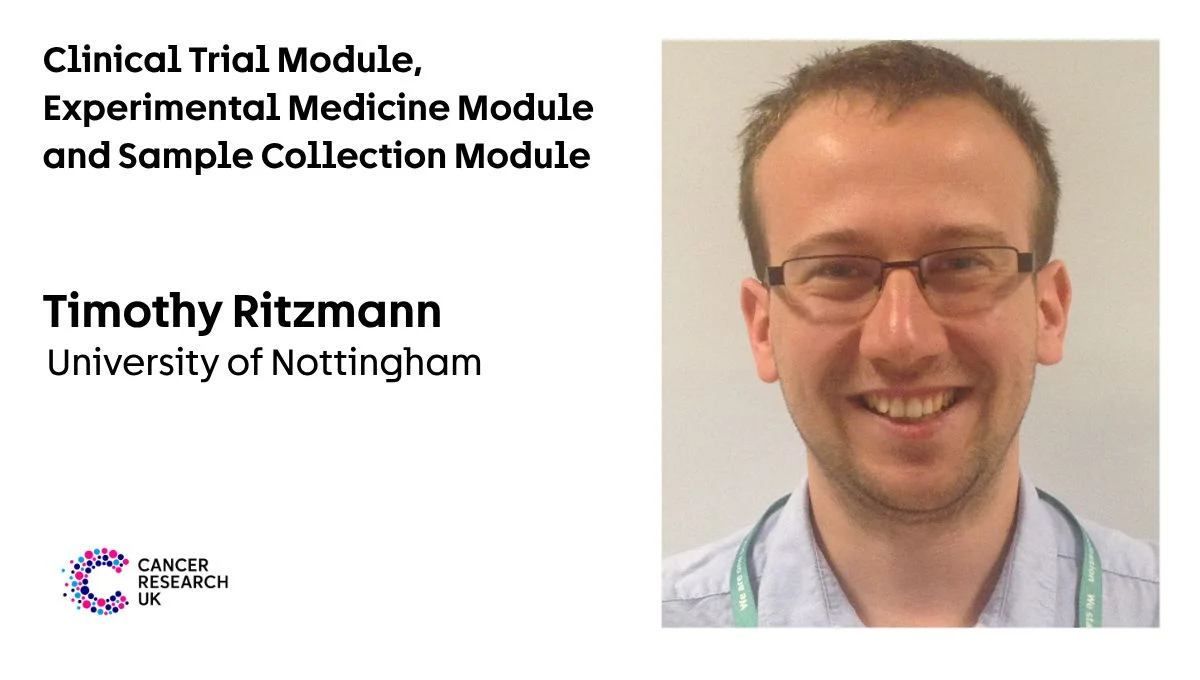
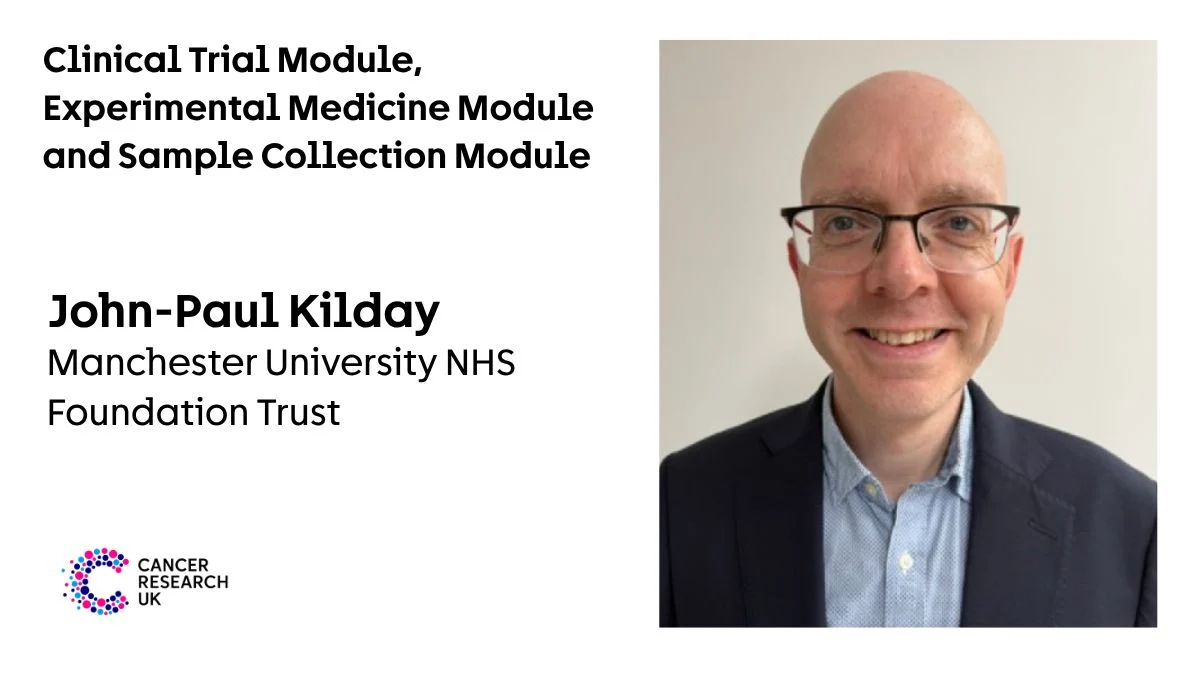
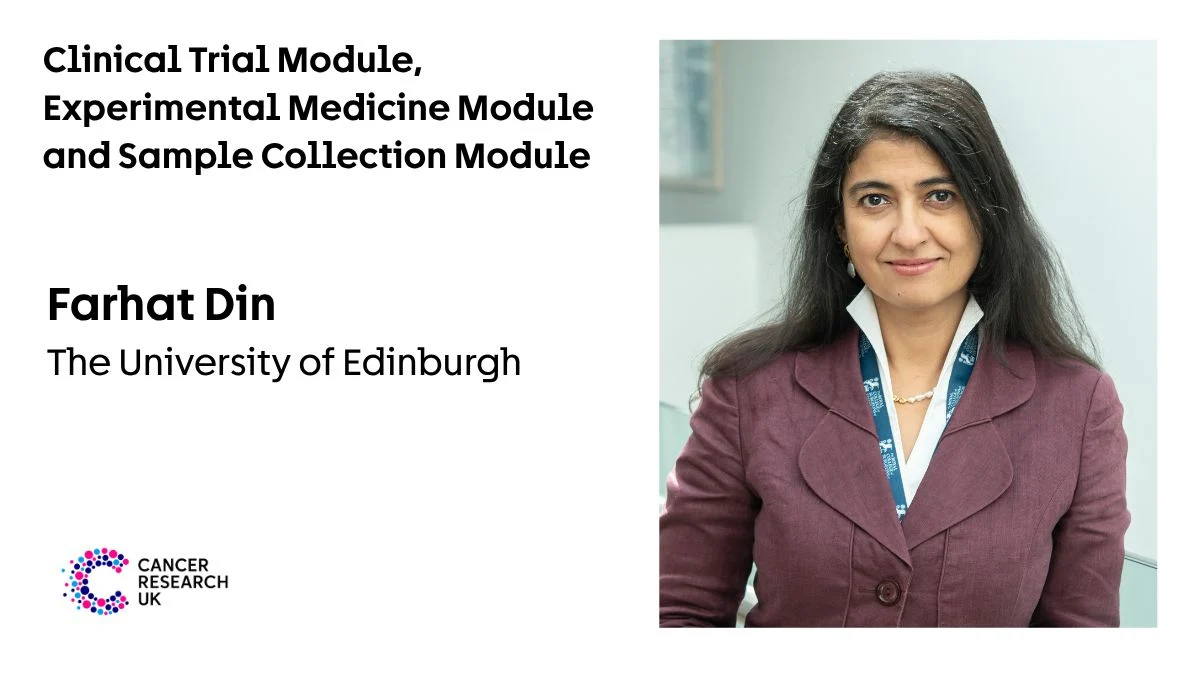
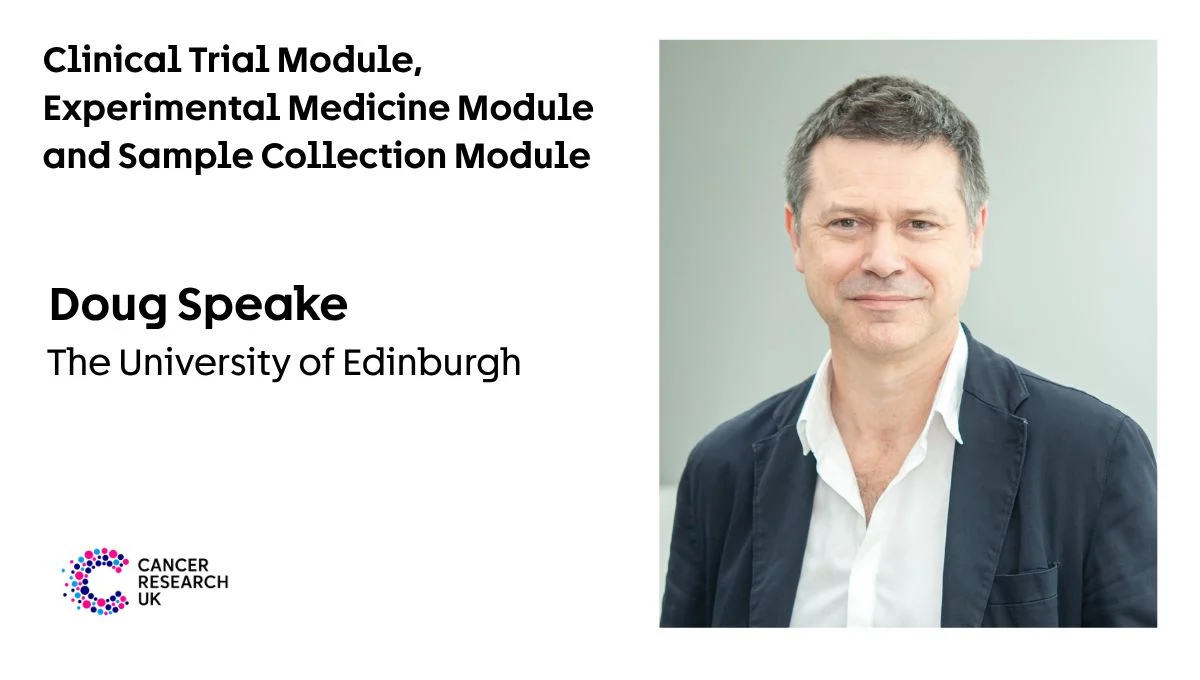
Clinical Trial Module, Experimental Medicine Module and Sample Collection Module
- John-Paul Kilday and Tim Ritzmann (Manchester University NHS Foundation Trust, University of Nottingham)
- Doug Speake, Farhat Din, Kevin Myant (The University of Edinburgh)
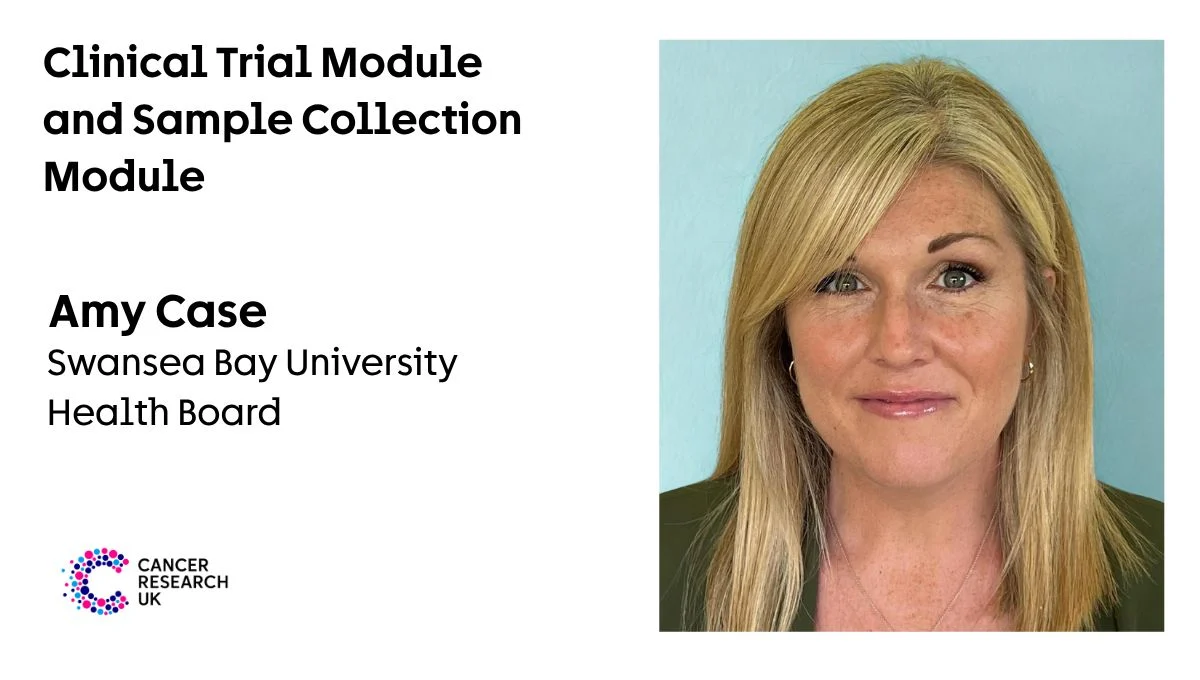
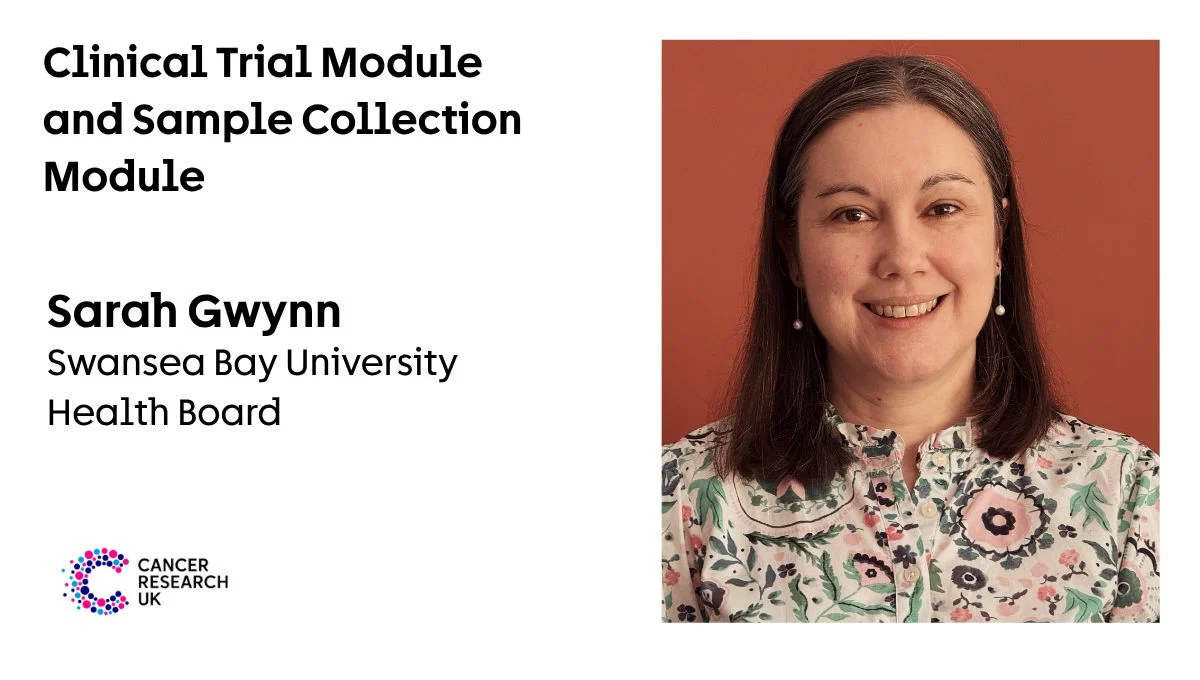
Clinical Trial Module and Sample Collection Module
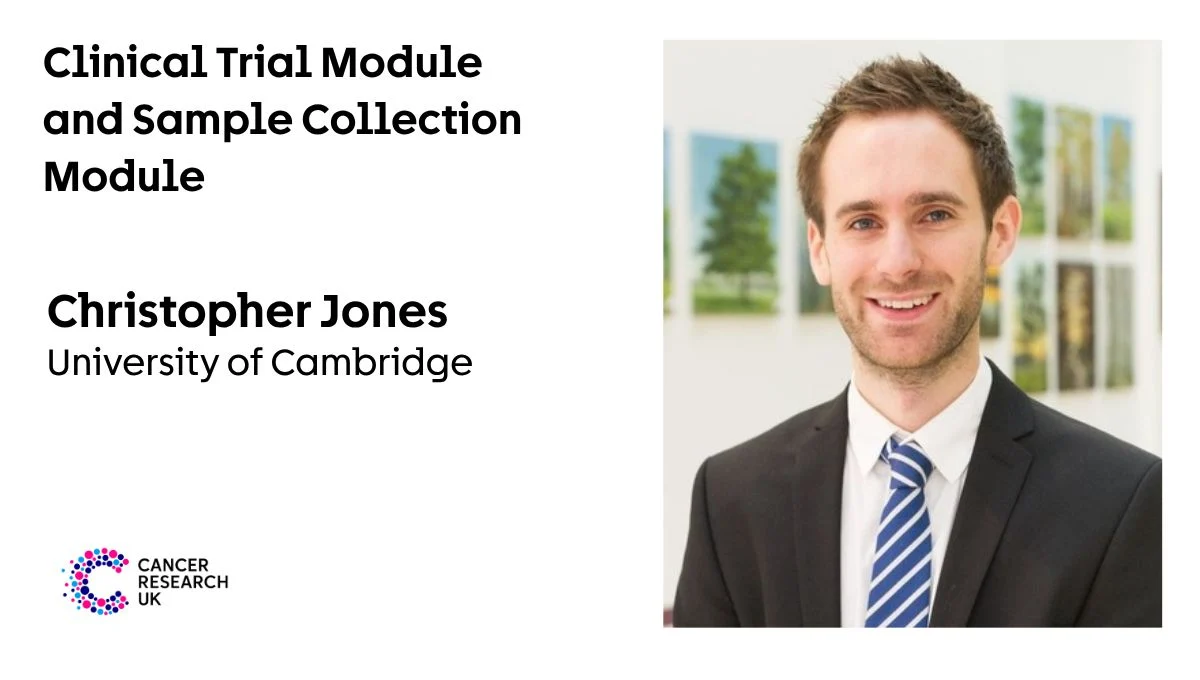
- Sarah Gwynne, Amy Case and Chris Jones (Swansea Bay University Health Board, University of Cambridge)
- John Bridgewater (UCL)
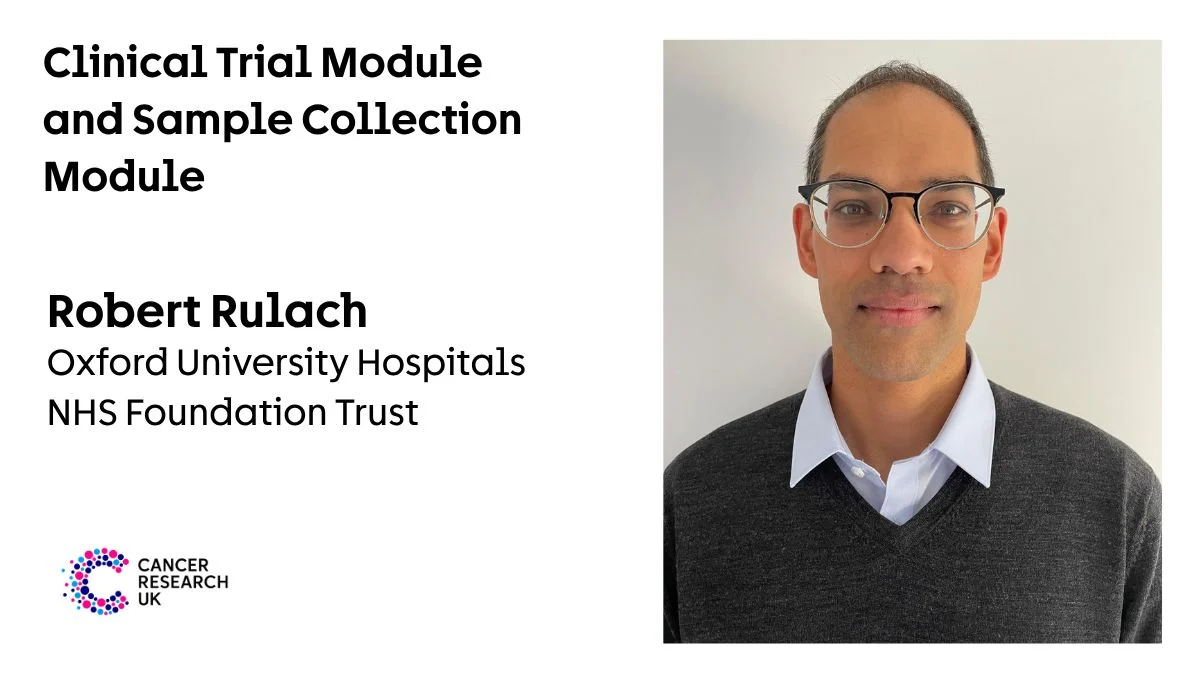
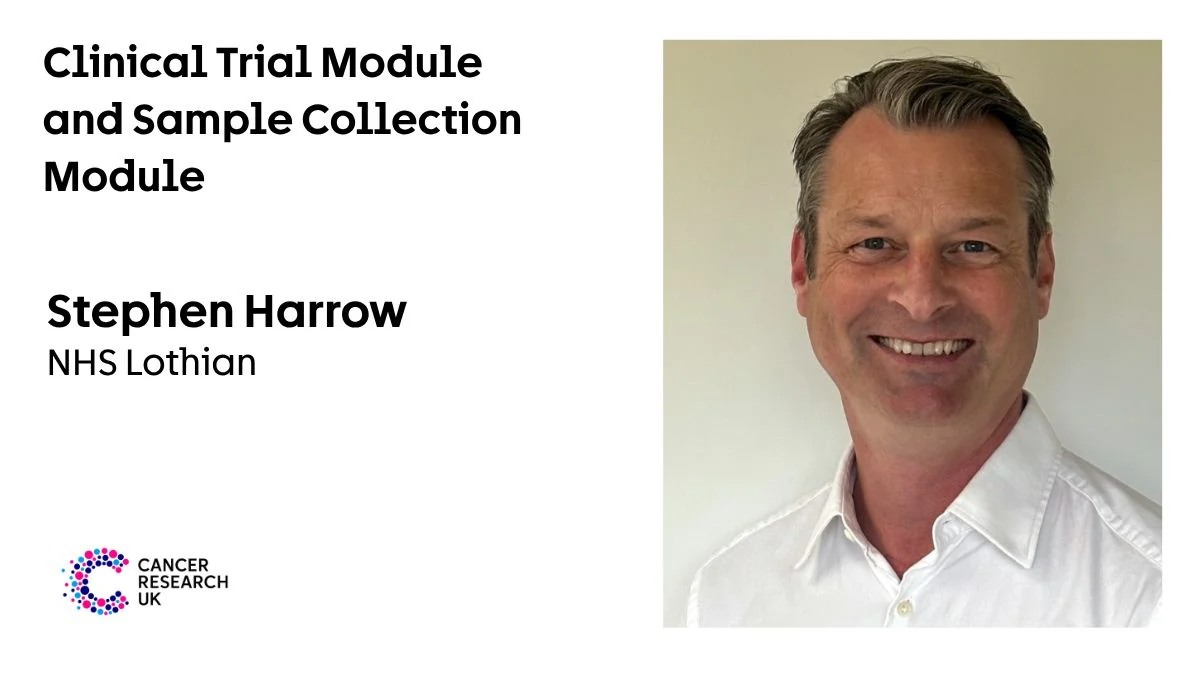
- Stephen Harrow and Rob Rulach (NHS Lothian, Oxford University Hospitals NHS Foundation Trust)
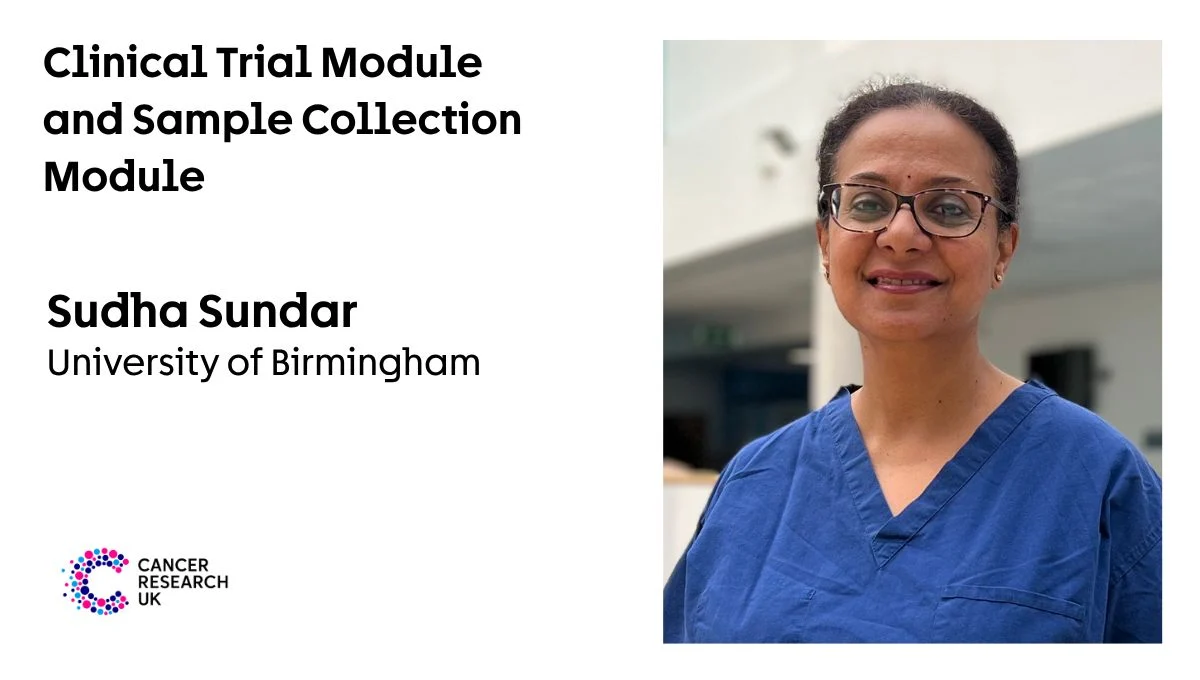
- Sudha Sundar and Rachel Pounds (University of Birmingham)
Sample Collection Module
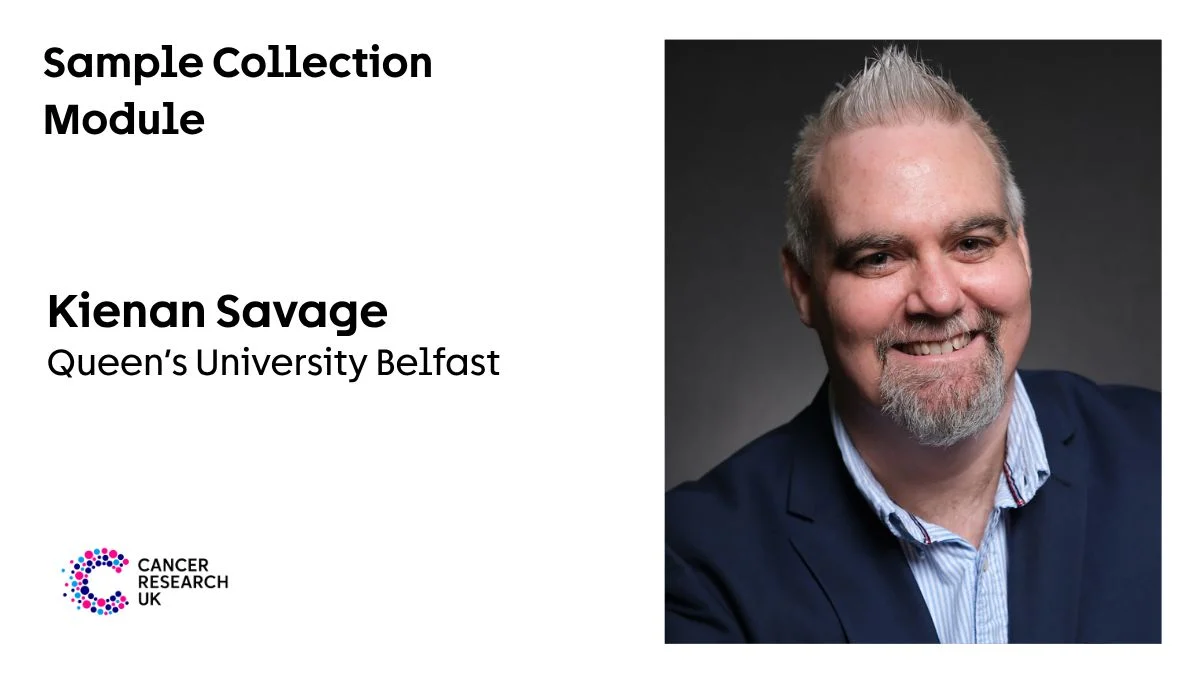
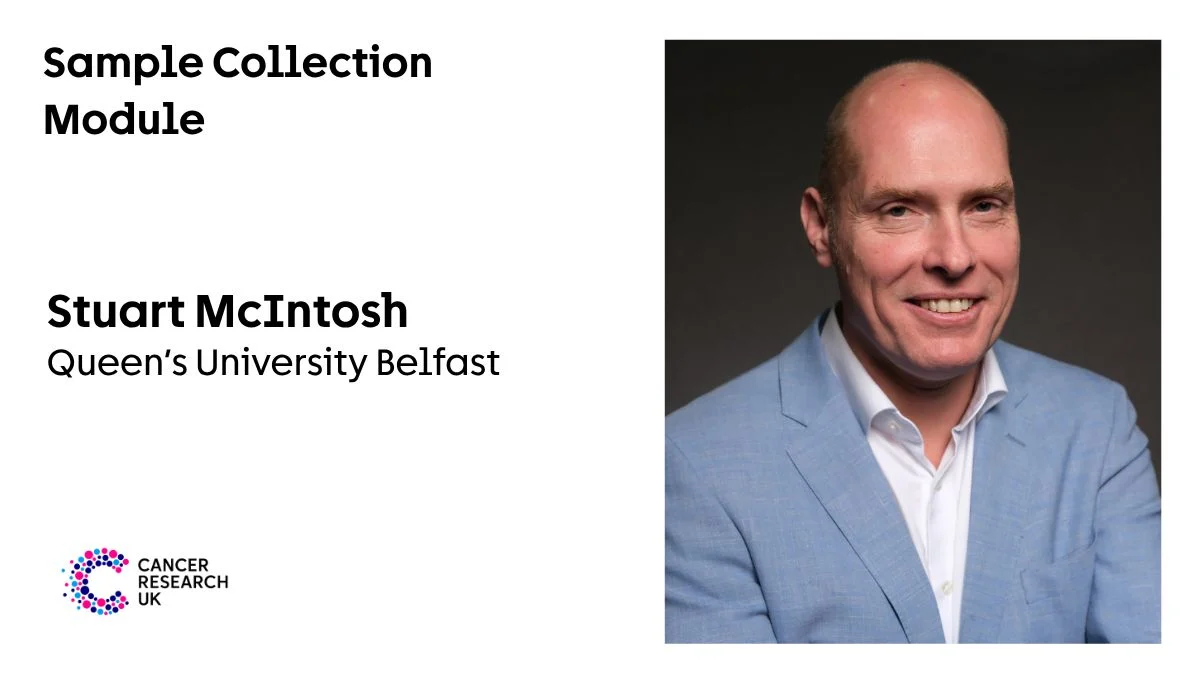
- Stuart McIntosh and Kienan Savage (Queen’s University Belfast)
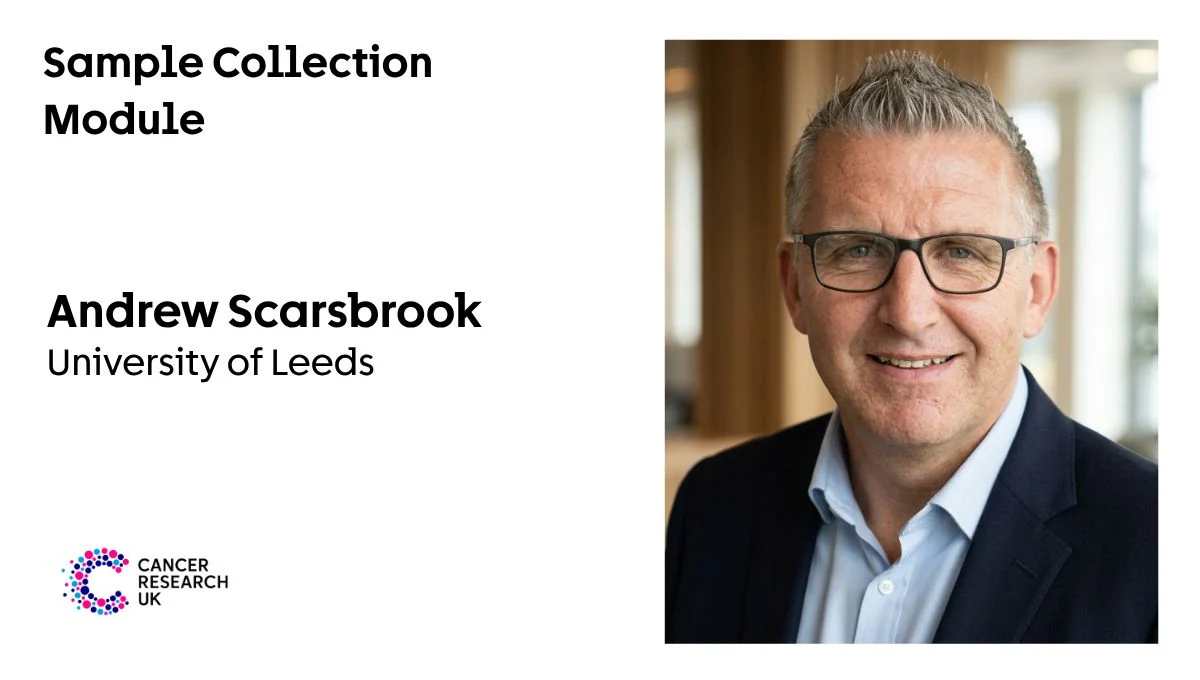
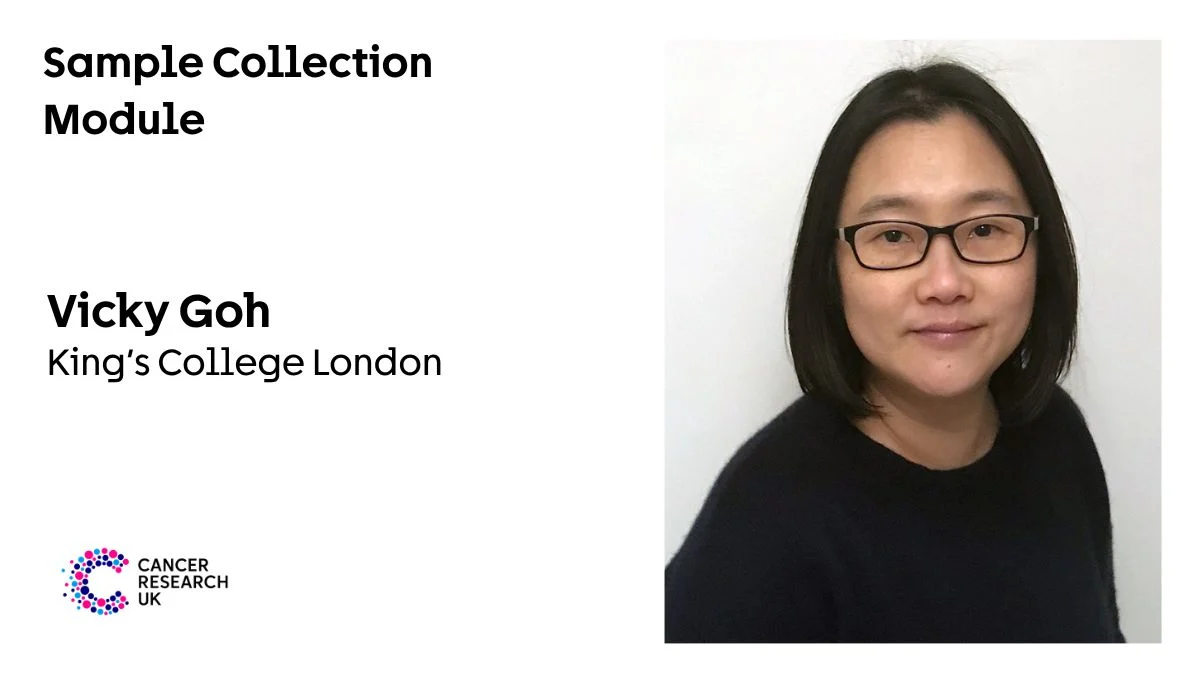
- Vicky Goh and Andy Scarsbrook (King’s College London, University of Leeds)
Costed amendment/extension
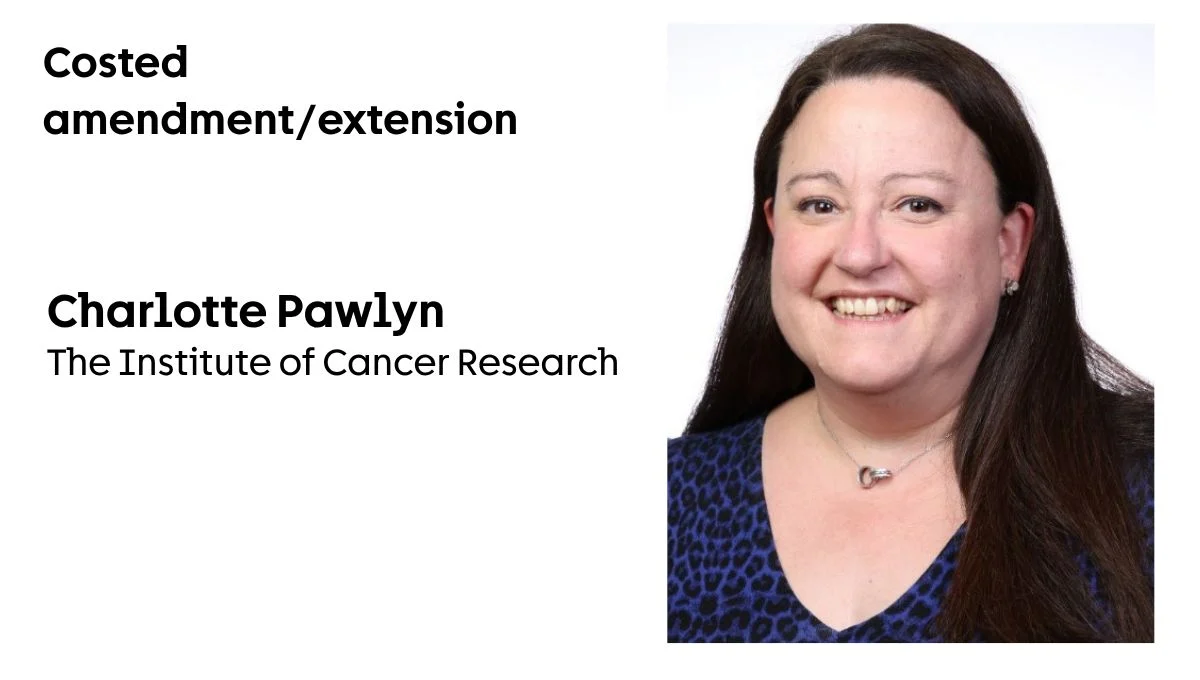
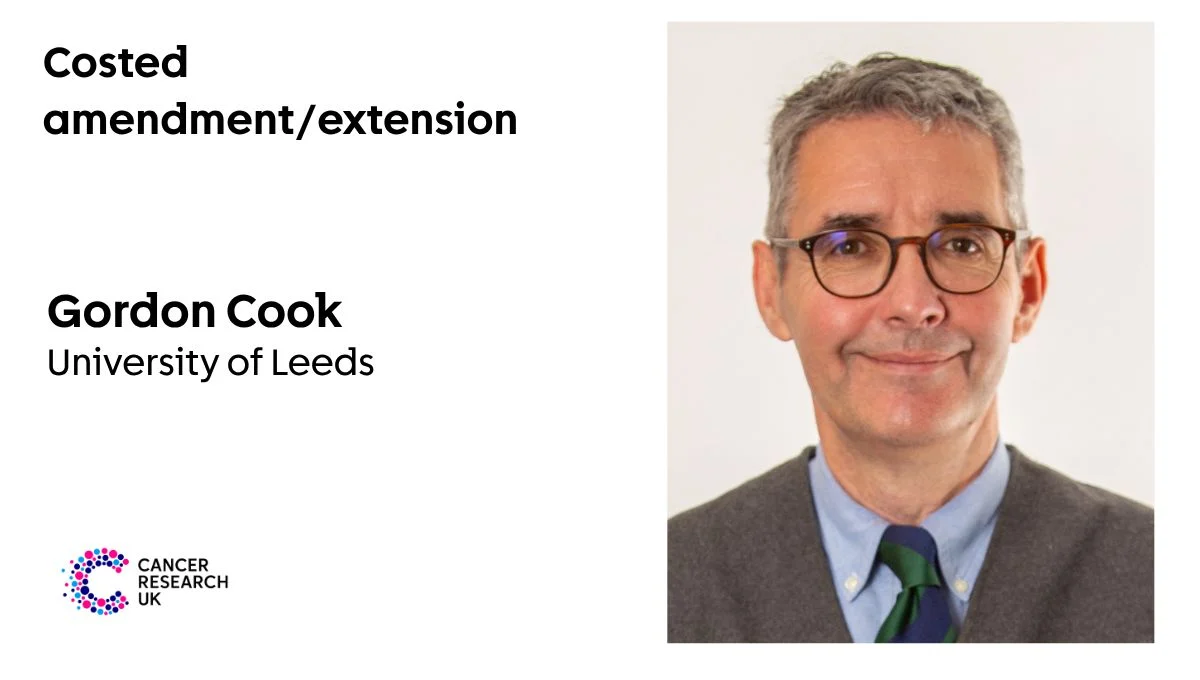
- Gordon Cook and Charlotte Pawlyn (University of Leeds, The Institute of Cancer Research)
Explore the cohort of new awardees and their work here: Clinical Research Committee awards.”
To which Chris Jones, CRUK Clinician Scientist Fellow at University of Cambridge, added:
“Delighted to be leading on the translational aspects of the GastroSCOPE trial, which Sarah Gwynne, Amy Case and team have worked so hard to develop, and which Cancer Research UK (CRUK) have just funded.
GastroSCOPE is a phase 2 trial of radiotherapy for locally advanced gastric and gastroesophageal junctional cancer.
We will embed sample collection in GastroSCOPE so that we can determine how systemic therapies and radiotherapy shape therapy-related evolution.
Excitingly, we will also explore whether using radiotherapy can create more opportunities to use targeted therapies; potentially enabling a greater number of patients to benefit from a precision and personalised medicine approach.”
Other articles about Cancer Research UK Science and Innovation on OncoDaily.